How a Sugar-Free Diet Supports Brain Health and Cognitive Function
23 January 2026
Introduction
Ever feel like your brain is in a fog after indulging in sweets? You're not alone. Sugar might give you a temporary energy boost, but long-term consumption can seriously mess with your brain health. If you've ever struggled with focus, memory, or mental clarity, your diet could be to blame.
Cutting out sugar isn’t just about avoiding weight gain – it’s one of the best things you can do for your cognitive function. Let’s break down exactly how ditching sugar supports your brain and why a sugar-free lifestyle could be the ultimate game-changer for your mental performance. 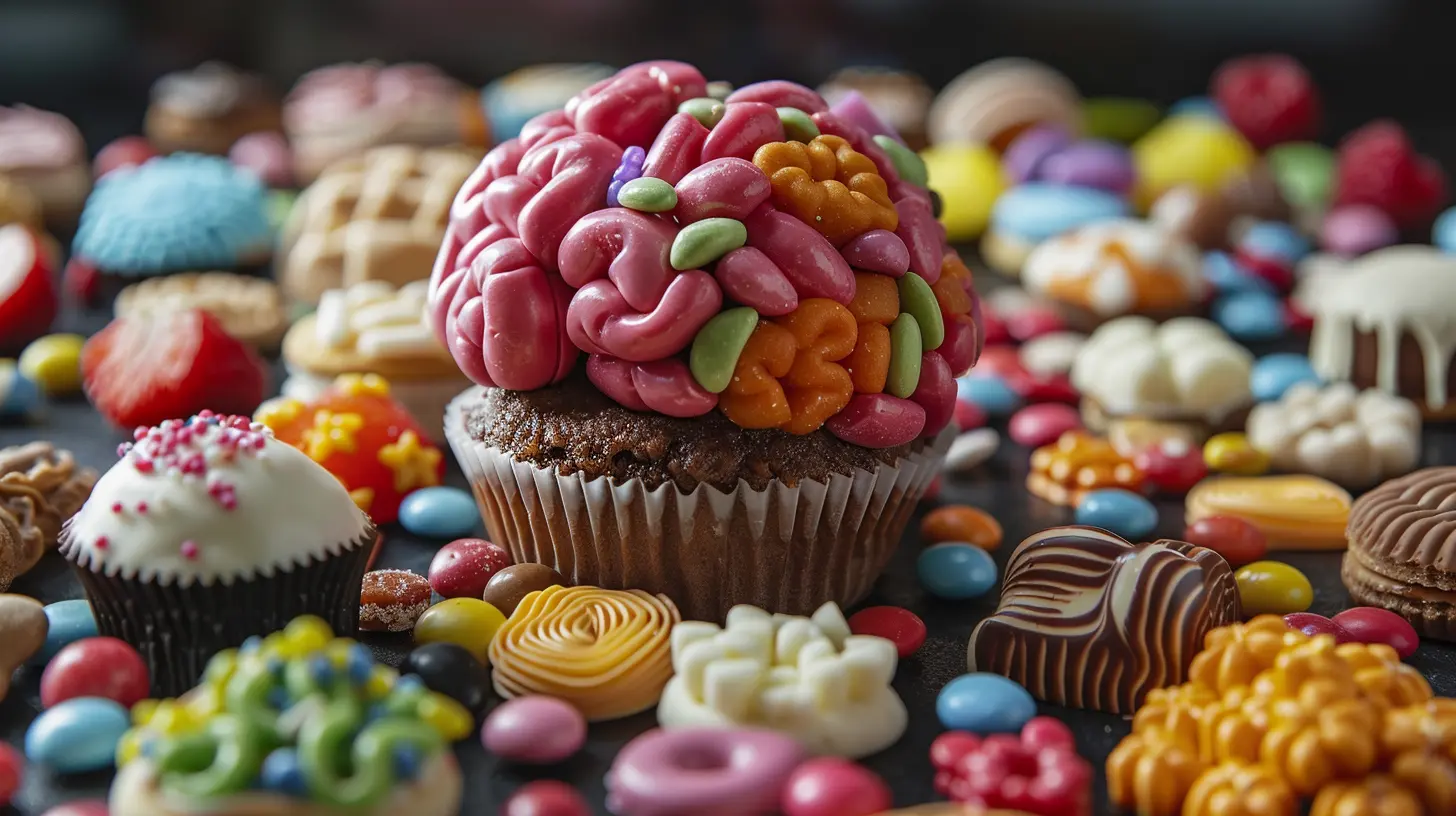
The Hidden Dangers of Sugar on Brain Function
We all know sugar isn't great for our waistline, but its impact on the brain is even more alarming. Here’s what happens when you consume too much sugar:1. Sugar Causes Brain Inflammation
Inflammation isn’t just a problem for your joints—it happens in the brain too. Excessive sugar intake leads to chronic inflammation, which has been linked to neurodegenerative diseases like Alzheimer’s. Think of it like rust on a car—it slowly eats away at the metal until it weakens. That’s exactly what sugar is doing to your brain.2. Blood Sugar Spikes and Crashes Disrupt Mental Clarity
Ever feel energetic after eating sweets, only to crash hard an hour later? That’s the sugar rollercoaster at work. When your blood sugar spikes, your brain works in overdrive. But when it crashes, so does your focus, energy, and mood.Over time, these ups and downs make it harder for your brain to function efficiently, leading to poor concentration and sluggish thinking.
3. Sugar Increases the Risk of Cognitive Decline
Studies have found that high sugar intake is linked to memory problems and an increased risk of developing dementia. Sugar damages brain cells and reduces the production of essential chemicals that protect brain function. Long story short—too much sugar ages your brain faster than time itself.
How a Sugar-Free Diet Boosts Your Brain
Now that we've covered how sugar harms the brain, let’s talk about what happens when you cut it out. Spoiler alert: your brain thrives.1. Improved Focus and Mental Clarity
Without sugar hijacking your blood sugar levels, your brain can work the way it's supposed to. No more afternoon slumps or brain fog—just steady energy and razor-sharp focus.2. Better Mood and Emotional Stability
Ever notice how a sugar binge can leave you feeling irritable or anxious? That’s because sugar messes with your neurotransmitters, particularly serotonin and dopamine. Cutting out sugar helps stabilize these mood-regulating chemicals, making you feel more balanced, calm, and happy.3. Enhanced Memory and Cognitive Function
A diet low in sugar and high in healthy fats, proteins, and veggies supports the growth of new brain cells. This means better memory, faster thinking, and lower risks of cognitive decline as you age.4. Reduced Risk of Alzheimer’s and Dementia
Some researchers even call Alzheimer’s “Type 3 Diabetes”, as there’s a strong link between sugar consumption and neurodegenerative diseases. Lowering your sugar intake can significantly reduce your risk of developing these conditions later in life.
What to Eat on a Sugar-Free Diet for Optimal Brain Health
Quitting sugar doesn’t mean you have to live on bland meals. In fact, the right foods can make you feel more alive and energized than ever.1. Healthy Fats for Brain Power
Your brain is about 60% fat, so it makes sense that healthy fats are crucial for cognitive function. Some great options include:- Avocados
- Nuts and seeds (almonds, walnuts, flaxseeds)
- Olive oil
- Fatty fish (salmon, mackerel, sardines)
- Coconut oil
2. Protein for Neurotransmitter Support
Protein helps produce essential brain chemicals like dopamine and serotonin. Great protein sources include:- Lean meats (chicken, turkey, grass-fed beef)
- Eggs
- Greek yogurt (unsweetened)
- Tofu and tempeh
- Lentils and beans
3. Complex Carbs for Steady Energy
Ditch the refined sugars and go for slow-digesting, brain-friendly carbs:- Quinoa
- Sweet potatoes
- Brown rice
- Oats
- Leafy greens
4. Brain-Boosting Vitamins and Antioxidants
Load up on foods rich in antioxidants and brain-boosting vitamins:- Blueberries (nature’s brain candy!)
- Broccoli
- Dark chocolate (at least 85% cocoa)
- Turmeric
- Green tea 
Tips to Make Your Sugar-Free Journey Easier
Quitting sugar doesn’t have to be painful. Here are some tips to make the transition smooth:1. Start by Reading Labels
Sugar hides in everything—from salad dressings to pasta sauces. Get into the habit of checking nutrition labels and avoiding anything with added sugars.2. Find Natural Alternatives
If you have a sweet tooth, opt for natural sweeteners like:- Stevia
- Monk fruit
- Raw honey (in moderation)
3. Drink More Water
Sometimes, sugar cravings are actually just dehydration in disguise. Keep a water bottle close and sip throughout the day.4. Prioritize Sleep
Lack of sleep increases sugar cravings, making it harder to stay on track. Aim for at least 7-8 hours of quality rest each night.5. Be Patient with Yourself
Breaking a sugar addiction takes time. If you slip up, don’t beat yourself up. Just get back on track and keep moving forward. Progress, not perfection!Final Thoughts
Your brain deserves better than the sugar-loaded standard diet. Cutting out sugar isn’t just about looking good—it’s about feeling sharp, focused, and mentally strong.By making the shift to a low-sugar lifestyle, you’re giving your brain the fuel it needs to thrive. So why not start today? Your future, sharper self will thank you.
all images in this post were generated using AI tools
Category:
Sugar FreeAuthor:

Eileen Wood
Discussion
rate this article
2 comments
Allegra Bowers
Great insights! Adopting a sugar-free diet can truly enhance brain health and improve overall well-being.
March 2, 2026 at 3:28 AM
Eileen Wood
Thank you! I'm glad you found the insights valuable. A sugar-free diet can indeed have significant benefits for brain health and overall wellness.
Misty Jimenez
Thank you for this insightful article! It's fascinating to see how a sugar-free diet can positively impact brain health and cognitive function. I appreciate the practical tips and research provided, which motivate me to consider healthier dietary choices for my brain.
January 30, 2026 at 5:02 AM
Eileen Wood
Thank you for your kind words! I'm glad you found the article useful and inspiring for your journey toward healthier choices.