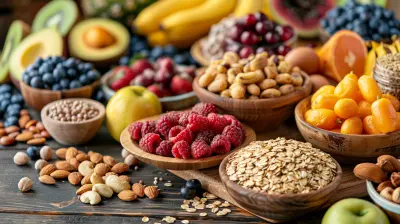
Healing with Whole Foods: A Guide to Nutritional Therapy
22 March 2026
Let’s face it. Life gets busy, and we all start relying on pre-packaged meals, sugary treats, and takeout that promises convenience but delivers a whole lot of regret. But what if your pantry and fridge held the key not just to better health—but actual healing? Yep, that’s the juicy truth behind nutritional therapy. This isn't just another dietary trend; healing with whole foods is about going back to basics and letting food actually be thy medicine (thanks, Hippocrates).
So grab a smoothie, settle in, and let’s dive into how whole foods can help you feel your absolute best—naturally.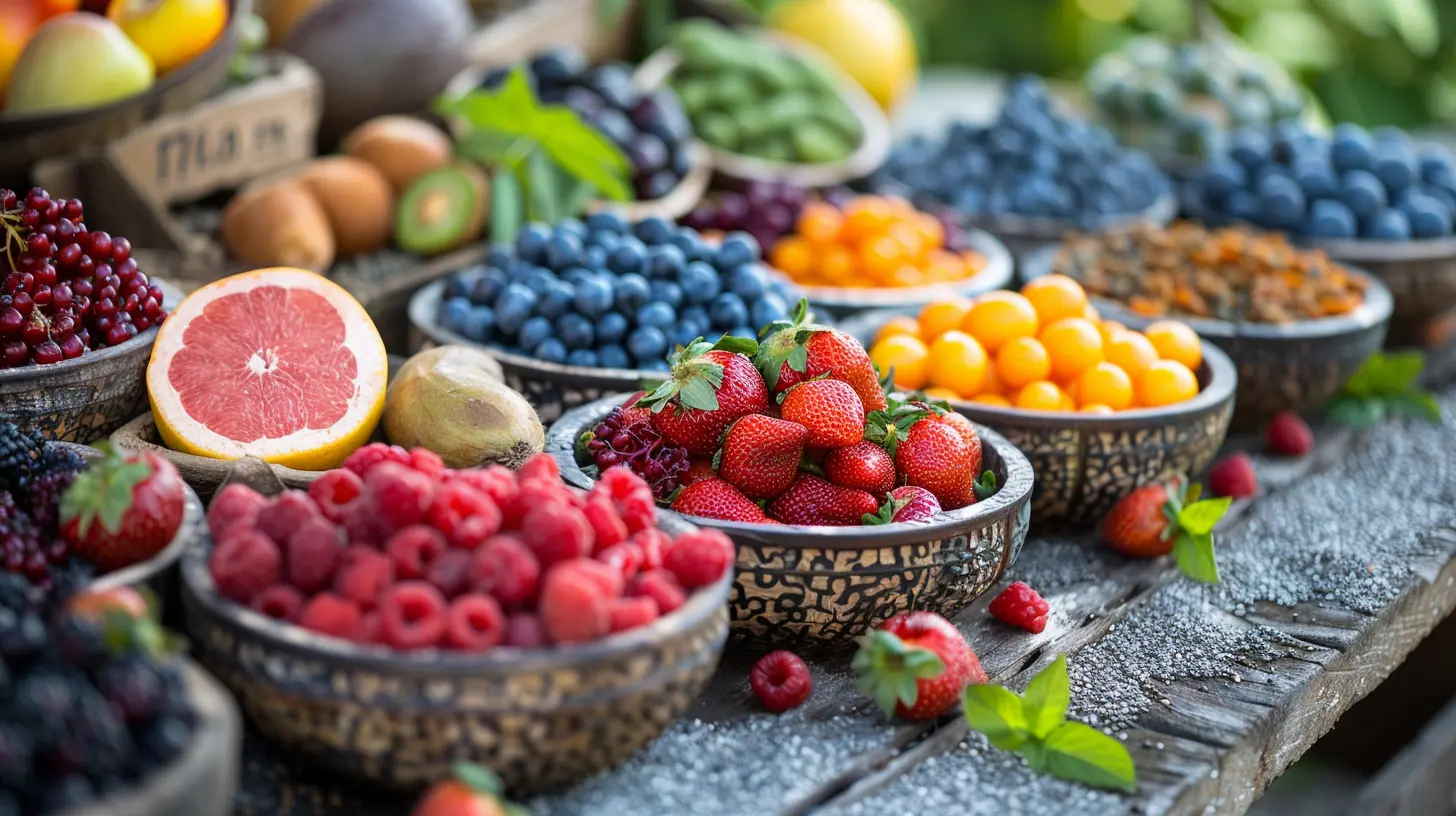
What Is Nutritional Therapy, Anyway?
Okay, fancy terms aside, nutritional therapy is simply the idea that food fuels more than just energy—it fuels healing. It's about supporting your body’s natural systems with the right nutrients. We're not just talking lettuce and carrots. Think anti-inflammatory spices, gut-friendly fermented foods, fiber-rich grains, and colorful fruits and veggies that look like a rainbow exploded in your salad bowl.Nutritional therapy focuses on eating whole, minimally processed foods to balance your body, boost your energy, support your organs, and even help prevent or manage chronic conditions.
So, think of it as your body’s tune-up—no wrench required.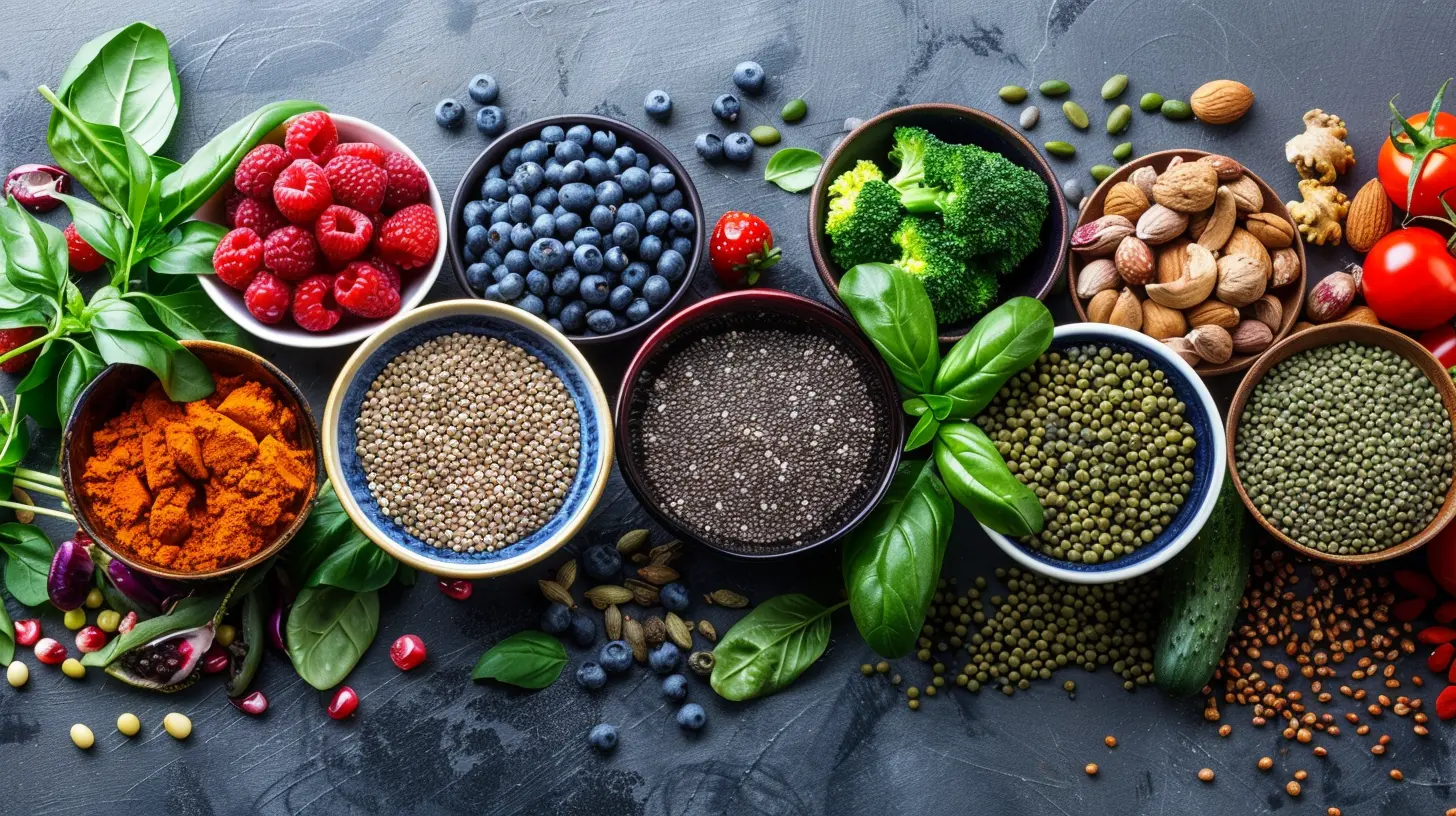
Why Whole Foods Are the MVP of Healing
Let’s talk about why whole foods are the rockstars of the nutrition world. When we say “whole foods,” we mean foods that are as close to their natural state as possible. We're not talking about anything that comes vacuum-sealed in a cardboard box with neon lettering.Here’s what makes them golden:
- No added junk: No preservatives, artificial flavors, or colors.- Nutrient-dense: They’re packed with vitamins, minerals, antioxidants, and fiber.
- Better digestion: Whole foods are easier on your gut.
- More satiety: You’ll feel fuller, longer. Goodbye, snack attacks.
Whole foods literally feed your cells with the building blocks they need to repair, detoxify, and thrive.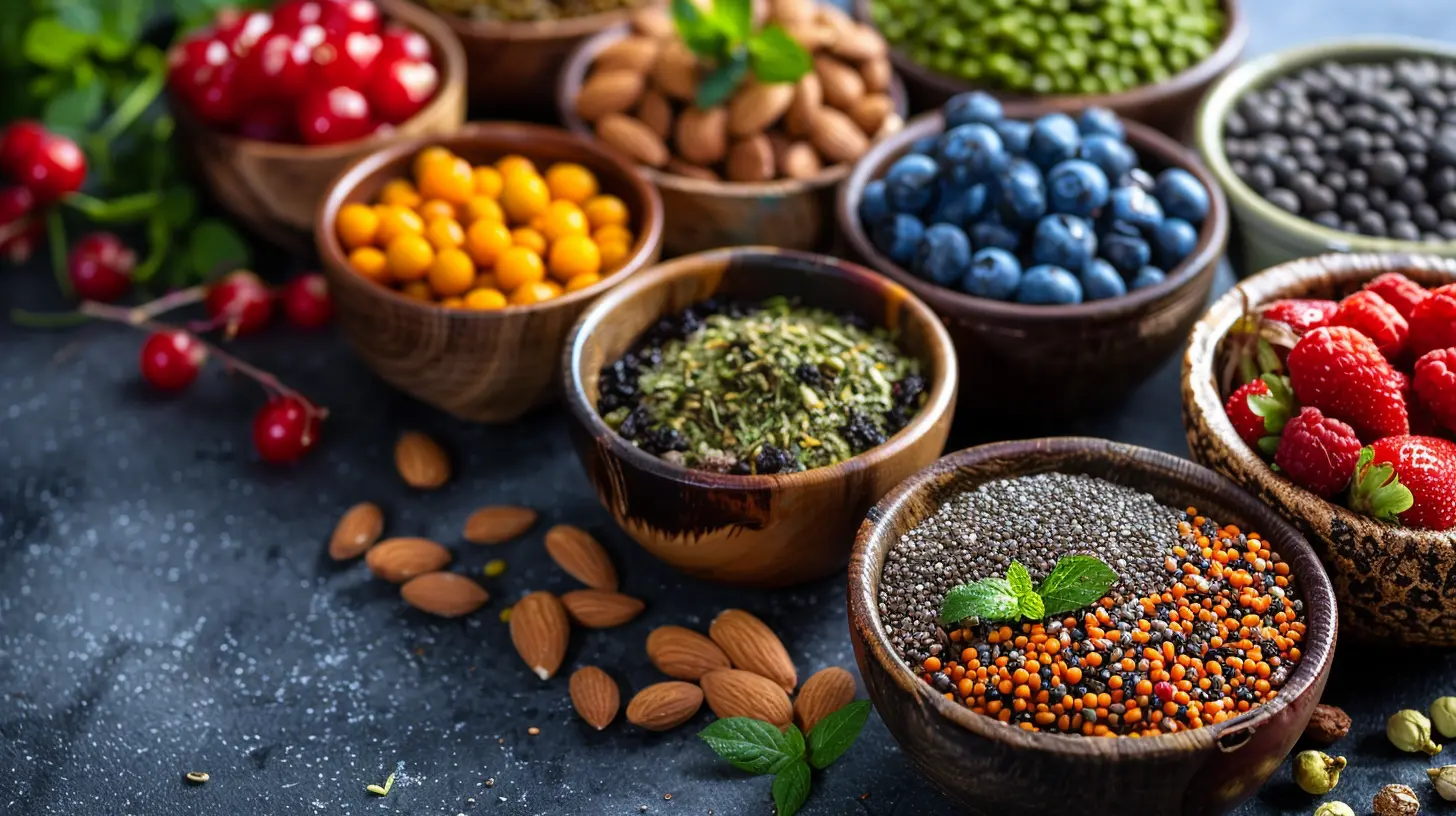
Food As Medicine: How It All Works
So how exactly can food heal you? Great question. It all boils down to how nutrients interact with your body. Nutritional therapy is personalized, meaning it focuses on what you need.For example:
- Struggling with inflammation? Omega-3 fatty acids in fatty fish, walnuts, and flaxseed can help reduce it.
- Have digestive issues? Fermented foods like kimchi or kefir can bring your gut bacteria back into balance.
- Battling low energy? Whole grains and leafy greens are rich in iron and B-vitamins to get you bouncing off the walls (in a good way!).
When you eat nutrient-rich whole foods, you’re not just preventing disease—you’re actively encouraging your body to repair itself.
The Pillars of Nutritional Therapy
Let’s break it down. Nutritional therapy focuses on several key areas. These are the pillars that support your best health.1. Balance Your Blood Sugar
Ever felt like a superhero at 9 a.m. and a zombie by lunchtime? Hello, blood sugar rollercoaster. A proper mix of protein, healthy fats, and complex carbs can stabilize your blood sugar and keep your energy steady all day.Try this: Avocado toast with a poached egg on whole grain bread = blood sugar gold.
2. Heal the Gut
Your gut is basically mission control for everything else—your immune system, mental clarity, even your mood. Nutritional therapy focuses on feeding your gut with probiotics, fiber, and anti-inflammatory foods.Gut-friendly foods: Greek yogurt, miso, sauerkraut, lentils, oats, bananas.
3. Reduce Inflammation
Chronic inflammation is like an invisible fire slowly burning through your cells. Whole foods contain powerful antioxidants and phytonutrients that act like tiny firefighters.Inflammation fighters: Berries, turmeric (hello, golden milk), leafy greens, and olive oil.
4. Support Detoxification
We’re not talking about juice cleanses here—we mean supporting your liver and kidneys with real, whole foods so they can do what they were built for.Detox-friendly foods: Broccoli, beets, garlic, green tea, lemon water.
5. Nourish with Micronutrients
Micronutrients (like vitamins and minerals) are the unsung heroes of healing. You may not think about magnesium or zinc on the daily, but your body misses them when they’re gone.Building Your Healing Plate: What to Eat
Let’s get practical. Here's how to build a plate that says, “Hey body, I’ve got your back.”🌾 Whole Grains
Think brown rice, quinoa, oats, millet. These are fiber-rich and help stabilize blood sugar.🥬 Vegetables (Lots of Them)
Aim for variety and color. Leafy greens, bell peppers, carrots, broccoli, and beets are your BFFs.🍓 Fruits
Loaded with antioxidants and natural sugars. Try mixing them into smoothies or oatmeal.🥑 Healthy Fats
Avocados, olive oil, nuts, and seeds give your brain fuel and help absorb fat-soluble vitamins.🐟 Clean Proteins
Think wild-caught salmon, organic chicken, legumes, and tofu. Protein helps repair tissues.🍵 Herbs and Spices
They’re flavor-packed and medicinal too! Turmeric, ginger, garlic, cinnamon—they’ve all got healing vibes.What to Ditch (Sorry, Not Sorry)
Alright, we can’t talk about healing foods without mentioning their evil twins: processed junk.If it has a shelf life longer than your toddler’s nap or ingredients you can’t pronounce, consider it suspicious.
Cut back on:
- Sugary sodas
- Refined white carbs
- Fast food
- Artificial sweeteners
- Trans fats
Your body will thank you—with glowing skin, better sleep, and more energy.
Sample Healing Meal Plan
Here's a sample daily meal guide using whole foods that’ll keep your body on the right track.🥣 Breakfast:
Oatmeal topped with berries, chia seeds, and a drizzle of almond butter.🥗 Lunch:
Quinoa salad with chickpeas, cherry tomatoes, spinach, cucumber, olive oil, and lemon juice.🍵 Snack:
Hummus with carrot and cucumber sticks or a handful of almonds.🍽️ Dinner:
Grilled salmon with roasted sweet potatoes and steamed broccoli. Add some turmeric and ginger for flare (and healing!).🌿 Bedtime:
Chamomile tea with a touch of honey—the ultimate wind-down drink.Tips for Making Healing with Whole Foods a Lifestyle
Healing with whole foods doesn’t have to mean hours in the kitchen or breaking the bank. Here are some tips to keep things fun, affordable, and sustainable:Meal Prep Like a Boss
Cook in batches. Having pre-chopped veggies or cooked grains on hand makes healthy eating way easier.Shop the Perimeter
Grocery stores typically keep whole foods on the outside aisles—produce, meat, dairy. The middle aisles? That’s where the processed stuff lives.Read Those Labels
If it reads like a science experiment, it's probably not whole food.Make it Fun
Try new recipes. Bring your family into it. Have a rainbow food challenge with the kids. 😉Nutritional Therapy for Specific Conditions
One of the coolest things about nutritional therapy is that it can be tailored to specific needs. Here’s how it can help manage or even improve certain health issues:🌿 For PCOS or Hormonal Imbalance:
Include foods rich in omega-3s, zinc, and fiber. Think flaxseed, pumpkin seeds, leafy greens, and wild-caught fish. Say goodbye to processed sugar—it’s a mood-swing magnet.💓 For Heart Health:
Focus on anti-inflammatory foods and healthy fats. Oats, garlic, green leafy veggies, and olive oil are heart’s besties.🧠 For Brain Fog or Fatigue:
Load up on B vitamins and iron. Eggs, lentils, and leafy greens to the rescue.🦴 For Joint Pain:
Try turmeric, ginger, berries, and fish. They’re natural anti-inflammatories.But Wait, Is Nutritional Therapy a Replacement for Medicine?
Not quite. Nutritional therapy complements traditional medicine—it doesn’t replace it. Always consult your doc or a certified nutritionist for serious health issues. But adding nutrient-rich foods to your life? That’s a no-brainer.Final Thoughts: Your Healing Journey Starts Here
Let’s be real—healing with whole foods isn’t about being perfect. It’s about being intentional. Start by adding more of the good stuff into your diet. You’ll soon find that your cravings change, your energy spikes, and your belly will thank you for not being a constant war zone.Food can—and does—heal. It’s not hype, it’s science with a side of delicious. Whether you’re dealing with health issues or just trying to feel better day-to-day, swapping out processed stuff for whole foods is one of the most powerful steps you can take.
So, are you ready to let your fork be your first line of defense?
Your body’s cheering you on.
all images in this post were generated using AI tools
Category:
Holistic HealingAuthor:

Eileen Wood
Discussion
rate this article
2 comments
Pamela McGrady
Excited to explore whole foods for healing and wellness!
April 11, 2026 at 4:52 PM
Eileen Wood
Thank you! Exploring whole foods can greatly enhance your healing journey. Enjoy the process!
Skylar Erickson
Thank you for this insightful article! Your tips on using whole foods for healing are both practical and inspiring. Looking forward to implementing these ideas in my diet!
March 23, 2026 at 4:49 AM
Eileen Wood
Thank you for your kind words! I'm glad you found the article helpful. Wishing you all the best on your healing journey with whole foods!