Ditching the Comparison Trap: Finding Peace with Your Body
19 August 2026
Ever look in the mirror and sigh? Or maybe you scroll through Instagram and suddenly feel like you're not enough? Yeah, we've all been there. Comparison is sneaky. It creeps in when you're just trying to mind your own business, making you question your worth based on someone else’s highlight reel.
But here's the truth bomb: comparing yourself to others doesn't lead to self-love—it leads to self-doubt. It’s like trying to win a race where the finish line keeps moving. This article is your permission slip to step off that exhausting treadmill and start embracing your own body, just as it is.
Let’s talk about how to break free from the comparison trap and finally find peace with your body. Ready for a mental detox? Let’s dive in.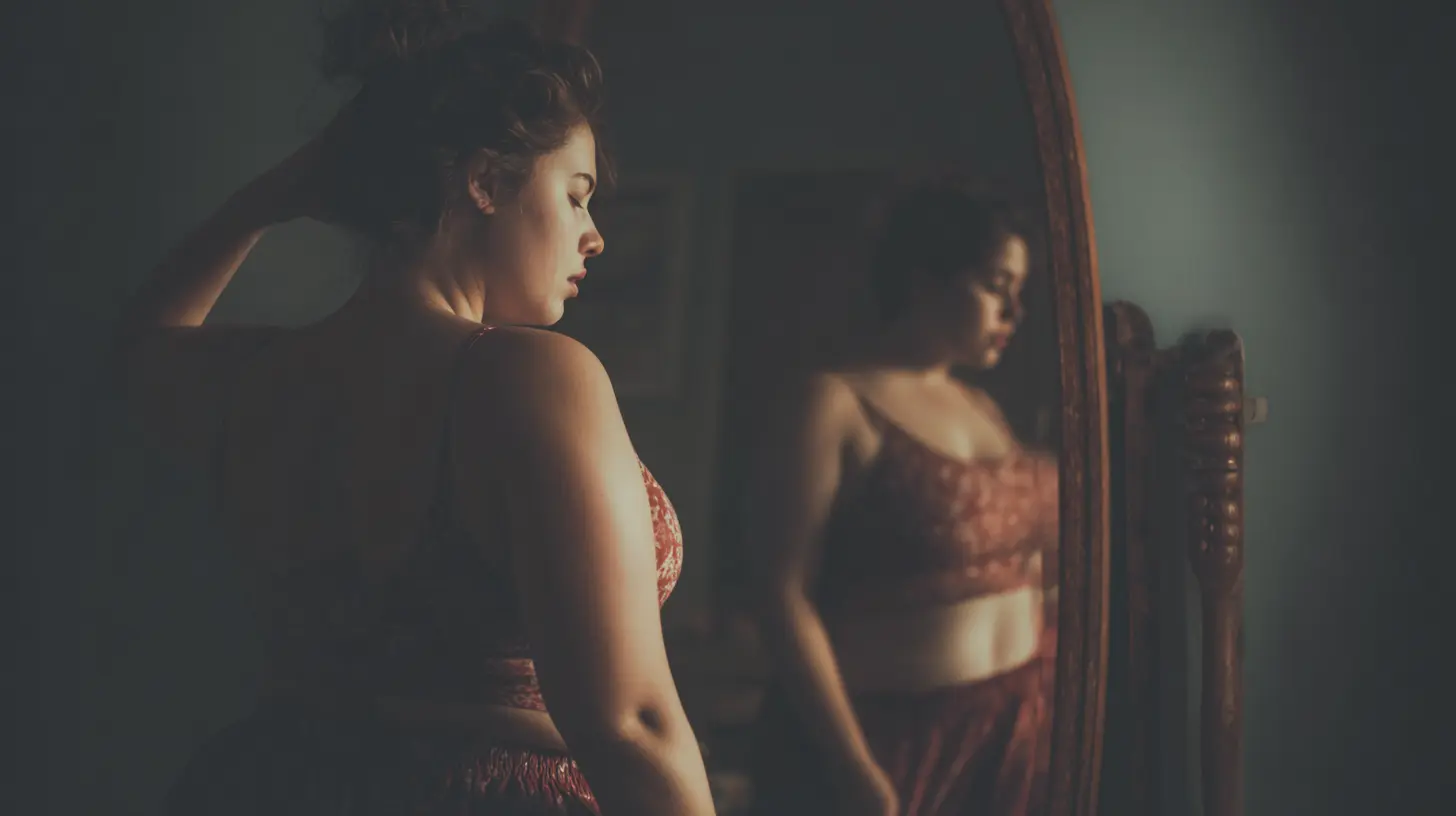
What Is the Comparison Trap, Really?
The comparison trap is exactly what it sounds like—a mental snare that tricks you into measuring your worth by comparing yourself to someone else. It's especially dangerous when it comes to body image. Whether it's a super-fit influencer, a friend who dropped 20 pounds, or even a magazine cover, we’re bombarded with bodies that look nothing like ours.And here’s the kicker: most of those bodies aren’t even real. They're filtered, posed, photoshopped, and sometimes surgically enhanced. So we’re comparing ourselves against illusions—and punishing ourselves for not measuring up.
How unfair is that?
Why Do We Compare Ourselves to Others?
Human brains are wired for survival. Back in the caveman days, comparison was useful: “He runs faster—maybe I should follow him from that lion.” But flash forward to the social media age, and the same instinct now tells us, “She looks better in a bikini—I must be failing.”Our brains haven't caught up to the fact that we’re no longer hunting woolly mammoths. Social media, advertising, and even peer pressure feed our insecurities daily. We start thinking thin = success, abs = attractiveness, cellulite = failure.
That mindset? Totally toxic.
The Real Cost of Constant Comparison
Comparison doesn’t just make you feel bad—it warps your entire view of self-worth.Here’s what it can lead to:
- Low self-esteem: You start feeling like you’re never good enough.- Disordered eating: Diet culture thrives on comparisons and ‘quick fixes’.
- Mental health struggles: Anxiety, depression, and body dysmorphia often follow.
- Social withdrawal: You avoid beach days or wearing certain outfits because "your body isn’t good enough."
It turns our bodies into battlegrounds instead of homes.
Let’s Get Real: No One’s Body Is Perfect
Seriously, no one. Even the people you think have "perfect bodies" are often struggling behind the scenes. They have insecurities too, even if they don't show them.Think about it: the spotlight doesn’t guarantee self-love. Models, actors, influencers—they often face even more pressure to look a certain way. And guess what? Many of them are comparing themselves too. It's a vicious cycle, and no one wins.
So if no one actually feels perfect, why chase perfection?
10 Healthy Ways to Escape the Comparison Trap
Now that we’ve called out the problem, let’s get to the solution. Here are ten powerful ways to ditch the comparison trap and finally make peace with your body.1. Unfollow, Unfriend, Mute
If your feed is full of people who make you feel lousy about your body, it's okay to hit that unfollow button. Curate your digital space with content that uplifts, not tears down. Follow body-positive accounts that reflect real diversity.2. Practice Daily Body Gratitude
Your body does amazing things every day. It walks, breathes, hugs, dances, digests, laughs! Start a gratitude journal and every morning write one thing your body did for you. Shifting focus from how it looks to what it does is game-changing.3. Talk to Yourself Like a Friend
Would you tell your best friend she looks terrible in those jeans? Nope. So don’t say it to yourself. Replace your inner critic with a cheerleader. Your thoughts matter—they shape your reality.4. Limit Social Media Time
Set daily screen time limits. Even just an hour less scrolling can drastically improve mental clarity and reduce negative self-talk. Bonus: you’ll reclaim time for hobbies, movement, or actual face-to-face conversations.5. Wear Clothes That Make You Feel Good
Forget trends. Wear what feels comfortable, what makes you feel confident. Your closet shouldn’t be a punishment zone. Watch how wearing the right outfit can lift your entire mood.6. Find Joyful Movement
Exercise for joy, not punishment. Dance, swim, bike, stretch, walk with a friend—do what makes your body feel ALIVE, not exhausted or miserable. Ditch the scale and focus on how movement makes you feel.7. Surround Yourself with Supportive People
Build a tribe that celebrates you as you are. Friends who uplift > friends who judge. Your community plays a big role in how you see yourself, so choose wisely.8. Embrace Body Neutrality
You don’t have to love your body 24/7. Some days are hard. Body neutrality encourages simply accepting your body without judgment. It’s about co-existing peacefully—not forcing positivity all the time.9. Challenge the Beauty Standards
Ask yourself: who profits from me feeling insecure? The diet industry? Fashion giants? Think critically about messages you consume. Once you see the system, it's empowering to step outside it.10. Talk to a Therapist
Sometimes the comparison trap runs deep, especially if it’s been decades in the making. There’s no shame in reaching out for professional help. Therapy can help unravel those thought patterns and build a healthier mindset.Rewriting Your Inner Narrative
Here’s a little secret: your relationship with your body begins and ends with you. Not with a mirror, not with likes on a post, not with a number on a scale.What if, instead of tearing yourself apart, you wrote a new story? One where you are the hero—not for looking a certain way, but for showing up with courage, day after day.
Start small. Compliment yourself. Stand tall. Say “thank you” to your body. Let your inner dialogue be rooted in compassion, not criticism.
What Peace with Your Body Really Looks Like
Peace doesn’t mean you’ll never have another insecure day. It means you’re not ruled by those moments anymore.It’s wearing shorts without obsessing over your thighs.
It’s taking a photo without needing to edit your waist.
It’s eating birthday cake without guilt.
It’s showing up fully in your life, regardless of your size.
Peace isn't a final destination—it’s a practice. A choice you make each day, sometimes every hour. And the more you practice, the louder the peace grows and the quieter the comparison becomes.
The Ripple Effect of Body Acceptance
Here’s the beautiful part: when you make peace with your body, you inspire others to do the same. It becomes contagious. Your kids, your friends, your community—they start seeing body diversity as normal, healthy, and worth celebrating.You’re not just healing yourself. You’re helping shift the culture.
Final Thoughts
Ditching the comparison trap isn’t easy. It’s something most of us have been conditioned to do since childhood. But the good news? You can unlearn it. You can reclaim your self-worth, redefine beauty, and start treating your body with the respect and kindness it deserves.So the next time you catch yourself spiraling into comparison, hit pause. Breathe. Remind yourself: your body is not a problem to be solved. It’s a gift to live in.
And you, just as you are, are enough.
all images in this post were generated using AI tools
Category:
Body PositivityAuthor:

Eileen Wood
Discussion
rate this article
1 comments
Blaze McFadden
This article offers valuable insights on embracing body positivity. Letting go of comparisons can truly transform how we view ourselves and foster self-acceptance.
August 20, 2026 at 3:12 AM
Eileen Wood
Thank you for your thoughtful comment! I'm glad you found the insights valuable. Embracing body positivity is such an important journey.