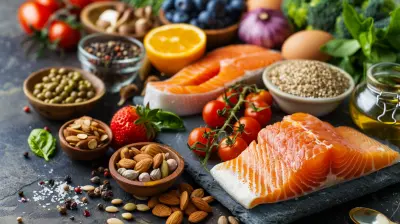
Creating a Positive Relationship with Food and Body
7 August 2026
Introduction
Do you ever find yourself stuck in a cycle of guilt, stress, or frustration when it comes to food and your body? You're not alone. For many people, eating isn't just about nourishment—it's tied to emotions, habits, and deep-seated beliefs about body image.
But what if you could break free from the struggle and create a healthy, positive relationship with food and your body? Imagine enjoying meals without guilt, accepting your body with kindness, and feeling empowered rather than restricted. Sounds pretty amazing, right?
In this article, we’ll dive into practical ways to heal your mindset around food and body image so you can build a healthier, more balanced approach to eating and self-care.
Understanding Your Relationship with Food
Before you can change your relationship with food, it's important to understand where you currently stand. Do you categorize food as "good" or "bad"? Do you eat based on emotions rather than hunger? Do you feel guilty after eating certain foods?Many of us develop these thought patterns over time due to diet culture, societal pressures, or past experiences. But the truth is, food isn’t your enemy—it’s your ally. It fuels your body, supports your energy levels, and brings joy when shared with loved ones.
Why Diet Culture Can Be Harmful
Diet culture tells us we need to obsess over calories, cut out entire food groups, and shrink our bodies to be worthy. This mindset leads to restriction, binge-eating cycles, and an unhealthy focus on external appearance rather than overall well-being.The problem? It disconnects us from our bodies and their natural hunger and fullness cues. Instead of listening to what your body needs, diet culture conditions you to rely on unrealistic rules.
The good news? You can unlearn these harmful beliefs and embrace a healthier, more intuitive approach to eating.
Shifting to Intuitive Eating
One of the best ways to create a healthier relationship with food is through intuitive eating—a philosophy that encourages you to listen to your body's natural cues instead of following rigid food rules.Key Principles of Intuitive Eating
1. Honor Your Hunger – Eat when you’re hungry, and nourish your body with what it wants and needs.2. Ditch the Diet Mentality – Say goodbye to fad diets and food restrictions that make eating stressful.
3. Make Peace with Food – No food is "off-limits." Enjoy everything in moderation without guilt.
4. Feel Your Fullness – Learn to recognize when you're satisfied and respect your body’s signals.
5. Find Satisfaction in Eating – Eat foods you truly enjoy, rather than what you think you “should” be eating.
By practicing intuitive eating, you regain control over your food choices in a way that feels natural and balanced.
Healing Your Relationship with Your Body
Just like food, your body deserves kindness and respect. But in a world that constantly pushes unrealistic beauty standards, it's easy to feel like you're not enough.Here’s the truth: Your worth isn’t determined by your body size. You are valuable, just as you are. Learning to appreciate and care for your body is a game-changer for mental and physical well-being.
How to Cultivate Body Positivity
1. Challenge Negative Thoughts
Start noticing the way you talk to yourself. Would you say those things to a friend? If not, it's time to reframe your inner dialogue with more kindness.2. Focus on What Your Body Can Do, Not How It Looks
Your body is incredible—it allows you to walk, dance, hug, and experience life. Shift the focus from appearance to function, and celebrate what your body does for you every day.3. Surround Yourself with Positive Influences
Unfollow social media accounts that promote unrealistic beauty standards, and seek out body-positive influencers who make you feel good about yourself.4. Wear Clothes That Make You Feel Comfortable
Your body isn’t the problem—ill-fitting clothes are! Choose outfits that make you feel confident and comfortable, regardless of trends or sizes.5. Practice Gratitude for Your Body
Every day, list a few things you’re grateful for about your body. Maybe it’s how strong your legs are, or how your smile brightens someone’s day. Small shifts in perspective can make a big difference.
Breaking Free from Guilt Around Food
Food should be enjoyable—not a source of stress. However, if you often feel guilty after eating certain foods, it's time to challenge that mindset.Tips to Overcome Food Guilt
- Remember that all foods fit – There's no such thing as "bad" food. Nutrition is about balance, not perfection.- Tune into your cravings – Depriving yourself only leads to stronger cravings. Allow yourself to enjoy treats in moderation.
- Give yourself permission to eat – You don’t need to “earn” food by working out or being "good" all week. Your body deserves nourishment always.
- Stop labeling foods as "cheat meals" – Food isn’t something you need to cheat on. It’s meant to nourish and satisfy you.
When you remove guilt from the equation, food becomes a source of joy and nourishment rather than stress and shame.
Prioritizing Self-Care and Well-Being
Feeling good in your body isn’t just about food—it’s about overall self-care. Taking care of your mental and physical health plays a key role in fostering a positive body image.Ways to Show Your Body Love
- Move in ways that feel good – Exercise shouldn’t be punishment. Find activities you enjoy, whether it’s dancing, walking, or yoga.- Get enough rest – Your body needs sleep to function at its best. Prioritize rest just as much as nutrition.
- Stay hydrated – Water keeps your body energized and supports digestion, skin health, and overall well-being.
- Practice mindfulness – Meditation, journaling, or deep breathing can help you reconnect with yourself and reduce stress.
- Treat yourself with kindness – Self-compassion is key. No one is perfect, and that’s okay!
By focusing on self-care rather than external appearance, you start to appreciate your body for how it feels—not just how it looks.
Final Thoughts
Creating a positive relationship with food and your body is a journey, not a destination. It takes time, patience, and self-compassion. But every step you take toward kindness, balance, and self-acceptance brings you closer to feeling truly at peace with yourself.Remember—food is meant to be enjoyed, and your body is meant to be loved. You are worthy, just as you are.
So next time you look in the mirror, instead of criticizing yourself, try offering words of kindness. And when you sit down for a meal, savor every bite without guilt. Because you deserve to nourish yourself—physically, emotionally, and mentally.
all images in this post were generated using AI tools
Category:
Body PositivityAuthor:

Eileen Wood
Discussion
rate this article
1 comments
Orionyx Heath
This article offers great insights into fostering a healthy mindset. Small changes can make a big difference.
August 8, 2026 at 4:44 PM
Eileen Wood
Thank you! I'm glad you found the insights helpful. Small changes really can lead to a more positive relationship with food and body.