Common Fitness Beliefs That Are Scientifically Inaccurate
13 November 2026
In the world of fitness, many beliefs circulate that often lack scientific backing. While some ideas in fitness have merit, others can lead to confusion or even harm if followed blindly. This article will dissect several prevalent misconceptions about fitness, providing clarity and insights based on scientific principles and real-world observations.
Myth 1: Cardio is the Best Way to Lose Weight
Understanding the Cardio Craze
Many fitness enthusiasts believe that spending hours on a treadmill or elliptical is the most effective way to shed pounds. While aerobic exercise does burn calories, it is not the sole key to weight loss.The Science of Weight Loss
Weight loss fundamentally boils down to a calorie deficit-burning more calories than you consume. Cardio can certainly help with this, but it is not the only method. Strength training, for instance, can increase muscle mass, which in turn boosts your resting metabolic rate, allowing you to burn more calories even at rest.Practical Advice
Incorporating a balanced fitness routine that includes both cardio and strength training is often the best approach. For those looking to lose weight, focus on a well-rounded program that combines these elements. Consider high-intensity interval training (HIIT) as well; it can be an efficient way to burn calories in a shorter amount of time.
Myth 2: You Need to Stretch Before Every Workout
The Stretching Debate
It is commonly believed that you should always stretch before exercising to prevent injuries. However, the effectiveness of static stretching (holding a stretch) before workouts is questionable.When to Stretch
Research suggests that static stretching before strength training or high-intensity workouts may decrease performance. Instead, dynamic stretching, which involves active movements that prepare your muscles and joints for exercise, is generally more effective as a warm-up.Best Practices
Consider incorporating dynamic stretches into your pre-workout routine. Movements like leg swings, arm circles, and walking lunges get your blood flowing and prepare your body for action without the drawbacks of static stretching.
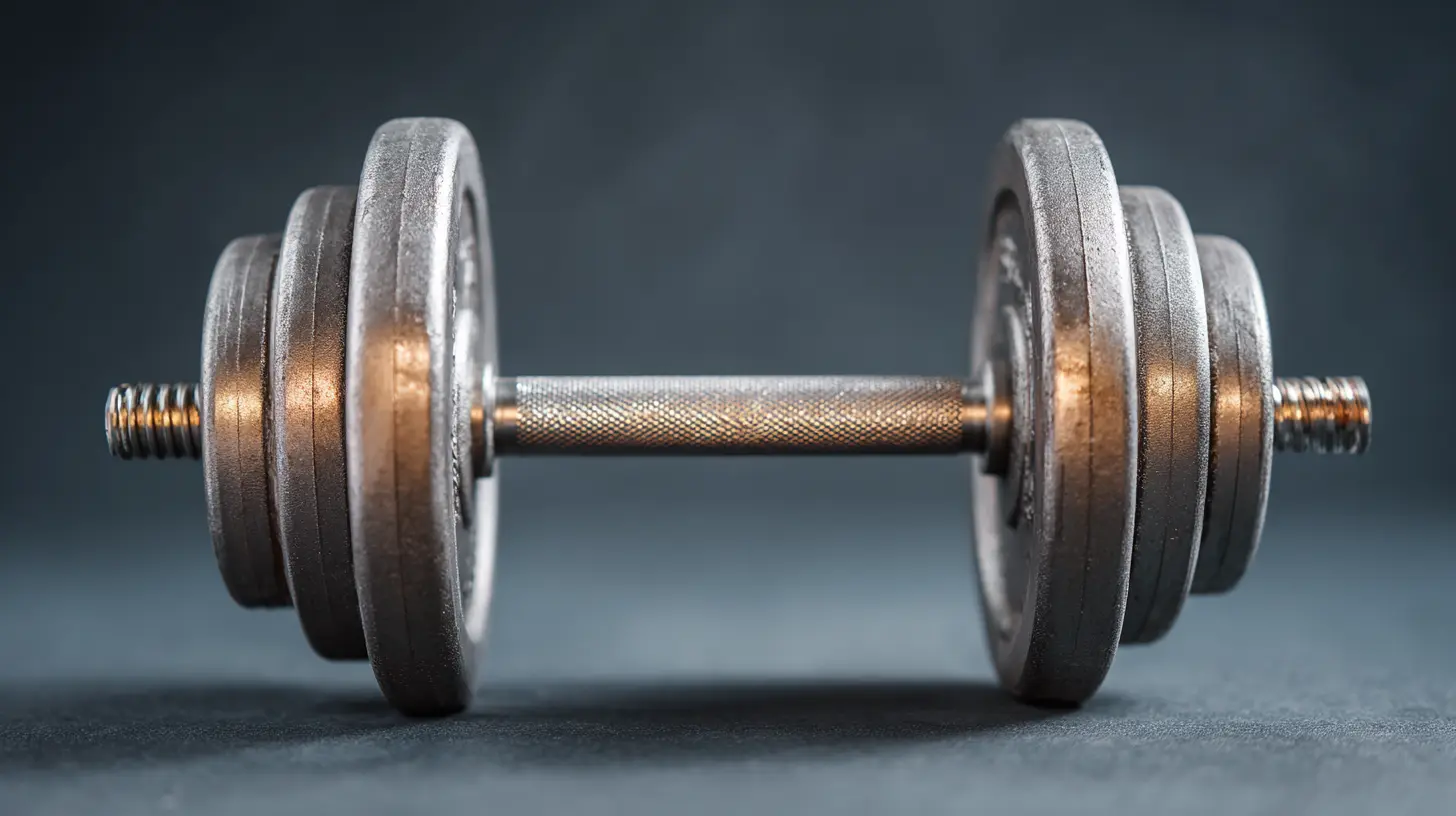
Myth 3: Lifting Weights Will Make You Bulky
The Bulk Myth
For many, the fear of becoming overly muscular can deter them from weight training. This belief is especially common among women, who often worry that lifting weights will lead to a bulky appearance.The Truth About Muscle Growth
Gaining significant muscle mass requires a specific combination of heavy lifting, sufficient calorie intake, and often, a genetic predisposition. Most people, especially women, do not produce enough testosterone to bulk up easily.Weight Training Recommendations
Instead of fearing the weights, embrace them. Strength training has numerous benefits, including improved metabolism, enhanced athletic performance, and better bone density. Focus on a program that works for you, combining light, moderate, and heavy weights across different workouts.
Myth 4: Spot Reduction is Possible
The Spot Reduction Fallacy
The idea that you can lose fat in specific areas of the body through targeted exercises is widespread. Many people think that doing countless crunches will eliminate belly fat, but this is not how the body works.Understanding Fat Loss
Fat loss occurs throughout the body as a result of an overall calorie deficit and cannot be targeted. Genetics play a significant role in where your body stores and loses fat.Effective Approaches
To reduce body fat, focus on overall fitness and nutrition. A combination of cardio, strength training, and a balanced diet can help you achieve your goals. Instead of obsessing over specific areas, prioritize total-body workouts and a healthy lifestyle.Myth 5: You Must Exercise Every Day
The Daily Grind
A common belief is that to see results, you need to work out every single day. While consistency is important, this does not mean daily exercise is necessary or beneficial.Importance of Recovery
Rest days are critical for recovery and muscle growth. Overtraining can lead to fatigue, decreased performance, and increased risk of injury.Finding Balance
Aim for a balanced workout schedule that includes rest days. Most fitness guidelines recommend at least one to two days of rest per week, depending on your intensity and training volume. Listen to your body and prioritize recovery as part of your fitness journey.
Myth 6: All Calories are Created Equal
The Calorie Misconception
The idea that a calorie is just a calorie oversimplifies a complex topic. While it is true that weight loss relies on calorie balance, the quality of those calories matters significantly.Nutritional Value
Different foods provide varying benefits. For example, 100 calories from a sugary snack do not have the same nutritional value as 100 calories from fruits or vegetables. The latter offers essential vitamins, minerals, and fiber that contribute to overall health.Smart Eating Choices
Focus on a diet rich in whole foods-fruits, vegetables, lean proteins, and whole grains. This type of diet not only supports weight loss but also promotes better health and well-being. Quality should be a key consideration alongside quantity.Myth 7: You Have to Sweat to Get a Good Workout
The Sweat Fallacy
Many people believe that if you are not sweating, you are not working hard enough. This belief can lead to unnecessary stress and even discourage individuals from engaging in less intense but still effective activities.Understanding Sweat
Sweating is not an accurate indicator of workout effectiveness or calorie burn. Factors like environment, hydration levels, and individual physiology affect how much you sweat.Focusing on Effectiveness
Instead of relying on sweat as a measure of workout quality, focus on your heart rate and perceived exertion. Engage in activities that challenge you and align with your fitness goals, regardless of how much you sweat.
Myth 8: Supplements are Necessary for Optimal Health
The Supplement Trap
With the rise of the supplement industry, many believe that taking various pills and powders is essential for health and fitness. However, this is not universally true.Whole Foods First
Most health experts agree that a balanced diet rich in whole foods is generally sufficient for most individuals. Supplements can be beneficial in specific cases, such as for those with deficiencies, but they should not replace a healthy diet.Making Informed Choices
If you consider taking supplements, consult with a healthcare professional to assess your specific needs. Focus on obtaining nutrients from whole foods first, and use supplements only as an adjunct to a balanced diet.Conclusion
In the fitness realm, distinguishing fact from fiction is crucial for achieving your health goals. Embracing a balanced approach that combines a variety of exercises, prioritizes recovery, and emphasizes nutrition over supplementation can lead to sustainable success. Remember to question common beliefs, rely on science-based information, and listen to your body as you navigate your fitness journey.Emphasizing quality over quantity in both exercise and nutrition will serve you better than adhering to outdated myths.
all images in this post were generated using AI tools
Category:
Health MythsAuthor:

Eileen Wood