Can Probiotics Help Reduce Bloating and Gas?
4 April 2026
Feeling bloated and gassy? You're not alone. Many people struggle with these digestive discomforts, often caused by poor gut health, diet, or even stress. But could probiotics be the answer?
Probiotics have gained massive popularity in recent years, touted for their ability to support digestion and overall gut health. But do they actually help with bloating and gas? Let’s dive into the science and see if these "good bacteria" are the digestive superheroes they're claimed to be. 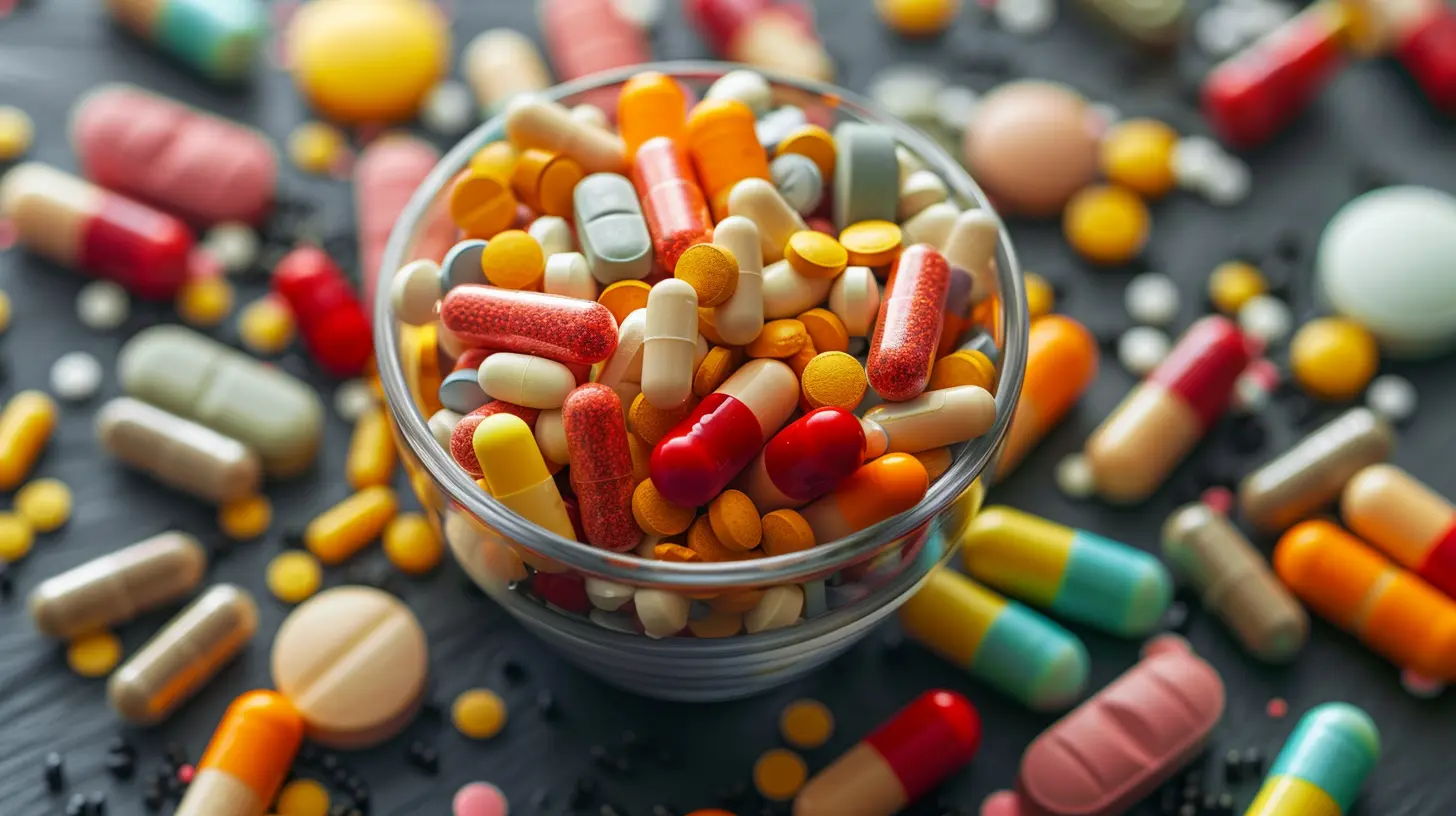
What Causes Bloating and Gas?
Before we talk about probiotics, it's important to understand what leads to bloating and excess gas. Several factors can contribute to these uncomfortable digestive issues:1. Imbalance of Gut Bacteria
Your gut is home to trillions of bacteria, both good and bad. If the harmful bacteria outweigh the beneficial ones, it can lead to digestive problems, including excessive gas and bloating.2. Poor Digestion
When food isn’t digested properly, it ferments in the gut, causing gas buildup. This can happen due to enzyme deficiencies, food intolerances, or simply eating too quickly.3. High-Fiber Foods
While fiber is crucial for gut health, suddenly increasing your fiber intake or consuming certain fiber-rich foods (like beans, broccoli, or cabbage) can produce excessive gas.4. Dairy Intolerance
People who are lactose intolerant lack the enzyme needed to break down lactose, leading to fermentation in the gut and, you guessed it—bloating and gas.5. Swallowing Air
Chewing gum, drinking carbonated beverages, or eating too fast can cause you to swallow excess air, which then gets trapped in your digestive system.
How Probiotics Work in the Gut
Probiotics are live bacteria and yeasts that offer various health benefits, especially for digestion. They help maintain a healthy balance of gut flora, which is essential for breaking down food and preventing digestive discomforts like gas and bloating.But how exactly do they work?
- Restoring Gut Balance – Probiotics introduce beneficial bacteria into your gut, helping to crowd out harmful microbes that contribute to bloating and gas.
- Enhancing Digestion – Certain probiotic strains produce digestive enzymes that help break down complex carbs, proteins, and fats, reducing the chance of fermentation and gas buildup.
- Reducing Inflammation – Some probiotics have anti-inflammatory effects, soothing the gut lining and preventing excessive bloating caused by irritation. 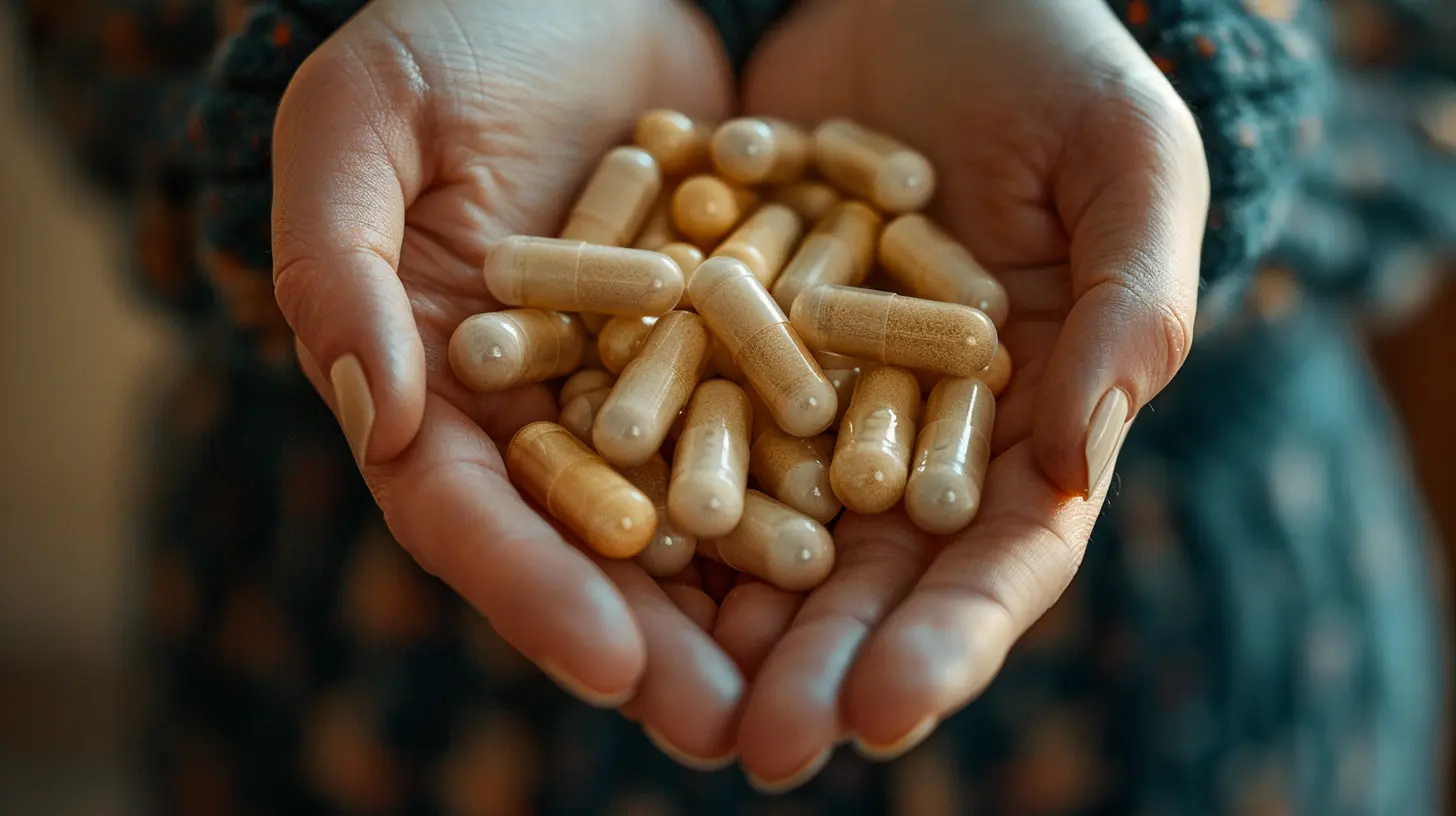
Can Probiotics Reduce Bloating and Gas?
Yes—probiotics can help, but the effectiveness depends on the type of probiotic, the cause of your bloating, and your overall gut health.1. Probiotics Can Reduce Gas-Producing Bacteria
An overgrowth of harmful bacteria in your intestines can cause fermentation, leading to gas. Probiotics help balance the gut microbiome, reducing the number of gas-producing microbes.2. Certain Probiotic Strains Aid Digestion
Not all probiotics are created equal. Some strains are particularly beneficial for reducing bloating and gas:- Lactobacillus acidophilus – Helps break down lactose, great for those with mild dairy intolerance.
- Bifidobacterium infantis – Reduces bloating and gas, especially in people with Irritable Bowel Syndrome (IBS).
- Lactobacillus plantarum – Helps digest complex carbohydrates, preventing fermentation in the gut.
3. They Improve Gut Motility
Sometimes bloating occurs when food moves too slowly through the digestive tract. Probiotics can help stimulate gut motility, ensuring food is processed efficiently and gas doesn’t get trapped.
Choosing the Right Probiotic for Bloating
With so many probiotic supplements on the market, how do you choose the right one? Here’s what to look for:1. Opt for Multi-Strain Probiotics
Different probiotic strains have different effects. A multi-strain probiotic will give you a broader range of benefits.2. Check the CFU Count
CFU (Colony-Forming Units) refers to the number of live bacteria in the probiotic. For digestive benefits, aim for a supplement with at least 10–50 billion CFUs per serving.3. Choose a High-Quality, Shelf-Stable Product
Some probiotics require refrigeration, while others are shelf-stable. If you’re always on the go, opt for a brand that guarantees live cultures without refrigeration.4. Look for Prebiotics Too
Prebiotics are food for probiotics. A probiotic supplement with added prebiotics (such as inulin or FOS) can boost their effectiveness.Natural Sources of Probiotics
If you prefer getting your probiotics from food rather than supplements, here are some delicious natural sources:1. Yogurt
A well-known probiotic powerhouse, yogurt contains live bacterial cultures that support gut health. Make sure to choose varieties with live and active cultures.2. Kefir
This fermented milk drink is packed with probiotics and has more bacterial strains than regular yogurt.3. Sauerkraut
Fermented cabbage offers both probiotics and fiber, making it a dual powerhouse for digestion.4. Kimchi
A spicy Korean dish made from fermented vegetables, kimchi is loaded with healthy bacteria.5. Kombucha
This fizzy fermented tea contains probiotics and organic acids that support digestion.6. Miso & Tempeh
Both are fermented soybean products, commonly used in Japanese cuisine, and are great sources of gut-friendly bacteria.How Long Does It Take for Probiotics to Work?
The million-dollar question! While some people notice improvements within a few days, for most, it takes 2 to 4 weeks of consistent use to see a significant reduction in bloating and gas. Gut microbiome changes don’t happen overnight, so patience is key.Are There Any Side Effects?
For most people, probiotics are safe, but some experience mild side effects when they first start taking them, including:- Temporary bloating or gas as your gut adjusts.
- Minor stomach discomfort.
- Changes in bowel movements (e.g., looser stools initially).
These symptoms are usually short-lived and should go away as your gut adapts to the new bacteria. If side effects persist, consider lowering the dose or trying a different strain.
Additional Tips to Prevent Bloating and Gas
While probiotics can help, they’re not a magic fix. Here are some additional strategies to keep bloating at bay:- Eat Slowly – Chew thoroughly and avoid swallowing excess air.
- Limit Carbonated Drinks – Soda and sparkling water can contribute to bloating.
- Avoid Overeating – Eating large meals can overwhelm digestion.
- Stay Hydrated – Drinking enough water supports digestion and prevents constipation.
- Manage Stress – High stress levels can negatively affect gut health and digestion.
Final Thoughts
So, can probiotics help reduce bloating and gas? The answer is a resounding yes, but only if you choose the right strains and take them consistently. Since gut health varies from person to person, some trial and error might be needed to find the best probiotic for you.Remember, probiotics work best when combined with a healthy diet and lifestyle. So, if bloating and gas have been cramping your style, consider giving probiotics a shot—your gut will thank you!
all images in this post were generated using AI tools
Category:
ProbioticsAuthor:

Eileen Wood
Discussion
rate this article
2 comments
Reid Simon
Quick read! I’ll try probiotics for bloating after seeing this evidence. Thanks for the clarity!
April 29, 2026 at 4:01 PM
Eileen Wood
I'm glad you found it helpful! Probiotics can be a great option for bloating. Let me know how it works for you!
Naomi Mendez
Great article! It's comforting to know that probiotics may offer relief for bloating and gas. It's always important to listen to our bodies and consider natural solutions. Thanks for shedding light on this topic—your insights are truly appreciated!
April 6, 2026 at 3:27 AM
Eileen Wood
Thank you for your kind words! I'm glad you found the article helpful. It's great to see more people exploring natural solutions for their health.