The Surprising Health Benefits of Spices and Herbs
27 February 2026
When you think of spices and herbs, what comes to mind? Maybe a sprinkle of oregano on your pizza or a dash of cinnamon in your morning coffee? Well, guess what? These little flavor bombs are doing way more than just making your food taste amazing—they're secretly working overtime to keep you healthy!
Yep, your spice rack is basically a mini pharmacy, and today, we're spilling all the tea (or turmeric-laced golden milk) on why you should be tossing more of these powerhouse ingredients into your meals.
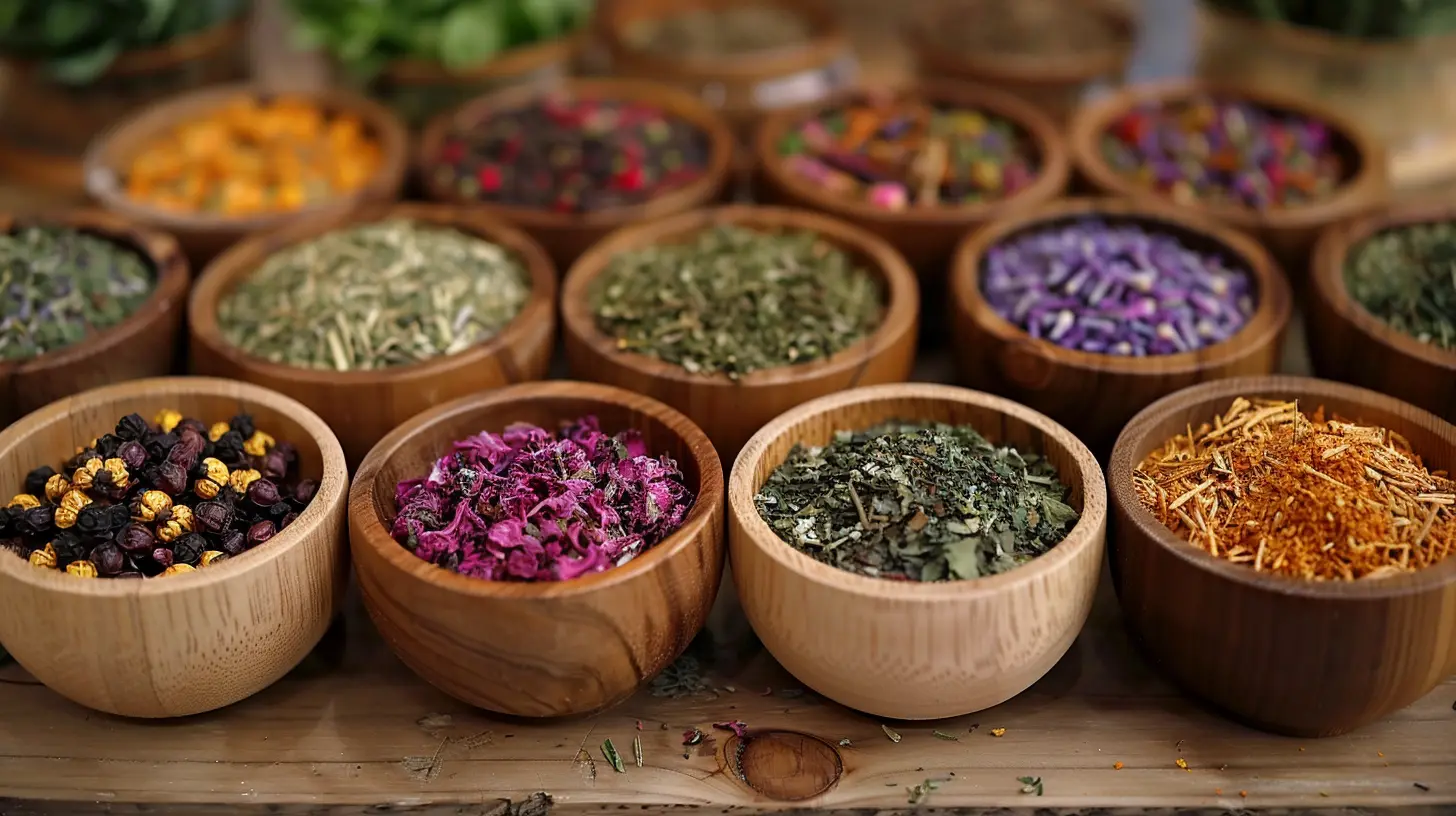
Why Spices and Herbs are the Real MVPs of Nutrition
Spices and herbs don’t just add a pop of flavor—they come packed with antioxidants, anti-inflammatory properties, and even metabolism-boosting powers. Ancient cultures have been using them as medicine for centuries, and modern science is catching up to confirm what grandma already knew: these tiny ingredients deliver some big health benefits.So, let’s dive into the health-boosting world of spices and herbs, and why they should be stealing the spotlight in your kitchen! 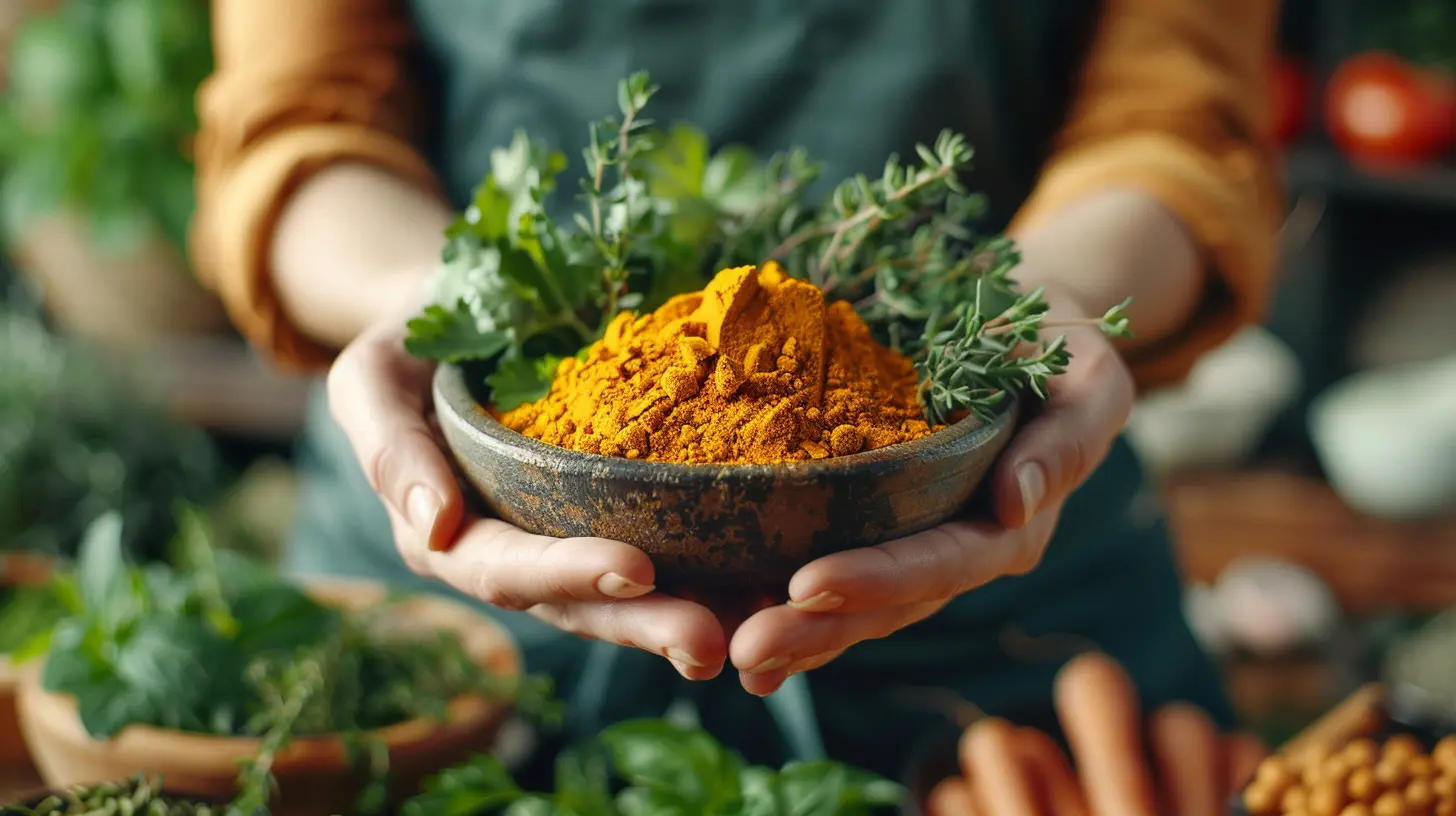
1. Turmeric: The Golden Healer
Let’s start with the superstar of superfoods—turmeric. This bright yellow spice isn’t just for curry; it’s got some serious healing powers, thanks to its active compound, curcumin.Benefits of Turmeric:
- Fights Inflammation – Curcumin is a natural anti-inflammatory that helps combat chronic pain, arthritis, and even heart disease.- Boosts Brain Function – Studies suggest it may help prevent Alzheimer’s and improve memory.
- Supports Heart Health – It lowers bad cholesterol and improves circulation.
> Pro Tip: Add black pepper to your turmeric dishes—it enhances curcumin absorption by a whopping 2,000%!
2. Ginger: Nature’s Pain Reliever
Got an upset stomach? Feeling a bit queasy? Ginger to the rescue! This spicy root has been used for centuries to fight nausea, aid digestion, and even tackle muscle pain.Benefits of Ginger:
- Eases Nausea – Perfect for motion sickness, morning sickness, and even chemotherapy-induced nausea.- Reduces Muscle Pain – Thanks to its anti-inflammatory properties, ginger can soothe post-workout soreness.
- Supports Digestion – It helps speed up the emptying of your stomach to prevent bloating and discomfort.
> Try sipping on fresh ginger tea when your stomach feels off—it works wonders!
3. Cinnamon: The Blood Sugar Whisperer
If you’re obsessed with cinnamon-spiced everything, good news—you’re doing your body a favor! This warm and cozy spice is a powerhouse when it comes to controlling blood sugar levels.Benefits of Cinnamon:
- Regulates Blood Sugar – Perfect for people with diabetes or those prone to sugar crashes.- Packed with Antioxidants – Helps fight free radicals that cause aging and disease.
- Supports Heart Health – Lowers bad cholesterol and helps reduce blood pressure.
> Sprinkle cinnamon on your oatmeal, coffee, or even roasted sweet potatoes for a delicious health boost!
4. Garlic: The Immune System Bouncer
Garlic doesn’t just ward off vampires—it also kicks germs to the curb. Whether you’re feeling under the weather or just trying to keep your body strong, this pungent little bulb has your back.Benefits of Garlic:
- Boosts Immunity – Helps your body fight infections, colds, and even the flu.- Lowers Blood Pressure – Acts as a natural way to keep hypertension in check.
- Improves Heart Health – Reduces bad cholesterol and protects against heart disease.
> To get the most benefits, chop or crush fresh garlic and let it sit for 10 minutes before cooking—it activates its powerful compounds!
5. Oregano: The Tiny but Mighty Antioxidant Powerhouse
Oregano might be tiny, but it’s seriously potent when it comes to health benefits. Packed with antioxidants and antimicrobial properties, it’s like nature’s antibiotic.Benefits of Oregano:
- Rich in Antioxidants – Helps combat oxidative stress and keep your cells happy.- Fights Bacteria – Natural antibacterial properties make it a great immune booster.
- Supports Gut Health – Oregano oil is used to fight off harmful gut bacteria.
> Add fresh or dried oregano to your pasta sauces, soups, or even salad dressings for an extra health kick!
6. Cayenne Pepper: The Metabolism Booster
If you like it hot, you’re in luck! Cayenne pepper isn’t just about bringing the heat—it’s got some serious metabolism-boosting benefits, too.Benefits of Cayenne Pepper:
- Speeds Up Metabolism – Capsaicin (the spicy compound) helps burn more calories.- Reduces Appetite – Helps you feel full for longer, naturally curbing overeating.
- Fights Pain – Used in pain-relief creams for arthritis and migraines.
> Add a pinch of cayenne to your meals, or sip on a warm lemon-cayenne detox drink in the morning!
7. Rosemary: The Brain Booster
Rosemary doesn’t just smell amazing in roasted potatoes—it’s also been linked to improved memory and brain function!Benefits of Rosemary:
- Enhances Memory & Focus – Used as a natural cognitive booster.- Supports Digestion – Helps reduce bloating and indigestion.
- Contains Anti-Inflammatory Properties – May help reduce the risk of chronic diseases.
> Even smelling rosemary essential oil can improve focus—so don’t skip this one!
8. Basil: The Herb of Longevity
Basil isn’t just for pesto—it’s a nutritional powerhouse packed with immune-boosting and anti-inflammatory properties.Benefits of Basil:
- Supports Immune Function – Rich in vitamins and antioxidants.- Fights Stress & Anxiety – Holy basil (aka tulsi) is famous for its stress-relieving effects.
- Promotes Heart Health – Helps reduce blood pressure and improves circulation.
> Throw fresh basil into your salads, sandwiches, or even fruit smoothies for a fresh, herbal punch!
9. Cloves: The Tiny Dental Savior
Ever had a toothache and been told to chew on a clove? There’s a reason for that! Cloves are packed with antibacterial properties that help fight oral infections.Benefits of Cloves:
- Improves Oral Health – Natural antiseptic properties fight gum infections and bad breath.- Supports Liver Health – Helps detoxify and protect the liver.
- Fights Inflammation – Contains compounds that reduce pain and muscle soreness.
> Chewing a clove after meals is not only great for fresh breath but also for gut health!
How to Add More Spices and Herbs to Your Diet
Now that you know the insane health benefits hiding in your spice rack, let’s talk about how to use them more often. Here are some easy ways to incorporate these power-packed ingredients into your daily routine:- Spice Up Your Breakfast – Add cinnamon to oatmeal, turmeric to scrambled eggs, or ginger to smoothies.
- Infuse Your Drinks – Brew herbal teas with fresh rosemary, basil, or ginger.
- Upgrade Your Cooking – Use garlic, oregano, and cayenne in soups, stews, and stir-fries.
- Make DIY Seasoning Blends – Mix your own spice combinations to replace sodium-packed store-bought versions.
- Snack Smart – Sprinkle chili powder on nuts for a spicy crunch or add turmeric to popcorn for an antioxidant boost.
Final Thoughts
Listen, food shouldn’t just taste good—it should do good for your body, too. And lucky for us, nature has given us an entire arsenal of delicious spices and herbs that not only make our meals more exciting but also keep us feeling our best.So, the next time you’re cooking, don’t be shy—pile on those spices. Your taste buds (and your health) will thank you!
all images in this post were generated using AI tools
Category:
NutritionAuthor:

Eileen Wood
Discussion
rate this article
2 comments
Sybil McGarvey
Did you know that adding a sprinkle of turmeric to your morning smoothie could make you feel like a superhero on a health quest?✨🌿 From fighting off those pesky colds to jazzing up your taste buds, spices and herbs are like tiny flavor-packed power-ups for your body! 🥳💪
March 23, 2026 at 3:41 PM
Eileen Wood
Absolutely! Turmeric is a fantastic addition—its anti-inflammatory properties and vibrant flavor can truly elevate both your smoothie and overall health. Cheers to powerful herbs! 🌟
Stella Roth
Great read! 🌿 I loved discovering how spices and herbs can enhance not just flavor but also our health. Can’t wait to start incorporating more into my meals!
March 3, 2026 at 4:15 PM
Eileen Wood
Thank you! I'm thrilled you enjoyed it and found the health benefits inspiring. Happy cooking! 🌱