Building a Home Gym on a Budget for 2027
5 September 2026
The home fitness boom that started in the early 2020s never really ended. It just evolved. What began as a panic-driven scramble for dumbbells and resistance bands has matured into a deliberate lifestyle choice for millions. By 2027, the question is no longer whether you should train at home, but how to do it without wasting money on gear you will abandon by March.
Most people assume building a home gym requires a spare room, a few thousand dollars, and a credit card that hates them. That is false. A genuinely effective home gym can be assembled for under three hundred dollars if you understand what actually drives progress. The problem is not lack of equipment. The problem is lack of clarity about what you need, why you need it, and how to use it consistently.
This guide walks through the real process of building a budget home gym for 2027, covering equipment selection, space planning, progression strategies, and the mental shifts that separate people who use their gym from those who let it collect dust.
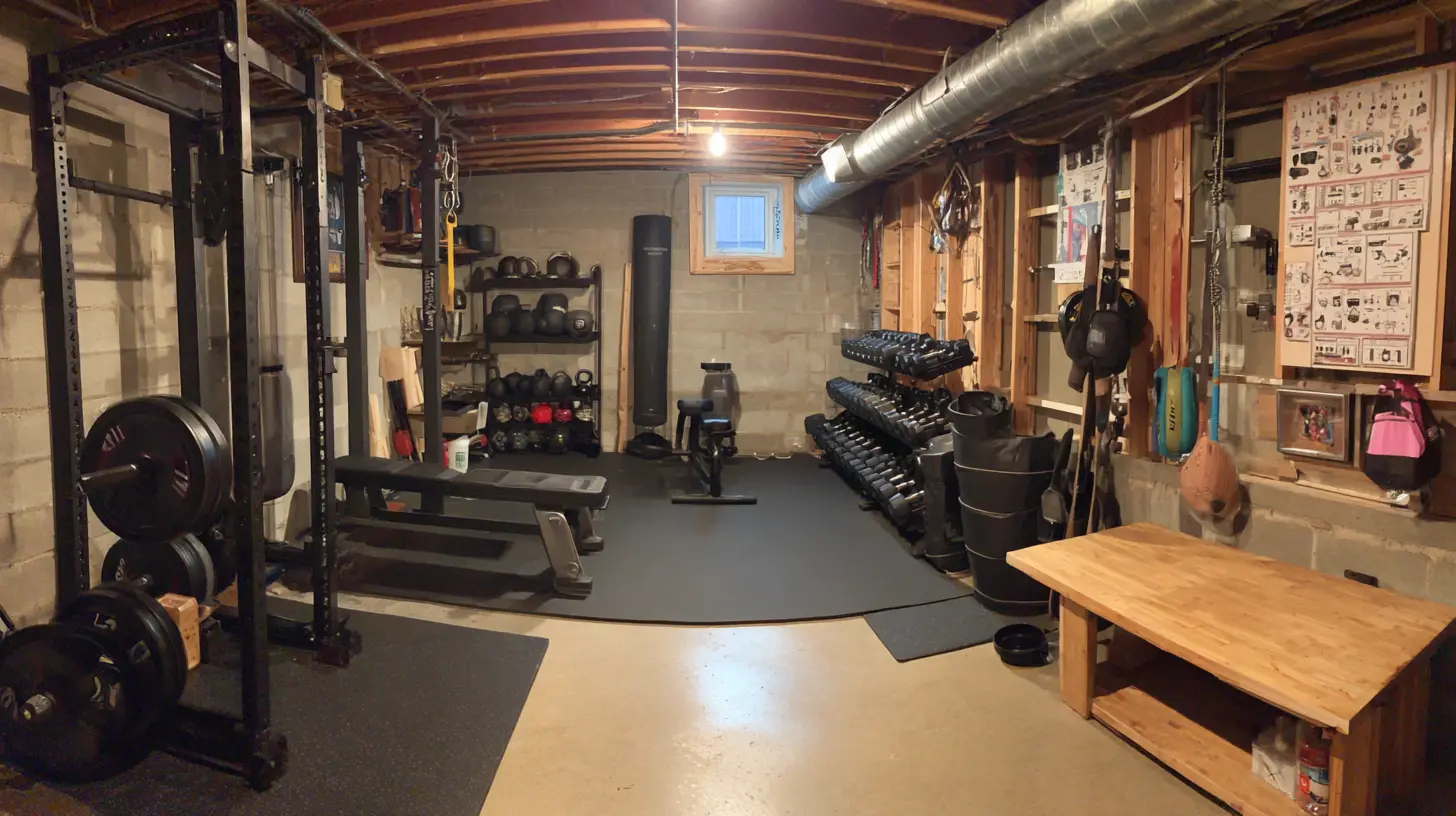
The 2027 Equipment Landscape: What Changed and What Did Not
The fitness equipment market has cycled through phases. From 2020 to 2022, prices spiked brutally. A set of adjustable dumbbells that cost one hundred fifty dollars in 2019 was selling for four hundred or more. By 2024, prices normalized as supply chains recovered and the used market flooded with pandemic purchases. Going into 2027, the landscape is different in three important ways.First, smart equipment has become cheaper and more reliable. Connected fitness bikes and smart mirrors still carry premium prices, but the technology has trickled down into more affordable accessories like app-connected jump ropes, digital resistance bands, and basic heart rate monitors. You do not need these to train effectively, but they can help with motivation if you respond well to data.
Second, adjustable equipment has improved dramatically. Adjustable dumbbells that used to feel flimsy now rival fixed dumbbells in durability. Adjustable kettlebells, while still somewhat niche, have gotten better. This matters because adjustable gear saves space and money over the long run, even if the upfront cost is higher than a single pair of fixed weights.
Third, the used market remains the single greatest resource for budget builders. People still buy expensive home gyms with grand intentions and sell them at a fraction of the cost eighteen months later. In 2027, this cycle continues unabated. A patient shopper can find Olympic barbells, weight plates, benches, and racks for fifty to seventy percent below retail.
None of this changes the fundamental equation. Your body does not know or care whether you lifted a two hundred dollar barbell or a twenty dollar sandbag. It only responds to tension, progressive overload, and recovery. Equipment is a tool, not a magic wand.
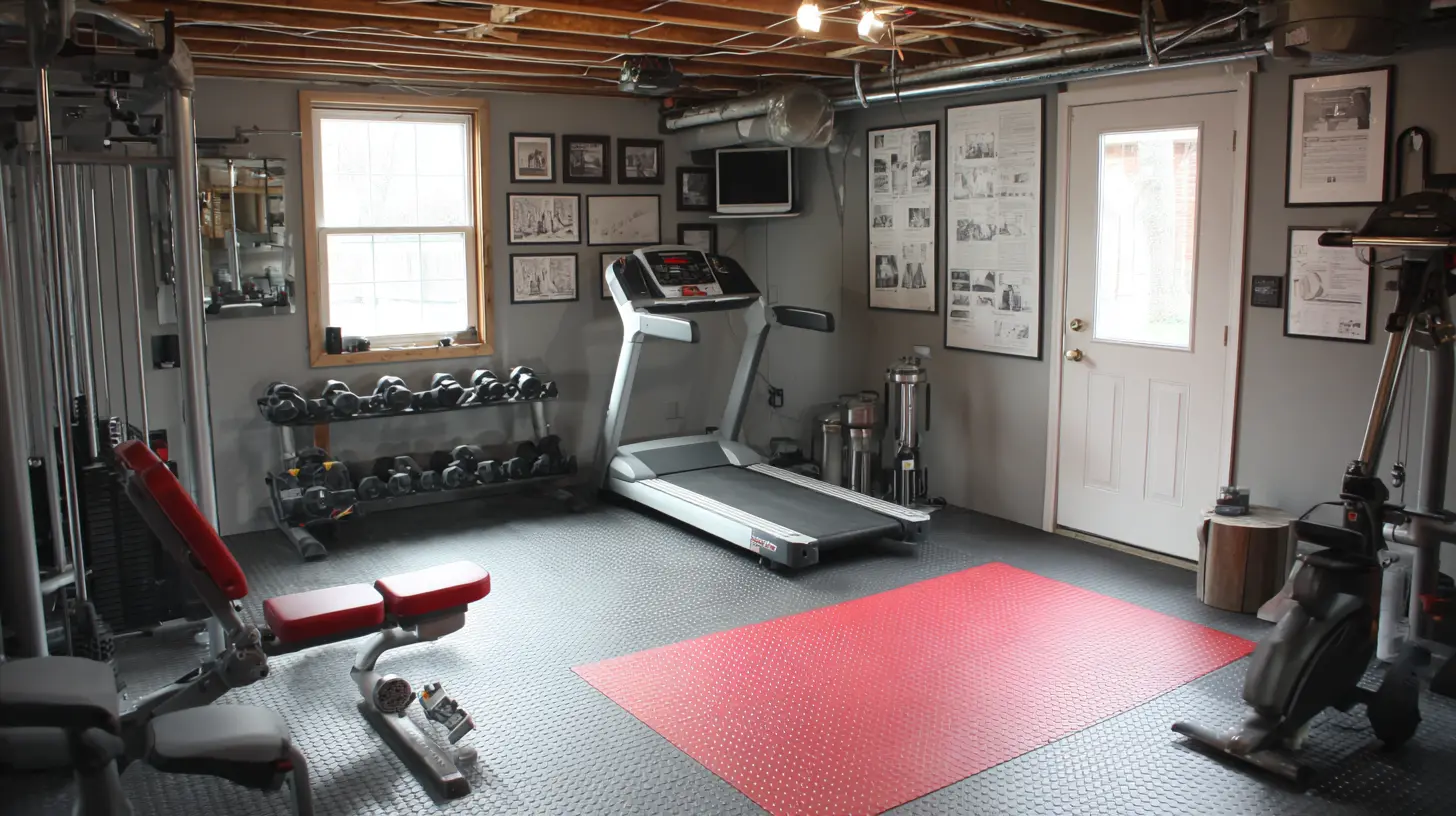
The Core Principle: Buy Movements, Not Machines
The biggest mistake beginners make is buying equipment that mimics gym machines. They purchase a lat pulldown station, a leg press attachment, or a cable crossover machine for their garage. These machines are expensive, bulky, and often poorly constructed at consumer price points. Worse, they lock you into a narrow range of exercises that your body adapts to quickly.Instead, think in terms of movement patterns. The human body performs six fundamental actions: squat, hinge, push, pull, lunge, and carry. A budget home gym only needs to provide resistance for these patterns. Machines are optional. Free weights, bands, and bodyweight variations cover everything.
For example, a horizontal push can be a push-up, a floor press with dumbbells, or a bench press with a barbell. A vertical pull can be a pull-up, an inverted row, or a banded lat pulldown. A hinge can be a kettlebell swing, a Romanian deadlift, or a trap bar deadlift. You do not need a machine for any of these. You need a way to load the movement progressively.
This philosophy saves money because it eliminates redundancy. A single pair of adjustable dumbbells can handle squat variations, presses, rows, and lunges. Add a pull-up bar and a set of resistance bands, and you have covered every major pattern. Add a barbell and plates later if you outgrow dumbbells. That is the entire progression.
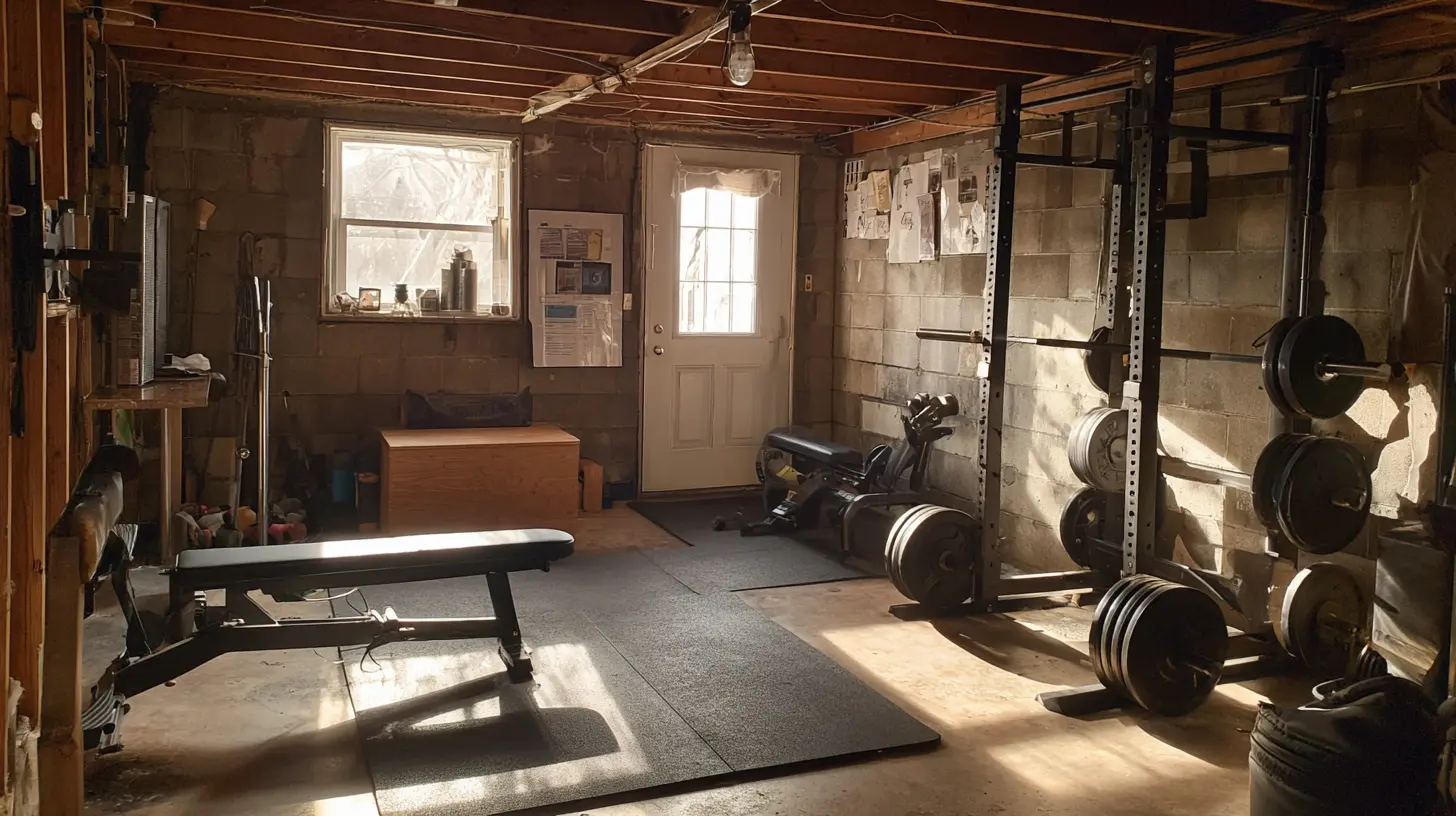
The Minimum Viable Home Gym for 2027
Let us define the floor. What is the absolute minimum equipment that allows a complete beginner to make consistent progress for at least six months? Here is a realistic list with approximate 2027 pricing in US dollars.Adjustable dumbbells with a range of five to fifty pounds per hand will cost between one hundred fifty and two hundred fifty dollars for a decent pair. Brands like Bowflex, NUOBELL, and several newer competitors offer solid options. Cheaper spin-lock dumbbells with separate plates cost less, around eighty to one hundred twenty dollars, but changing weights takes longer and the knurling is often poor.
A doorway pull-up bar costs twenty to forty dollars. Look for one that mounts with bolts rather than pressure alone if you plan to use it for hanging exercises or muscle-ups later. A set of loop resistance bands with varying tensions costs twenty to thirty dollars. These are not just for warm-ups. Heavy bands can add significant resistance to push-ups, rows, and even squats.
A stability ball or an exercise mat adds another twenty to thirty dollars. The mat protects your spine during floor work. The ball is optional but useful for core stability and some creative pressing variations.
That is the entire core setup. Total cost: two hundred fifty to three hundred fifty dollars for new equipment. Buy used and you can cut that in half.
This setup covers push-ups, rows, overhead presses, bicep curls, tricep extensions, goblet squats, split squats, lunges, Romanian deadlifts with dumbbells, hip thrusts, and countless core exercises. For a person who has never trained consistently, this is more than enough for a year of progress.
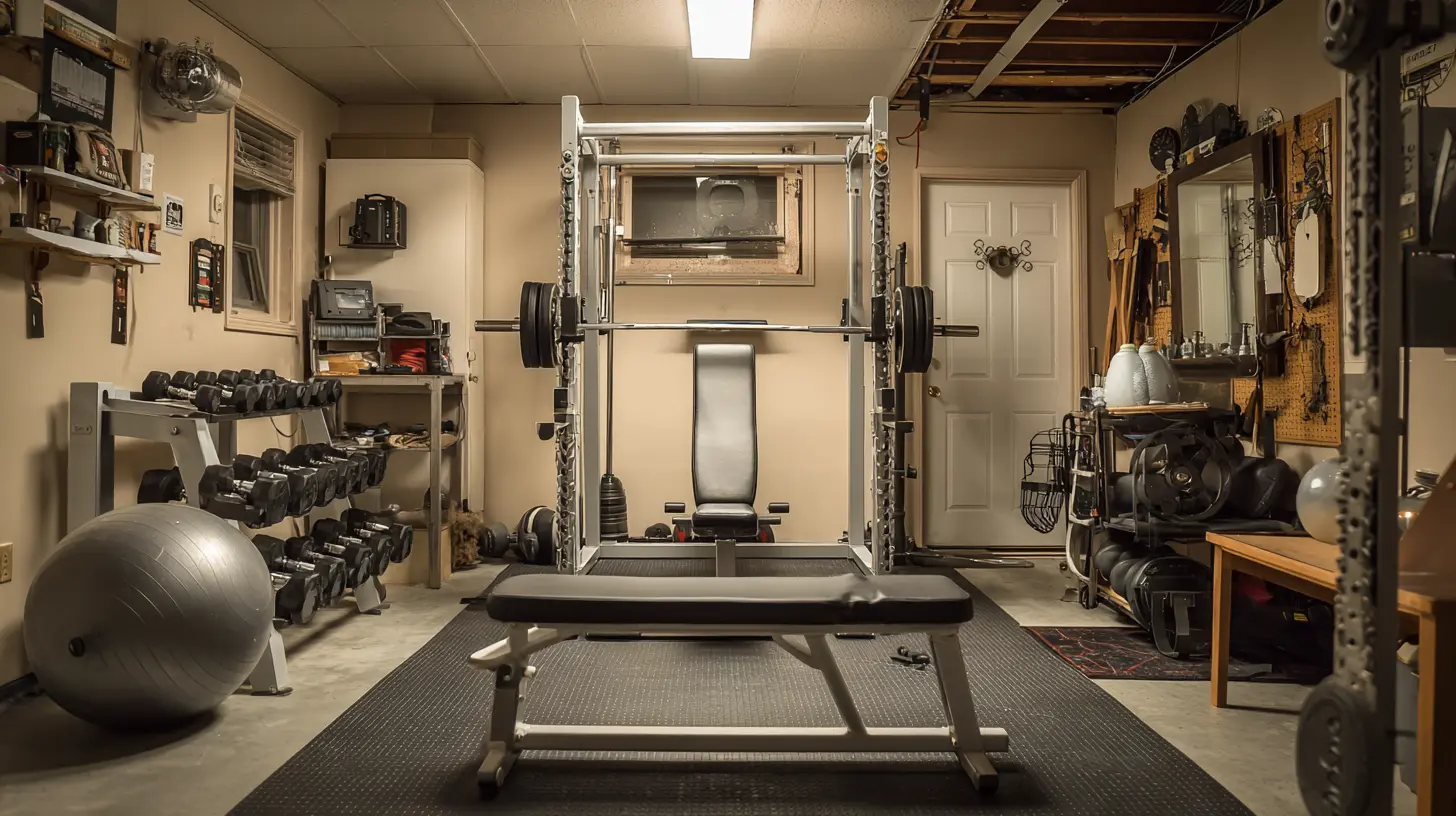
What to Add Next: The Intermediate Expansion
After six to twelve months, most people hit a ceiling with light dumbbells. The fifty pound dumbbell no longer challenges your legs. Your back has outgrown the heaviest band. This is the moment to add one of two things: a heavier set of adjustable dumbbells or a barbell setup.A barbell setup requires more space and more money, but it is the most efficient path to long-term strength. An Olympic barbell costs one hundred to two hundred dollars new, less used. Weight plates cost roughly one dollar to one dollar fifty per pound. A squat stand or a simple half rack costs one hundred fifty to three hundred dollars. A flat bench costs fifty to one hundred dollars.
Total for a functional barbell setup: four hundred to eight hundred dollars depending on quality and whether you buy used. That sounds steep, but compare it to a single year of gym membership at forty dollars per month. That is four hundred eighty dollars with no equipment ownership. After two years, the home gym has paid for itself.
If space is tight, consider a trap bar instead of a straight barbell. Trap bars are easier on the lower back, more intuitive for beginners, and allow for neutral grip pressing if you get a multi-grip version. They are slightly more expensive per pound of capacity, but they reduce the need for a spotter and make deadlifting safer for home use.
Another option is upgrading to powerblock or ironmaster style adjustable dumbbells that expand to one hundred pounds per hand. These cost three hundred to five hundred dollars and effectively replace an entire dumbbell rack. For apartment dwellers, this is often the better choice than a barbell setup.
The Real Cost of "Cheap" Equipment
Budget does not mean lowest price. The cheapest equipment is often the most expensive in disguise. A twenty dollar barbell from a big box store will bend under moderate load. A fifteen dollar resistance band will snap after a few months. A thirty dollar adjustable bench will wobble during presses and can cause injury.There is a difference between inexpensive and disposable. When evaluating budget gear, look for three things: load rating, build material, and warranty. A barbell rated for three hundred pounds is fine if you never lift more than that. But if you plan to progress, buy a bar rated for seven hundred pounds even if you only load two hundred today. The extra cost is insurance against replacement.
The same logic applies to benches. A flat bench with a heavy gauge steel frame and dense foam padding costs more upfront but will last decades. A flimsy bench with thin padding will sag, become uncomfortable, and eventually fail during a heavy press. That is not a budget failure. That is a safety failure.
For resistance bands, avoid the cheapest latex loops. They snap and can leave painful welts. Spend a few extra dollars on bands with reinforced ends and multiple layers. Check the thickness and the claimed resistance range. A set of five bands with varying tension is more useful than ten bands of similar resistance.
Space Planning: Making a Home Gym Fit Anywhere
You do not need a dedicated room. A corner of a bedroom, a section of a garage, or even a closet that has been cleared out can work. The key is not square footage but organization.Measure your space before buying anything. Know your ceiling height, especially if you plan to do overhead presses or pull-ups. A standard eight foot ceiling is enough for most people, but tall lifters may need to press from a seated position or use a landmine attachment to avoid hitting the ceiling.
Flooring matters more than people think. Concrete is hard on joints and will crack if you drop heavy weights. Rubber mats are the standard solution. Four by six foot stall mats from a farm supply store cost thirty to fifty dollars each and protect both the floor and your equipment. For lighter workouts, a thick exercise mat or interlocking foam tiles are sufficient.
Storage is the unsung hero of home gym success. If your equipment is scattered around the house, you will not use it. A simple shelving unit for plates, a wall mount for your dumbbells, and a hook for your bands keep everything visible and accessible. The goal is to make starting a workout take less than two minutes. Every barrier you remove increases adherence.
Lighting and ventilation are also worth attention. A dim, stuffy corner will drain your motivation. Add a bright LED light and a fan if the space lacks airflow. These small investments have an outsized impact on how often you actually train.
The Case for Bodyweight Training First
Before you spend a single dollar, consider whether you need equipment at all. Bodyweight training can build significant strength, especially for beginners. Push-ups, pull-ups, squats, lunges, and plank variations cover a surprising amount of ground.The advantage of starting with bodyweight is that you learn movement quality before adding load. You also discover your current baseline without the distraction of equipment. Many people buy a full gym and then realize they cannot do ten push-ups or hold a proper plank for sixty seconds. That is not a reason to buy more gear. It is a reason to train the basics.
The limitation of bodyweight training is progressive overload. Once you can do thirty push-ups, adding more reps becomes less effective for strength. You need to add resistance or shift to harder variations like archer push-ups, pistol squats, or one-arm rows. This is where a pull-up bar and a set of bands come in. They allow you to scale difficulty without jumping to heavy weights.
For absolute beginners, I recommend spending the first four to eight weeks doing bodyweight only. Save the money you would have spent on dumbbells. Use that time to build a habit, learn the movements, and decide whether you actually enjoy training at home. If you stick with it, buy equipment. If you do not, you have lost nothing.
Common Mistakes That Waste Money
The home gym graveyard is filled with expensive mistakes. Here are the most common patterns and how to avoid them.Buying a machine first. Treadmills, elliptical trainers, and multi-station home gyms are the most abandoned pieces of equipment. They are bulky, hard to sell, and often poorly built. Unless you have a specific medical reason for a particular machine, start with free weights and bodyweight.
Buying too much weight too early. A full Olympic barbell set with three hundred pounds of plates looks impressive but is useless if you can only squat the bar. Start light and add weight as you progress. This also reduces injury risk and storage problems.
Ignoring the used market. Paying full retail for equipment that is available used at half price is a luxury you do not need. Check Facebook Marketplace, Craigslist, and local garage sales before buying new. The best time to buy is January through March, when failed New Year resolutions flood the market.
Neglecting recovery tools. A budget home gym is not complete without a foam roller or a lacrosse ball. These cost under twenty dollars and help with soreness and mobility. They are not replacements for professional care, but they are useful for daily maintenance.
Buying trendy equipment. Vibration plates, EMS suits, and other gimmicks promise faster results with less effort. They do not deliver. Stick to the fundamentals. Your body responds to tension, not to novelty.
How to Progress Without a Personal Trainer
Training at home means you are responsible for your own program. This is both a freedom and a burden. Without a trainer, you must learn basic principles of programming.The most important principle is progressive overload. Your muscles adapt to the demands you place on them. To grow stronger, you must gradually increase the weight, the repetitions, or the difficulty of the movement. This does not mean adding weight every session. It means adding weight when you can complete all your target reps with good form.
A simple approach is the double progression method. Pick an exercise and a rep range, say eight to twelve reps. Start with a weight you can lift for eight reps. Each session, try to add one rep. When you reach twelve reps with perfect form, increase the weight by the smallest increment available and drop back to eight reps. Repeat.
For bodyweight exercises, use the same method with harder variations. When you can do fifteen push-ups, switch to incline push-ups with your feet elevated. When those become easy, try archer push-ups. The principle stays the same. Increase the challenge in small steps.
Rest between sets matters. For strength work, rest two to three minutes between sets. For hypertrophy, rest sixty to ninety seconds. For conditioning, rest thirty seconds or less. Do not rush your rest to finish faster. Recovery between sets is part of the workout.
Frequency is another key variable. Training each muscle group twice per week is more effective than once per week for most people. A simple full body routine three days per week works well for beginners. As you advance, you may shift to an upper lower split four days per week.
The Role of Consistency and Habit Formation
Equipment is irrelevant if you do not train. The greatest predictor of success with a home gym is not the quality of your gear but the strength of your routine.Home training has unique advantages. No commute, no waiting for equipment, no gym intimidation. But it also has unique challenges. Distractions are everywhere. The laundry pile, the phone notification, the comfortable couch. You must create structure to overcome these.
Set a specific time for training and treat it as non-negotiable. Morning sessions before work tend to have the highest adherence because nothing has derailed your day yet. Evening sessions work if you can protect that time from other demands. Experiment and find what fits your life.
Prepare your space the night before. Lay out your clothes, set up your equipment, and have a plan written down. The less decision making required at the moment, the more likely you are to follow through.
Use a simple tracking method. A notebook, a spreadsheet, or a free app. Write down every exercise, the weight used, and the number of reps. This serves two purposes. It shows you progress over time, which is motivating. And it prevents you from repeating the same workout indefinitely, which is the fastest route to a plateau.
When a Home Gym Is Not the Right Choice
Home training is not for everyone. Some people thrive on the energy of a commercial gym. They need the social pressure, the variety of equipment, or the separation between home and workout space. If you know you are one of these people, do not force a home gym. A gym membership is a legitimate and often more cost effective option for those who actually use it.Home training also falls short for certain goals. If you want to compete in powerlifting, you need competition grade equipment and likely a coach. If you enjoy group fitness classes, the community aspect cannot be replicated at home. If you need a spotter for heavy bench presses, training alone is a safety risk.
The honest assessment is that a home gym works best for people who are self-motivated, have clear goals, and can tolerate solitude during workouts. If that does not describe you, save your money and join a gym. The best workout is the one you actually do, regardless of where it happens.
The Psychological Shift for 2027
The fitness industry will keep selling you the idea that you need more. More equipment, more apps, more programs, more supplements. The truth is that the barrier to entry has never been lower. A few hundred dollars and a corner of your living room is enough to transform your body.The discipline of 2027 is not about buying the right gear. It is about ignoring the noise and doing the work. It is about accepting that progress is slow, boring, and earned through repetition. It is about valuing the simple squat and the humble push-up over the latest gadget.
Build your gym with intention. Buy only what supports your goals. Create a space that invites you to train. And then show up, week after week, with the same equipment and the same movements, adding a little more tension each time. That is the entire secret. It has always been the entire secret. The equipment is just the stage. You are the performer.
all images in this post were generated using AI tools
Category:
Mens HealthAuthor:

Eileen Wood
Discussion
rate this article
2 comments
Phaedra Lane
Creating a home gym on a budget in 2027 requires smart choices. Focus on versatile equipment that supports multiple workouts, like resistance bands and adjustable dumbbells. Prioritize space efficiency and consider secondhand items to maximize your fitness investment without breaking the bank.
September 9, 2026 at 4:22 PM
Eileen Wood
Great tips! Versatile equipment and secondhand finds are key to staying budget-friendly while building a home gym.
Luella McAdams
Building a home gym on a budget is like crafting a perfect recipe. Focus on essentials, get creative with space, and remember: it's not about the fancy gear, but the commitment to showing up. Sweat equity beats dollars every time.
September 8, 2026 at 2:54 AM
Eileen Wood
Absolutely! It's all about prioritizing what you need and making the most of what you have. Commitment really is key.