Body Positivity for Men: Embracing Strength in Vulnerability
8 July 2026
Let's be real for a second — when’s the last time you heard someone talk about body positivity for men? Go ahead, think about it. We hear a lot about women’s struggles with body image, which is incredibly important, but let's not pretend men are immune to the pressure.
From chiseled six-pack abs to square jaws and bulging biceps, society has painted a picture of what the "ideal man" should look like. Movies, ads, Instagram feeds — everywhere you turn, the message is loud and clear: If you don’t fit the mold, you’re not “man enough.”
Well, it’s about time we flip the script.
This article is all about redefining what body positivity means for men — not by going to extremes, but by embracing strength in a different form: vulnerability. Stick around, we’re diving deep.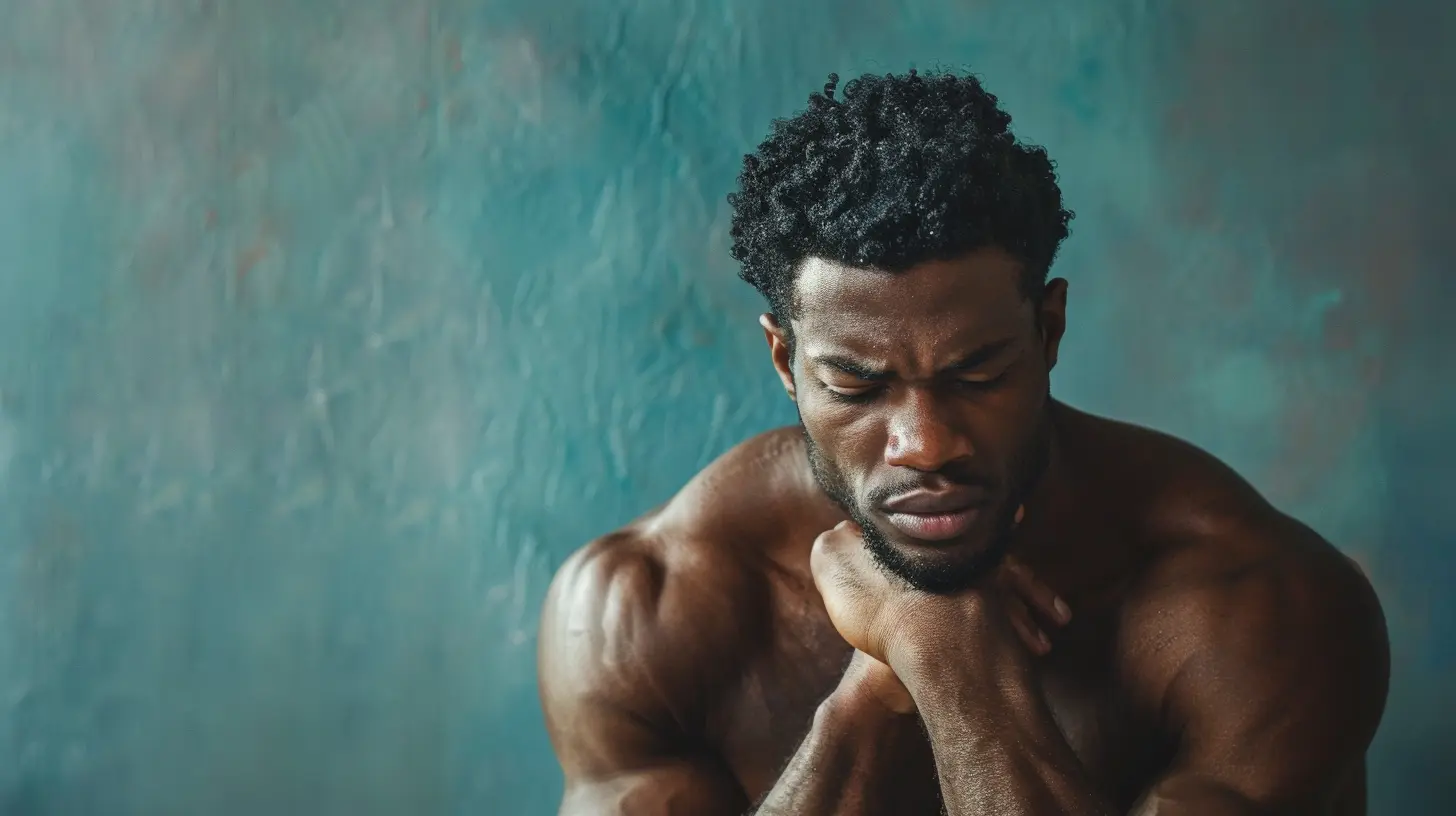
What Exactly is Body Positivity?
Let's start with the basics. Body positivity is a social movement rooted in the belief that all bodies — regardless of size, shape, color, or ability — deserve respect and love. It pushes back against unrealistic beauty standards and celebrates diversity.Now, when you hear "body positivity," it's easy to think it's just a women's issue. That couldn't be further from the truth. Men struggle with self-image too, they just don't always talk about it.
The Silent Struggle of Men’s Body Image
You know that feeling when you scroll through social media and everyone looks like they live at the gym and eat grilled chicken for every meal? Yeah, men feel it too.It’s not just about being "fit"; it’s about being ripped, tall, broad-shouldered, and... hairless? Guys are quietly facing anxiety, depression, and low self-esteem because they think they're not measuring up to these pictures of "perfection."
And here's the kicker — most of those perfect physiques? Filtered, posed, lit with surgical precision. Totally unrealistic.
So what do guys do? They suppress. They joke about “dad bods” and pretend not to care, while inside they’re wondering if they’re ever going to feel good enough.
Toxic Masculinity and the "Tough Guy" Mask
Let’s have a heart-to-heart. Most of us grew up with the idea that guys should “man up,” not cry, and definitely never admit they’re struggling with how they look. Vulnerability? That’s for someone else.But here’s the truth: That “tough guy” mask can be suffocating.
Toxic masculinity — the belief that men should be stoic, dominant, and emotionless — has done a number on how men view themselves. It tells us that caring about our appearance or our feelings is weak.
But actual strength? It’s having the guts to say, "Hey, I’m not okay with how I see myself," or, "I want to feel better about my body." That's not weak. That’s brave as hell.
Rewriting the Male Narrative Around Bodies
Let’s break something down real quick. You don’t have to be ripped to be healthy. You don't have to look like a superhero to be confident. And you sure as heck don’t need six-pack abs to be sexy or strong.Body positivity for men is about rewriting the script — swapping out shame and unrealistic standards for self-acceptance and better mental health.
Imagine a world where a guy can have stretch marks, a soft belly, scars, or even love handles — and still be seen as confident, attractive, and valid. That world starts with how you talk to yourself and treat your own body.
Fitness As Self-Care, Not Self-Punishment
Let’s talk gym culture. It can be intimidating. Some guys live in the gym because they love it. Others are punishing their bodies to meet an impossible aesthetic goal.There's nothing wrong with wanting to work out, eat clean, or build muscle. The problem is when those things are fueled by self-hate instead of self-love.
Want a simple mindset shift? Exercise because it makes you feel alive, not because you hate the way you look. Eat nutritious food because it fuels your body, not because you’re trying to look like that guy on the fitness magazine cover.
Self-care ain’t just bubble baths and meditation. For men, lifting weights can be self-care. So can therapy. So can taking rest days. It’s all about intention.
Vulnerability: The Underrated Superpower
Look, if we’re being honest, vulnerability has a bad rep. It’s seen as soft, weak, or “too emotional.” But vulnerability is one of the strongest things a man can show.Owning your insecurities? That takes guts. Talking to a friend about your body image struggles? That’s powerful. Admitting you’re hurting, and asking for support? That’s a next-level move that most people are too afraid to make.
There’s strength in saying, “I’m not perfect, and that’s okay.” Vulnerability builds real connections, deepens relationships, and helps you heal.
Representation Matters — A Lot
We can’t talk about body positivity without tackling representation. Turn on the TV, and most male characters are either ultra-buff action heroes, lanky love interests, or comic relief “fat best friends.”We need to see more body types — all colors, sizes, ages — living full, badass lives. Actors, athletes, influencers — when men see people who look like them thriving, it shifts their perspective.
The representation conversation isn’t just for Hollywood, though. Look around your workplace, your social feed, even your friend group. Are you surrounding yourself with real people or filtered versions of reality?
Let’s open up space for all kinds of bodies — and start celebrating what makes us real.
The Mental Health Connection
Here’s something that needs to be shouted from the rooftops: Body image and mental health are deeply connected, especially for men.Guys are less likely to seek help for mental health issues, and often suffer in silence. Negative body image can lead to anxiety, depression, eating disorders, and even suicidal thoughts.
And because society doesn’t expect guys to be “sensitive,” they’re often overlooked and under-supported.
We need to normalize therapy for men. Normalize reaching out. And normalize talking about the way our bodies — and our thoughts about them — affect our mental state.
Small Steps Toward a Healthier Self-Image
You don’t have to climb a mountain to start changing how you see yourself. Here are a few bite-sized steps that pack a punch:- Unfollow accounts that make you feel like crap about your body.
- Follow diverse creators who promote realness and body acceptance.
- Talk to a friend about how you feel. Chances are, they’ve felt the same.
- Set movement goals that feel good — not punishing.
- Practice gratitude for what your body can do instead of how it looks.
- Catch your inner critic and challenge those nasty thoughts out loud.
The goal isn’t to wake up tomorrow and magically love everything about your body. The goal is progress, not perfection.
Building a Supportive Brotherhood
Who says brotherhood is just beers and sports? Emotional support should be part of it too.Whether it’s checking in on your friends, being honest about your struggles, or starting a real conversation in a group chat, you’ll be surprised how many men are dying for someone to break the ice.
Let’s create spaces where guys can be open without judgment. That’s how we grow. That’s how we heal. That’s how we get stronger — together.
Redefining What It Means to Be “Manly”
Let’s wrap this up with a little mind bender. What if “manliness” isn’t about muscles and silence — but about authenticity, courage, and compassion?Maybe being a man means owning your story, loving your body, and showing up for others. Maybe the strongest thing you can do today is to look in the mirror and say, “I’m okay as I am.”
True body positivity for men isn’t about being flawless. It’s about choosing to be kind to yourself in a world that’s constantly whispering that you’re not enough.
Spoiler alert: You are enough. Scars, soft spots, stretch marks and all.
Final Thoughts
Men deserve body positivity just as much as anyone else. The journey isn't about reaching perfection — it’s about showing up for yourself, calling out the lies society tells us, and creating space for real, honest, vulnerable conversations.Remember, you’re allowed to feel. You’re allowed to struggle. And most importantly: You’re allowed to love the body you’re in — no matter what it looks like.
Let’s start building a world where every man feels seen, accepted, and celebrated. One vulnerable, powerful conversation at a time.
all images in this post were generated using AI tools
Category:
Body PositivityAuthor:
Eileen Wood
Discussion
rate this article
1 comments
Gianna Wolfe
This article beautifully emphasizes the importance of body positivity for men. Embracing vulnerability is a powerful step towards self-acceptance. It's refreshing to see discussions around strength being linked to authenticity rather than societal expectations. Thank you for sharing this perspective!
July 14, 2026 at 3:05 AM
Eileen Wood
Thank you for your thoughtful comment! I'm glad the article resonated with you and sparked this important conversation.