A Beginner’s Guide to Understanding Your Microbiome
11 April 2026
Let’s be honest—“microbiome” sounds like one of those science-y words that makes you want to roll your eyes and move on. But stick with me here, because your microbiome is more important than you may think. It influences everything from your digestion and energy levels all the way to your mood and immune system. And the best part? You’ve had one your whole life—you just didn’t know it.
This guide will give you a comprehensive but simple breakdown of what the microbiome is, how it works, why it matters, and what you can do to keep yours happy and healthy. No jargon, no lab coats—just real talk about your body’s unseen powerhouse.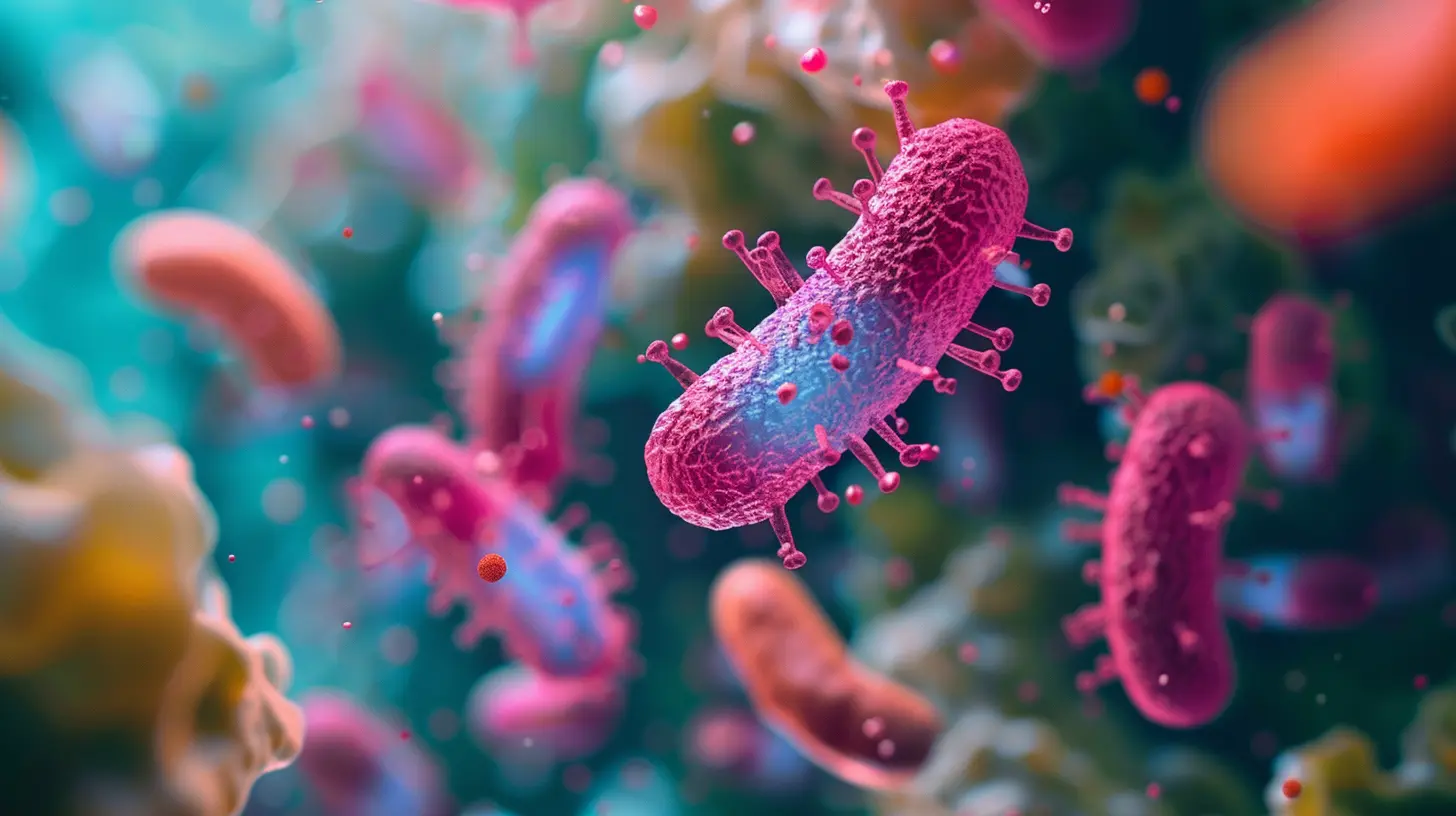
So, What the Heck Is a Microbiome Anyway?
Imagine a tiny universe inside you—and I mean tiny. We’re talking trillions of microorganisms like bacteria, viruses, fungi, and other microbes. All of these little guys live in, on, and all around your body. Together, they make up your microbiome.Now, before you freak out at the idea of being a walking bug hotel, here’s the cool part: most of these microbes are actually beneficial. Yep, they’re not invaders—they’re your teammates.
Your microbiome is mainly concentrated in your gut (hello, intestines!), but it also lives on your skin, mouth, lungs, and even eyes. Think of it as a bustling community that’s always working behind the scenes to keep things running smoothly.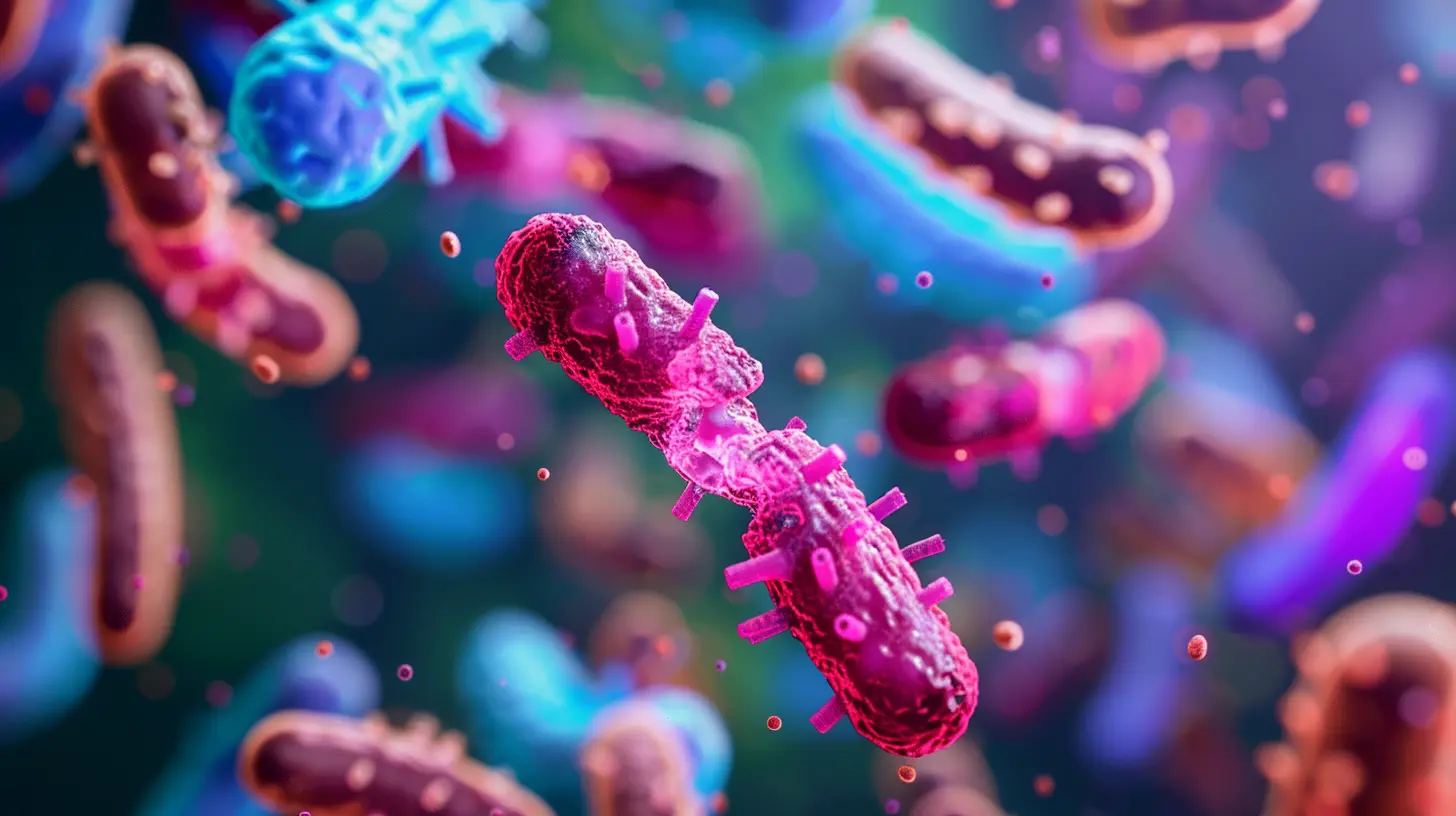
Why Should You Care About Your Microbiome?
You’ve got bills to pay, dinner to cook, and a million tabs open on your browser. Why add the microbiome to your list of concerns?Because it’s affecting your life in ways you probably haven’t noticed.
1. It Helps You Digest Food
Many of the foods we eat—especially fiber—are tough to break down. Your gut bacteria step in like expert chefs, chopping and fermenting that food so your body can actually use the nutrients. Without them? You're not getting the full benefit from your kale smoothie.2. It Shapes Your Immune System
Did you know about 70% of your immune system lives in your gut? That means your microbiome plays a HUGE role in training your immune system to tell the good guys from the bad. It’s like a security guard with a very important guest list.3. It Affects Your Mood and Brain Function
The gut-brain connection is real. Ever had “butterflies” in your stomach or lost your appetite when stressed? That’s your brain and gut talking. Research has shown that your gut bacteria can influence neurotransmitters like serotonin, which affects your mood, sleep, and stress levels. Kind of wild, right?4. It Might Help You Stay Lean (Or Not)
Some studies have found that certain microbiome profiles are linked to obesity, while others are associated with a healthy weight. While it’s not the only factor, your gut bacteria could be part of the reason you're holding on to those extra pounds—or happily shedding them.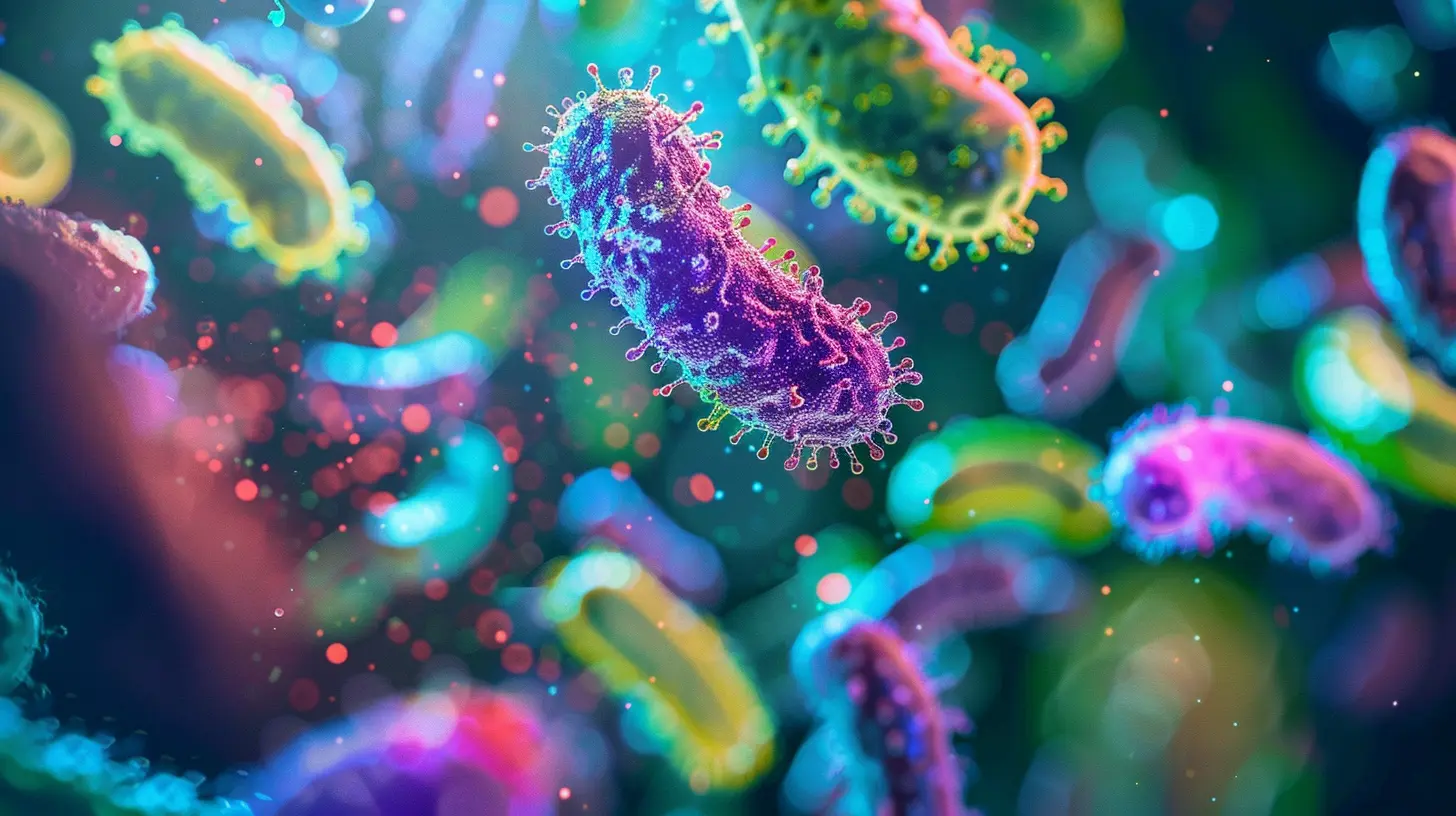
The Microbiome From Birth to Adulthood
You weren’t born with your full microbiome. In fact, you get your first dose of bacteria during birth, especially if it was a vaginal delivery. From there, your microbiome grows and evolves based on everything from how you were fed as a baby (breastmilk vs. formula) to the foods you eat, the antibiotics you take, where you live, and how often you get out in nature.That means your microbiome is always adapting—and so are its effects on your health.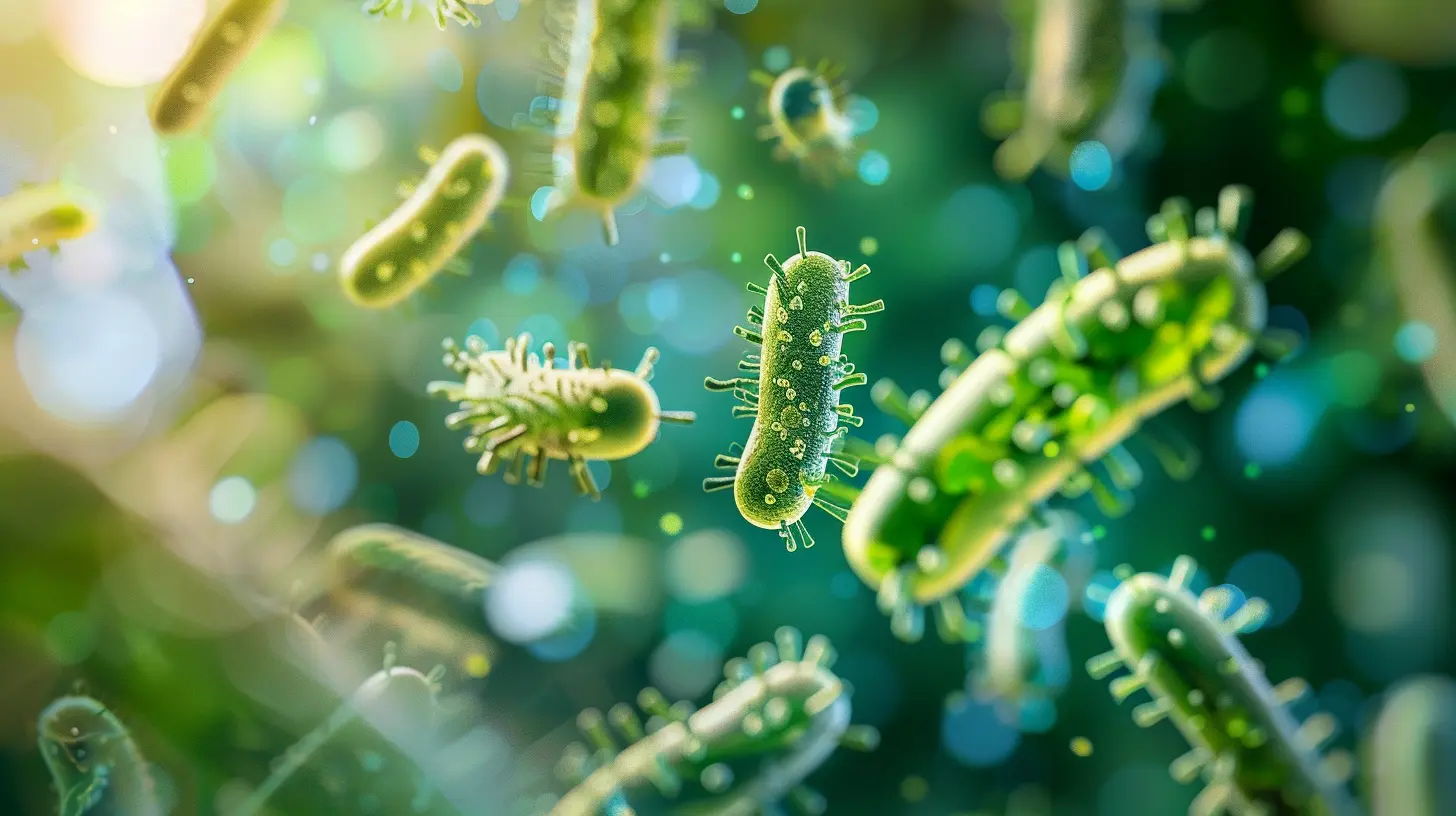
What Damages the Microbiome?
Your microbiome is tough, but it’s not invincible. Modern life throws a lot of curveballs at it. Let’s break down the biggest offenders:1. Antibiotics
Don’t get me wrong—antibiotics are lifesavers. But they don’t discriminate. When they go in to kill harmful bacteria, they often wipe out the good guys too. It’s like using a chainsaw to prune a bonsai tree.2. Processed Foods
Your gut bugs love fiber, polyphenols, and a wide variety of nutrients. What they don’t love? Added sugars, artificial sweeteners, and preservatives. Feeding your body junk is like offering a gourmet chef a bag of stale chips.3. Lack of Sleep and Chronic Stress
Your gut and mind are deeply connected. When you’re constantly stressed or running on empty, your gut bacteria feel it too. Think of them as roommates—if you’re grumpy and exhausted, the whole apartment gets tense.4. Sedentary Lifestyle
Yep, being a couch potato doesn’t just affect your waistline. Exercise has been shown to enhance microbiome diversity. So get moving—even a daily walk can spark positive changes.How to Support a Healthy Microbiome
Alright, now that you know what your microbiome is and why it matters, let’s talk solutions. The good news? You don’t need expensive supplements or drastic diet plans. Just a few simple habits can make a massive difference.1. Eat More Fiber
Gut bacteria love fiber. It’s their favorite food. Aim for a variety—fruits, vegetables, legumes, whole grains. Think of yourself as feeding a big, hungry crowd of bacteria. The more diverse the menu, the happier they’ll be.2. Go Fermented
Fermented foods are full of probiotics (live, beneficial bacteria). We’re talking yogurt, kefir, sauerkraut, kimchi, miso, and kombucha. These foods help bring in good bacteria and support what’s already there.3. Skip the Artificial Stuff
Artificial sweeteners like aspartame and sucralose have been shown to negatively impact gut health. Stick to natural sweeteners (in moderation), or better yet, retrain your taste buds to enjoy less sweetness overall.4. Limit Unnecessary Antibiotics
Always follow your doctor’s advice, but don’t push for antibiotics every time you sniffle. Sometimes your body just needs time to fight things off naturally.5. Spend Time Outdoors
Believe it or not, getting your hands dirty (in a garden or even just walking barefoot on grass) can expose you to beneficial microbes. More nature = more microbial diversity.6. Get Enough Sleep
Your gut has its own circadian rhythm, and it syncs up with yours. When you sleep well, your gut bugs thrive. Aim for 7–9 hours a night, and try to go to bed and wake up around the same time daily.Probiotics vs. Prebiotics: What’s the Difference?
Let’s clear up some confusion, because these terms get thrown around a lot.Probiotics are live bacteria that you consume to add more good bugs to your system. Think fermented foods or specially designed supplements.
Prebiotics are food for those good bugs. They’re usually fibers and compounds found in plant-based foods. Think of prebiotics like fertilizer for your internal garden.
You need both. It’s like having seeds (probiotics) and then watering and feeding them (prebiotics) so they grow strong.
Can You Test Your Microbiome?
Short answer: Yes. Long answer: do it if you’re curious, but don’t obsess.There are at-home test kits that analyze your gut bacteria from a stool sample. They often provide a breakdown of what types of bacteria are in there and suggestions for how to improve your gut health.
Just keep in mind that microbiome science is still young. These tests can be insightful, but they’re not gospel. Your body is unique, and what works for one person may not work for another.
What Happens If Your Microbiome Gets Out of Whack?
When the bad guys outnumber the good, or when your gut diversity drops, things can go downhill fast. This is called dysbiosis.Here’s what might happen:
- Frequent bloating, gas, or digestive issues
- Skin conditions like eczema or acne
- Mood swings, anxiety, or brain fog
- Weakened immune system
- Sugar cravings or blood sugar spikes
- Trouble losing weight
If you’re experiencing any of these regularly, your microbiome might be waving a red flag.
Realistic Steps You Can Take Today
Still with me? Awesome. Let’s wrap up with a few quick wins to start improving your microbiome right now:- Add one serving of fermented food to your daily diet
- Swap white rice or bread for a whole grain option
- Go for a 20-minute walk outside every day
- Ditch the diet soda (seriously, your microbes will thank you)
- Get to bed on time tonight
None of this is extreme. It’s about building habits that support your body from the inside out. And once your microbiome is thriving, chances are, you’ll feel the difference—in your digestion, energy, mood, and even sleep.
Final Thoughts
Your microbiome might be invisible, but its impact is massive. Think of it like the backstage crew in a theater production. You may not see them, but without them, the show doesn’t go on.Taking care of your gut health doesn’t have to be complicated. It just requires awareness, small changes in your routine, and a little appreciation for the beautiful bacteria working hard on your behalf.
After all, you’re never alone—your gut bugs are always with you.
all images in this post were generated using AI tools
Category:
ProbioticsAuthor:

Eileen Wood
Discussion
rate this article
2 comments
Faenor Reed
This article succinctly demystifies the complexities of the microbiome, emphasizing its crucial role in health. However, it could benefit from a deeper exploration of the interplay between diet, lifestyle, and microbiome diversity, which are essential for practical applications in everyday health management.
April 28, 2026 at 2:51 PM
Eileen Wood
Thanks for the feedback! I appreciate your thoughts on diving deeper into diet and lifestyle connections with the microbiome. That's definitely a valuable angle for future discussions.
Halle Bennett
This article offers valuable insights into the microbiome's role in health. It's a great starting point for anyone looking to enhance their wellness.
April 20, 2026 at 4:45 AM
Eileen Wood
Thank you! I'm glad you found the article helpful for enhancing wellness through understanding the microbiome.