Are Multivitamins Really Necessary? Debunking Common Myths
3 June 2026
Let’s be real—at some point, you’ve probably wondered if grabbing that bottle of multivitamins from the pharmacy shelf is actually worth it. Some people swear by them, claiming they’re the holy grail of health. Others say it’s all hype and that they’re just expensive pee. So… who’s right?
In this article, we’re diving deep into the facts, clearing up confusion, and busting some persistent myths about multivitamins. Whether you take them religiously every morning or you’ve never touched a vitamin tablet in your life, this is the no-nonsense breakdown you’ve been waiting for.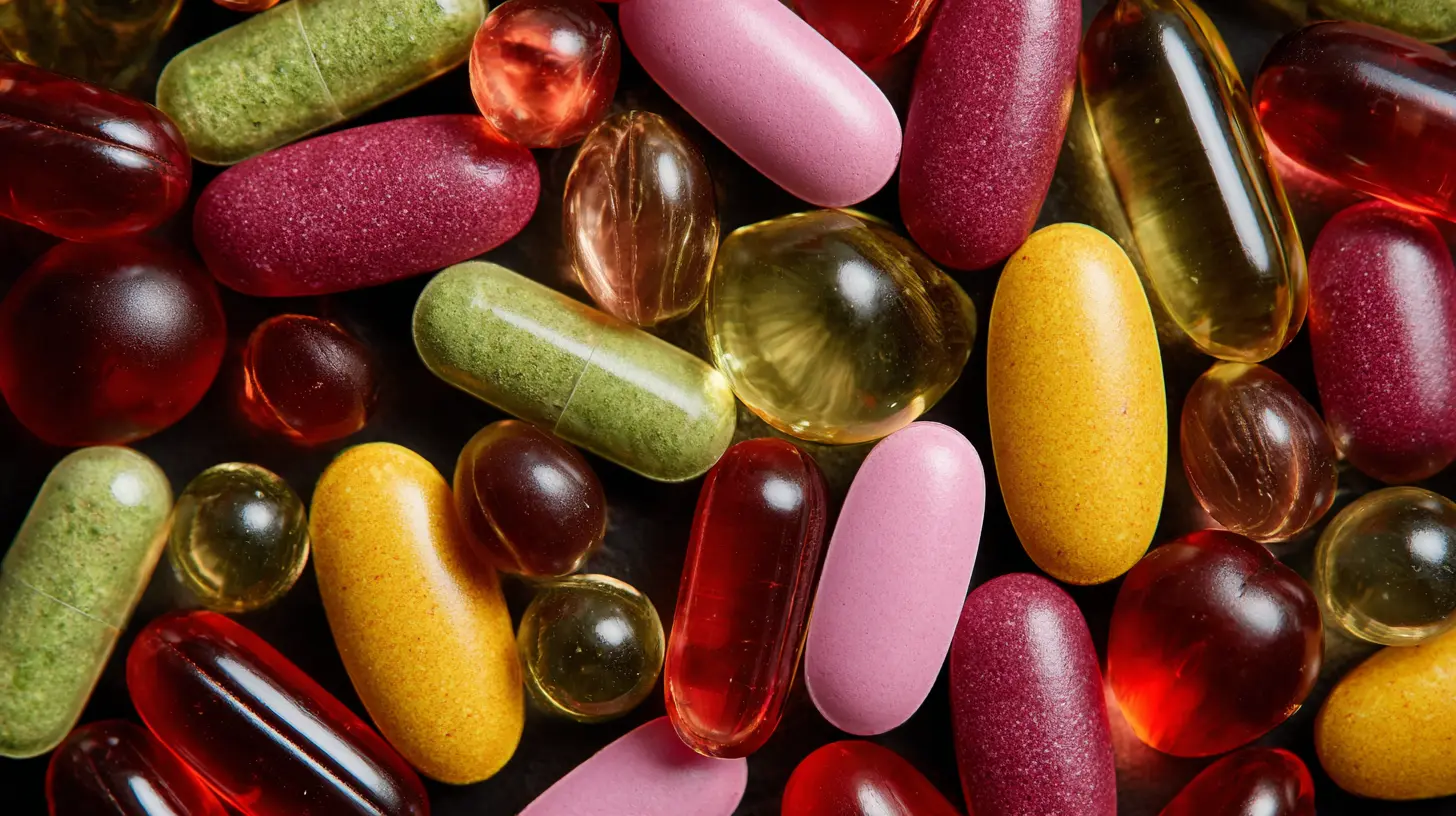
What Exactly Are Multivitamins?
Before we get into whether or not you really need them, let’s take a quick second to define what multivitamins actually are.Multivitamins are supplements that usually contain a combo of vitamins and minerals—think vitamin A, B-complex, C, D, E, K, iron, zinc, magnesium, and more. Their goal? To fill in the nutritional gaps in your diet and provide nutrients that you might not be getting enough of from food. Sounds like a no-brainer, right?
Well... not so fast.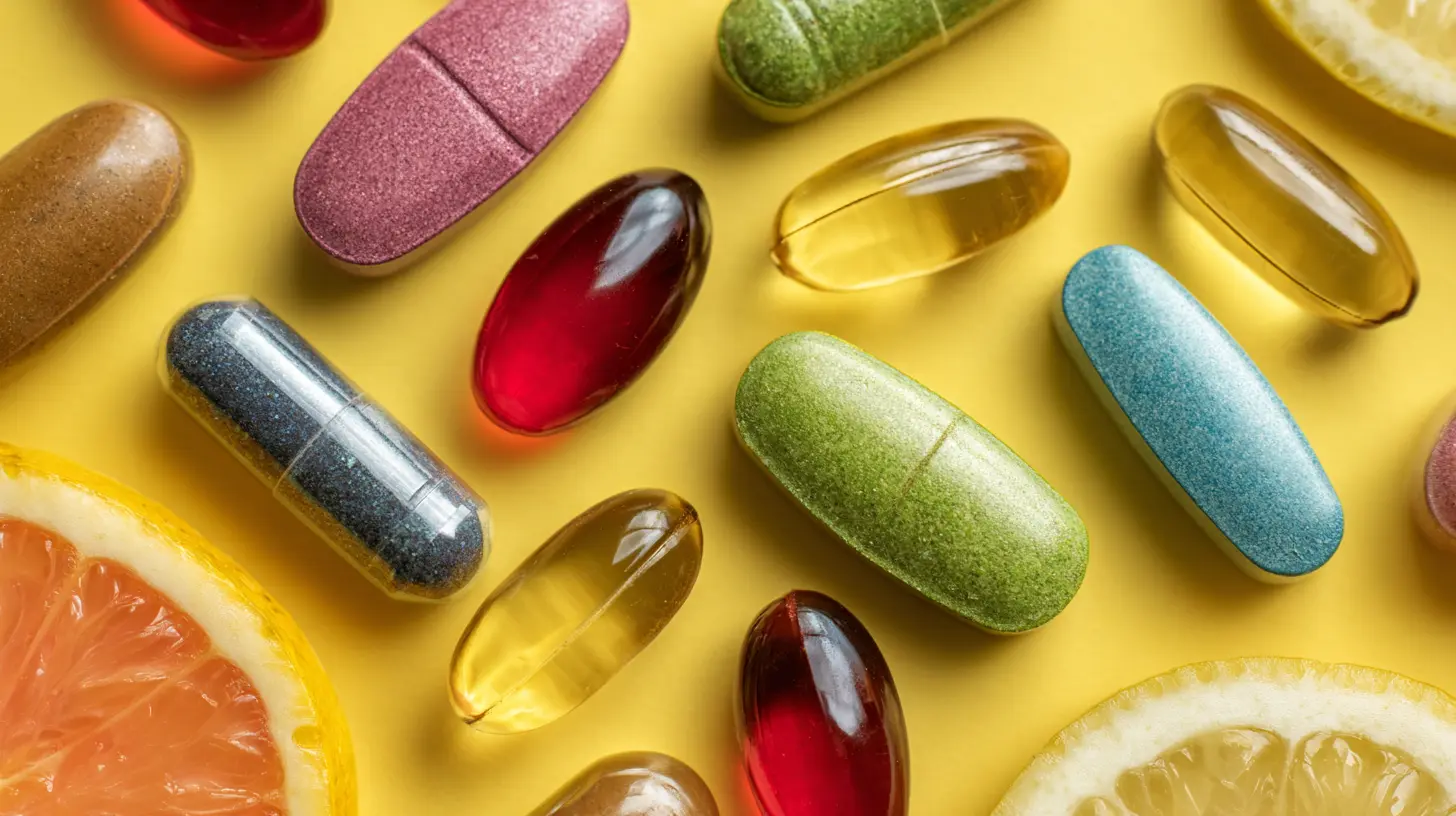
Myth #1: "Everyone Should Take a Multivitamin Daily"
Let’s bust this wide open.Most marketing campaigns would have you believe that taking a multivitamin every morning is as essential as brushing your teeth. But the truth? Not everyone needs one.
If you’re generally healthy and eat a balanced diet rich in fruits, vegetables, whole grains, healthy fats, and lean proteins, chances are you’re already getting what you need. In fact, multiple studies show that for the average person, multivitamins don't drastically improve health outcomes across the board.
Sure, certain groups of people benefit from supplements (more on that below), but for the average adult with access to nutritious food, multivitamins might be more of a habit than a necessity.
Takeaway: Don’t pop pills “just because.” If your diet is solid, you may not need that daily multivitamin.
Myth #2: "Multivitamins Can Prevent Chronic Diseases"
Multivitamins are often pitched like little superheroes that can swoop in and save us from heart disease, cancer, diabetes—you name it. Sounds awesome, right?But here's the deal: most research doesn't back up those claims.
A long-term study on nearly 15,000 male doctors found that taking a daily multivitamin didn't reduce the risk of major cardiovascular events. Another massive study involving over 160,000 postmenopausal women showed no significant difference in cancer rates between those who took multivitamins and those who didn’t.
So, while vitamins are essential for your body to function, that doesn’t mean more of them equals better health.
Takeaway: Multivitamins are supplements—not magic potions. They’re not your ticket to a disease-proof life.
Myth #3: "You Can’t Get All the Nutrients You Need From Food"
This one’s tricky. It’s technically true that some people struggle to get enough nutrients from their diets—but that’s not the case for everyone.Our modern food system (yes, even the processed stuff) is often fortified with key nutrients. For example, you’ll find folic acid in bread, cereals, and pasta. Milk is loaded with vitamin D. And let’s not forget leafy greens, nuts, and fish—they're basically nature’s multivitamins.
But—this is important—we all eat differently. Vegans, vegetarians, and people on restrictive diets might miss out on B12, iron, calcium, or omega-3s. Older adults may have trouble absorbing certain nutrients due to natural aging. And let’s face it, most of us aren’t eating five servings of veggies every day.
Takeaway: It’s possible to meet your nutritional needs through food, but modern lifestyles and dietary habits can make supplements helpful in some cases.
Myth #4: "More Is Better"
Just like eating too much cake can give you a stomachache, overdosing on vitamins can actually do more harm than good.Fat-soluble vitamins like A, D, E, and K get stored in your body. Take in too much, and there’s a risk of toxicity. For example, excessive vitamin A can cause liver damage. High doses of vitamin E may interfere with blood clotting, and too much iron? That can be downright dangerous, especially for kids.
That’s why it’s important to treat multivitamins like medication. More doesn’t mean better, and “natural” doesn’t always mean “safe.”
Takeaway: Moderation is key. Talk to your doctor before going wild with high-dose multivitamins.
Myth #5: "Multivitamins Give You Instant Energy"
Let’s get this straight—vitamins are not energy pills.They help your body convert food into energy, but they don’t contain calories themselves. If you’re low on energy, the culprit might be poor sleep, high stress, lack of exercise, or even dehydration—not a vitamin deficiency.
That said, if you’re deficient in something specific—like iron or vitamin B12—supplementing with that nutrient can improve energy levels. But don’t expect a magic jolt of vitality from a one-size-fits-all multivitamin.
Takeaway: More energy? That starts with your lifestyle, not your supplement routine.
When Might You Actually Need a Multivitamin?
Okay, now that we’ve sliced through the myths, let’s talk about when multivitamins do make sense.Here are some situations where a multivitamin or targeted supplement might be beneficial:
- Pregnant or breastfeeding women – need extra folic acid, iron, and calcium.
- Older adults – may struggle to absorb B12 or get enough D.
- People with dietary restrictions – like vegans, vegetarians, or those with food allergies.
- Chronic health conditions – such as Crohn’s disease, celiac disease, or other digestive disorders.
- Strict dieters or those with eating disorders – who aren't getting a wide variety of foods.
- People with limited sun exposure – might need vitamin D supplements if they rarely go outside.
In these cases, supplements can help "fill in the blanks."
Takeaway: Multivitamins aren't useless, but they’re not universal. Think of them like a band-aid—not a cure-all.
How to Choose the Right Multivitamin (If You Need One)
If you decide to take one, don’t just blindly pick the prettiest bottle on the shelf. Here’s what to look for:1. Go Easy on the Percentages
Look for multivitamins that don’t go way over 100% of the daily recommended value. More isn’t always better, remember?2. Target Your Needs
Don’t get a supplement for men over 50 if you’re a 30-year-old woman. Choose one tailored to your age, gender, and specific health goals.3. Quality Matters
Check for third-party testing (like NSF or USP seals). These ensure that the product actually contains what it says it does.4. Watch for Fillers
Some cheap vitamins are packed with artificial colors, dyes, or sugar. Yuck. Avoid those.5. Don’t Skip Food
Taking a multivitamin doesn’t give you a hall pass to eat junk all day. It’s there to supplement a healthy diet—not replace it.So, Are Multivitamins Really Necessary?
Here’s the honest truth:For some people? Yes.
For everyone? Nope.
Multivitamins can be a helpful addition to your health routine, but they’re not a must-have for everyone. If you’re generally healthy and eat a balanced diet, you might be just fine without them. But if your diet lacks variety, you have specific nutrient needs, or you fall into one of the groups we talked about? They might offer benefits.
Or think of it this way: they’re like backup dancers. Great to have when the show needs support. But they’re not the star of the health concert—your diet is.
Final Thoughts
The next time someone tries to sell you on a miracle multivitamin that promises longevity, superhuman energy, and invincibility—take it with a grain of salt. Better yet, take it with actual salt on a well-balanced plate of real food.Your body is smart. Feed it right, move it often, and check in with a healthcare provider before adding anything new to your routine. Multivitamins can help, but they’re not your ticket to a longer, healthier life. Only your habits can do that.
all images in this post were generated using AI tools
Category:
SupplementsAuthor:

Eileen Wood
Discussion
rate this article
1 comments
Blaze McClintock
This article presents a thoughtful look at multivitamins. While they can be beneficial for some, it's essential to focus on a balanced diet first. Individual needs vary greatly.
June 15, 2026 at 4:46 PM
Eileen Wood
Thanks for your insights! A balanced diet is key, and multivitamins can be a helpful addition for some. Individual needs definitely matter.