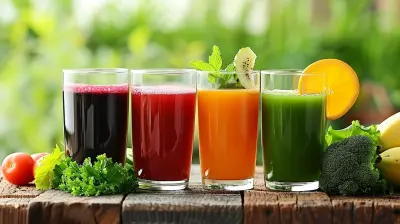
Are Greens Powders a Good Substitute for Vegetables?
26 August 2026
Let’s face it—most of us aren’t eating enough vegetables. Between hectic workdays, takeout dinners, and picky taste buds, it’s easy to fall short. Enter greens powders. These vibrant, nutrient-packed powders claim to be the ultimate veggie replacement. But the big question is—are greens powders a good substitute for vegetables?
Let’s break it down together. I’ll walk you through what greens powders are, how they stack up to actual veggies, and whether they’re a shortcut we can actually trust.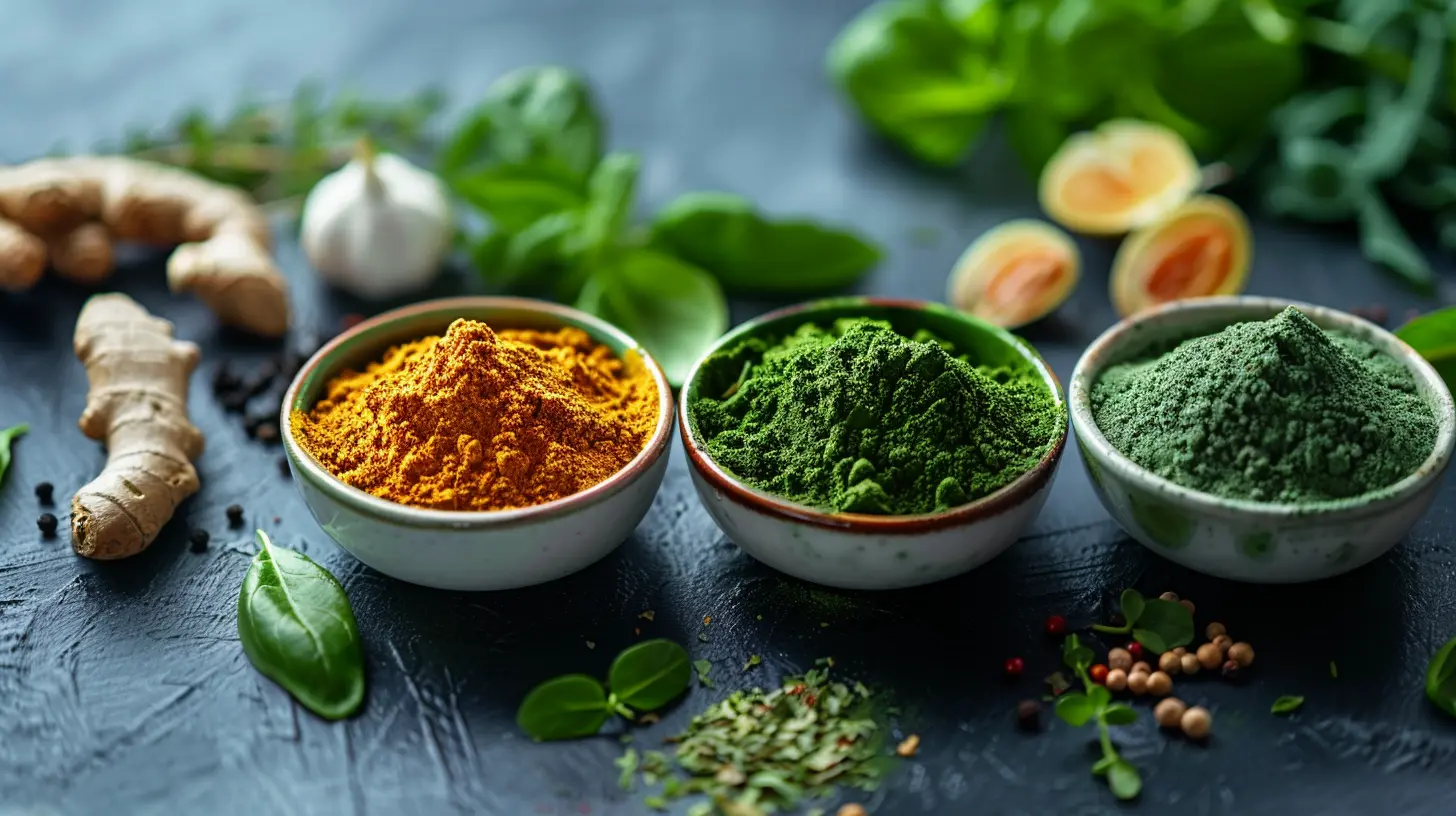
What Are Greens Powders, Anyway?
Greens powders are essentially powdered forms of various green vegetables, fruits, seaweed (yeah, like spirulina), grasses like wheatgrass, and sometimes herbs and probiotics. They're usually dried and ground into fine powder, making it super easy to toss a scoop into your smoothie or water bottle.Sounds like a health hack, right? But hold up—just because it’s green and healthy-looking doesn’t mean it’s a direct swap for the real deal.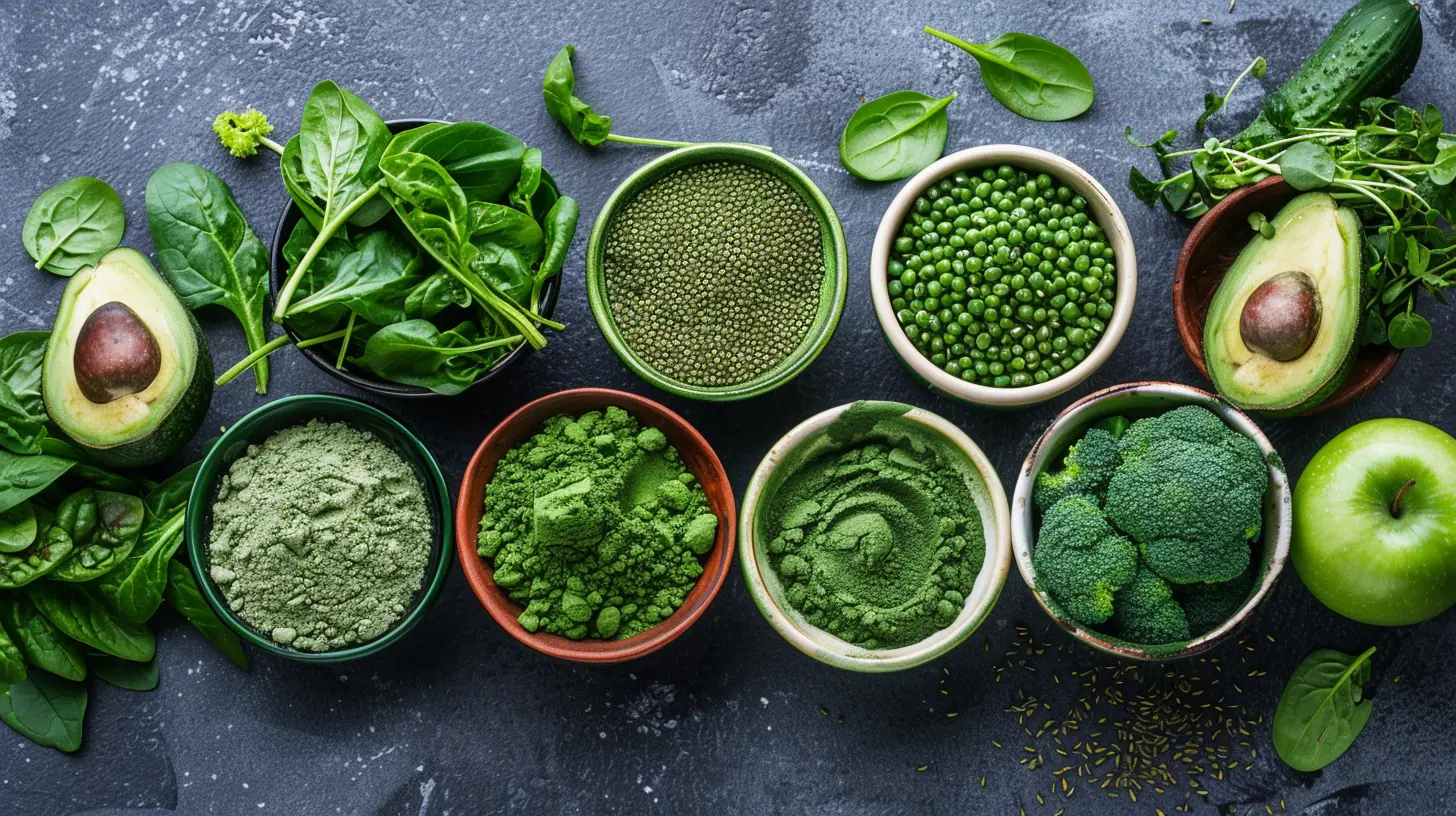
What’s Inside a Typical Greens Powder?
Not all greens powders are made equal, but most formulas include a blend of:- Leafy greens like spinach, kale, and parsley
- Sea greens like spirulina and chlorella
- Grasses like alfalfa and barley grass
- Fruits and vegetables for antioxidants
- Fiber (sometimes)
- Probiotics and digestive enzymes
- Herbs and mushrooms (like reishi or ashwagandha)
They’re often marketed as superfoods because they’re nutrient-dense. But here’s the catch: being nutrient-dense doesn’t automatically mean it can replace your salad or stir-fry.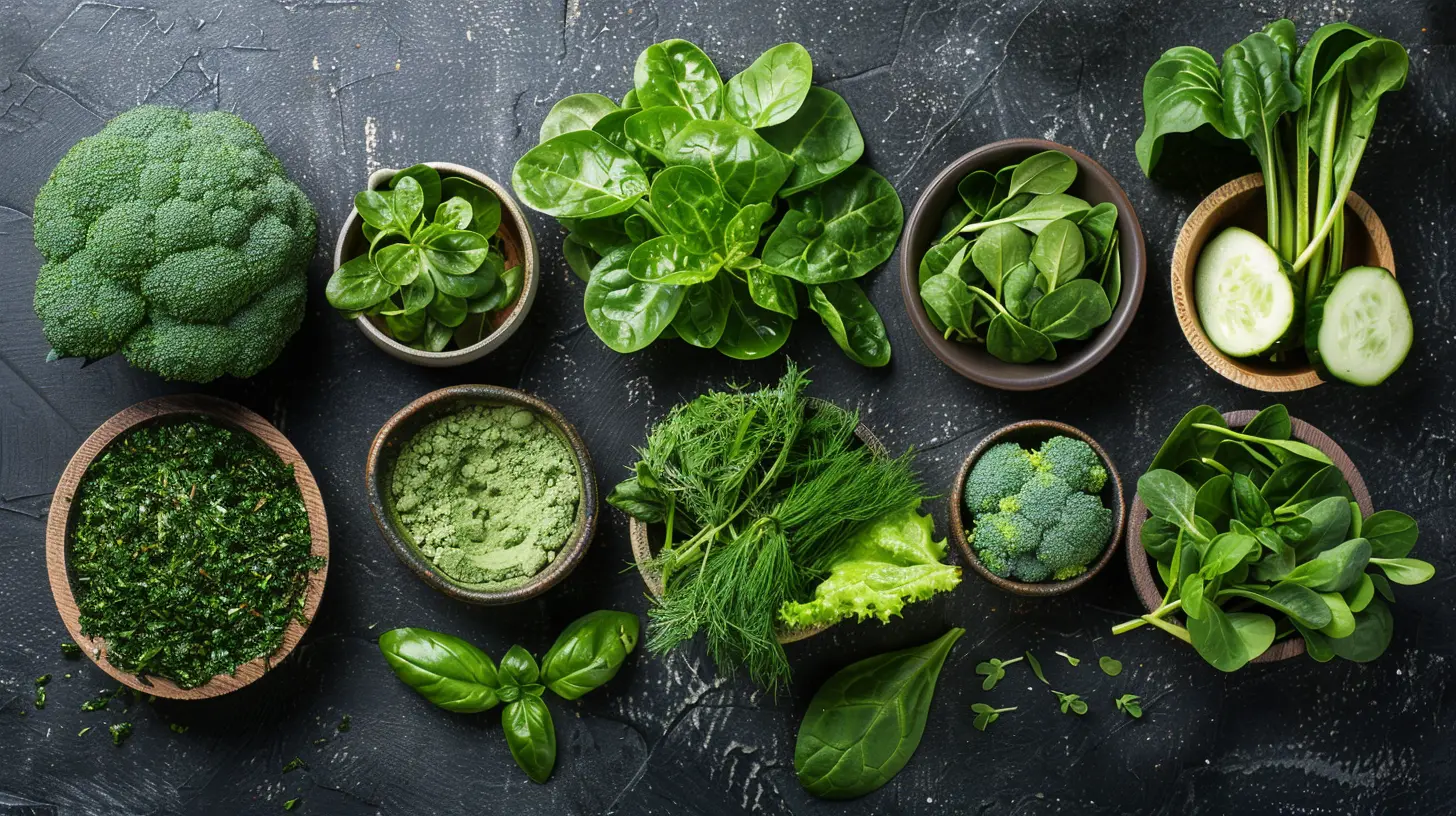
Greens Powders vs. Real Vegetables: The Face-Off
Alright, it’s time for a head-to-head comparison. Let’s pit greens powders against real vegetables in a few key areas.1. Nutrient Content
Vegetables are packed with essential vitamins and minerals like vitamin C, vitamin A, potassium, and magnesium. Greens powders often contain these too, but usually in smaller, concentrated forms.One thing to remember: processing can destroy or reduce some nutrients (like vitamin C), which are super sensitive to heat and light. So even though greens powders claim to be “nutrient-rich,” they often lose some of that power during production.
➡️ Winner: Real vegetables—they offer more complete and bioavailable nutrients.
2. Fiber Content
Here’s where greens powders majorly fumble. While many people think they’re getting enough fiber through supplements, most powders contain minimal dietary fiber.Fiber is crucial for digestion, blood sugar control, cholesterol, and keeping things… ahem, “moving along.” You need around 25-30 grams per day, and a scoop of greens powder just won’t cut it.
➡️ Winner: Real vegetables again—fiber is their secret weapon.
3. Phytochemicals & Antioxidants
Vegetables contain thousands of plant compounds called phytochemicals (like flavonoids and carotenoids). These have powerful effects: reducing inflammation, fighting disease, and protecting your cells.Some of these may be present in greens powders, but probably not in the same amounts or synergistic forms. Nature's version is like a full orchestra, while powders are playing solo.
➡️ Winner: Still vegetables—you just can’t replicate that natural complexity.
4. Satiety & Texture
Let’s talk fullness. Eating vegetables fills you up thanks to their water, fiber, and volume. A scoop of powder mixed into water? Not so much. It won’t curb your appetite or give you that satisfying crunch of a carrot or snap of green beans.➡️ Winner: Definitely real vegetables. Your stomach knows the difference.
5. Convenience
Okay, greens powders do score some points here. They’re quick, easy, and can travel anywhere. You don’t have to prep, cook, or chop. For someone always on the go, this is a big bonus.➡️ Winner: Greens powders. No doubt, they’re practical.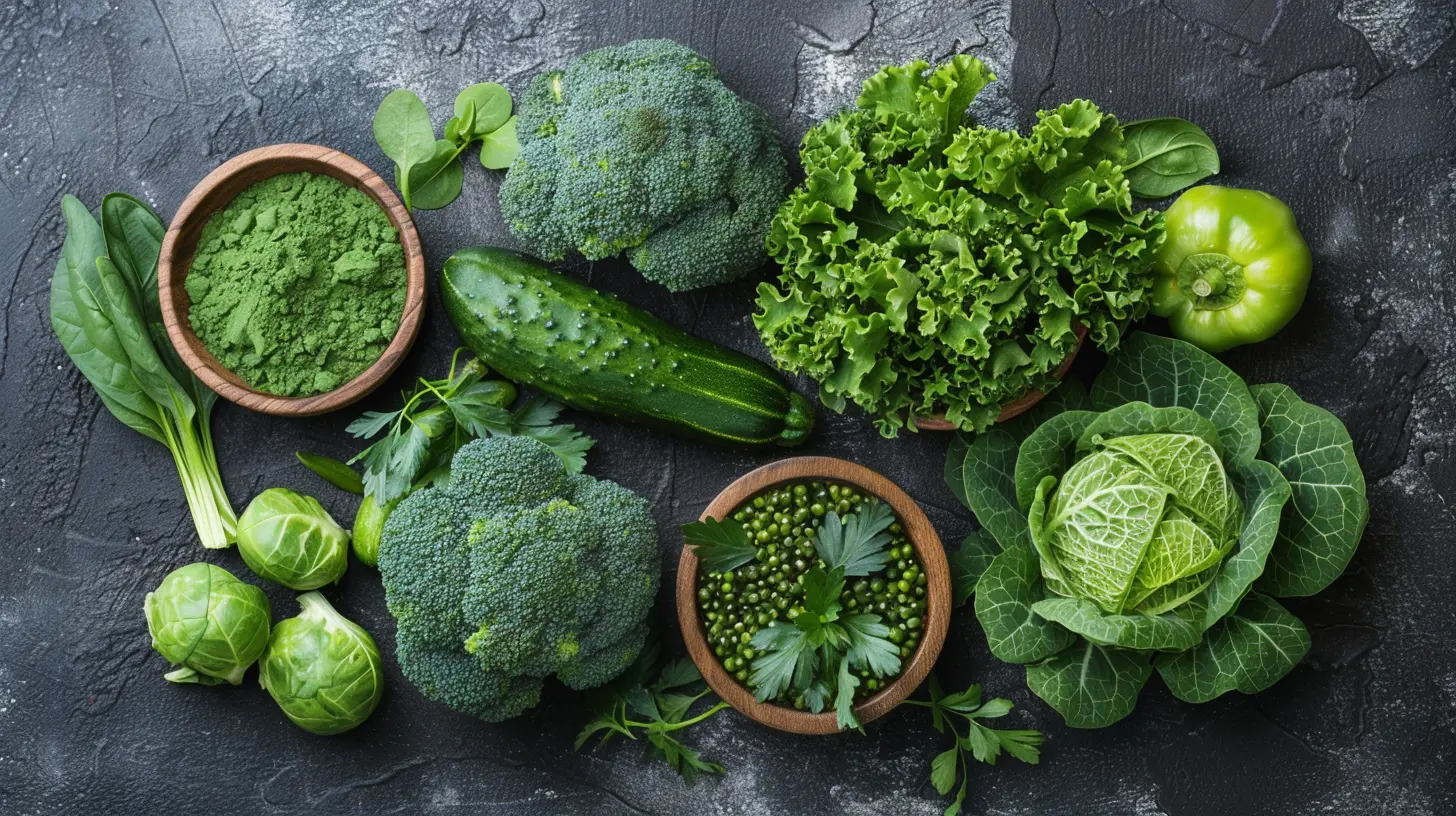
So, Can Greens Powders Actually Replace Vegetables?
Let’s be real: greens powders aren't bad. They're a fantastic supplement when you’re in a pinch, traveling, or trying to fill in nutritional gaps. But are they a full-on replacement for eating actual vegetables every day?Honestly… nope.
Think of them this way: greens powders are like the backup band. They’re useful, they add value, but they’re not the lead singer. Vegetables are the stars of the show—and they do more than just provide nutrients.
Here’s why you shouldn’t ditch your veggies just yet:
- They nourish your gut microbiome with real fiber.
- They hydrate your body thanks to high water content.
- They offer textures and flavors that support mindful eating.
- They may reduce your risk of chronic diseases, cancer, and obesity.
Greens powders can support your diet, but they can’t mirror the full package that real vegetables bring to the table.
When Greens Powders Can Be Useful
Alright, now that we’ve cleared the air—it doesn’t mean greens powders don’t have their place. If used wisely, they can be a handy tool in your nutrition toolbox.Here’s when they make sense:
✔️ You’re traveling or constantly on the go
Tossing a scoop into your bottle is easier than packing spinach in your suitcase.✔️ You’re still building better veggie habits
Let’s say you’re slowly learning to like veggies—powders can help bridge the gap.✔️ You have dietary restrictions
People with certain gut conditions or intolerances may have trouble with raw veggies. A powder could be easier on digestion.✔️ You’re looking for a nutrient boost
Maybe you’re feeling run-down or want to support your immune system—greens powders can help top off what you’re missing.But even in these cases, remember: it’s “supplement,” not “substitute.”
How to Choose a Quality Greens Powder
The supplement aisle can be a jungle—labels shouting “superfood!” and “all-in-one nutrition!” So how do you pick a good one?Look for these key features:
? No added sugars or artificial sweeteners
? Transparent ingredient list with specific greens
? Third-party tested (this ensures quality and safety)
? Organic or non-GMO sources when possible
? Contains probiotics or digestive enzymes (bonus points!)
And don’t forget to read the serving size and check if it actually has significant amounts of vitamins and minerals—not just a fairy dust sprinkling.
How to Add Greens Powders Into Your Routine
If you’re planning to give them a try, here are some easy ways to incorporate greens powders:- Blend into smoothies (don’t worry, the banana usually masks the taste)
- Stir into yogurt for a nutrient bump
- Mix with nut milk, water, or juice (start with half a scoop to test taste)
- Stir into overnight oats or energy balls
Pro tip: Some powders taste like grassy dirt. Pick one with good reviews—or mix it with flavorful ingredients like pineapple or ginger.
So, What’s the Bottom Line?
Let’s wrap this up with what you really need to know.Are greens powders a good substitute for vegetables?
? Short answer: Not really.
? Long answer: They can be a helpful supplement—but not a replacement.
Think of them as your nutrition sidekick, not your superhero. Real vegetables are packed with fiber, fresh enzymes, unique plant compounds, and the kind of nutrition you just can’t bottle.
So go ahead—add that greens powder to your morning shake if it helps you feel better. But don’t skip the spinach on your plate or the broccoli in your stir-fry. Your gut, immune system, and long-term health will thank you.
Final Thoughts
Eating more veggies can be a challenge, but it’s worth it. If you’re struggling, start small. One extra serving a day goes a long way. And if greens powders help you get a little closer to your goals? Great! Just don’t let them take center stage.Your body deserves the real deal. So chop, steam, roast, or blend—do whatever it takes to keep those veggies in your life. Powder or not, nothing beats nature’s original green goodness.
all images in this post were generated using AI tools
Category:
SupplementsAuthor:

Eileen Wood
Discussion
rate this article
1 comments
Kieran Heath
It's tough to get enough greens sometimes. Whole veggies offer benefits that powders can't replace.
August 31, 2026 at 2:52 AM
Eileen Wood
You make a great point. Whole veggies provide nutrients and fiber that powders often lack. Balance is key.