A Fresh Take on Fruit Salad: Techniques for Maximum Flavor
12 October 2026
Fruit salad has a reputation problem. Somewhere between the sad melon cubes at a hotel breakfast buffet and the brown-edged apple slices at a family reunion, this dish earned its status as the thing people push around their plate. That is a shame, because a properly made fruit salad can be one of the most refreshing, complex, and genuinely satisfying things you eat all summer.
The gap between mediocre fruit salad and exceptional fruit salad is not about exotic ingredients or expensive equipment. It comes down to technique. Understanding why fruit behaves the way it does, how flavors interact, and when to do what separates a bowl that disappears in ten minutes from one that sits untouched until someone finally throws it away.
This guide covers the science, the craft, and the practical decisions that go into making fruit salad worth eating. No gimmicks. Just the kind of knowledge that comes from years of actually paying attention to what happens in the bowl.
Why Most Fruit Salad Falls Flat
Before fixing anything, it helps to understand the common failure modes. Almost every disappointing fruit salad suffers from at least one of these problems.The Uniformity Trap
Dicing everything into identical cubes seems logical. It looks tidy. It photographs well for about five minutes. But different fruits have different textures, different water content, and different structural integrity. A perfect cube of watermelon and a perfect cube of banana do not belong in the same bite. The watermelon floods your mouth with liquid while the banana turns to paste. Uniformity in shape does not create harmony in flavor or texture.The Dressing Problem
Many recipes call for a dressing that does one of two things: it either adds nothing (a squeeze of lemon that disappears into the fruit's own juices) or it adds too much (a heavy syrup that turns everything into candy). The right approach depends entirely on what fruits you are using and what role the salad plays in the meal.The Timing Issue
Fruit salad is often assembled hours before serving. This is convenient for the cook and disastrous for the dish. Oxidation, enzymatic browning, osmosis, and texture degradation all begin the moment fruits are cut. Understanding which fruits tolerate time and which do not is essential.The Temperature Mistake
Serving fruit salad ice cold mutes its flavors. Our taste buds perceive sweetness and aromatic compounds more readily at slightly warmer temperatures. A salad pulled straight from the refrigerator tastes flatter than the same salad at cool room temperature.
Choosing Fruit: The Foundation of Flavor
The single most important decision you make is what goes in the bowl. No technique can rescue underripe fruit, and overripe fruit brings its own set of problems.Ripeness Is Not Optional
A fruit salad made with perfectly ripe fruit needs almost nothing else. A fruit salad made with underripe fruit needs sugar, and even then it will taste hollow. Learn to assess ripeness by feel and smell, not just color. A peach should yield slightly to gentle pressure near the stem. A melon should smell sweet at the blossom end. Berries should be deeply colored and fragrant.If you must use fruit that is slightly underripe, consider macerating it with a small amount of sugar and acid. This draws out juices and softens texture, but it will never fully replicate the complexity of properly ripened fruit.
Acid, Sweet, Aromatic: The Flavor Triangle
Think of fruit in terms of what it contributes to the overall profile.Acidic fruits brighten the salad and cut through sweetness. Think citrus, pineapple, kiwi, passion fruit, and certain berries like raspberries and blackberries.
Sweet fruits provide the base and body. Think mango, melon, grapes, cherries, figs, and ripe stone fruit.
Aromatic fruits add complexity and interest. Think fresh mint, basil, or tarragon if you count herbs as supporting players. Among fruits, consider lychee, dragon fruit, and certain varieties of melon that have a floral or musky quality.
A balanced fruit salad includes elements from at least two of these categories. A salad of nothing but sweet fruits tastes flat. A salad of nothing but acidic fruits makes your mouth pucker.
Texture Matters More Than You Think
Crisp, juicy, creamy, firm, tender, and crunchy are all textures you can layer into a single bowl. A salad with only soft fruits feels monotonous. Adding something with bite, whether that is jicama, apple, firm pear, or even toasted nuts, creates contrast that keeps each bite interesting.
Preparation Techniques That Actually Matter
How you cut and treat fruit affects how it tastes and how long it lasts. These are not minor details.Cut Size and Why It Varies
Instead of uniform cubes, aim for pieces that are similar in overall volume but different in shape. A wedge of peach, a halved grape, a chunk of pineapple, and a whole raspberry can all coexist if they are roughly the same size in your mouth. This approach respects each fruit's natural structure and creates more interesting spoonfuls.Berries generally go in whole. Stone fruit works well in wedges or thick slices. Melon benefits from chunks or irregular pieces. Citrus should be supremed, meaning the membranes are removed, so you get clean segments without chewy bits.
The Role of Acidulation
Many fruits brown when cut because enzymes react with oxygen. Apples, pears, bananas, avocados, and peaches are the usual suspects. Tossing these fruits in acid slows the reaction. Lemon juice, lime juice, or even a mild vinegar works.But here is the nuance: acidulation changes flavor. A peach tossed in lemon juice tastes like a peach with lemon juice on it. That is not necessarily bad, but it is a choice. If you want the pure flavor of the fruit, either serve it immediately after cutting or accept that some browning will occur. For most home cooks, a light toss in acid is a reasonable trade-off.
Maceration: When and How
Maceration means letting fruit sit with sugar, acid, or alcohol so it releases its juices and absorbs flavors. This technique works beautifully for firm fruits like peaches, plums, and berries. It works poorly for watermelon, which is already waterlogged, and for bananas, which turn mushy.To macerate, sprinkle cut fruit with a small amount of sugar, toss gently, and let it sit at room temperature for fifteen to thirty minutes. The sugar draws out liquid, creating a natural syrup. Add acid or herbs at the same time if using. Do not overdo the sugar. Start with a teaspoon per cup of fruit and adjust.
The Chill Factor
If you must refrigerate the salad, do it in a shallow container rather than a deep bowl. More surface area means faster and more even cooling. Bring the salad out fifteen to twenty minutes before serving to take the chill off.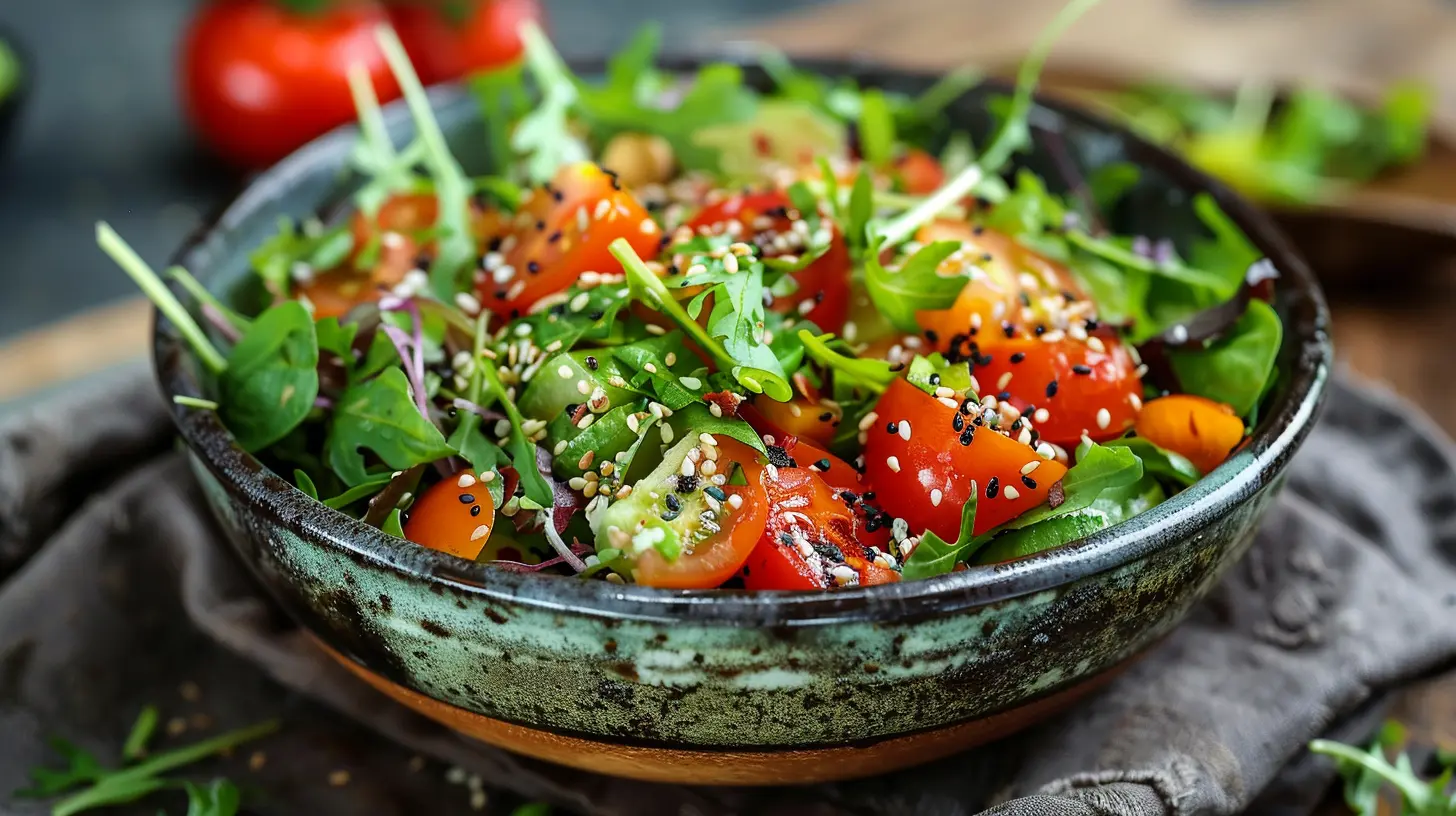
Dressings and Finishing Touches
A dressing can elevate a fruit salad or ruin it. The key is restraint.When to Skip Dressing Entirely
If your fruit is perfectly ripe and you are serving it immediately, you may not need anything. A squeeze of lime over mango and papaya. A few torn mint leaves over berries. That is enough. The fruit is the star.Simple Syrup and Its Variations
A light simple syrup, made by dissolving sugar in water, can add sweetness and gloss. But it also adds water, which dilutes flavor. A better approach for many salads is a syrup made from fruit juice or puree. Blend a few strawberries with a touch of honey and lime juice, strain if desired, and toss with the salad. This adds flavor rather than just sweetness.Acid Forward Dressings
For salads that include rich or very sweet fruits, an acid-forward dressing provides balance. Whisk together lime juice, a touch of honey, and a pinch of salt. The salt is important. It enhances sweetness and makes flavors pop. Dress lightly and toss just before serving.Herbs and Spices
Fresh herbs are the most underused tool in fruit salad. Mint is the classic choice, but basil, tarragon, lemon verbena, and even cilantro work beautifully with the right fruits. Add herbs just before serving, as they wilt quickly.Spices can also work. A pinch of chili powder or cayenne on mango and pineapple adds intrigue. Cinnamon or cardamom complements apples and pears. Black pepper on strawberries sounds odd but tastes remarkable.
Salt
Yes, salt. A tiny pinch of flaky sea salt on fruit salad sharpens flavors and reduces the perception of excessive sweetness. This is not about making the salad salty. It is about making everything else taste more like itself.Common Mistakes and How to Avoid Them
Even experienced cooks make these errors. Recognizing them is the first step to fixing them.Adding Bananas Too Early
Bananas brown quickly and turn mushy when tossed with acidic fruits. If you want bananas in your salad, add them at the very last moment or leave them out entirely. There is no technique that keeps them looking good for more than a few minutes.Overdressing
A heavy dressing masks the fruit. If you can taste the dressing more than the fruit, you have used too much. Dress lightly, toss gently, and taste as you go.Using Unripe Melon
Melon is one of the most common fruits in salads and one of the most frequently underripe. An underripe melon is bland and crunchy in an unpleasant way. If you cannot find a ripe melon, consider using a different fruit.Ignoring Water Content
Watermelon, cantaloupe, and honeydew release a lot of liquid when cut. If you combine them with other fruits, the liquid will pool at the bottom and dilute everything. Either serve watermelon-based salads immediately or drain the melon briefly before combining.Serving Too Cold
As mentioned earlier, cold mutes flavor. Let the salad sit out for a bit before serving. This is especially important if the salad contains aromatic fruits or herbs.
Building a Balanced Salad: A Practical Framework
Here is a simple framework for constructing a fruit salad that works every time.Start with a base of two or three sweet fruits. These provide volume and sweetness. Examples: mango, melon, grapes, cherries.
Add one or two acidic fruits. These provide brightness and balance. Examples: pineapple, kiwi, raspberries, citrus segments.
Add one textural element. This could be a crisp fruit like apple or jicama, or a crunchy topping like toasted coconut or nuts.
Add herbs or spices. Choose one or two that complement the fruits. Mint with berries and melon. Basil with peaches and strawberries. Tarragon with citrus and grapes.
Dress lightly. A squeeze of lime, a drizzle of honey, a pinch of salt. Toss gently.
Taste and adjust. Too sweet? Add acid. Too tart? Add a touch of honey. Flat? Add salt. Bland? Add herbs.
Real World Examples and Comparisons
To make this concrete, consider two approaches to the same basic ingredients.Example One: The Classic Fruit Salad
Diced cantaloupe, honeydew, pineapple, and grapes with a honey-lime dressing. This is the salad you have had a hundred times. It is fine. It is also predictable and often watery because the melon releases liquid and the dressing dilutes.Example Two: The Same Ingredients, Better Technique
Cantaloupe cut into irregular chunks and drained briefly. Honeydew left out because it was not ripe. Pineapple cut into wedges and lightly grilled to caramelize its sugars. Grapes halved. Dressed with lime juice, a tiny amount of honey, and torn mint leaves. Served at cool room temperature.The second version takes slightly more effort but tastes dramatically better. The grilling adds depth. The draining prevents sogginess. The mint adds freshness. The lime provides brightness. The irregular shapes create more interesting bites.
Example Three: A Savory Approach
Watermelon chunks, feta crumbles, thinly sliced red onion, and torn mint with a lime vinaigrette. This is technically a fruit salad, though it leans savory. It works because the saltiness of the feta and the bite of the onion balance the sweetness of the watermelon. The acid in the vinaigrette ties it together.This style of salad is worth trying if you are bored with sweet fruit salads. It pairs well with grilled meats and hearty grain dishes.
Make Ahead and Storage Considerations
Fruit salad is best fresh, but life requires planning. Here is how to manage.If making ahead, choose fruits that hold up well. Melon, pineapple, grapes, and firm berries are good choices. Avoid bananas, apples, pears, and peaches unless you are willing to accept some deterioration.
Store undressed fruit salad in an airtight container in the refrigerator. Add dressing and herbs just before serving.
If the salad has already been dressed, it will keep for a day or two, but the texture will decline. The liquid will pool. The herbs will wilt. It will still be edible, but it will not be at its best.
For longer storage, consider freezing fruit for smoothies rather than trying to keep a salad fresh. Frozen fruit salad is a sad proposition.
Final Thoughts
Fruit salad is not complicated. It does not require special skills or expensive ingredients. It requires attention. Pay attention to ripeness. Pay attention to balance. Pay attention to timing. Taste as you go. Adjust as needed.The best fruit salad is the one that tastes like the fruit, not like a dressing or a syrup or a sad memory of a buffet line. Treat the fruit with respect, and it will reward you.
all images in this post were generated using AI tools
Category:
Healthy DessertsAuthor:

Eileen Wood