Understanding HMPV: The Virus Currently Spreading in China
January 7, 2025 - 16:44
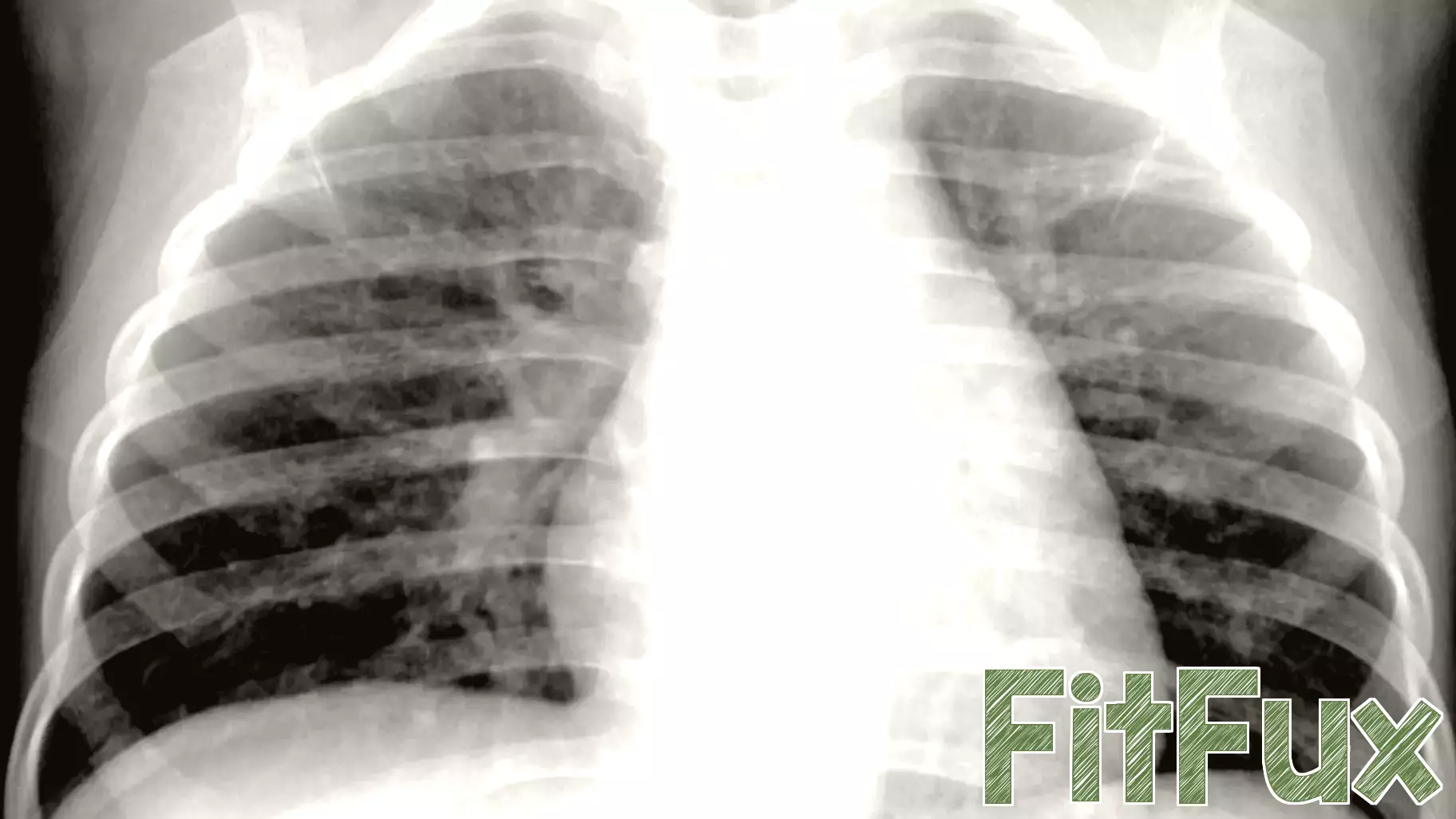
As cases of Human Metapneumovirus (HMPV) rise in China, medical experts emphasize that the current situation is markedly different from the onset of the COVID-19 pandemic five years ago. HMPV, a respiratory virus identified over two decades ago, is known to cause mild to moderate respiratory illnesses, particularly in young children, the elderly, and those with weakened immune systems.
Unlike COVID-19, which was a novel virus with no prior exposure in the human population, HMPV is relatively common and has been circulating globally for years. Symptoms of HMPV can include cough, fever, and shortness of breath, similar to other respiratory infections. However, most cases are self-limiting and do not require hospitalization.
Health authorities continue to monitor the situation closely, urging the public to maintain good hygiene practices and seek medical advice if symptoms arise. The ongoing spread of HMPV serves as a reminder of the importance of respiratory health, especially during seasonal peaks of viral infections.
MORE NEWS

October 8, 2026 - 09:17
House Health Committees Face Influx of Democratic CandidatesA large group of Democratic candidates is competing for positions on two of the most influential health committees in the House of Representatives. The contest reflects how much weight lawmakers...

October 7, 2026 - 22:14
Baptist Health and Seale Harris Clinic to Anchor Hoover Riverwalk Health CenterBaptist Health and Seale Harris Clinic have signed leases to become the lead tenants at the planned Riverwalk Health & Wellness Center in Hoover, with the facility set to bring a new wave of...

October 7, 2026 - 14:50
Rising Stars: How VML Health’s Molly Kanofsky turns ‘an idea on a page’ into real-world impactMolly Kanofsky did not set out to build a career in pharmaceutical marketing. Her path took a sharp turn she never saw coming, and that detour ultimately placed her at VML Health, where she now...

October 6, 2026 - 20:42
Nursing Program Expands Congenital Syphilis TrainingUniversity of Cincinnati Women`s Health Nurse Practitioner students are gaining evidence-based education on screening, diagnosis and treatment of syphilis during pregnancy through a national...