Projected Medicaid Cuts to Intensify Strain on Free Health Clinics
July 18, 2025 - 05:32
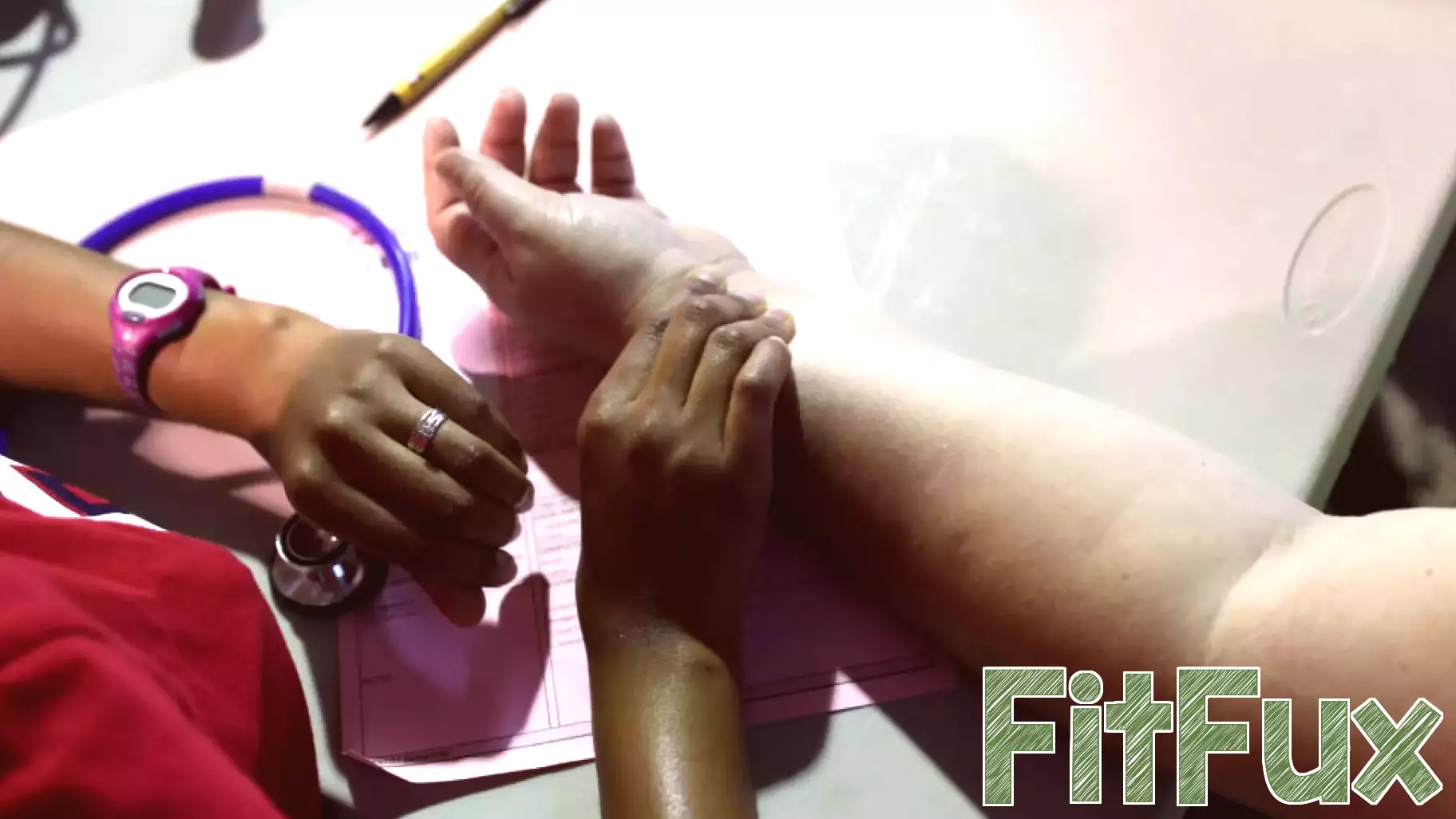
As millions are expected to lose their Medicaid coverage, free and charitable health clinics are bracing for an increased influx of patients. With estimates suggesting that around 17 million individuals could be affected, these clinics, already operating on tight budgets, are likely to face unprecedented challenges.
Free health clinics serve as a vital resource for uninsured and underinsured populations, providing essential medical services to those who cannot afford them. However, the anticipated cuts to Medicaid funding could overwhelm these facilities, leading to longer wait times and reduced services. Many clinics rely heavily on donations and volunteer support, but with rising demand and limited resources, the sustainability of these services is at risk.
Advocates are calling for increased financial support and resources to ensure that these clinics can continue to operate effectively. Without intervention, the health outcomes for millions of vulnerable individuals could deteriorate, exacerbating existing disparities in access to healthcare.
MORE NEWS

October 8, 2026 - 09:17
House Health Committees Face Influx of Democratic CandidatesA large group of Democratic candidates is competing for positions on two of the most influential health committees in the House of Representatives. The contest reflects how much weight lawmakers...

October 7, 2026 - 22:14
Baptist Health and Seale Harris Clinic to Anchor Hoover Riverwalk Health CenterBaptist Health and Seale Harris Clinic have signed leases to become the lead tenants at the planned Riverwalk Health & Wellness Center in Hoover, with the facility set to bring a new wave of...

October 7, 2026 - 14:50
Rising Stars: How VML Health’s Molly Kanofsky turns ‘an idea on a page’ into real-world impactMolly Kanofsky did not set out to build a career in pharmaceutical marketing. Her path took a sharp turn she never saw coming, and that detour ultimately placed her at VML Health, where she now...

October 6, 2026 - 20:42
Nursing Program Expands Congenital Syphilis TrainingUniversity of Cincinnati Women`s Health Nurse Practitioner students are gaining evidence-based education on screening, diagnosis and treatment of syphilis during pregnancy through a national...