Nuclear power drive boosts southwestern uranium mills — and tribal health concerns
September 3, 2026 - 07:51
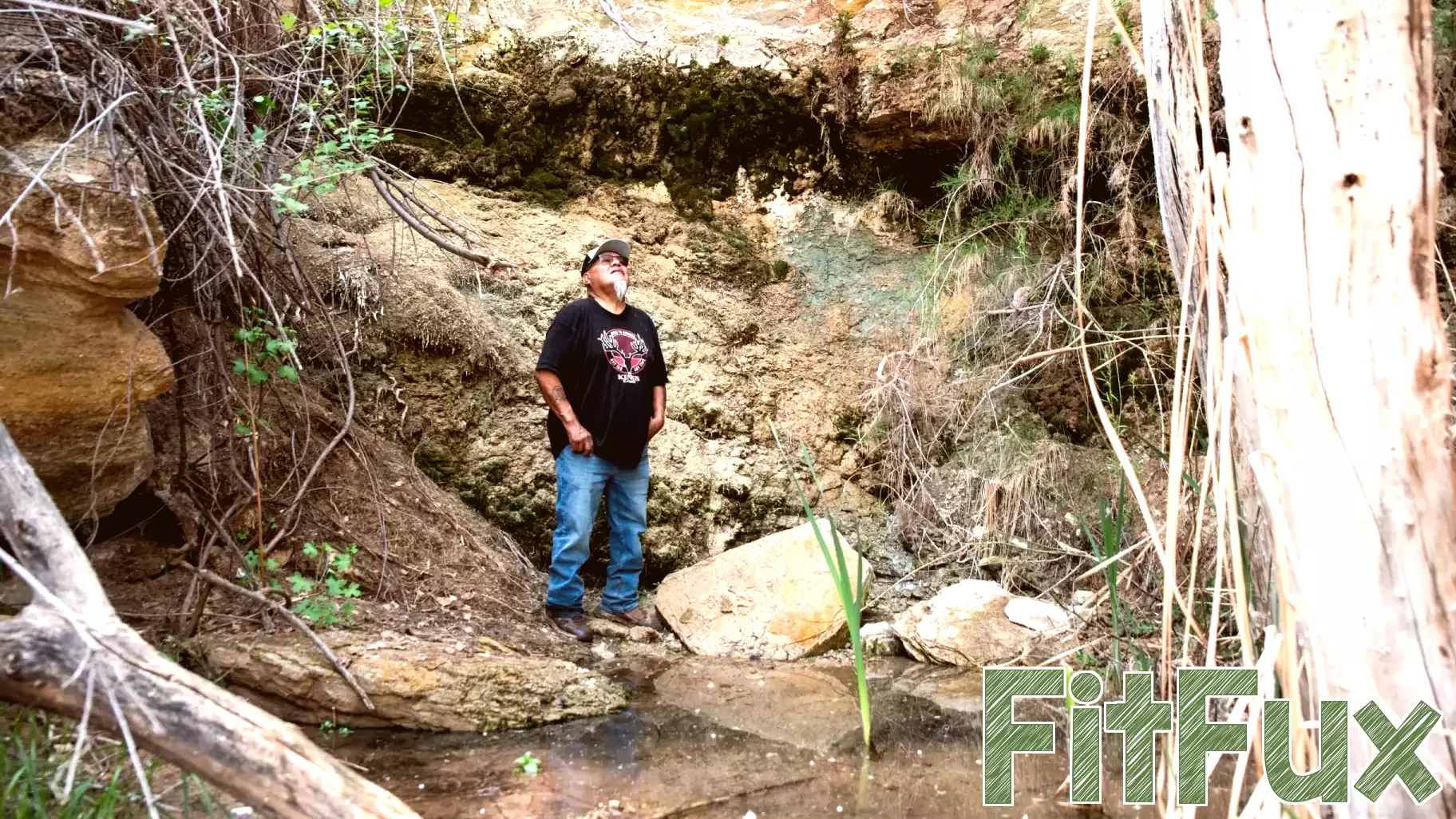
A renewed federal push for nuclear energy is driving new life into southwestern uranium processing, but the revival is stirring fresh anxiety among tribal nations who say the industry's footprint threatens the water they depend on. In Utah, the White Mesa Mill, one of the last conventional uranium mills in the country, is now processing more ore as the Trump administration presses for domestic fuel production. But the Havasupai Tribe and the Ute Mountain Ute Tribe say the facility sits too close to land they hold sacred and to aquifers they have used for generations.
The mill, which has operated for decades, stores its waste in lined ponds. Company officials say those liners are inspected and meet all federal and state rules. But tribal leaders are not convinced. They point to past leaks and to the fact that the mill sits above the same geological formations that feed springs and wells far beyond the plant's property line. They want independent testing, not just the operator's data, and they want a say in any permit changes that could allow more waste or longer storage.
The tension comes at a moment when Washington is courting uranium miners as a way to reduce reliance on foreign imports, especially from Russia. Federal agencies have offered incentives and expedited reviews for new projects. That has boosted stock prices and reopened old mines in Colorado, New Mexico, and Arizona. But it has also reopened old wounds. The Havasupai, whose home is deep in the Grand Canyon, say they have never been consulted about the mill's expansion. The Ute Mountain Ute, whose reservation lies just north of the mill, say they have watched for years as trucks haul ore past their homes.
The Nuclear Regulatory Commission, which oversees the mill, says it will hold public meetings before any new license amendment is approved. But tribal representatives say those meetings often happen after decisions are already drafted, and that their technical concerns are waved off as emotional. They are asking for a formal government-to-government consultation, and for a full hydrogeological study that traces where the mill's waste could actually travel over the next century.
For now, the mill continues to run. The uranium it produces is headed for fuel assemblies used in commercial reactors across the country. Supporters say that is a clean-energy win. But for the tribes, clean energy cannot come at the cost of clean water. They are not asking for the mill to close, they say. They are asking for proof that it will not poison what they cannot replace.
MORE NEWS

October 18, 2026 - 23:36
University to Host 12th Annual Health Professions Fair on Nov. 4The Aggie Career Studio at New Mexico State University will hold its 12th annual Health Professions Fair on Wednesday, Nov. 4, giving students, alumni, and community members a chance to explore...

October 18, 2026 - 15:39
Teladoc Health Adds AI Tools as Shares Stay Under PressureTeladoc Health (TDOC) has introduced two artificial intelligence tools inside its Solo platform, SoloVitals and SoloScribe, designed to support contactless vital sign tracking and reduce the...

October 17, 2026 - 18:09
Kathleen Haunted House Turns Fright Night Into Mental Health SupportAs Halloween season settles over Middle Georgia, a haunted attraction in Kathleen is doing more than delivering scares. The site has added a mental health mission to its lineup, pledging to donate...

October 17, 2026 - 02:15
County Weighs Four Options for Jail HealthcareBernalillo County officials are reviewing four potential models for the future of healthcare services at the Metropolitan Detention Center, a decision that will shape medical care for thousands of...