Why Walking Is Still One of the Best Exercises
10 October 2026
Walking gets overlooked because it looks too simple. There is no equipment to buy, no membership card to swipe, no leaderboard to climb. It does not produce the dramatic before-and-after photos that sell fitness programs. And yet, if you stripped away every trendy workout and left people with just one option, walking would still cover more ground than almost anything else. That is not nostalgia talking. It is physiology.
The human body is built to walk. Our hips, knees, ankles, and spine form a system optimized for upright movement over distance. When you walk, you are not asking your body to do something foreign. You are asking it to do something it already knows how to do, and that familiarity is exactly why walking works so well for so many people, at so many stages of life.
The Body Was Designed for This
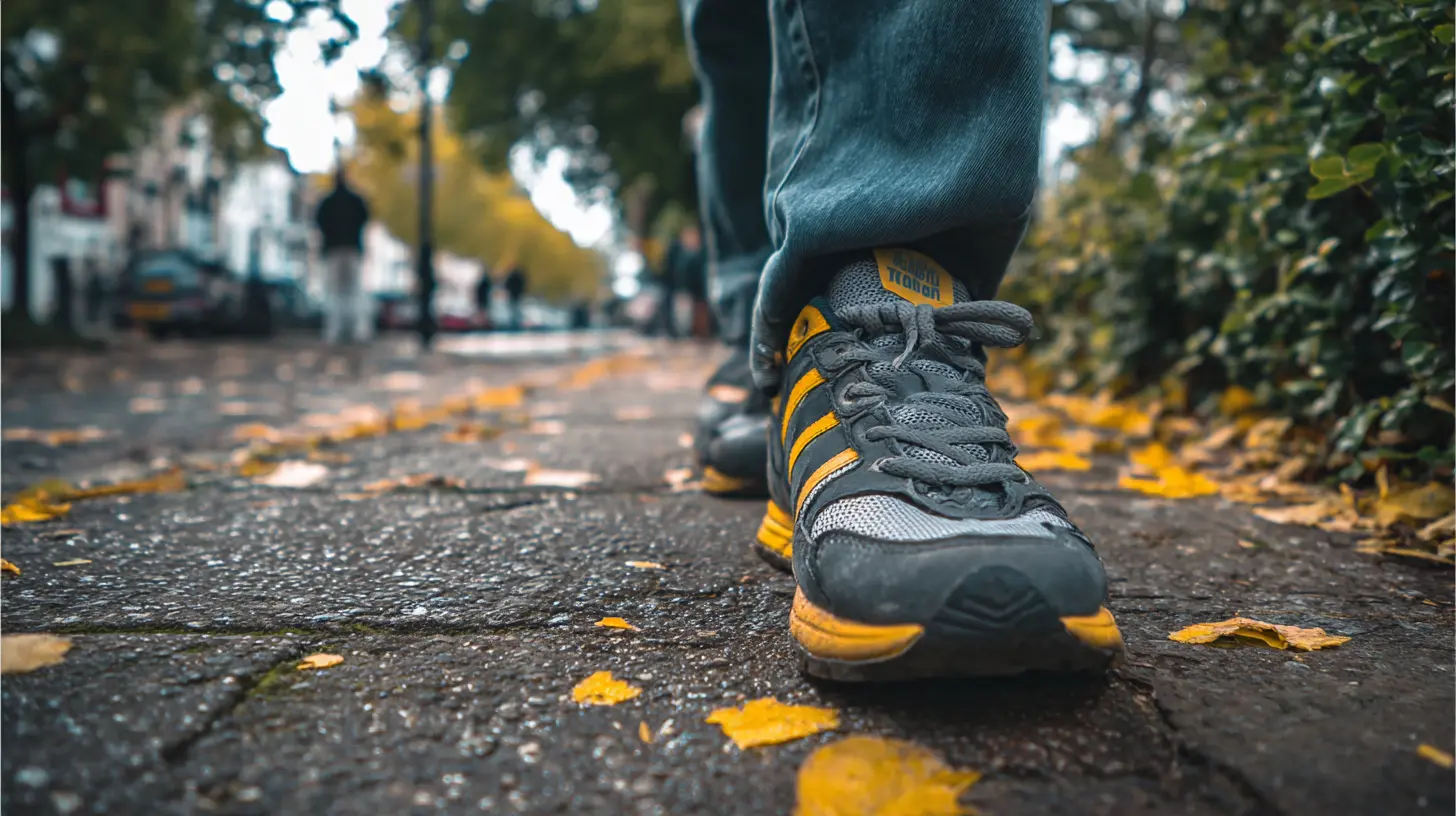
Think about what happens during a single step. Your heel strikes, your foot rolls forward, your ankle pushes off, your knee bends, your hip extends, and your opposite arm swings to counterbalance. Meanwhile, your core stabilizes your spine, your heart adjusts blood flow, and your lungs match oxygen intake to demand. This sequence repeats thousands of times per hour without conscious thought.Compare that to a burpee or a heavy barbell squat. Those movements require coaching, warm-ups, and recovery. Walking requires none of that. It is self-regulating. When you get tired, you slow down. When you feel good, you speed up. Your body manages the intensity automatically, which is a massive advantage for consistency.
This is why walking remains relevant across the entire lifespan. A teenager walking to school, a new mother pushing a stroller, a fifty-year-old managing blood pressure, and an eighty-year-old maintaining balance all use the same basic movement pattern. The dose changes. The movement does not.
What Walking Actually Does Inside Your Body
Cardiovascular Benefits
When you walk at a brisk pace, your heart rate rises into a moderate zone. This is the zone where the heart muscle gets a meaningful workout without being pushed to its limit. Over time, this kind of regular moderate cardiovascular work can improve how efficiently your heart pumps blood and how well your blood vessels respond to changes in demand.The key word here is "moderate." You do not need to be gasping for air. You need to be moving enough that your heart is working harder than it does at rest, and doing it often. Frequency matters more than intensity for most people starting out.
Metabolic Effects
Walking uses both fat and glucose for fuel. The ratio shifts depending on pace, duration, and your fitness level, but the important point is that walking helps your muscles pull sugar out of your bloodstream. This is especially useful after meals. A short walk after dinner can help moderate the blood sugar spike that follows eating, which is one reason walking is often recommended as part of a routine for people managing type 2 diabetes or prediabetes.Joint and Bone Health
Unlike running, walking keeps at least one foot on the ground at all times. This reduces impact forces on your joints. For people with knee osteoarthritis or sensitive hips, walking is often tolerable when higher-impact activities are not.At the same time, walking is a weight-bearing activity. That means it sends signals to your bones to maintain density. It is not as potent as resistance training for bone health, but it is far better than swimming or cycling in this regard. For older adults worried about osteoporosis, a daily walk is a reasonable baseline, especially when combined with strength work.
Mental and Cognitive Effects
Walking outdoors exposes you to daylight, which helps regulate your circadian rhythm. That matters for sleep quality, mood, and energy levels throughout the day. The rhythmic nature of walking also appears to have a calming effect on the nervous system, which is one reason it is often recommended for stress management.There is also something to be said for the mental space walking creates. No screen, no notifications, just movement. Many people find that their best thinking happens during a walk, not at a desk.
Why Walking Beats Many "Better" Workouts for Most People
Here is a comparison that rarely gets made honestly.| Factor | Walking | High-Intensity Training | Running |
|---|---|---|---|
| Injury risk | Low | Moderate to high | Moderate to high |
| Recovery needed | Minimal | Significant | Moderate |
| Equipment required | None | Often significant | Shoes |
| Accessibility | Very high | Moderate | Moderate |
| Consistency potential | Very high | Lower for most | Moderate |
| Time efficiency | Lower per session | Higher per session | Higher per session |
Walking loses on time efficiency. A thirty-minute walk burns fewer calories than a thirty-minute run. That is true. But time efficiency is not the same as results efficiency.
If you can run three times a week but walk seven times a week, the walker may accumulate more total movement, more total calorie expenditure, and more cardiovascular benefit over the course of a month. Consistency compounds. Intensity without consistency does not.
This is not an argument against hard training. It is an argument for being honest about what you will actually do. The best exercise program is the one you follow. For a large portion of the population, walking is the one that sticks.
Common Misconceptions About Walking
"Walking does not count as real exercise"
This is the most persistent myth. Walking absolutely counts. It elevates heart rate, uses major muscle groups, burns calories, and improves cardiovascular health. The confusion comes from comparing walking to more intense activities and concluding that because it is less intense, it is worthless. That is like saying a small salary is worthless because a large salary exists. Both are money. Both count."You need 10,000 steps or it does not matter"
The 10,000-step figure originated from a marketing campaign, not from scientific research. It is a nice round number, not a magic threshold. Research generally shows that benefits accumulate well below 10,000 steps, and that the biggest gains come from moving from very low activity to moderate activity. Going from 2,000 steps to 5,000 steps is a bigger health improvement than going from 8,000 to 11,000 for most people."Walking is only for beginners or older people"
Walking is for anyone who wants a sustainable, low-risk way to move. Plenty of highly fit people walk daily as a complement to their harder training. It aids recovery, supports circulation, and provides mental reset. It is not a stepping stone you graduate from. It is a foundation you keep."You need special shoes or gear"
You need shoes that fit and do not cause blisters. That is about it. Specialty walking shoes, compression socks, and fitness trackers can be helpful, but they are optional. The movement is the intervention. Everything else is support.How to Walk Effectively: Practical Guidance
Pace
A common benchmark is the "talk test." If you can hold a conversation but not sing, you are in a moderate-intensity zone. That is the sweet spot for most health benefits. If you can sing easily, you are walking too slowly for cardiovascular conditioning. If you cannot speak in short sentences, you are pushing too hard for a sustainable daily habit, though occasional faster bouts are fine.Duration
Thirty minutes a day is a common recommendation, but it does not have to happen all at once. Three ten-minute walks provide similar benefits to one thirty-minute walk for most health outcomes. This matters for people with busy schedules. Walking to the store, walking during a phone call, walking after meals, and walking the dog all count.Frequency
Daily is ideal. Five days a week is a solid target. Three days a week is a reasonable minimum if you are just starting. The goal is to make walking a normal part of your day, not a special event.Terrain
Flat ground is easier and more sustainable for daily walks. Hills add intensity and challenge different muscles. Mixing both is smart. If you live in a flat area, consider adding a few minutes on stairs or a treadmill incline to get some of the benefits of hill walking.Posture
Walk tall. Imagine a string pulling the top of your head upward. Keep your shoulders relaxed, your gaze forward, and your arms swinging naturally. Avoid staring at your phone, which throws off your posture and reduces the mental benefits of being outdoors.Progression
Start where you are. If ten minutes feels like a lot, do ten minutes. When that feels easy, add five minutes. When that feels easy, pick up the pace for part of the walk. Gradual progression prevents injury and keeps you motivated.
Walking After Meals: A Simple Habit With Real Payoff
One of the most practical uses of walking is the post-meal walk. After eating, especially a meal containing carbohydrates, blood sugar rises. Muscles that are contracting during a walk take up glucose, which can blunt that rise.You do not need to walk for an hour. Ten to fifteen minutes is enough to make a difference for many people. This is not a replacement for medical treatment if you have diabetes, but it is a low-cost, low-risk habit that can support blood sugar management.
The best part is that it fits naturally into daily life. Finish dinner, put on your shoes, walk around the block. No gym, no planning, no special clothes.
Walking for Mental Health and Creativity
There is a reason many writers, thinkers, and leaders throughout history have been known to take daily walks. Walking appears to free up cognitive resources. The movement is automatic, so your mind is not occupied with the mechanics of moving. That leaves room for ideas to surface and problems to be processed.If you work at a desk, a mid-day walk can break up long periods of sitting, reset your attention, and reduce the afternoon slump. If you work from home, it can serve as a transition between work mode and personal time. If you are dealing with stress, the combination of movement, daylight, and fresh air is hard to beat.
When Walking Might Not Be Enough
Walking is excellent, but it is not a complete fitness program on its own. Here is where it falls short and what to do about it.Strength
Walking does not build significant muscle mass or maximal strength. If your goal is to stay strong as you age, prevent falls, or maintain muscle, you need resistance training. Two short sessions per week of basic strength work, such as squats, push-ups, rows, and carries, can cover most of the bases. Walking complements this. It does not replace it.High-Intensity Cardio
Walking at a moderate pace does not push your cardiovascular system to its upper limits. Some research suggests that high-intensity interval training offers benefits that moderate exercise does not, particularly for certain aspects of heart and lung function. If you enjoy harder workouts and your body tolerates them, including some higher-intensity work is reasonable. If you do not, walking still provides substantial cardiovascular benefit.Bone Density
Walking helps maintain bone density, but it is not as effective as heavier loading. If osteoporosis is a concern, talk to a doctor or physical therapist about adding appropriate strength and impact work.Calorie Burn for Weight Loss
Walking burns calories, but the amount is modest compared to more intense activities. For weight loss, diet plays a larger role. That said, walking supports weight management by increasing daily energy expenditure and helping regulate appetite and blood sugar. It is a useful tool, not a magic bullet.Common Mistakes to Avoid
Doing too much too soon. Going from no walking to an hour a day can cause shin splints, foot pain, or knee irritation. Build gradually.Ignoring pain. Discomfort that persists or worsens is a signal to back off and get it checked. Walking should not cause sharp pain.
Walking in poor footwear. Worn-out shoes or shoes that do not fit well can lead to blisters, foot pain, and even hip or knee issues. Replace shoes when they break down.
Treating it as all-or-nothing. A ten-minute walk is better than no walk. Do not skip it because you cannot do thirty minutes.
Walking the same route every day. Variety keeps things interesting and challenges your body in different ways. Change direction, terrain, or pace occasionally.
Not hydrating. Even mild dehydration can affect how you feel during and after a walk. Drink water before and after, especially in warm weather.
Making Walking a Habit That Sticks
Habits stick when they are easy, obvious, and satisfying. Apply that to walking.Make it easy. Keep shoes by the door. Choose routes close to home. Do not require special conditions.
Make it obvious. Link walking to something you already do. After morning coffee. After lunch. After dinner. After dropping the kids at school. The existing routine becomes the cue.
Make it satisfying. Track your walks if that motivates you. Listen to a podcast or audiobook you only allow yourself during walks. Walk with a friend. Walk somewhere pleasant. Pair the habit with something you enjoy.
A Realistic Weekly Template
Here is one way to structure a week that includes walking without making it the only thing you do.- Monday: 30-minute brisk walk
- Tuesday: 20-minute walk plus 15 minutes of bodyweight strength work
- Wednesday: 30-minute walk, relaxed pace
- Thursday: 20-minute walk plus 15 minutes of strength work
- Friday: 30-minute brisk walk
- Saturday: Longer walk, 45 to 60 minutes, maybe somewhere new
- Sunday: Rest or a short, easy walk
This is not a prescription. It is an example. Adjust based on your schedule, fitness, and goals. The point is that walking fits alongside other activities without competing with them.
The Bottom Line
Walking is not a consolation prize. It is not what you do when you cannot do "real" exercise. It is a legitimate, effective, flexible, and remarkably sustainable form of movement that improves cardiovascular health, supports metabolism, protects joints, aids mental health, and fits into almost any life.It will not make you a powerlifter. It will not replace every other form of training. But for the vast majority of people, it will do more good than the workout program they never start. The best exercise is still the one you will actually do tomorrow, and the day after that, and the day after that. For millions of people, that exercise is walking.
Put on your shoes. Step outside. Go.
all images in this post were generated using AI tools
Category:
Physical FitnessAuthor:

Eileen Wood