Why Size Inclusivity in Beauty and Fashion Brands is Essential
5 April 2026
Let’s be real for a second: why is it that for decades, beauty and fashion have catered to just one body type? As if there’s a one-size-fits-all version of beauty. Spoiler alert—there isn’t. The world is full of diverse bodies, shapes, and sizes, and it’s high time the fashion and beauty industries caught up. That’s where the idea of size inclusivity steps in, not as a trend, but as a necessary shift toward representation, respect, and reality.
In this article, we’re diving deep into why size inclusivity in beauty and fashion brands isn’t just essential—it’s non-negotiable. If you’ve ever felt left out shopping for clothes or makeup, stick around. You’re not alone.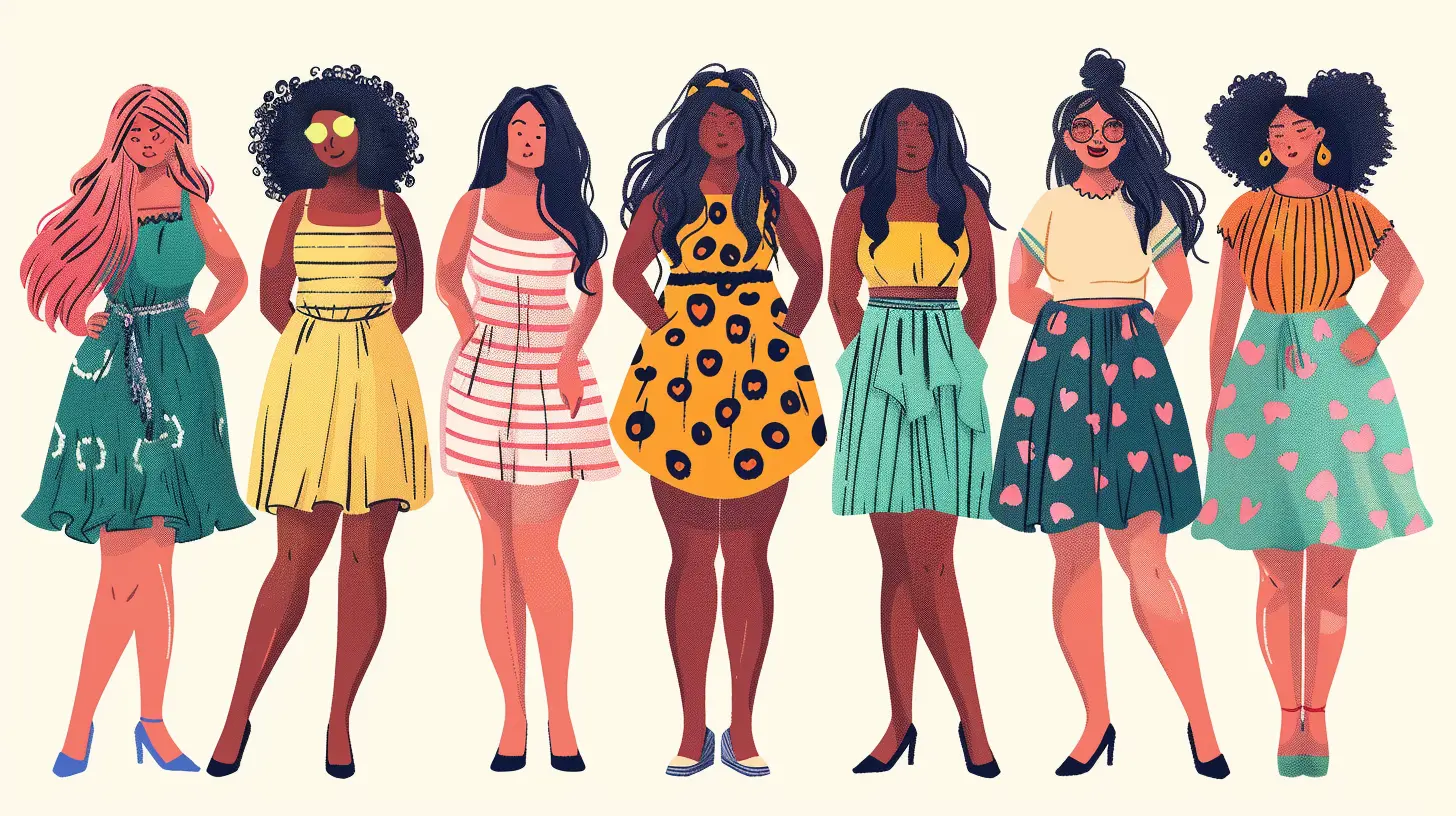
The Ugly Truth About Historical Beauty Standards
For way longer than it should’ve lasted, beauty and fashion standards have idolized thinness. Think about runway models, magazine covers, and even mannequins in stores—what do they have in common? Yup, they all tend to push one narrow body ideal. And the damage is real.When brands only promote one type of body, they’re unintentionally telling the rest of us that we’re not "ideal." That message sticks, especially when we’re young, and it can lead to a warped sense of self-worth, disordered eating, and mental health struggles.
But here’s the thing: the “ideal” body doesn’t exist. Bodies are naturally diverse. They have hips, bellies, cellulite, scars—and they deserve love and representation just as much as anyone else.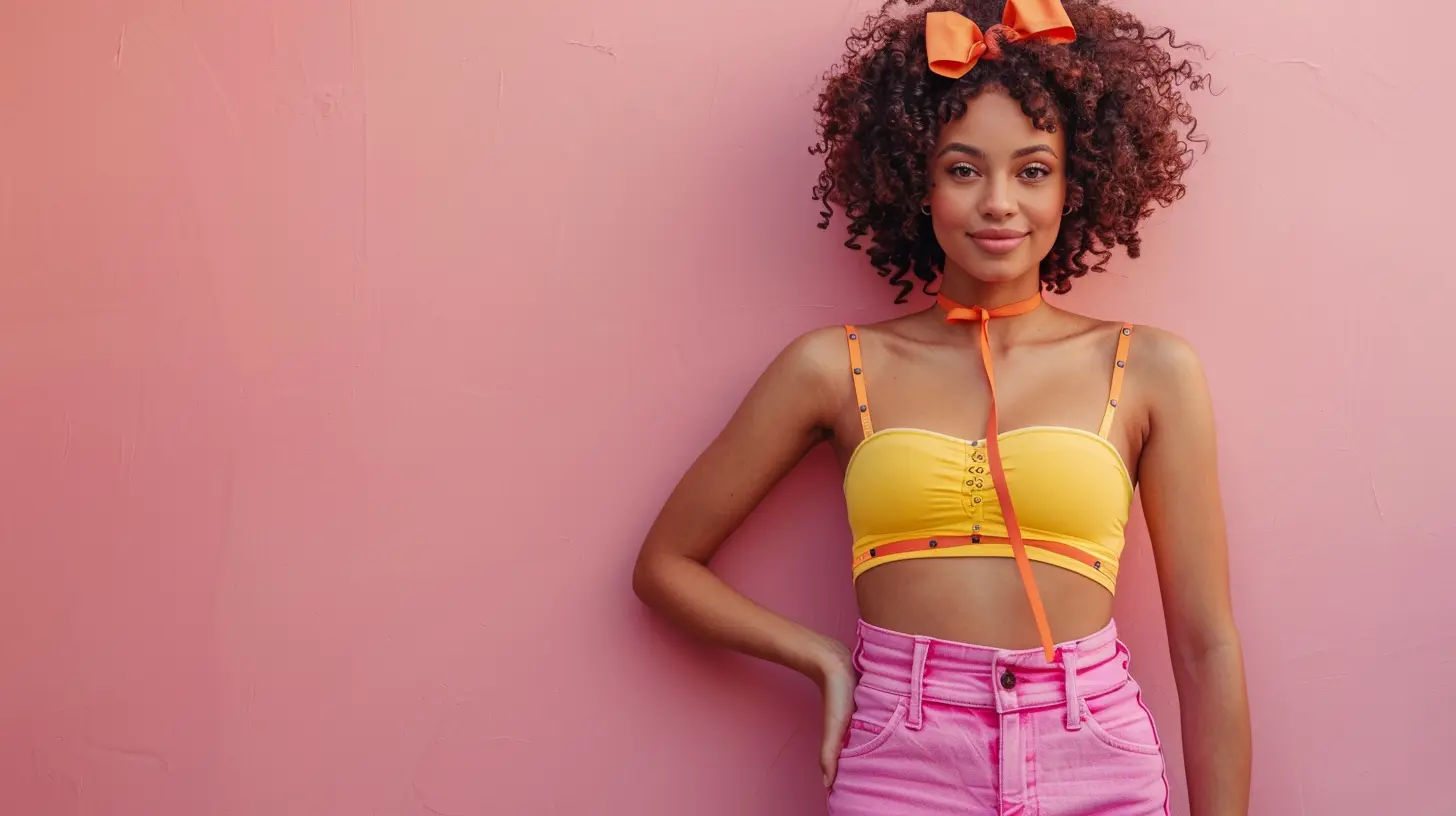
What Size Inclusivity Really Means
Size inclusivity doesn’t just mean offering a few plus-size options on the back rack of a store. Nope, it’s way more than that. It means:- Designing intentionally for all sizes, not just scaling up from a sample.
- Using diverse models in campaigns—on Instagram, in ads, and in stores.
- Stocking all sizes in-store and online, equally and without price inflation.
- Avoiding tokenism—because one size-18 model next to five size-2s doesn’t cut it.
Size inclusivity is about equality. It’s about recognizing that every body deserves to feel fashionable, beautiful, and seen.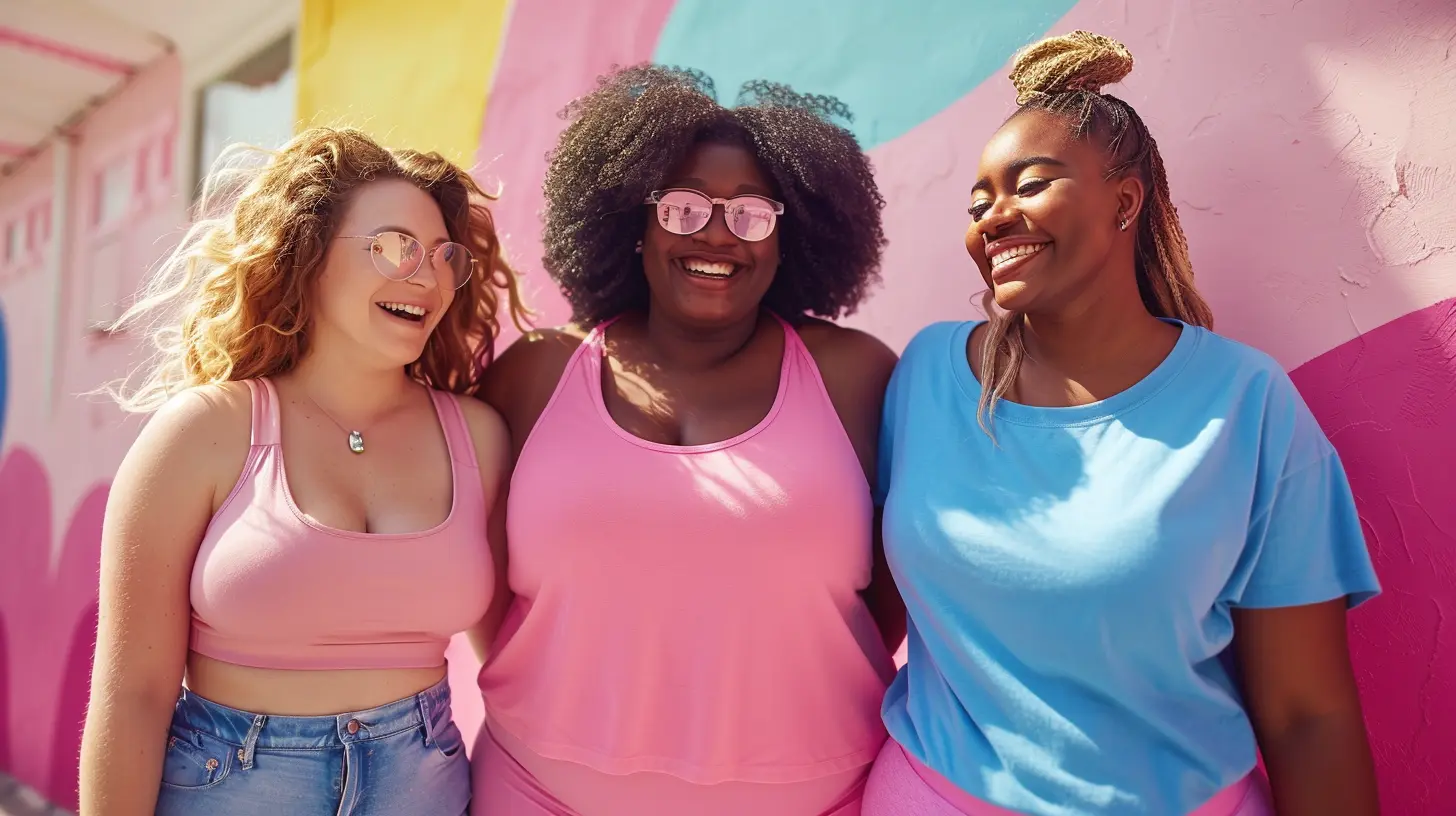
Why It’s Crucial for Mental Health
Let’s talk about confidence for a sec. How many of us have walked out of a dressing room feeling defeated because nothing fit? It’s not your body that’s the problem—it’s the clothes. When fashion brands don’t cater to your size, it sends a toxic message: you’re not worthy of their product.This kind of exclusion feeds into low self-esteem and body image issues. According to multiple psychological studies, being constantly exposed to unrealistic beauty standards can trigger anxiety, depression, and even eating disorders. On the flip side, seeing someone who looks like you on a billboard or wearing a brand you love? That’s empowering.
Brands have a massive influence on how we feel about ourselves, whether they know it or not. So when they step up and embrace size diversity, they’re not just selling clothes—they’re building self-worth.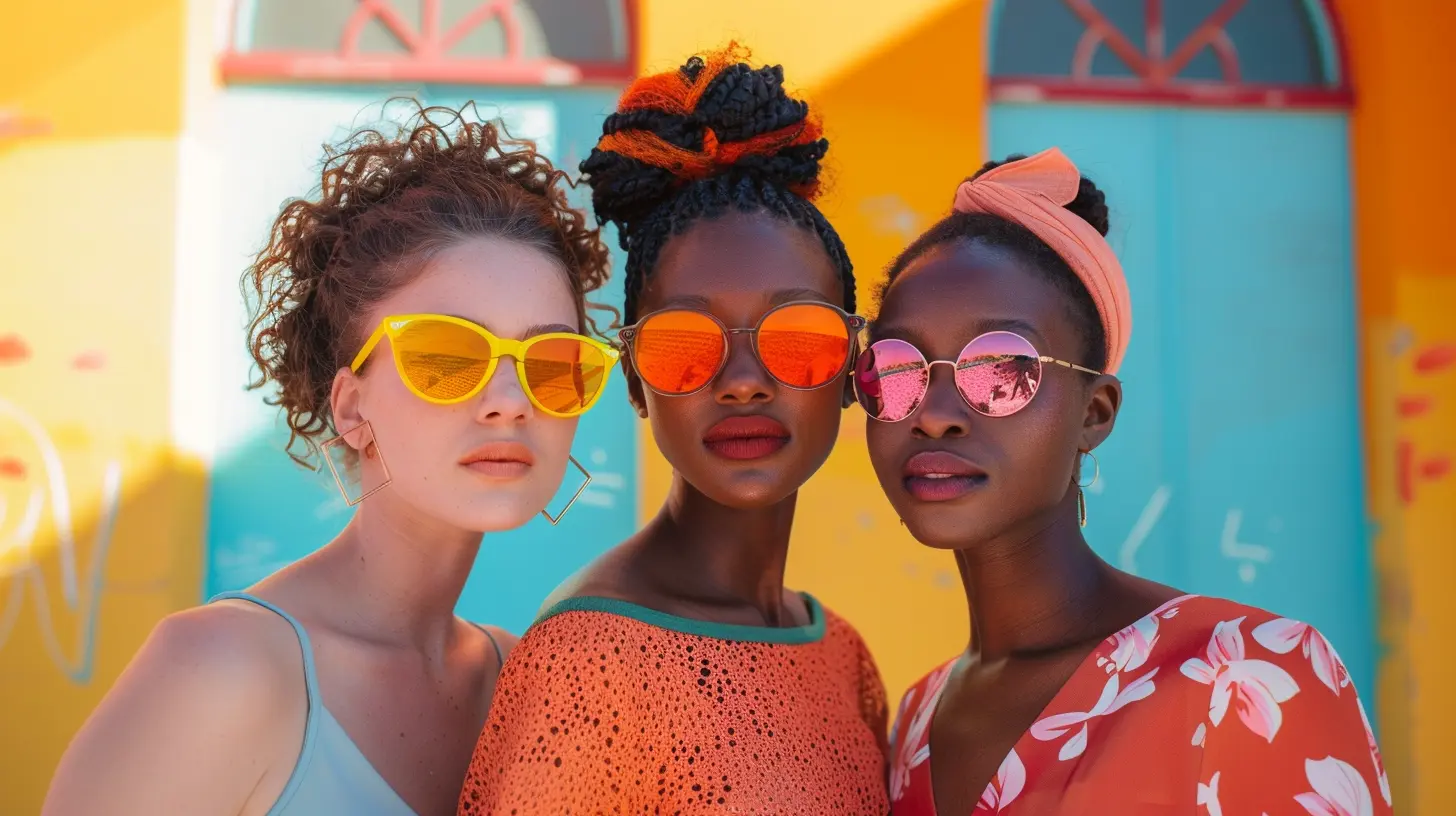
Representation Matters—More Than You Think
Here’s a quick question: how do you feel when you see someone who looks like you in a fashion ad or a makeup campaign? Validated? Seen? Maybe even a little emotional? That’s the power of representation.People want to see themselves reflected in the media they consume. They want to imagine themselves in that dress or that lipstick shade. When brands stick to showcasing just one body type, they’re erasing a huge chunk of their audience—and let’s be honest, that chunk is the majority.
So when brands embrace size inclusivity, they’re saying: “Hey, we see you. You belong here.” And that kind of acknowledgment is pure gold.
The Business Case: Size Inclusivity Is Profitable
If you’re thinking, “Okay, but what’s in it for the brands?”—the answer is simple: money. According to market research, the plus-size market is worth billions. Yet so many brands still shy away as if including larger sizes is some kind of burden.Newsflash: people are eager to spend money on brands that value them. Look at companies like Savage X Fenty, Universal Standard, or Aerie. They saw the need, addressed it, and skyrocketed because of it. Inclusive brands don’t just do the right thing morally—they also win big financially.
When a brand is inclusive, it builds trust, loyalty, and community. That’s the kind of relationship every marketing team dreams of.
Fashion Is a Form of Self-Expression—For Everyone
Why do we get dressed up? Why do we love makeup? Because it makes us feel something. Fashion and beauty are powerful tools for self-expression, identity, and empowerment. Everyone deserves access to that—including people in bigger bodies.Excluding larger sizes is like telling someone they can’t join in the fun. It limits creativity. Fashion should never be about restriction; it should be about freedom. Freedom to try trends, to define your style, to feel amazing in your own skin.
Let’s not forget: confidence is the best accessory. And size inclusivity helps make that confidence possible—for everyone.
Size Inclusivity in Beauty: It’s More Than Foundation Shades
We often talk about size inclusivity in fashion, but the beauty industry isn’t off the hook either. Inclusion doesn’t stop at foundation shades. It means:- Designing packaging that’s easy for everyone to hold and use.
- Featuring faces of all shapes, features, skin types, and conditions.
- Offering products like contour kits or highlighters that work for all face structures—not just one.
When beauty brands broaden their concept of who gets to be beautiful, it shifts the entire culture. And let’s be honest, beauty isn’t one-size-fits-all either. It never has been.
Influencers and Social Media: Driving the Movement
Love them or hate them, influencers have changed the game. Social media has created a space where people of all shapes and sizes can show up and show out. Curvy fashion influencers, plus-size makeup artists, and body neutrality activists are pushing back against the norm—and brands are finally listening.These creators are building massive followings because they’re real, relatable, and refreshingly honest. And because shoppers trust authenticity, brands collaborating with size-inclusive influencers are seeing better engagement, better loyalty, and better returns.
Can we call that a win-win? Absolutely.
The Path Forward: Holding Brands Accountable
Here's the deal: saying you’re inclusive isn’t enough. Brands need to walk the talk. More transparency. More representation. More accessibility. Because words without action are just marketing fluff.So what can we do as consumers?
- Support brands that actually practice size inclusivity.
- Speak out on social media when something feels performative or exclusive.
- Share, celebrate, and amplify inclusive campaigns.
- Don’t settle for being an afterthought.
Our wallets have power. Our voices have power. And when we demand better, brands have no choice but to rise to the occasion.
Breaking Down Common Myths
Let’s take a moment to bust a few myths:- “Making plus-size clothes is more expensive.” Not really. If indie brands can do it on a budget, so can billion-dollar corporations.
- “Larger bodies don’t sell.” False. They do—and the success of inclusive lines proves it.
- “Inclusive campaigns alienate thin customers.” Nope. Representing more people doesn’t exclude others; it broadens the narrative.
These myths have held the industry back for years. Time to let them go.
The Bigger Picture: Inclusivity Fuels Social Change
Size inclusivity doesn’t just change brands—it helps change society. It fosters compassion, fights stigma, and embraces reality. When we normalize diverse bodies in everyday media, we challenge harmful stereotypes and create space for everyone to thrive.It’s not just about clothes or makeup. It’s about dignity, self-worth, and belonging. We all deserve that, don’t we?
Final Thoughts
Size inclusivity in beauty and fashion brands isn’t a luxury or a branding bonus—it’s a basic right. Every person, regardless of their body shape or size, deserves to see themselves reflected in the clothes they wear and the products they use.The future of fashion and beauty isn’t exclusive—it’s inclusive, empowering, and above all, human.
Let’s keep pushing. Let’s demand better. Let’s make size inclusivity the norm, not the exception.
all images in this post were generated using AI tools
Category:
Body PositivityAuthor:
Eileen Wood
Discussion
rate this article
2 comments
Yvette Reilly
Thank you for shedding light on this crucial topic. Size inclusivity isn't just about representation; it empowers individuals and fosters self-love. Every body deserves to feel beautiful and valued in the world of fashion and beauty.
April 24, 2026 at 2:48 AM
Eileen Wood
Thank you for your thoughtful comment. I completely agree-size inclusivity truly empowers and celebrates every individual. It's essential for creating a more inclusive and loving industry.
Georgina Martinez
Thank you for highlighting this vital topic! Size inclusivity is key to empowering everyone to feel beautiful and confident in their skin.
April 6, 2026 at 3:27 AM
Eileen Wood
I appreciate your thoughts! Size inclusivity truly makes a difference in how everyone experiences beauty.