Why Probiotics Matter for Skin Health and Acne Reduction
13 September 2026
Let’s talk about something most of us have battled at some point—acne. It’s the uninvited guest who overextends their stay, shows up on holidays (seriously!), and just doesn’t take the hint. While there are thousands of creams, cleansers, and spot treatments out there promising that glow-up, there's one unlikely hero that might just be flying under your radar: probiotics.
Yep, the same helpful microbes that are chilling in your yogurt might also be your skin’s new BFF. So grab that green tea, cozy up, and let’s dive into why probiotics matter for skin health and acne reduction.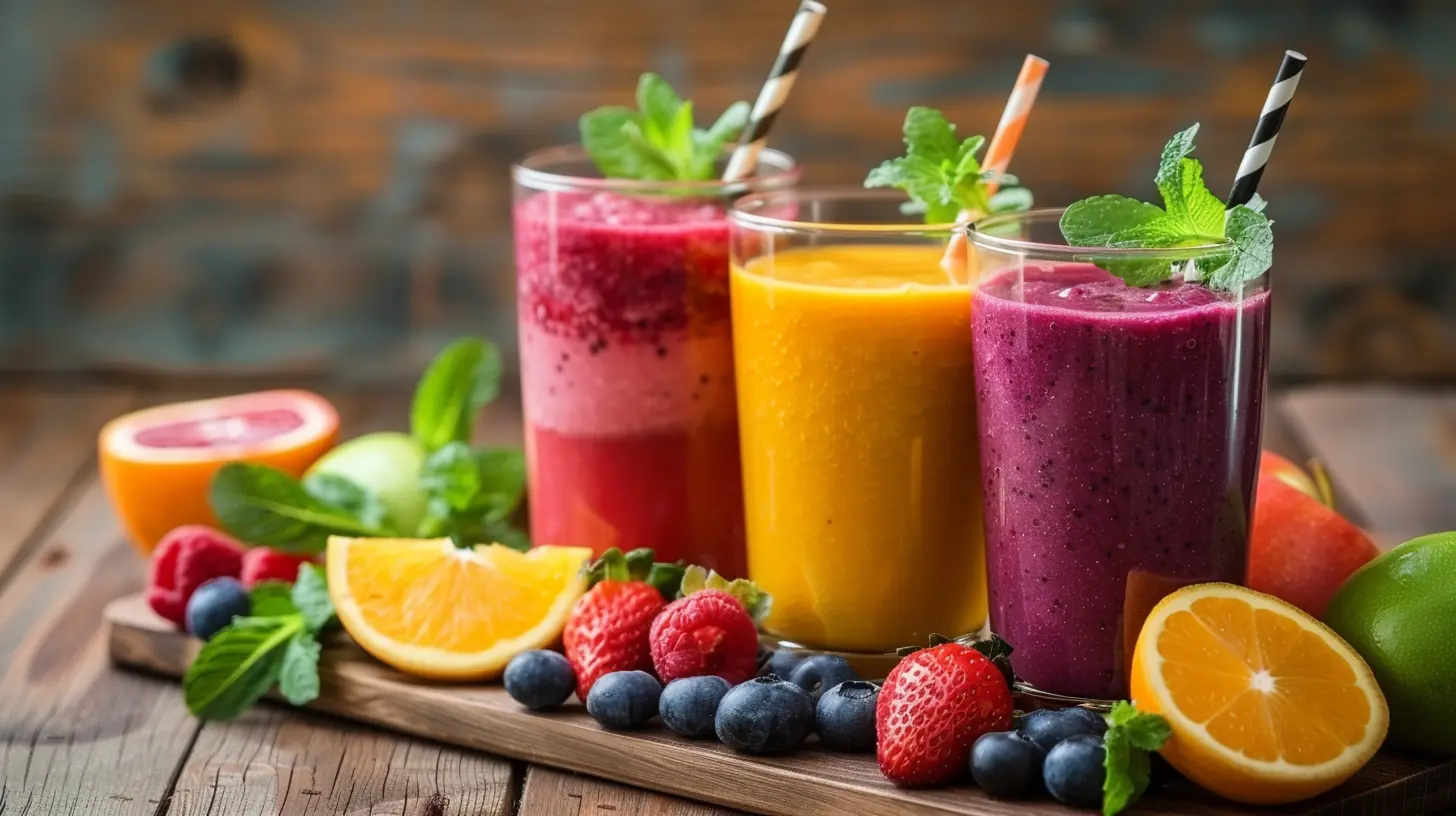
What Are Probiotics Anyway?
Before we start handing them the MVP award for skin care, let’s get clear on what probiotics are.Simply put, probiotics are live bacteria and yeasts that are good for your health—especially your gut. They’re like the helpful roommates who feed the cat, do the dishes, and never hog the bathroom. In your body, they help balance your gut flora and, interestingly, your skin flora too.
You’ll find them in fermented foods like yogurt, kefir, kimchi, and sauerkraut. Oh, and they come in capsule form too, for those of us who just can’t with pickled cabbage.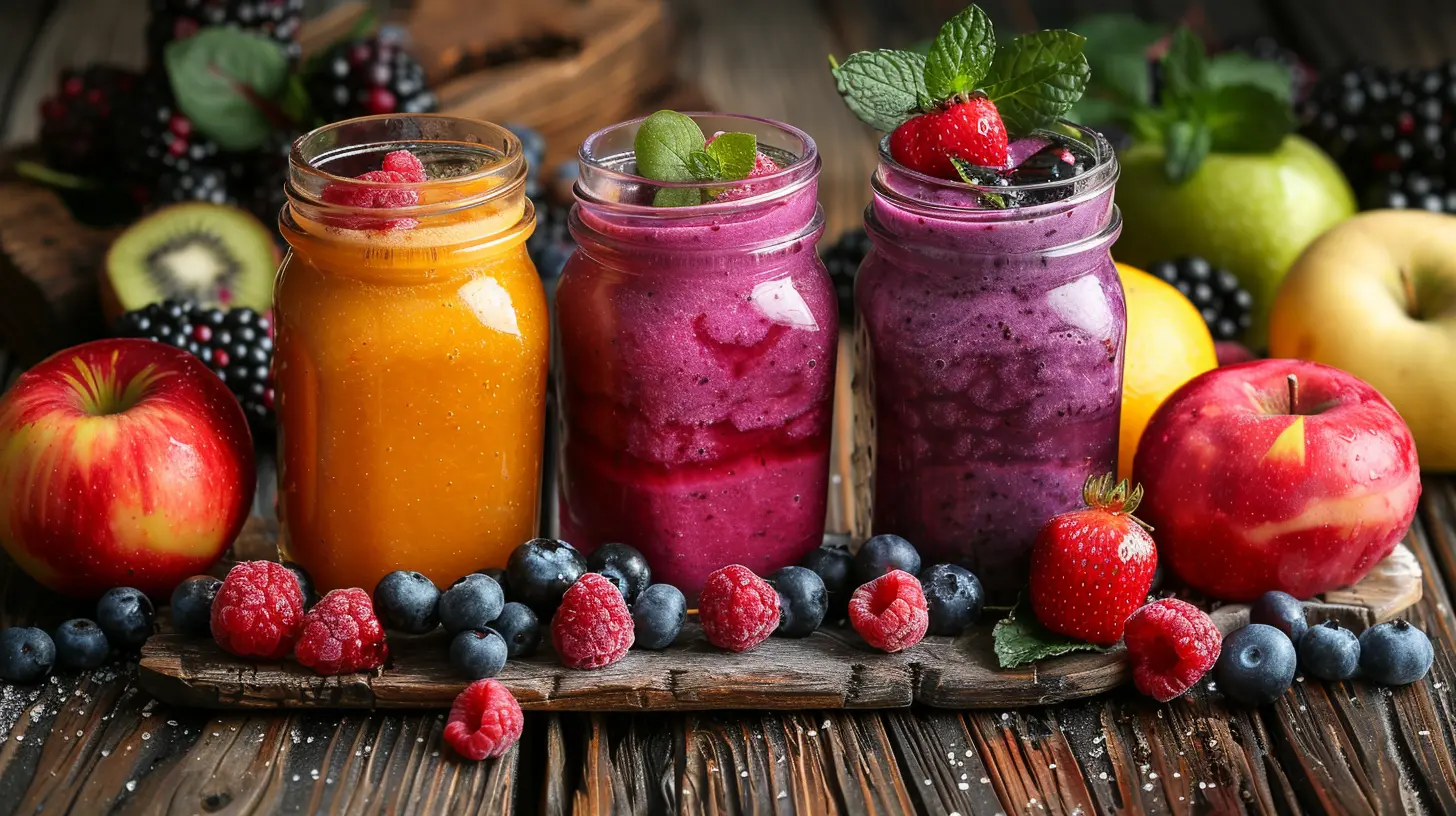
The Gut-Skin Connection: Yes, It's a Real Thing
You might be thinking—how the heck does my gut affect my face?Welcome to the mysterious world of the gut-skin axis. It’s basically the idea that what’s going on in your digestive system can directly affect your skin health. If your gut is unhappy (think bloating, poor digestion, or, yes, not-so-pleasant bathroom escapades), it can trigger inflammation throughout your body—including your skin.
That’s where probiotics come in.
Probiotics help restore balance in your gut microbiome, calming down that internal chaos and, in turn, reducing inflammation. So fewer breakouts, less redness, and a whole lot more "hey, your skin looks amazing!" from your friends.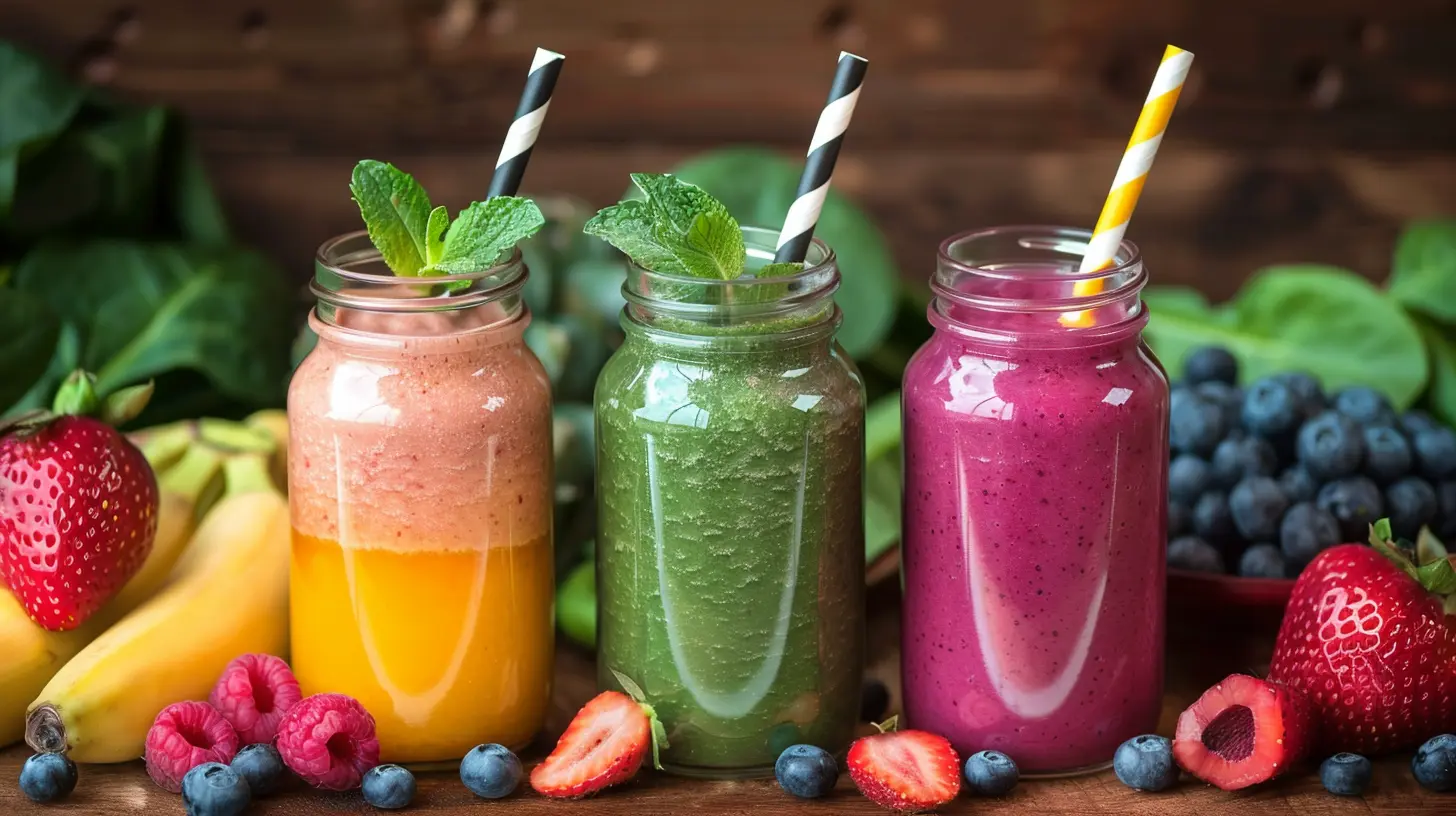
But What About Acne?
Oh, acne. It's like that clingy ex you thought you'd left behind in high school.Acne can be triggered by a bunch of things—stress, hormones, genetics, diet, and the environment. But one major culprit? Inflammation. Yep, that internal firestorm that probiotics are so good at extinguishing.
Here’s how probiotics help tackle acne like a champ:
1. They Calm the Inflammation Monster
Probiotics produce substances like short-chain fatty acids that help reduce inflammation. Since acne is essentially an inflammatory skin condition, calming that angry response can lead to clearer skin.2. They Balance Your Skin’s Microbiome
Just like your gut, your skin has its own little ecosystem of bacteria. When the bad guys take over (like Cutibacterium acnes, formerly known as Propionibacterium acnes), breakouts happen. Probiotics help kick out the baddies and invite more of the good bacteria to take up residence.3. They Strengthen Your Skin Barrier
Think of your skin barrier like a security guard. A strong barrier keeps moisture in, harmful bacteria out, and reduces sensitivity. Probiotics help reinforce this barrier, making it harder for acne-causing bacteria to crash the party.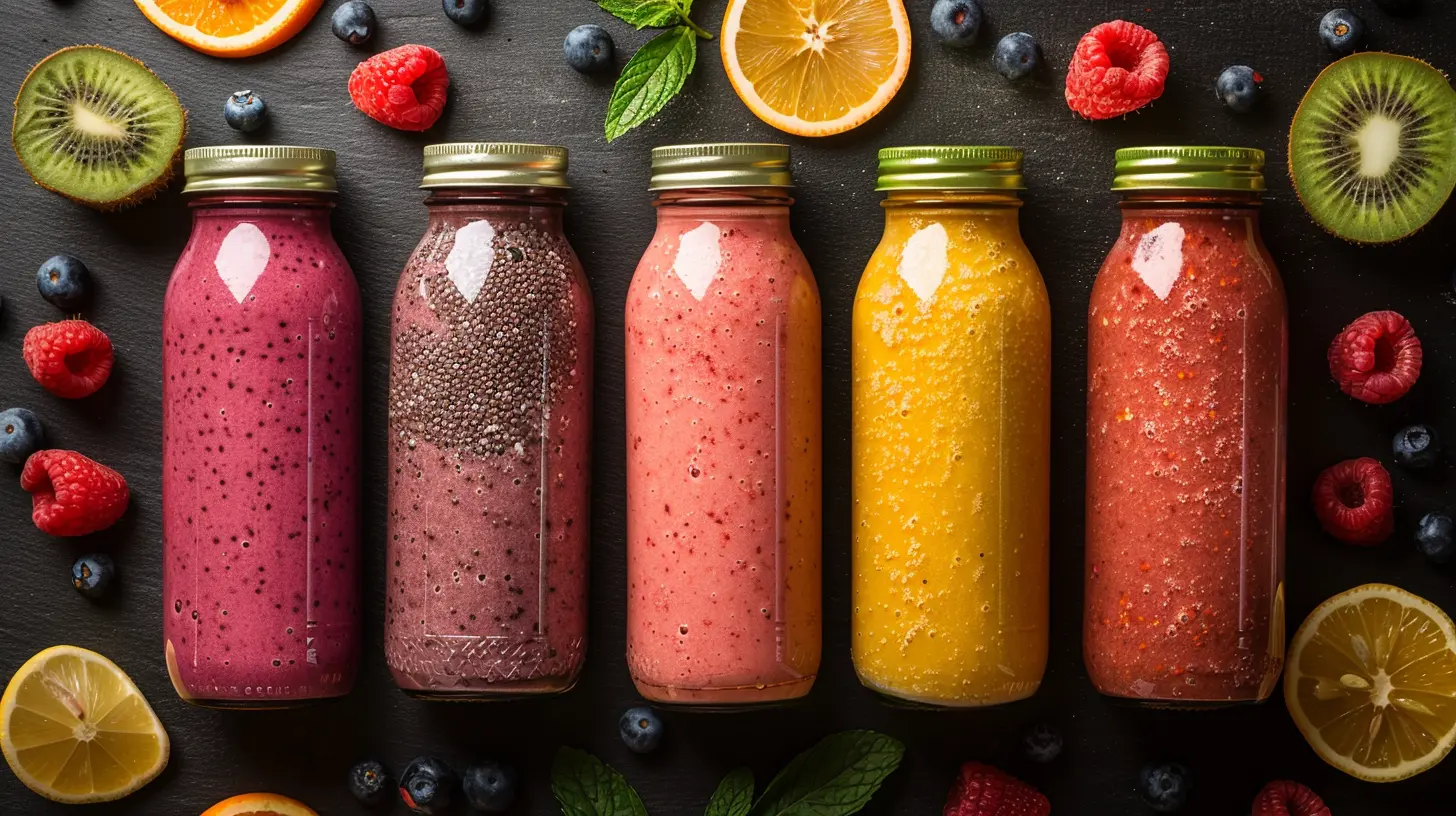
Top Benefits of Probiotics for Skin (Beyond Acne)
Acne might be front and center, but the perks don’t stop there. Here’s what else probiotics are doing behind the scenes:✨ Glowing Complexion
Radiance isn’t just about highlighter and Instagram filters. Probiotics help detox your skin from the inside, leading to that fresh, I-woke-up-like-this glow.? Less Redness & Irritation
If your cheeks flush at the mere thought of spicy food or the sun, probiotics might help reduce that reactive redness.? Better Hydration
Some probiotics help the skin hold onto moisture, making it dewier and plumper. Yes, please.⏳ Anti-Aging Effects
Free radicals = wrinkles. Some probiotic strains help fight oxidative stress, keeping fine lines and saggy skin at bay.Should You Eat Them or Wear Them?
Trick question. You can do both.? Internal Probiotics (Supplements & Foods)
These tackle the problem from the inside, where inflammation typically begins. If you're eating the rainbow (hello, fiber!) and adding fermented foods into your diet, you're already on the right track.Not a fan of sauerkraut? No problem—there are supplements for that. Look for ones with a variety of strains like Lactobacillus and Bifidobacterium.
? Topical Probiotics (Creams, Serums & Masks)
These work right at the point of impact—your skin. They can help rebalance your skin’s flora, soothe irritation, and improve barrier function. Look for skincare products labeled with "probiotic", "prebiotic", or "postbiotic".Pro tip: Prebiotics are the food that probiotics eat, and postbiotics are the beneficial byproducts they leave behind. It's like the 3-step plan to a happier, healthier complexion.
Best Probiotic Strains for Glowing, Clear Skin
Not all probiotics are created equal—some are better for your tummy, while others are skin-care rockstars.Here are a few to keep on your radar:
- Lactobacillus rhamnosus – Helps reduce inflammation and balance skin microbiome.
- Bifidobacterium longum – Known for improving skin sensitivity and barrier function.
- Lactobacillus acidophilus – Reduces acne-causing bacteria and boosts hydration.
- Lactobacillus plantarum – Fights bad bacteria and fortifies your skin’s defenses.
Tip: Check the supplement label or skincare product for these specific strains.
Some Things to Keep in Mind...
Before you toss all your skincare and buy out the probiotic aisle at the health store—let’s slow our roll a bit.- Not Magic Overnight: Probiotics take time to work. It’s not a Cinderella makeover—more like a slow burn rom-com.
- Skin Detox Is Real: Sometimes, your skin might purge a bit when starting a new regimen. Don’t panic. Stay consistent and give it a few weeks.
- Talk to a Dermatologist: Especially if you're dealing with major acne. Probiotics can definitely help, but it’s all about a tailored approach.
FAQs About Probiotics and Skin
❓ Can I take probiotics every day?
Absolutely! Most people can take daily probiotics with no issue. Your body actually thrives on consistency here.❓ Will probiotics alone clear my acne?
They’re a huge help, but probably won’t be the only fix. Think of them as part of a solid team that includes good skincare habits, balanced diet, and maybe some hormonal support if needed.❓ How long before I see results?
Some people notice changes as early as a couple of weeks, but 4-8 weeks is a more realistic timeline. Patience, grasshopper.❓ Can I use both supplements and topical probiotics?
Yes, and honestly—it’s kind of the power combo. Think of it as a two-front battle against breakouts.Final Thoughts: Give Your Skin Some Microbial Love
So here’s the deal: probiotics are not just about digestive comfort and trendy yogurt ads. They’re legit game-changers when it comes to skin health and acne reduction.They help calm the chaos inside your gut, reduce inflammation, balance your skin’s ecosystem, and boost resilience. Whether you’re eating them, supplementing them, or slathering them on your face—probiotics are a smart (and natural) way to give your skin some well-deserved TLC.
Ready to glow from the inside out? Your skin’s new microbial squad is standing by.
all images in this post were generated using AI tools
Category:
ProbioticsAuthor:

Eileen Wood
Discussion
rate this article
2 comments
Thalyn Cooper
Probiotics are essential for skin health. They balance the microbiome, reduce acne, and promote a clear, radiant complexion.
October 8, 2026 at 4:09 PM
Misty Mendez
Probiotics play a crucial role in maintaining skin health by balancing gut bacteria. This balance can reduce inflammation and support clearer skin, potentially minimizing acne breakouts. By integrating probiotics into your routine, you may not only improve gut health but also enhance your skin's appearance, making it an essential approach.
September 22, 2026 at 4:33 AM
Eileen Wood
Absolutely! Probiotics do more than just support gut health; they can really help improve skin clarity and reduce inflammation. It's a win-win for both gut and skin health.