Wholesome Baking Swaps You Can Start Today
7 October 2026
Baking has a reputation for being rigid. People say you cannot change a recipe or it will collapse, that measuring is chemistry, that improvisation leads to hockey pucks. There is truth in that, but only to a point. The chemistry of baking is real, yet it is far more forgiving than most people assume. The trick is understanding what each ingredient actually does before you replace it. Swap blindly and you get dense bread and greasy cookies. Swap with intention and you get something that tastes just as good while fitting the way you want to eat.
This guide walks through the swaps that genuinely work, the ones that work only in specific recipes, and the ones that quietly ruin your bake. It covers flour, sugar, fat, eggs, dairy, and the smaller players like salt and leavening. Along the way, it explains the reasoning so you can make your own decisions instead of memorizing a list.
Why Swaps Fail More Often Than They Succeed
Most baking swaps fail for one of three reasons: the substitute does not perform the same structural job, it changes the water content, or it alters how the batter browns and sets.Flour does more than add bulk. It forms gluten, which gives structure. Sugar does more than sweeten. It holds moisture, feeds browning reactions, and affects how the dough spreads. Fat does more than make things tender. It coats flour proteins, which limits gluten development, and it carries flavor. Eggs bind, add structure, add moisture, and emulsify fat into water. When you remove any of these, you remove a function, not just an ingredient.
This is why a swap that works in banana bread often fails in a sponge cake. Banana bread is dense and moist, so it tolerates structural loss. A sponge cake depends on a fragile network of whipped eggs and starch. Replace the eggs and it collapses.
The practical takeaway: match the swap to the recipe's tolerance. Dense, moist, strongly flavored bakes like quick breads, brownies, and muffins are forgiving. Delicate, precise bakes like macarons, puff pastry, and angel food cake are not. Start your swaps on the forgiving end of the spectrum.
Flour Swaps: The Structural Backbone
Whole Wheat Flour
Whole wheat flour includes the bran and germ that white flour strips out. That sounds like a clear win, but bran is sharp at a microscopic level. It cuts through gluten strands as they form, which weakens structure and produces a denser crumb.A workable approach is to replace 25 to 50 percent of the white flour with whole wheat. Going beyond that usually requires extra liquid, because bran absorbs water aggressively, and a longer rest so the flour fully hydrates. Letting the batter sit for 20 to 30 minutes before baking helps noticeably. Whole wheat also tastes nutty and slightly bitter, which suits brownies, carrot cake, and hearty muffins better than vanilla cake.
White whole wheat flour is a different option. It comes from a lighter-colored wheat variety and behaves more like white flour while keeping the whole grain. It is the easiest entry point if you want more fiber without a heavy texture.
Oat Flour
Oat flour is soft, mild, and gluten-free on its own, so it cannot build structure the way wheat does. Used alone, it produces crumbly, fragile results. Used as a partial swap, up to about 25 percent of the flour, it adds tenderness and a subtle sweetness.You can make oat flour at home by blending rolled oats until fine. Store-bought versions are more consistent in grind, which matters because coarse oat flour makes gritty baked goods.
Almond Flour and Other Nut Flours
Almond flour is high in fat and moisture, low in starch, and contains no gluten. It cannot be substituted one-to-one for wheat flour in a standard recipe. It works in recipes designed for it, like flourless chocolate cakes and macarons, where its fat and moisture are assets rather than problems.A common mistake is swapping almond flour into a muffin recipe and expecting a similar result. You get a wet, dense, oily product that never quite sets the way wheat does. If you want to use nut flour, start with recipes built around it.
Gluten-Free Blends
Single gluten-free flours like rice, sorghum, or millet do not replicate wheat alone. Commercial blends combine several flours with starches like tapioca and potato starch plus a binder like xanthan gum. These blends are formulated to mimic wheat's behavior, and they are the most reliable path for gluten-free baking.Even the best blends behave differently. They tend to absorb more liquid, brown faster, and dry out quicker after baking. Adding a bit more liquid and reducing the oven temperature slightly often helps. Letting gluten-free baked goods cool completely before cutting also improves texture, because they are more fragile while warm.
Sugar Swaps: More Than Sweetness
Sugar does four jobs: it sweetens, it tenderizes by interfering with gluten, it holds moisture, and it drives browning. Replace it carelessly and you lose moisture retention and browning, not just sweetness.Honey and Maple Syrup
These liquid sweeteners are sweeter than sugar by volume, so you generally use less. They also add water, which makes batters wetter. A reasonable starting point is to replace each cup of sugar with about three-quarters of a cup of honey or syrup, then reduce other liquids by roughly two tablespoons per cup replaced.They brown faster than sugar, so lowering the oven temperature by about 25 degrees Fahrenheit helps prevent the outside from burning before the inside sets. Honey brings a distinct floral note and maple brings a caramel one. Both work well in quick breads, granola, and darker cakes. Neither works well in recipes where sugar's crystalline structure matters, such as meringues or certain shortbreads.
Coconut Sugar
Coconut sugar is roughly as sweet as white sugar and behaves similarly in most recipes, which makes it an easy one-to-one swap. It has a caramel-like flavor and a slightly coarser texture. It browns a bit faster, so watch the last few minutes of baking. It is not a low-calorie product, and it is not dramatically different nutritionally, but it is less refined and brings a pleasant flavor.Reducing Sugar Without a Substitute
You can often cut sugar by 10 to 25 percent in muffins, quick breads, and cookies without a replacement. The results will be less moist, browner around the edges, and slightly less tender. If you go further, texture suffers noticeably. Sugar also acts as a preservative, so reduced-sugar baked goods stale faster. Wrapping them tightly and storing them in the refrigerator helps.Sugar Substitutes
Artificial and natural zero-calorie sweeteners behave very differently from sugar. Most do not brown, do not hold moisture, and do not add bulk. Some leave a cooling or bitter aftertaste that becomes more noticeable in baked goods. If you use them, choose products specifically formulated for baking, which include bulking agents and sometimes brown more predictably. Expect a different texture regardless. This is a case where the swap changes the product, not just the nutrition.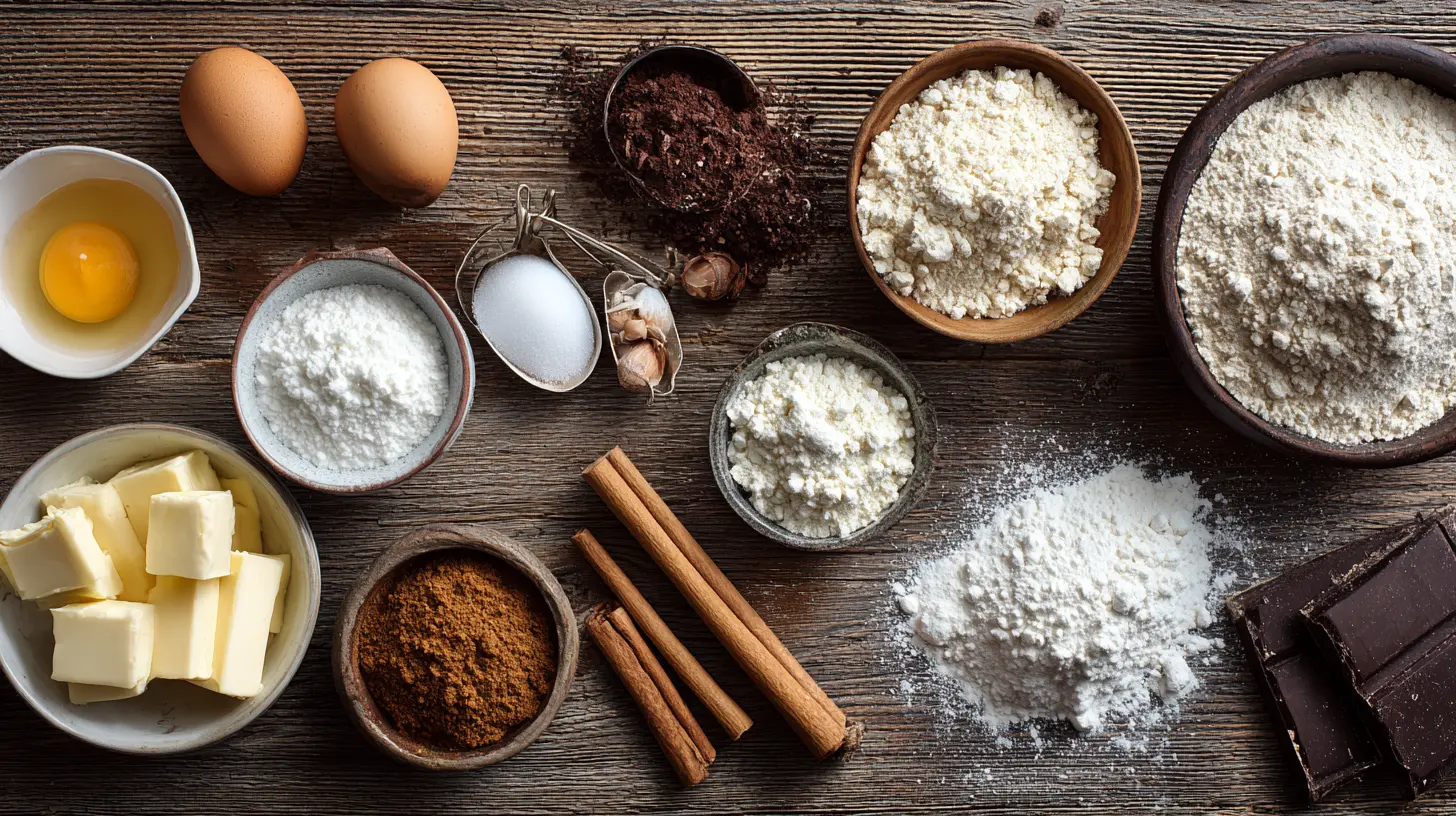
Fat Swaps: Tenderness, Moisture, and Browning
Applesauce and Mashed Banana
Applesauce and mashed banana replace fat by adding moisture and some bulk. They work in moist, strongly flavored recipes like banana bread, carrot cake, and brownies. They do not work in recipes where fat provides flakiness or structure, such as pie crust, shortbread, or laminated dough.A common guideline is to replace up to half the fat with applesauce. Replacing all of it usually produces a gummy, rubbery texture because fat coats flour proteins and limits gluten development. Without it, gluten forms too freely and the crumb turns tough.
Mashed banana adds its own flavor, which limits where it fits. Applesauce is more neutral but adds sweetness.
Greek Yogurt
Greek yogurt is an excellent partial fat replacement in cakes and muffins. Its fat and protein content gives body, and its acidity helps tenderize. Replace about half the butter or oil with an equal amount of yogurt. Full-fat yogurt works best because the fat is doing real work. Nonfat yogurt produces a drier result.Nut Butters
Nut butters add fat, protein, and flavor. They work in cookies, brownies, and quick breads. They do not melt the way butter does, so they change spread and texture. Cookies made with nut butter tend to be softer and chewier rather than crisp. They also burn more easily because of the proteins and sugars in the nuts, so lower the oven temperature slightly.Olive Oil and Other Liquid Oils
Swapping melted butter for oil makes baked goods moister and keeps them soft longer, because oil stays liquid at room temperature while butter solidifies. The trade-off is flavor and structure. Butter contributes flavor and, when creamed with sugar, traps air that helps cakes rise. Oil cannot do that. In recipes that call for melted butter, oil is a straightforward swap. In recipes that call for creaming, it is not.Olive oil has a strong flavor that suits some bakes, like rosemary cakes and certain muffins, but clashes with delicate vanilla and citrus flavors. Neutral oils like canola, grapeseed, or avocado work more broadly.
Coconut Oil
Coconut oil is solid at room temperature, which means it can be creamed like butter. That makes it a better structural substitute than liquid oil in cookies and cakes. It has a distinct coconut flavor unless refined. It melts at a lower temperature than butter, so cookies spread more. Chilling the dough before baking helps control that.Egg Swaps: Binders, Moisture, and Structure
Eggs are the hardest ingredient to replace because they do several jobs at once. No single substitute does all of them. The right choice depends on which job matters most in your recipe.Flax and Chia Eggs
Mix one tablespoon of ground flaxseed or chia seed with three tablespoons of water and let it sit until gel-like. This replaces one egg. The gel binds and adds moisture. It works well in muffins, pancakes, and cookies. It does not whip, so it cannot replace eggs in sponge cakes or meringues. It also adds a slightly earthy flavor and a speckled appearance.Aquafaba
Aquafaba is the liquid from a can of chickpeas. It whips into foam much like egg whites, which makes it uniquely useful for meringues, macarons, and some cakes. It is neutral in flavor when used in small amounts. It is less stable than egg whites, so adding a small amount of cream of tartar helps. Results vary by brand and batch, so expect some trial and error.Commercial Egg Replacers
Commercial egg replacers are blends of starches and proteins designed to bind and add structure. They are consistent and easy, and they work reasonably well in cookies, muffins, and quick breads. They do not replicate the whipping or emulsifying properties of eggs, so they fail in recipes that depend on those.When to Skip the Swap
Sometimes the honest answer is to choose a different recipe. If a cake depends on six eggs for structure and lift, no swap will produce a comparable result. Recipes designed without eggs from the start, like many vegan cakes, are built around different ingredients and work far better than converted egg-based recipes.
Dairy Swaps: Buttermilk, Milk, and Cream
Buttermilk Substitutes
Buttermilk adds acidity, which reacts with baking soda to create lift and tenderizes gluten. If you do not have it, stir one tablespoon of lemon juice or white vinegar into one cup of milk and let it sit for five to ten minutes. The result is close enough for most recipes.Plant-based milks work the same way. Add acid to soy, oat, or almond milk and you get a comparable result. Soy milk has the most protein, which gives it the closest behavior to dairy milk. Almond milk is thin and low in protein, so baked goods may be slightly drier.
Milk Substitutes
Oat milk is the closest plant-based match for dairy milk in baking because of its fat and protein content and its mild flavor. Soy milk is similar. Almond milk and rice milk are thinner and produce lighter, less rich results. Coconut milk from a can is much higher in fat and works well in place of cream or whole milk in rich recipes, but it adds coconut flavor.Yogurt and Sour Cream
Plain yogurt and sour cream are interchangeable in most recipes. Both add moisture, fat, and acidity. Greek yogurt is thicker and higher in protein, so it can make baked goods slightly denser. If you are swapping Greek yogurt for regular, thin it with a little milk to match the consistency.Leavening, Salt, and the Small Details
Baking Soda and Baking Powder
These are not interchangeable. Baking soda needs acid to activate. Baking powder contains its own acid. If you swap one for the other without adjusting, you get either a flat bake or a soapy, metallic taste from unreacted soda. If you must substitute, use roughly three times as much baking powder as baking soda, and expect a slightly different flavor and browning. Baking soda also promotes browning, so baked goods made without it stay paler.Salt
Salt is not optional. It suppresses bitterness, enhances sweetness, and strengthens gluten. Cutting salt makes baked goods taste flat even when everything else is right. If you are reducing sodium for health reasons, cut it by half rather than removing it entirely, and add a bit of acid like lemon zest to compensate for the lost brightness.Spices and Extracts
These are the easiest swaps and the most rewarding. Cinnamon, nutmeg, cardamom, and ginger add flavor without adding sugar, fat, or calories. Vanilla and almond extracts do the same. Increasing spices slightly lets you reduce sugar without the result tasting hollow. Toasting whole spices before grinding them deepens their flavor considerably.
Practical Rules for Swapping Without Ruining Your Bake
Start with one swap at a time. If you change flour, sugar, fat, and eggs all at once, you will not know which change caused a problem. Change one thing, bake, taste, and adjust.Replace no more than half of any structural ingredient on your first attempt. Flour, fat, and eggs all provide structure or function that is hard to fully replace. Partial swaps preserve more of the original texture.
Adjust liquid and temperature. Many substitutes add or absorb water, and many brown faster. Reduce liquid slightly when using honey or applesauce, add liquid when using whole wheat or gluten-free blends, and lower the oven temperature when using liquid sweeteners or nut butters.
Expect a different product, not a perfect copy. A brownie made with applesauce instead of butter is a good brownie, but it is not the same brownie. Judge it on its own terms rather than against the original.
Write down what you did. Baking swaps are experiments. Notes on what worked and what did not turn guesswork into a repeatable process.
Common Misconceptions Worth Dropping
One widespread belief is that healthier swaps always mean fewer calories. Often they do not. Almond flour has more calories than wheat flour. Coconut oil has more calories than butter. Nut butters are calorie-dense. The point of swapping is usually to change the nutritional profile, add fiber or protein, or suit a dietary need, not necessarily to cut calories.Another is that natural sweeteners are fundamentally different from sugar in the body. Honey, maple syrup, and coconut sugar all contain sugars that your body processes similarly. They carry small amounts of minerals and antioxidants, but the amounts are too small to matter much. They are worth using for flavor and for being less refined, not because they are a free pass.
A third is that gluten-free automatically means healthier. For most people, it does not. Gluten-free baking often uses more starch and more binders, and the products are frequently lower in fiber and protein unless they are specifically formulated otherwise.
Where to Start
If you are new to swapping, pick one forgiving recipe you make often, like banana bread or oatmeal cookies, and change one ingredient. Try half the butter as applesauce, or half the flour as white whole wheat. Bake it, taste it, and see how it compares.Once you understand how one swap behaves in one recipe, the reasoning carries over to others. That is the real skill here. Not memorizing rules, but understanding what each ingredient does and choosing substitutes that do the same job. Baking rewards that kind of thinking, and it is more flexible than its reputation suggests.
all images in this post were generated using AI tools
Category:
Healthy DessertsAuthor:

Eileen Wood