Understanding the Relationship Between Food and Mood
11 February 2026
Have you ever noticed how a warm bowl of soup can soothe a bad day, or how too many sugary treats can leave you feeling sluggish and irritable? It’s not just in your head—your gut and brain are in constant conversation. Yes, that chocolate bar may whisper sweet nothings to your soul, but your brain is taking notes too.
Welcome to the incredible connection between what’s on your plate and what’s on your mind. In this article, we’ll dive into how food affects your mood, why your gut might be your “second brain,” and how to eat for a brighter, more balanced state of mind.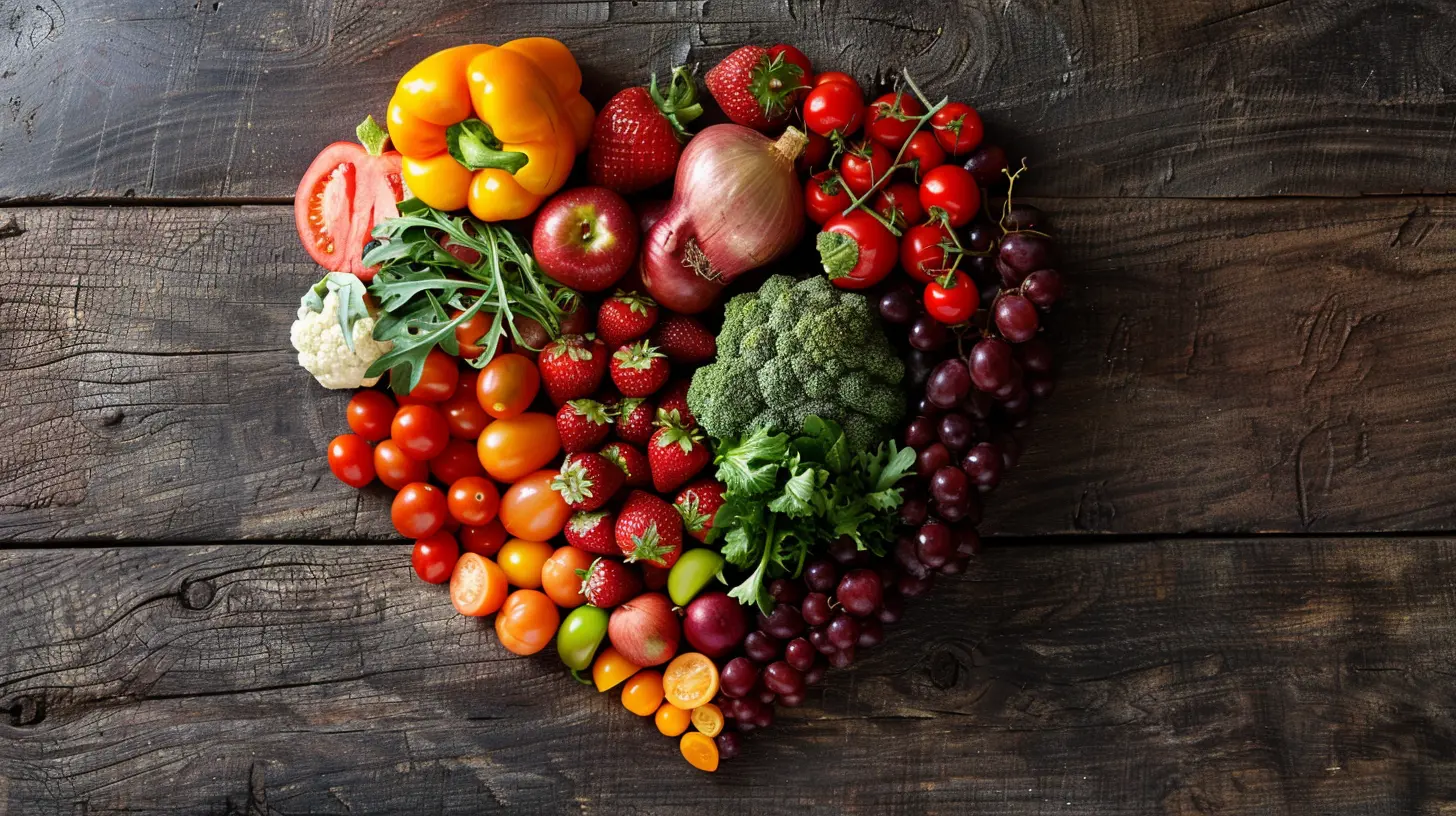
Food and Mood: More Than Just Comfort Eating
We often turn to food in moments of stress, sadness, or celebration. But the link between food and mood goes way beyond emotional eating. In fact, what you eat can literally shape how you feel—mentally, emotionally, and even spiritually.Think of your body as a garden. The food you eat? That's your fertilizer. Fresh veggies, whole grains, and healthy fats help your mind bloom. Junk food and soda? They’re the weeds trying to take over.
Let’s break it down and see how food truly dances with our emotions.
The Gut-Brain Connection: Your Belly Talks to Your Brain
Ever felt "butterflies" in your stomach or had a "gut feeling"? That’s not just poetic—it’s biological. Your gut contains around 100 million neurons and is often called the "second brain." It sends messages to the brain through the vagus nerve, acting like a hotline between your digestive tract and your thoughts.But it doesn’t end there. About 90% of your body’s serotonin—your feel-good hormone—is produced in your gut. So, what you feed your gut directly affects your mood. If your gut is happy, chances are your mood will be too.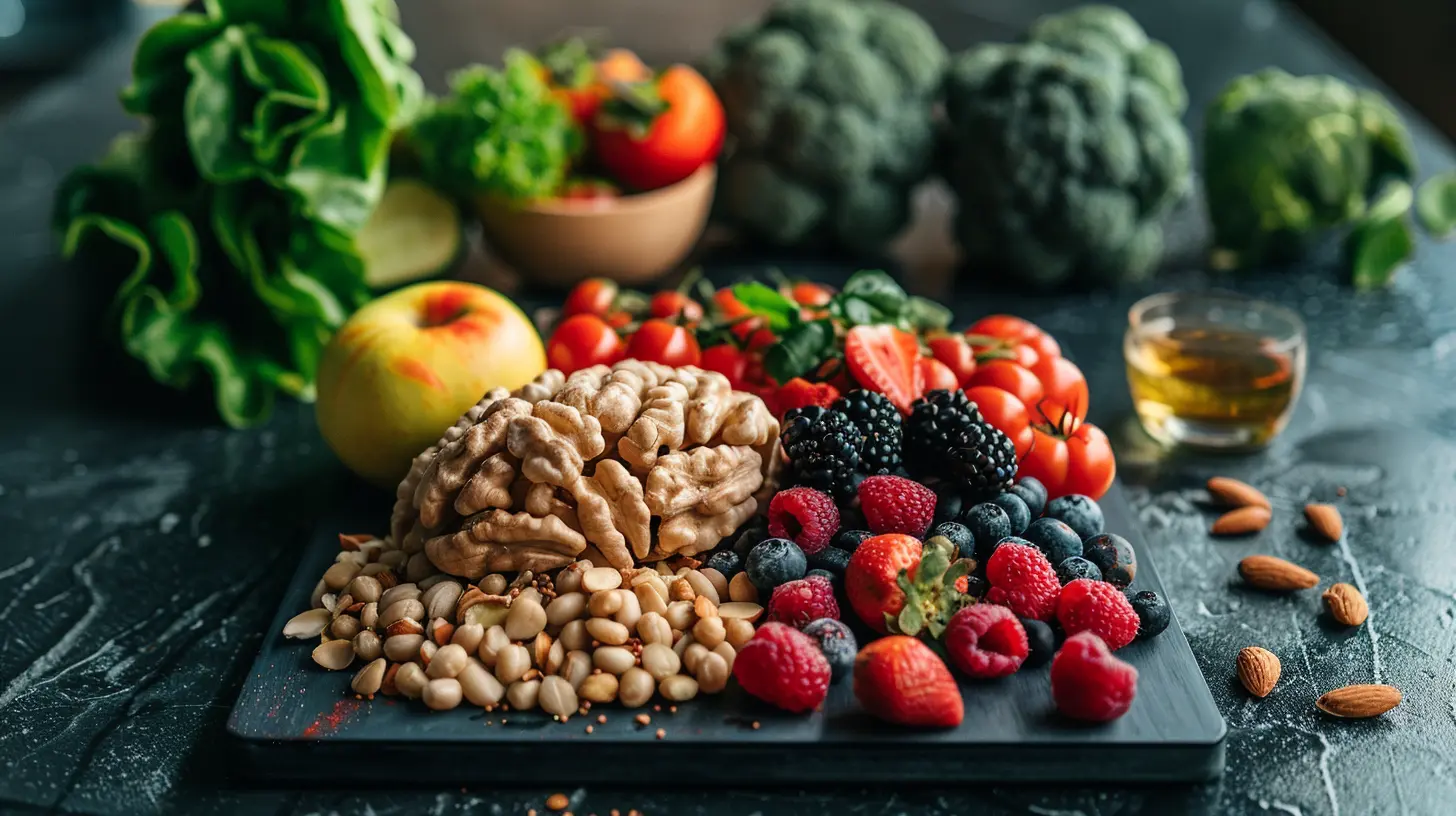
Sugar and Mood Swings: Sweet but Sneaky
Let’s talk sugar. Sure, it gives you that quick high. One minute you’re on cloud nine, the next, you’re crashing hard. That’s because sugar spikes your blood glucose, giving you a burst of energy which quickly disappears, leaving you tired, cranky, and craving more.It’s like riding a rollercoaster with no seatbelt—fun for a second, but exhausting in the long run.
Refined sugars can also cause inflammation in the body and the brain, affecting how we think and feel. If you’ve ever felt foggy or irritable after a sugar binge, you’re not imagining it.
The Power of Protein: Fueling Steady Energy and Emotions
Protein is your brain’s slow-burning fuel. It helps regulate blood sugar, keeping energy levels— and emotions— more stable. Foods rich in protein provide tryptophan, an amino acid that helps produce serotonin. You know, that mood-boosting chemical we just talked about?Eggs, lean meats, fish, tofu, beans—these aren't just muscle-builders; they’re happiness-helpers. Adding a source of protein to every meal is like giving your mood a foundation to sit on.
Fats: The Good, The Bad, and The Brainy
Not all fats are created equal. While trans fats are mood-killers, healthy fats are vital for brain function and emotional well-being. Omega-3 fatty acids, found in fatty fish like salmon, flax seeds, chia seeds, and walnuts, are the real MVPs.These brain-loving fats help reduce inflammation and are linked to lower rates of depression and anxiety. Think of them as the oil in your mental engine, keeping everything running smoothly.
Carbohydrates: Don’t Fear the Carb!
Carbs have gotten a bad rap in recent years, but not all carbs are evil. Complex carbohydrates—like oats, sweet potatoes, brown rice, and quinoa—are actually mood-boosting champions.Why? Because carbs help the brain absorb tryptophan (yes, that same feel-good amino acid). When tryptophan levels rise, so does serotonin. It’s like a domino effect toward emotional stability.
The key here is balance and source. Skip the white bread and donuts. Reach for fiber-rich, slow-digesting carbs instead.
Micronutrients That Matter
Sometimes, the smallest things pack the biggest punch. A deficiency in certain vitamins and minerals can drag your mood down without you even realizing it. Here's a quick guide:- Vitamin D – Often called the “sunshine vitamin,” it boosts serotonin production. Many people are deficient, especially in darker months, and it’s linked to depression and fatigue.
- B Vitamins – Especially B6, B12, and folate. These guys help regulate brain function and energy.
- Magnesium – This mineral helps regulate stress levels and promote relaxation.
- Zinc – Needed for brain signaling and emotional processing.
If you’re feeling off, sometimes a simple blood test can reveal if you’re low on any of these mood essentials.
Hydration: The Forgotten Mood Booster
We talk a lot about food, but what about water? Your brain is about 75% water, and even mild dehydration can affect your focus, memory, and mood.Drinking enough water each day is like keeping your brain well-oiled. Aim for at least 8 cups (2 liters) a day, more if you’re active or live in a hot climate. Want a mood pick-me-up? Sometimes it’s as easy as a glass of water.
Fermented Foods and the Microbiome: Feeding Your Inner World
Your gut is home to trillions of bacteria that influence everything from immunity to emotions. We call this the gut microbiome, and it’s like an entire ecosystem living inside you. When it’s in balance, you feel good. When it's out of whack, you may experience anxiety, cravings, and even depression.Fermented foods—like yogurt, kimchi, sauerkraut, kefir, and miso—are full of probiotics that nourish your gut flora and, by extension, your mood.
It’s like being the host of your very own microscopic party. Feed your guests well, and they’ll treat your mind kindly.
Emotional Eating vs. Mindful Eating
We’ve all reached for a chocolate bar when we're down, or stress-ate an entire pizza (no judgment!). But there’s a big difference between eating to nourish your emotions and eating to escape them.Emotional eating is often impulsive, unconscious, and followed by guilt. Mindful eating, on the other hand, is about tuning in—not out. It’s about asking, “How does this food make my body and mind feel?” instead of “How fast can I devour this bag of chips?”
Start small: Eat slowly, chew thoroughly, and savor each bite. You'll end up eating less and feeling more satisfied.
Meal Timing: Why When You Eat Affects How You Feel
Skipping meals can mess with your blood sugar levels and leave you feeling irritable, anxious, or drained. Ever heard of the term "hangry"? That’s low blood sugar talking.Eating smaller, balanced meals throughout the day helps maintain energy and mood stability. Don’t wait to eat until you’re ravenous—by then, your mood might already be in the dumps.
How Caffeine and Alcohol Play Into Mood
Let’s be real—coffee is life for many of us. And while caffeine has its perks, too much of it can boost anxiety and interfere with sleep. Moderation is key.Alcohol, on the other hand, is a known depressant. It might help you unwind in the short term, but over time, it can worsen mood disorders and deplete important vitamins that your brain needs.
If you’re feeling emotionally off-track, consider looking at your caffeine and alcohol intake. Sometimes even small adjustments can bring big relief.
Creating a Mood-Boosting Plate: What Should It Look Like?
So, what does an actual mood-boosting meal look like in real life? Simple formula here:- Protein (chicken, tofu, eggs)
- Healthy Fat (avocado, nuts, olive oil)
- Complex Carb (brown rice, whole grain bread, beans)
- Colorful Veggies (packed with fiber and antioxidants)
- Fermented Food (yogurt or sauerkraut)
- And don’t forget that glass of water!
It’s about building balance, not perfection.
Final Thoughts: Eating for Joy, Not Just Survival
At the end of the day, food is more than fuel—it’s a message to the mind. It's memory, emotion, healing, and hope all wrapped into the rhythm of our daily lives. When we start viewing every bite not just as a calorie, but as a connection to our emotional well-being, something shifts.You don’t have to overhaul your diet overnight. Even small changes—like having a protein-rich breakfast, switching soda for water, or adding fermented food to your plate—can boost your brain and brighten your mood.
So the next time you feel down? Maybe check in with your plate before your playlist. Your next meal might just be the medicine your heart didn't know it needed.
all images in this post were generated using AI tools
Category:
NutritionAuthor:

Eileen Wood
Discussion
rate this article
2 comments
Greyson McDonald
Food choices deeply influence our mental well-being. By nurturing our bodies with balanced nutrition, we can enhance our mood and emotional resilience. Mindful eating not only fuels our bodies but also nurtures our minds, fostering a healthier, happier life.
March 11, 2026 at 4:54 PM
Eileen Wood
Thank you for highlighting this crucial connection! Indeed, balanced nutrition plays a vital role in our mental health, and mindful eating can significantly enhance our emotional well-being.
Amira McPhail
This article beautifully highlights how our dietary choices directly influence our emotional well-being. It's fascinating to see the connection between nutrition and mood—definitely motivates me to be more mindful of what I eat!
February 12, 2026 at 4:11 AM
Eileen Wood
I'm glad you found the connection compelling! It's amazing how much our food choices impact our feelings. Being mindful can really make a difference.