Understanding the Connection Between Emotions and Physical Pain
31 December 2025
Ever felt a knot in your stomach during a stressful day? Or maybe your shoulders tensed up after an argument? You’re definitely not alone. What if I told you that your emotions could be the reason behind much of your physical discomfort? Yep, our brains and bodies are way more interconnected than we often give them credit for.
In this article, we’re going to dig deep (but keep it simple) into how your emotions can actually trigger or worsen physical pain. This isn't just about stress headaches or butterflies in your stomach — we're talking chronic pain, mysterious aches, and long-term physical health effects. So grab a cup of tea, get comfortable, and let’s unpack this fascinating topic together.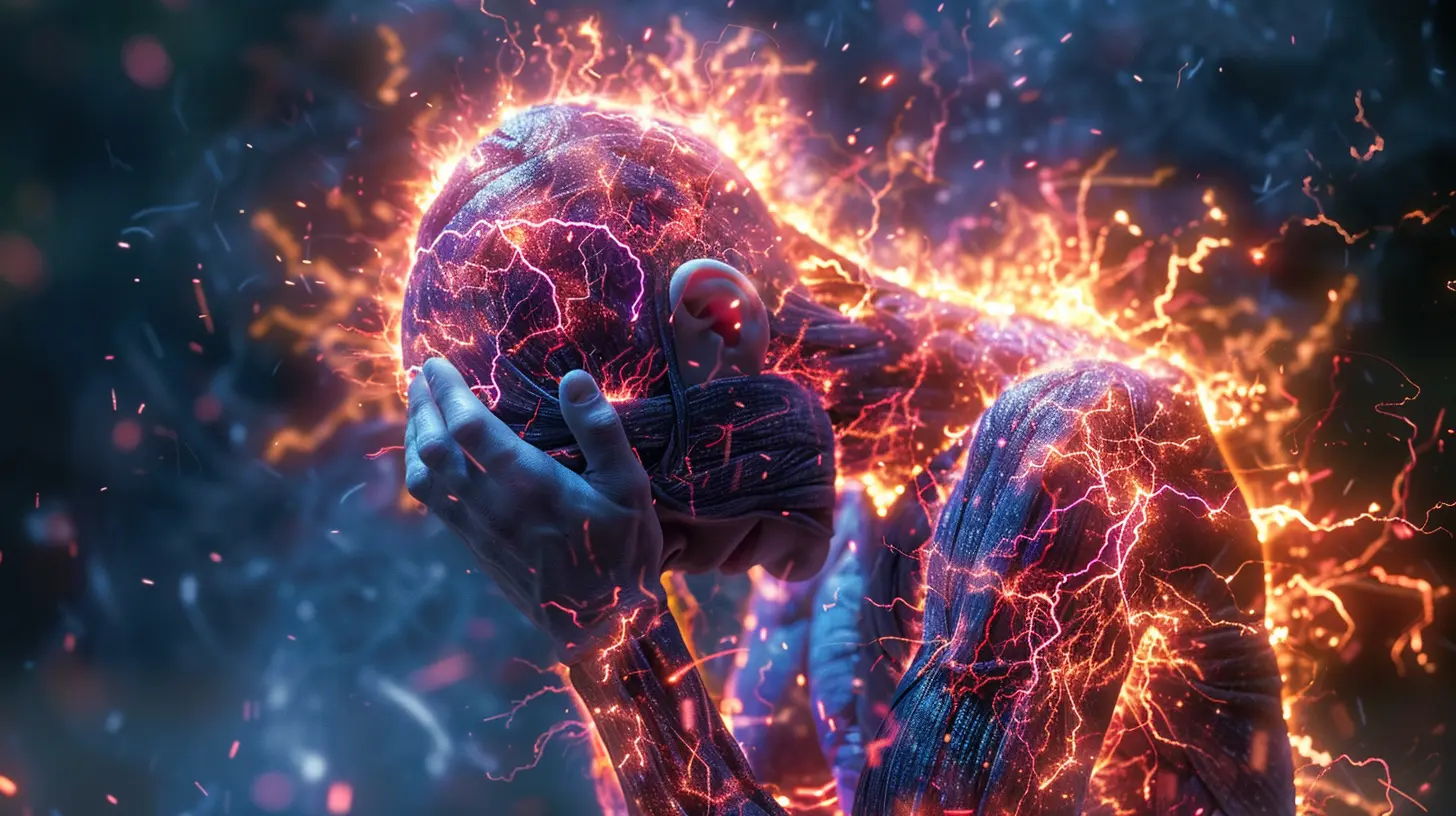
The Mind-Body Connection: More Than Just a Buzzword
We throw around terms like "mind-body connection" a lot, but what does it really mean?At its core, it’s the idea that our thoughts, feelings, and emotions can influence our physical health. Not in a vague, mystical way — there’s solid science behind this. Your brain and body are in constant communication. Think of them as best friends texting each other all day. When you're stressed, anxious, or angry, your brain sends out signals to your body, and your body reacts accordingly.
It’s like when your phone buzzes with a notification — your brain reacts, even if it's just a meme. Now imagine that instead of a meme, it’s a stressful thought. Boom, your body gets the alert, and things start to shift under the surface.
How Emotions Trigger Physical Responses
Our bodies are hardwired to respond to emotions. It’s part of our survival system, known as the fight-or-flight response.Let’s say you’re scared. Your heart races, muscles tighten, and digestion slows down. That’s cortisol and adrenaline kicking in — your body’s way of getting you ready to either fight or run. This is great if you’re being chased by a bear… not so great if it's just a passive-aggressive email from your boss.
When emotional stress happens often — like daily — your body stays stuck in that “on” mode. Over time, that constant state of alert starts to wear down your systems, leading to physical pain. Chronic headaches, back pain, jaw tension, fatigue… sound familiar?
Common Types of Emotion-Driven Physical Pain
Let’s break this down into real-life examples. These are some common areas where physical pain is often linked to emotions:1. Tension Headaches
Ever had a bad day and felt it right in your temples? That’s no coincidence. Stress often causes the muscles around the neck and scalp to tighten, leading to headaches.2. Neck and Shoulder Pain
Carrying the weight of the world on your shoulders? That’s more than just a saying. People who internalize stress or anxiety often hold tension in their upper bodies.3. Chest Pain or Tightness
Not all chest pain means a heart problem. Anxiety and panic can mimic symptoms of heart attacks. It’s terrifying — but once cleared by a doctor, it’s usually your body reacting to emotional distress.4. Stomach Issues
Your gut is often called the “second brain” for a reason. Emotions like fear, anxiety, or sadness can mess with digestion. IBS (Irritable Bowel Syndrome), bloating, nausea… all can be worsened by emotional stress.5. Lower Back Pain
Research has linked persistent lower back pain to unresolved emotional trauma and chronic stress. Not all back pain roots from lifting heavy boxes — sometimes, it’s emotional baggage weighing you down.
So… Is It All in Your Head?
Tricky question, right? Here's the thing: saying "it's all in your head" kind of misses the point. Emotions might start in the brain, but their effects are felt in real, physical ways. Your nervous system doesn’t lie.When you feel pain, it doesn’t matter if the cause is emotional or physical — pain is pain. And if emotional triggers are causing or making it worse, then yes, addressing that emotional piece can help ease the physical side of it.
Think of it like this: if a fire alarm is going off because of smoke, would you fix the wiring or get rid of the smoke? You need to deal with the root cause. In this case, emotions might be the smoke.
The Science Backs It Up
This isn’t just feel-good fluff either. Numerous studies support the link between emotions and physical health. Researchers have found that people with high levels of emotional stress are more likely to suffer from chronic pain conditions like fibromyalgia, migraines, and even arthritis flares.One fascinating area of study is how trauma (particularly early life trauma) can influence pain later in life. The body holds onto traumatic experiences — sometimes quite literally in our muscle memory — and they can manifest physically years later.
MRI scans have even shown changes in the brain's pain centers in people with chronic emotional stress. It's not just your imagination.
How to Recognize Emotional Pain in Disguise
Here’s a question: Are you treating the symptoms while ignoring the messages your body is sending?Sometimes we keep popping painkillers, seeing specialists, and chasing physical solutions without realizing the root is emotional. If you've gone through all the tests and doctors say "everything looks fine," but you're still hurting — it might be time to look inward.
Ask yourself:
- When did the pain start? Was it after a major life change or emotional event?
- Does it get worse with stress or anxiety?
- Do you feel better when you're relaxed or distracted?
Your answers can be enlightening.
Managing Physical Pain Through Emotional Healing
The good news? You can break the cycle. Here are some techniques to begin healing both emotionally and physically.1. Practice Mindfulness
Mindfulness is basically tuning into the moment without judgment. It helps you hear what your body and mind are trying to say.Try starting with just 5 minutes a day. Sit quietly. Breathe. Notice how your body feels. Over time, this improves your emotional awareness and reduces stress.
2. Journaling
Writing down thoughts and feelings helps you process emotions instead of bottling them up. It’s like emotional housekeeping — clears out the clutter.3. Therapy or Counseling
Talking to a professional can uncover hidden emotional patterns contributing to your pain. Therapies like Cognitive Behavioral Therapy (CBT) or Somatic Experiencing directly address this mind-body loop.4. Gentle Movement
Activities like yoga, tai chi, or walking are great for both body and mind. They release endorphins (natural painkillers) and help you reconnect with your physical self in a gentle way.5. Deep Breathing Exercises
Sounds too simple, right? But slow, deep breaths signal your body that it's safe to relax. This calms the nervous system and can reduce physical tension almost immediately.Don't Ignore Emotional Wellness
We tend to separate physical health from mental health as if they’re two different things. But emotional wellness isn't just a “nice to have” — it's essential.Just like we go to the gym or eat veggies to stay physically healthy, we need to tend to our emotional gardens too. Because when your emotional tank is empty or overflowing, your body feels it.
When to Seek Medical Help
Now, don't get me wrong — not all pain is emotional. Always rule out medical causes with your doctor. If you're in pain, get it checked out. But if you're constantly hurting and no one's finding answers, it could be time to consider the emotional aspect too.Your body isn't betraying you; it's trying to get your attention.
Final Thoughts: Your Pain is Valid
Your pain — emotional or physical — is real, and it matters. The link between emotions and physical pain is complex, but understanding it can be a game-changer.Take the time to listen to your body. It's not just complaining for fun; it’s trying to help you heal.
So the next time you feel that knot in your back or pressure in your chest, don't just reach for a quick fix. Pause. Breathe. Ask yourself what’s really going on inside. Sometimes, the most powerful form of healing starts with understanding yourself a little better.
all images in this post were generated using AI tools
Category:
Holistic HealingAuthor:

Eileen Wood
Discussion
rate this article
2 comments
Hadley Morris
How fascinating! Can emotional healing truly alleviate physical pain? I’d love to learn more!
February 10, 2026 at 4:12 PM
Eileen Wood
Absolutely! Emotional healing can significantly impact physical pain, as our mental and emotional states are closely linked to our overall well-being. I'd be happy to share more insights!
Camille McConkey
This article beautifully highlights the often-overlooked link between our emotions and physical pain. It’s a reminder to care for both our hearts and bodies!
January 7, 2026 at 5:30 AM
Eileen Wood
Thank you for your thoughtful comment! I'm glad you found the connection between emotions and physical pain so impactful. Taking care of both is essential for our overall well-being.