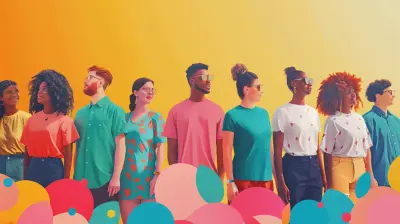
The Role of Media in Shaping Our Perception of Body Image
28 May 2026
Let’s get real for a second—how often have you looked at a magazine cover or scrolled through social media and thought, “Why don’t I look like that?” It’s a struggle most of us can relate to. The media has a way of slipping into our minds and subtly (or sometimes not-so-subtly) dictating how we should look, dress, and feel about our bodies. But have you ever stopped to wonder why these images have such a powerful grip on us? Or what kind of impact that grip is having?
In this post, we're going to dive deep into how media—whether it's traditional television, glossy magazines, or those endless Instagram stories—shapes our perception of body image. Grab a comfy seat, because this isn't just about beauty trends; it's about mental health, self-worth, and how we define ourselves.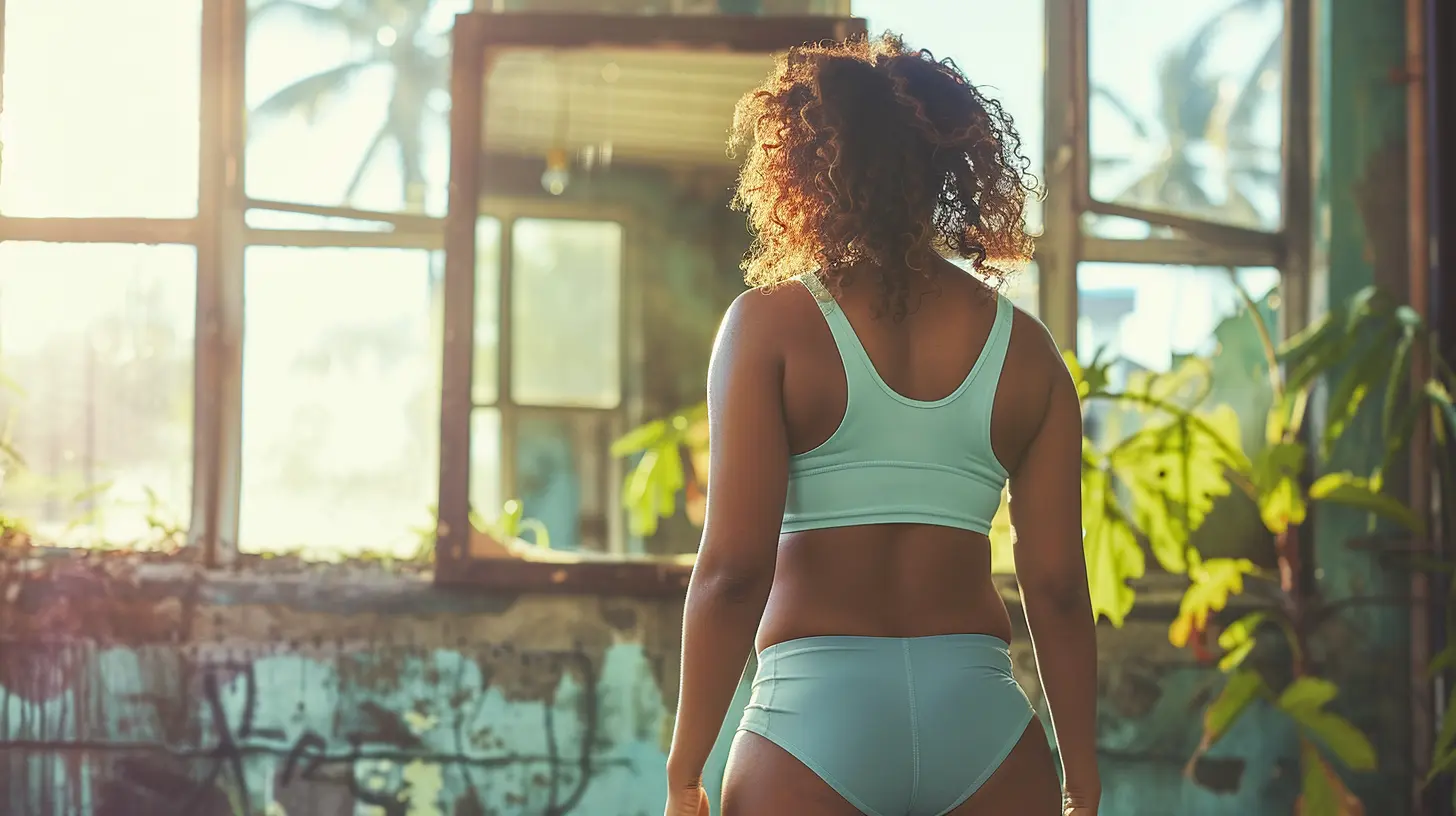
What Exactly Is Body Image?
Before we break down the media's role, let’s first understand what body image really means. Simply put, body image is how you see your own body and how you feel about it. It includes:- How you think you look
- How you feel in your body
- What you believe others see when they look at you
It’s not just physical—body image is deeply tied to our emotions, self-esteem, and confidence. And guess what? It can be either positive or negative. Sadly, for many of us, it leans more toward the negative side—and media plays a huge role in that.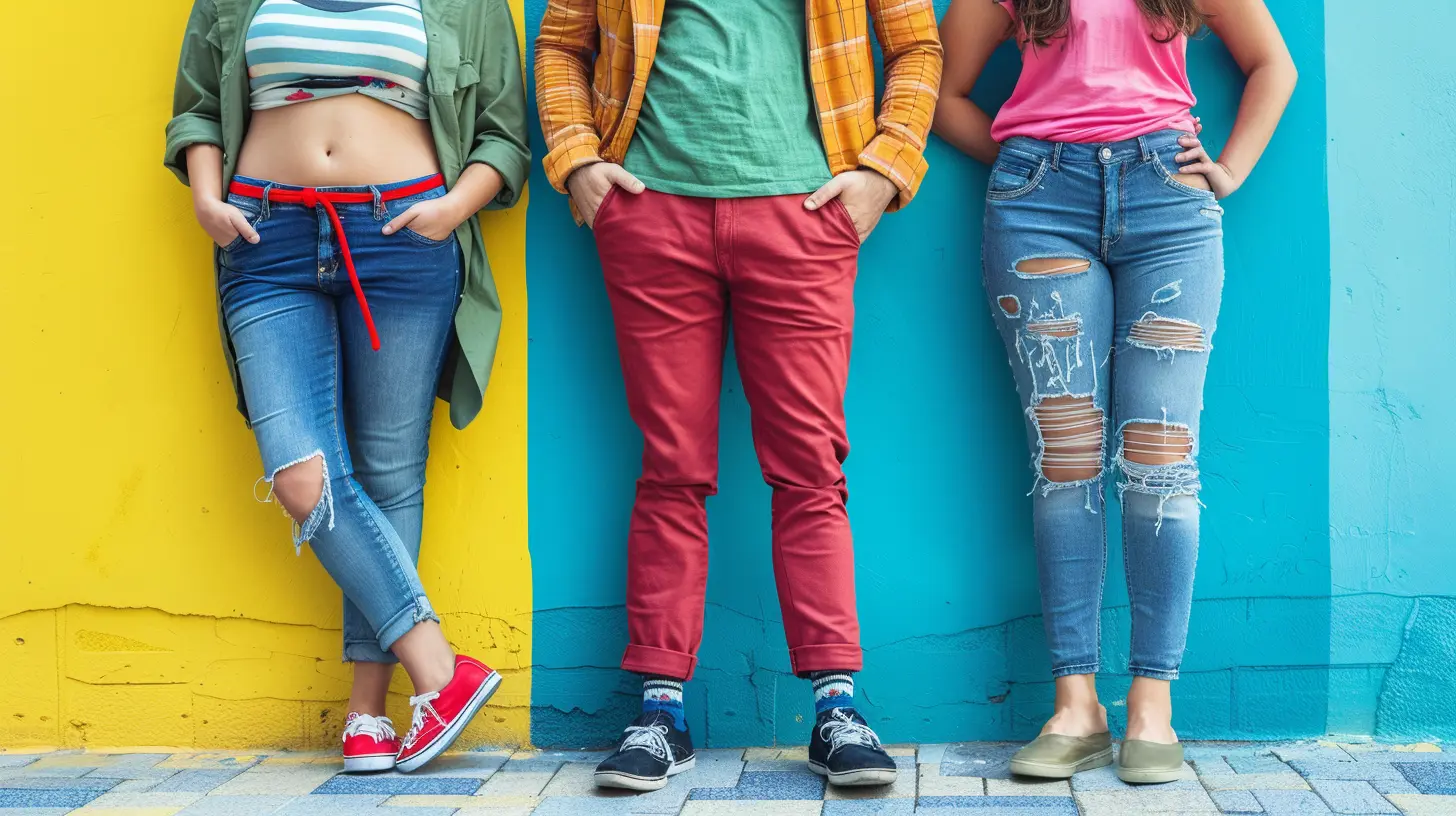
The Media: More Than Just Entertainment
We often think of media as a way to pass time—Netflix binges, TikTok rabbit holes, and beauty influencers showing off morning routines. But media is much more than entertainment. It’s a cultural mirror. It reflects what society values. And it also tells us what we should value.Through constant exposure to idealized images, the media slowly plants seeds of what a "perfect" body looks like. Over time, these messages become background noise, shaping our beliefs and expectations without us even noticing.
Think about it: if every advertisement, movie, or fashion shoot you see features thin, toned, and conventionally attractive bodies, it’s pretty easy to start believing that’s the norm.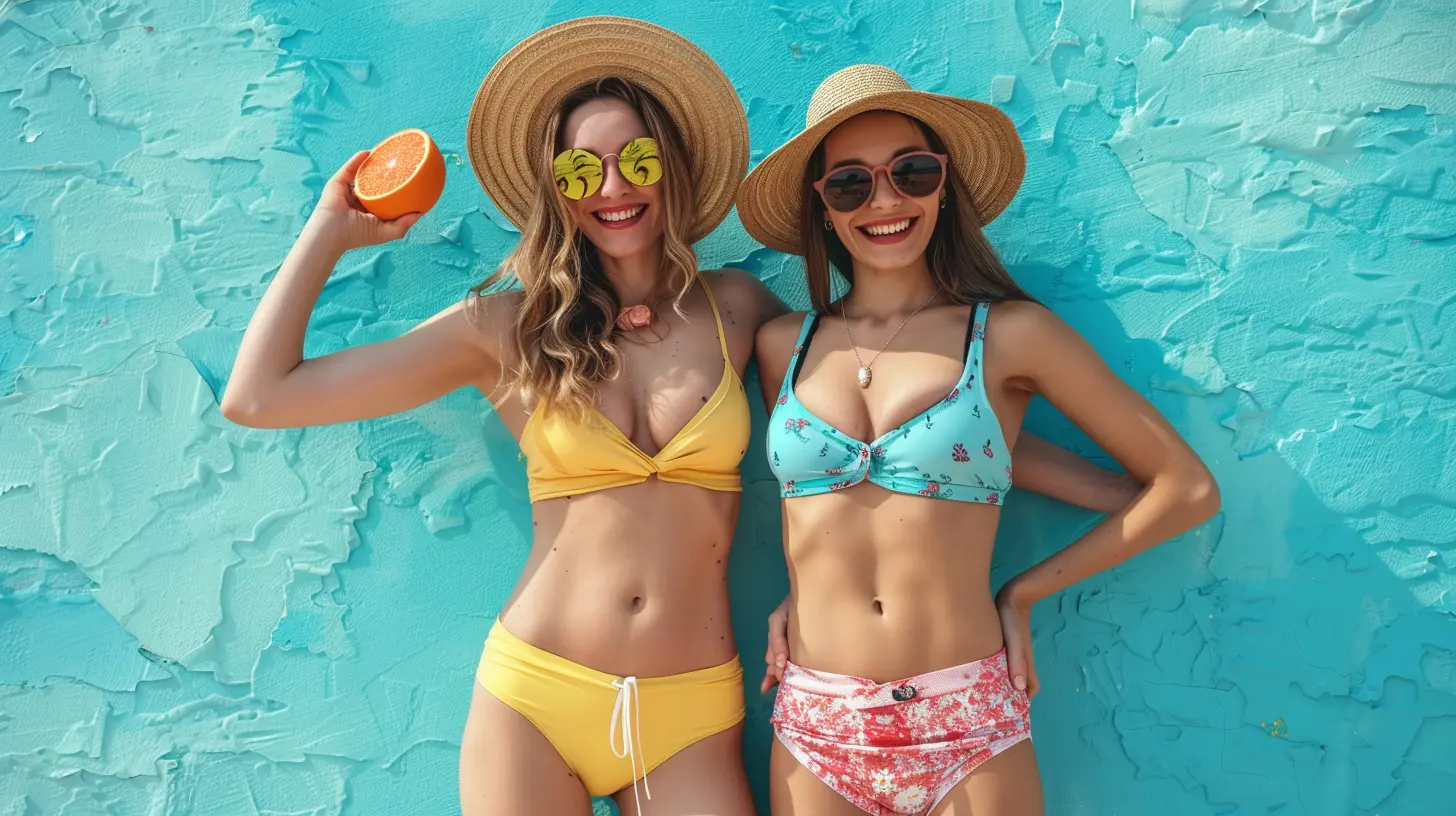
A Brief History of Body Image in the Media
Let’s take a quick stroll down memory lane.- 1950s-60s: Curvier women like Marilyn Monroe were considered ideal.
- 1970s-80s: Thinness became the new standard, thanks to fashion icons like Twiggy.
- 1990s: The “heroin chic” look dominated—pale skin, skinny frames, and dark eyes.
- 2000s: Toned abs and size-zero waists made headlines (thanks, low-rise jeans).
- Today: We’re seeing a bit more diversity, but the pressure to look “Instagram perfect” is still very real.
Each of these shifts wasn’t random. They were influenced by changing cultural narratives—mostly pushed by advertisers, film producers, and media moguls trying to sell a certain aesthetic. And guess who was watching? All of us.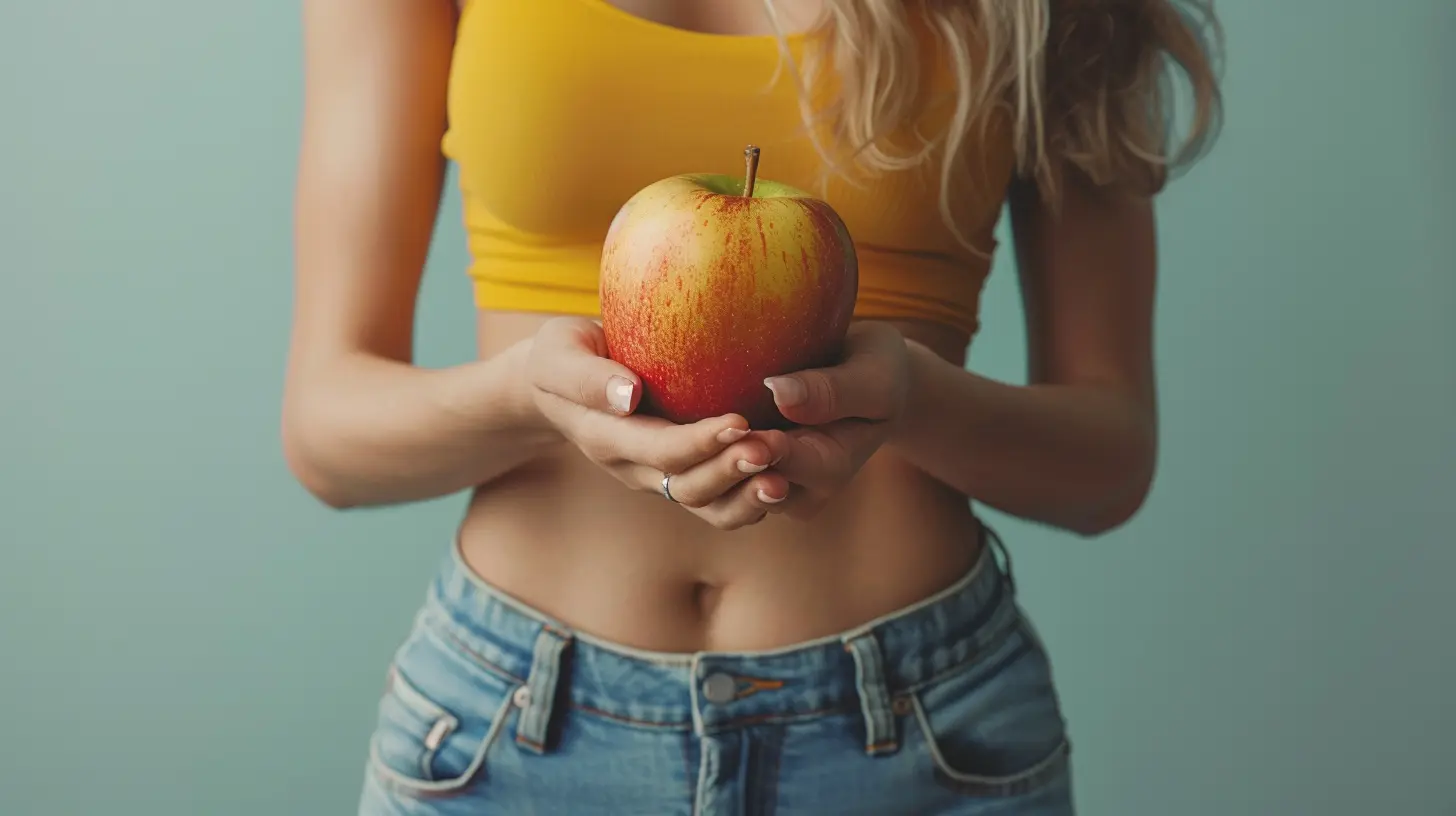
Social Media: The New Face of Body Image
Let’s talk about the elephant in the room—social media. Traditional media had its issues, but social media took those issues and put them on steroids.With platforms like Instagram, TikTok, and Snapchat, we’re not just consuming media—we’re part of it. We're constantly uploading selfies, monitoring likes, and comparing ourselves to influencers who seem to have glowing skin, perfect hair, and bodies that never seem to bloat (like, ever?!).
But here's the thing: social media is curated. Heavily. Most images are filtered, edited, posed, and sometimes even altered using apps that can literally airbrush your waistline. But because we see these images all the time, we start to assume they’re real—and that we’re falling short.
The Rise of Influencer Culture and Unrealistic Standards
Enter the age of influencers.These folks often have massive followings and seem to be living their “best lives.” They share gym selfies, diet tips, and “what I eat in a day” videos… and while some promote healthy habits, many push unrealistic expectations.
The influencer economy thrives on one thing: perception. And let’s be honest—there’s money in looking perfect. Brands partner with influencers who seem to fit a certain image, and that image is often unattainable without extreme dieting, plastic surgery, or digital editing.
Now, this isn’t to bash influencers. Many are doing great work promoting body positivity. But there’s also a flood of content that feeds into the toxic idea that better bodies equal better lives. Spoiler alert: they don’t.
The Psychological Toll of Media-Driven Body Ideals
So what’s the cost of all this?Low Self-Esteem
If you're constantly bombarded with bodies that don’t look like yours, you’ll eventually believe yours isn’t good enough.Eating Disorders
Media glorification of thinness has been linked to disorders like anorexia, bulimia, and binge-eating. And it's not just women—men are affected too.Body Dysmorphia
This is when you obsess over perceived flaws in your appearance, often imagining problems that aren’t even there. Media-fueled comparisons can intensify this condition.Depression & Anxiety
Feeling like you don’t “measure up” can lead to mood disorders, especially in teenagers and young adults who are still forming their identities.And the worst part? These mental health challenges often go unnoticed or untreated. We brush them off as normal insecurities, but they’re so much more than that.
Media’s Impact on Different Demographics
Teenagers
Teens are especially vulnerable. They’re at an age where peer pressure is at an all-time high, and their sense of identity is still forming. Social media only amplifies that vulnerability.Women
Women have long been the primary focus of beauty ideals. From skin-lightening creams to anti-aging products, the media sells the message that women should always be striving to improve their appearance.Men
Don’t think they’re off the hook. Men face pressure to be muscular, tall, and “fit”—a standard that often overlooks natural body diversity.LGBTQ+ Community
Often marginalized and underrepresented, members of the LGBTQ+ community face their own set of beauty standards, many of which are even more extreme and exclusionary.The Rise of Body Positivity and Media Accountability
Not all hope is lost. Things are slowly changing.Movements like #BodyPositivity and #EffYourBeautyStandards are challenging traditional norms. More brands are featuring models of all sizes, races, and abilities. Even some influencers are ditching the filters and showing their true selves.
Documentaries, podcasts, and viral campaigns are opening up honest conversations about mental health, body image, and the role of media in shaping them. And media companies are being called out for their role in pushing damaging narratives.
We're not there yet. But awareness is growing, and that’s the first step toward meaningful change.
What Can We Do About It?
Okay, so we know the media has power. But that doesn’t mean we have to be powerless. Here’s how you can take back control:1. Curate Your Feed
Follow accounts that promote realistic, diverse, and positive body images. Unfollow those that make you feel "less than." Your mental health is more valuable than a flawless newsfeed.2. Remember the Filters
Don’t compare your behind-the-scenes to someone else’s highlight reel. Most of what you see online is polished and edited.3. Talk About It
Bring the conversation to your friend group, school, or workplace. Normalize discussing body image and media literacy.4. Support Ethical Media
Choose to engage with media platforms and brands that value authenticity over perfection. Your attention is currency—spend it wisely.5. Practice Self-Compassion
Treat yourself with the same kindness you’d offer a friend. You’re more than your appearance, and your body does amazing things every single day.Final Thoughts
Let’s be clear—media isn’t inherently evil. It has the power to inspire, educate, and empower. But when it comes to body image, it often misses the mark. It’s up to us to be more conscious consumers, to ask questions, and to challenge the unrealistic standards we’ve been fed for decades.At the end of the day, your body is uniquely yours. It tells your story, feels your joy, battles your stress, and carries you through life. That’s something no filter can capture—and no media outlet gets to define.
all images in this post were generated using AI tools
Category:
Body PositivityAuthor:
Eileen Wood
Discussion
rate this article
1 comments
Zariah McIlwain
This article highlights an important issue. Media really does influence how we see ourselves. It's crucial to encourage positive body image and support each other in embracing our uniqueness.
June 10, 2026 at 3:19 AM
Eileen Wood
Thank you for your thoughts! I completely agree that promoting positive body image and celebrating our uniqueness is essential in today's media landscape.