The Power of Solitude: Nurturing Your Emotional Self
22 September 2026
Introduction
Ever felt like you just need a break from everything and everyone? That overwhelming urge to find some peace and quiet isn't just a random feeling—it's your mind telling you it needs solitude. But let's be real, in a world that glorifies busyness, being alone is often mistaken for loneliness. The truth? Solitude is one of the most powerful tools for emotional well-being.
Spending time with yourself isn't just about avoiding distractions; it’s about reconnecting with who you are, understanding your emotions, and fostering personal growth. Whether you're an introvert who loves alone time or an extrovert who thrives on social interactions, solitude has benefits for everyone.
In this article, we’ll dive deep into the power of solitude, why it’s essential for emotional health, and how you can make the most of it. 
The Difference Between Solitude and Loneliness
Before we go any further, let's clear up a big misconception—solitude is NOT loneliness.- Loneliness is the feeling of being isolated or disconnected, even when surrounded by people. It can be painful and often leads to anxiety and depression.
- Solitude, on the other hand, is intentional. It’s a choice you make to be alone for self-reflection, relaxation, or personal growth.
Think of it this way: loneliness drains your energy, but solitude recharges it. 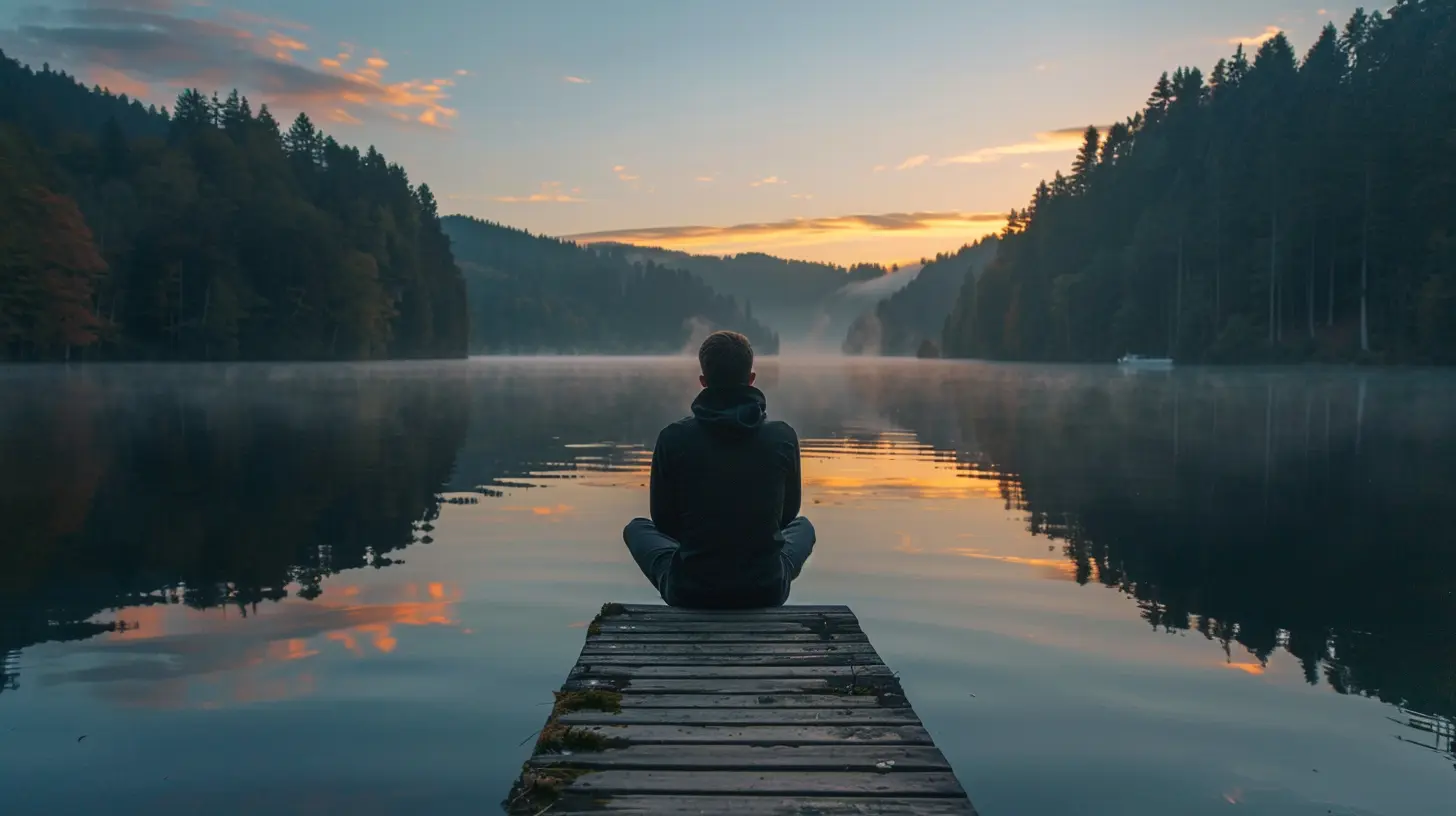
Why Solitude is Essential for Emotional Health
We’re constantly bombarded with messages, notifications, and responsibilities. Taking time to disconnect isn’t just a luxury—it’s a necessity. Here’s why:1. Self-Reflection and Emotional Clarity
Ever notice how hard it is to hear your own thoughts when you're always surrounded by noise? Solitude gives you the space to reflect on your emotions, process your experiences, and gain clarity on what truly matters to you.When you're alone, you can ask yourself tough questions:
- Am I really happy with where I am in life?
- What’s been causing me stress lately?
- What do I need to let go of?
These moments of self-reflection can lead to better decision-making and emotional stability.
2. Stress Reduction and Mental Relaxation
Life gets hectic, and our brains aren’t designed to function under constant pressure. Solitude acts like a reset button, helping to lower cortisol (the stress hormone) and bring a sense of calmness.When you step away from the daily grind—whether it’s through meditation, reading, journaling, or simply sitting in silence—it gives your mind the break it desperately needs.
3. Boosts Creativity and Problem-Solving Skills
Some of the greatest thinkers—Einstein, Newton, and even Steve Jobs—were huge advocates of solitude. Why? Because creativity thrives in quiet moments.When you're alone, your brain can wander freely without external distractions. That’s when innovative ideas, fresh perspectives, and solutions to challenges start to surface.
Ever had a eureka moment in the shower? That’s solitude working its magic!
4. Strengthens Emotional Resilience
Being comfortable in your own company teaches you emotional independence. Instead of relying on others for validation, you become more self-sufficient and confident.It also helps you develop a stronger sense of identity. When you spend time alone, you’re not influenced by societal expectations, peer pressure, or external noise. You become more in tune with your true self. 
How to Practice Healthy Solitude
Now that we know how powerful solitude can be, let’s talk about how to incorporate it into your life in a healthy way.1. Schedule "Me Time"
Just like you schedule meetings, social gatherings, or gym sessions, block out time for yourself. Even 15–30 minutes a day can make a big difference.Try:
- Waking up a little earlier for quiet reflection
- Taking solo walks in nature
- Unplugging from technology for an hour each day
2. Engage in Activities That Bring You Joy
Solitude doesn’t have to be boring. Use this time to do things that make you happy:- Reading a book
- Painting, writing, or any creative pursuits
- Listening to music or podcasts
- Practicing mindfulness or meditation
Find what recharges you and make it part of your routine.
3. Keep a Journal
Writing down your thoughts can be incredibly therapeutic. Journaling helps you process emotions, track personal growth, and even identify patterns in your feelings.Some prompts to get started:
- What am I grateful for today?
- How am I feeling right now?
- What do I need to release or let go of?
4. Spend Time in Nature
Nothing soothes the soul like nature. Whether it's a hike, a walk on the beach, or sitting in a park, nature enhances the benefits of solitude by reducing stress and promoting mindfulness.5. Practice Mindfulness and Meditation
Mindfulness isn’t about emptying your mind—it’s about being present in the moment. Meditation and deep breathing exercises can help you become more aware of your thoughts and emotions without judgment.Even five minutes of focused breathing can have a profound impact on your emotional well-being. 
Solitude and Social Balance: Finding the Right Mix
While solitude is essential, too much of it can lead to isolation. The key is balance.Ask yourself:
- Am I using solitude as a tool for self-growth, or am I avoiding social interactions out of fear?
- Do I feel refreshed after alone time, or do I feel disconnected?
Make sure your solitude is intentional and not a way to escape from people or responsibilities. Maintain healthy social connections while prioritizing quality alone time.
Final Thoughts
Solitude isn’t about shutting the world out—it’s about tuning into yourself. It’s a time to reflect, recharge, and reconnect with your inner world.By embracing solitude, you gain emotional clarity, reduce stress, boost creativity, and develop a stronger sense of self. It's not loneliness; it's empowerment. So, the next time you feel overwhelmed, step back, take a deep breath, and gift yourself the beauty of solitude.
Remember, taking time for yourself isn’t selfish—it’s necessary.
all images in this post were generated using AI tools
Category:
Emotional WellnessAuthor:

Eileen Wood