The Nutritional Power of Seeds You Shouldn't Ignore
11 December 2025
Let’s be real – when we think about superfoods, our minds usually jump to kale smoothies, blueberries, or maybe even avocado toast. But what if I told you one of the most powerful superfoods is tiny enough to get stuck in your teeth? Yep, I’m talking about seeds.
Seeds are basically nature’s version of a packed lunchbox – tiny, but stuffed with everything a growing plant (and a hungry human) needs to thrive. They’re full of nutrients, fiber, healthy fats, and even plant-based protein. Despite their size, they’re nutritional powerhouses that can genuinely change the way you feel and function.
Think of seeds as the underdogs of the food world. Often overlooked, but absolutely worth your attention. So let’s dig into why these little guys deserve a permanent place in your pantry, and maybe even on your plate.
Why Seeds Deserve the Spotlight
Honestly, it’s wild how underrated seeds are. Just a tablespoon or two can deliver a major health boost. They’re easy to sprinkle into meals, they don’t break the bank, and they don’t need fancy recipes to be effective.What makes them so powerful? Well, for one, seeds are the origin of life for plants – they contain all the essential nutrients to grow into something much bigger. When we eat them, we tap into that same life force in a way. Not to get all poetic, but seeds really are nature’s multivitamins.
Each type of seed has its own unique benefits, and when you add a mix to your diet, you’re basically building a nutritional dream team.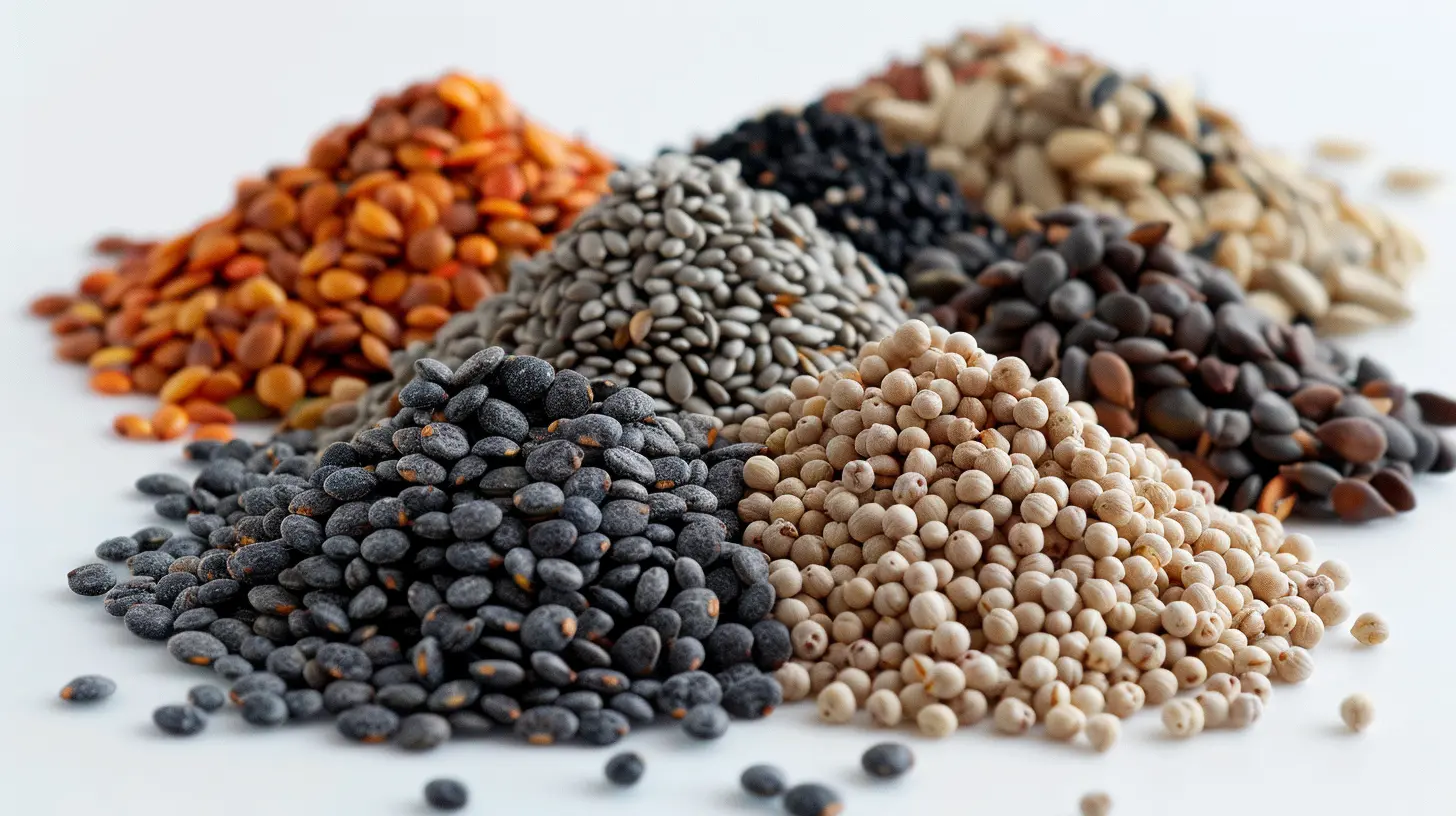
Top Seeds You Should Add to Your Diet
Let’s break down the all-stars of the seed world, what makes each of them special, and how you can use them in real life (without becoming a health nut).1. Chia Seeds – The Fiber and Omega-3 King
Ever tried those jelly-like chia puddings on Instagram? There’s a reason people are obsessed with them – chia seeds are loaded with fiber, omega-3 fatty acids, antioxidants, and plant-based protein. In fact, just two tablespoons of chia seeds contain:- 11 grams of fiber
- 4 grams of protein
- 5 grams of omega-3s
That’s pretty shocking for something that looks like birdseed.
Chia seeds absorb up to 10 times their weight in water, so they keep you full longer and help regulate digestion. Plus, they support heart health and brain function. I like throwing them into my smoothies, oatmeal, or even mixing them into salad dressings.
2. Flaxseeds – The Hormonal Helper
Flaxseeds are another omega-3 rich seed, but what really sets them apart is their lignan content. These are natural compounds that have antioxidant and estrogen-balancing properties. That means flaxseeds can help support hormone balance, especially during menopause or menstrual cycles.They’re also fiber-rich (hello, healthy digestion) and may help lower LDL cholesterol levels.
Important tip: Always consume flaxseeds ground. Whole flaxseeds pass right through your system undigested, meaning you miss out on all that goodness.
3. Pumpkin Seeds – The Zinc Powerhouse
Pumpkin seeds, also known as pepitas, are full of magnesium, iron, zinc, and antioxidants. Zinc is particularly essential for immune function, healthy skin, and even reproductive health.These seeds are also high in tryptophan, an amino acid that helps with sleep and mood – yep, they’re basically snacks that help you chill out.
I keep a jar of roasted, lightly salted pumpkin seeds around for snacking. Bonus: they’re amazing on top of soups, salads, or Greek yogurt for a little crunch.
4. Sunflower Seeds – The Stress Relievers
Sunflower seeds are more than just baseball game snacks. They’re rich in vitamin E – a powerful antioxidant that supports skin health and lowers inflammation.They also contain selenium and magnesium, which are great for your brain and mood. If you’re feeling stressed or wired, sunflower seeds might just help take the edge off.
Add them to trail mix, use them in baking, or sprinkle them into a Buddha bowl. Either way, they’re surprisingly versatile.
5. Hemp Seeds – The Protein Boosters
Hemp seeds, often overlooked, are packed with complete protein. Yes, you read that right – they have all 9 essential amino acids. That’s pretty rare in the plant kingdom.They’re also rich in omega-6 and omega-3 fatty acids in an ideal ratio, making them great for heart health. They’ve got a soft, nutty flavor and blend perfectly into smoothies or can be sprinkled over toast and eggs.
If you’re vegetarian or just want to cut back on meat, hemp seeds are a game-changer.
6. Sesame Seeds – The Bone Builders
Sesame seeds are tiny but mighty when it comes to calcium, magnesium, and zinc – all essential for strong bones and joints.They also contain sesamin and sesamolin, compounds that may help lower cholesterol and protect the liver. You’ve probably had sesame seeds on burger buns, but to really level up their nutritional power, try tahini (sesame seed butter). It’s great in dressings or just drizzled over roasted veggies.
Health Benefits You Didn’t See Coming
Sure, seeds are nutritious. But beyond the basic macro and micronutrients, they offer health benefits that might surprise you.✔️ Gut Health Galore
Most seeds are high in both soluble and insoluble fiber. This not only keeps things moving (if you know what I mean), but also feeds the good bacteria in your gut. A healthy gut is linked to better immunity, mood, and even brain function.✔️ Long-Lasting Energy
Because seeds are rich in healthy fats, protein, and fiber, they provide steady, slow-burning energy. Unlike sugary snacks, they don’t spike your blood sugar then leave you crashing an hour later.✔️ Natural Weight Management
That same combo of fat, fiber, and protein helps you feel full and satisfied. Seeds can naturally help with portion control and cravings without feeling like you’re depriving yourself.✔️ Heart Health Boost
Omega-3s, magnesium, antioxidants – seeds are bursting with heart-friendly nutrients. Studies show they can help lower blood pressure, reduce inflammation, and improve cholesterol levels.
How to Add Seeds to Your Diet (Without Going Overboard)
Okay, so now that you're convinced seeds are legit little warriors for your health, how do you actually fit them into your meals?Here are some easy, no-BS ways to sneak them in:
- Smoothies – Add a tablespoon of chia, flax, or hemp seeds.
- Salads – Sprinkle pumpkin or sunflower seeds for crunch.
- Oatmeal or yogurt – Stir in chia or sesame seeds.
- Baking – Add seeds to muffins, bread, or granola bars.
- Nut butters – Mix them into homemade almond or peanut butter.
- Soups – Top soups with toasted seeds for extra texture.
- Energy balls – Combine seeds with dates and nut butter for an easy snack.
Just keep in mind: while seeds are healthy, they’re also calorie-dense. A little goes a long way, so 1-2 tablespoons per day is a sweet spot for most people.
Possible Downsides (Because Nothing’s Perfect)
Even superhero seeds have their kryptonite. Some things to keep on your radar:- Oxalates & phytates: Some seeds contain compounds that can interfere with nutrient absorption. Soaking or roasting can reduce these.
- Allergies: Seed allergies aren't as common as nut allergies, but they do exist. If you have a history of food allergies, introduce new seeds slowly.
- Overdoing it: Too much fiber too fast can lead to bloating or gas. Start small and increase your intake gradually.
Final Thoughts: Small Seeds, Big Impact
Here’s the bottom line: seeds may be small, but they sure don't play small when it comes to health benefits. From heart health and digestion to hormones and energy, these tiny nutritional powerhouses can seriously upgrade your daily diet.And the best part? You don’t need to commit to a hardcore health trend to get their benefits. No juice cleanses. No expensive supplements. Just a few spoonfuls of seeds added to foods you’re already eating.
So next time you're staring into your pantry, thinking there’s nothing healthy to eat – just reach for the seeds. Your body (and brain!) will thank you.
all images in this post were generated using AI tools
Category:
NutritionAuthor:

Eileen Wood
Discussion
rate this article
2 comments
Michelle Rogers
Great article! You've captured the essential benefits of seeds perfectly. It's refreshing to see such an emphasis on incorporating these nutritional powerhouses into our diets. Keep up the fantastic work!
December 16, 2025 at 4:54 AM
Eileen Wood
Thank you for your kind words! I'm glad you found the article helpful in highlighting the benefits of seeds.
Berenice McGhee
Oh sure, let’s all eat seeds like we're birds! Who needs pizza when you can sprinkle chia on everything? Yum!
December 11, 2025 at 3:32 PM
Eileen Wood
While pizza has its merits, incorporating seeds can boost your nutrient intake significantly! Give them a try alongside your favorite dishes for added health benefits.