The Modern Man's Guide to Stress Management in 2027
9 September 2026
You are not weak for feeling stressed. You are responding to a system that was never designed for human beings. By 2027, the average man carries a cognitive load that would have shattered his grandfather's nervous system by lunchtime. He manages a career that demands constant availability, a family that needs his presence, a body that he neglects, and a digital identity that never sleeps. The old advice about "manning up" or "just relaxing" is not just useless, it is actively harmful. This guide is not about bubble baths and scented candles. It is about understanding the mechanics of your stress response, dismantling the myths that keep you stuck, and building a practical system that works with your biology, not against it.
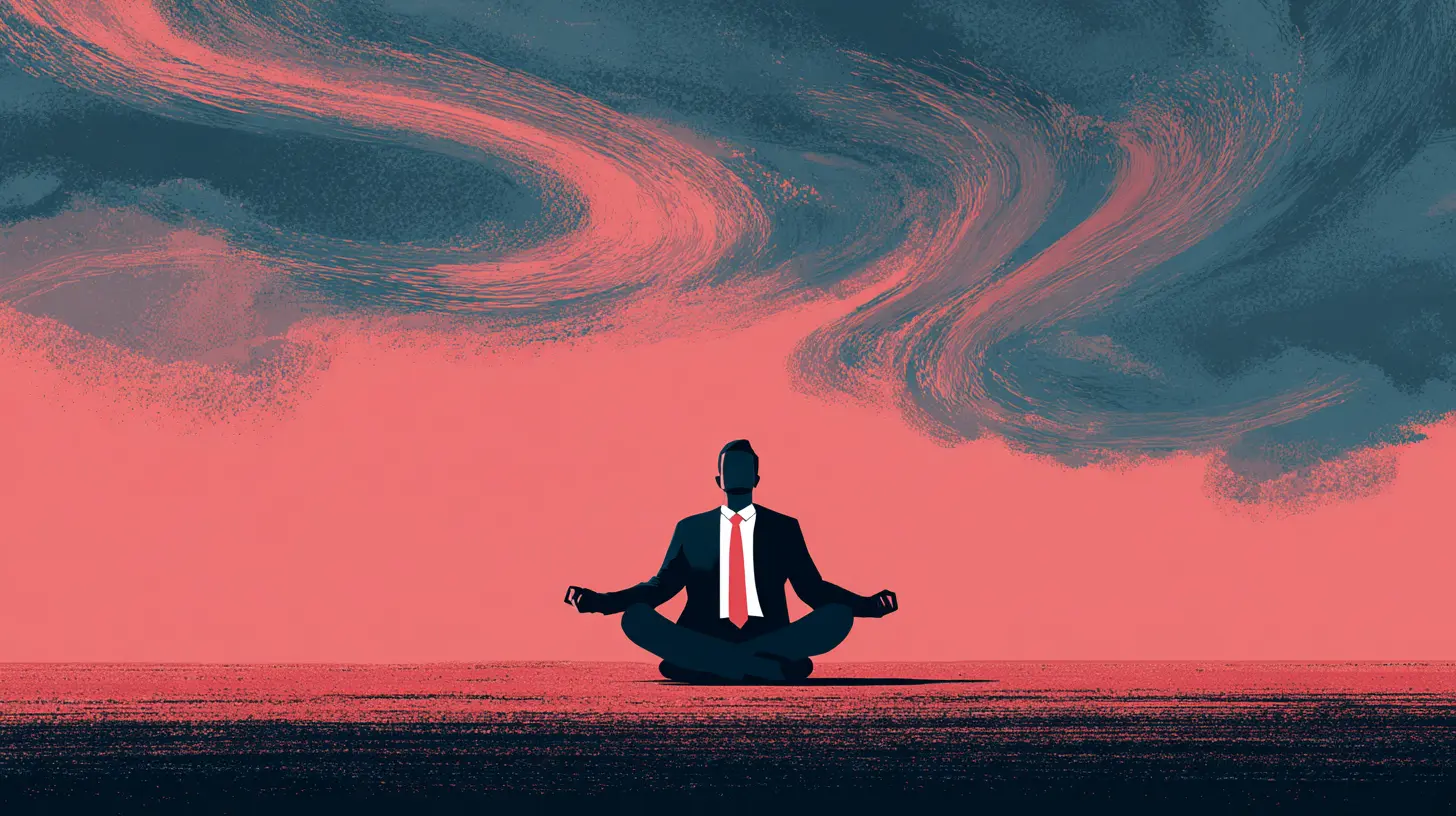
Why Traditional Stress Advice Fails Men
Most stress management content is written for a generic human who does not exist. It assumes you have unlimited time, a quiet room, and the emotional vocabulary of a therapist. Men face specific stressors that are rarely addressed head-on. We are socially conditioned to suppress emotional expression, to view asking for help as a sign of incompetence, and to measure our worth through productivity and provision. When you combine that conditioning with a world that demands more from you every year, you get a physiological disaster.The common advice to "just take a walk" or "practice mindfulness" often backfires for men because it feels passive. It feels like doing nothing while the world burns. You sit there trying to focus on your breath, and your brain screams about the mortgage, the performance review, and the strange noise your car is making. This does not mean mindfulness is wrong. It means you need a different entry point. You need to understand why your body is reacting the way it is before you can convince it to calm down.
The male stress response is heavily tied to status and competence. When you feel out of control, your amygdala fires as if you were being chased by a predator. The problem is that in 2027, the predator is an email from your boss at 11 PM or a social media comparison that makes you feel like a failure. Your body cannot tell the difference between a physical threat and a psychological one. It just knows cortisol and adrenaline are flooding your system, and it prepares you to fight or flee. Neither option is appropriate when you are sitting in a traffic jam or staring at a spreadsheet.
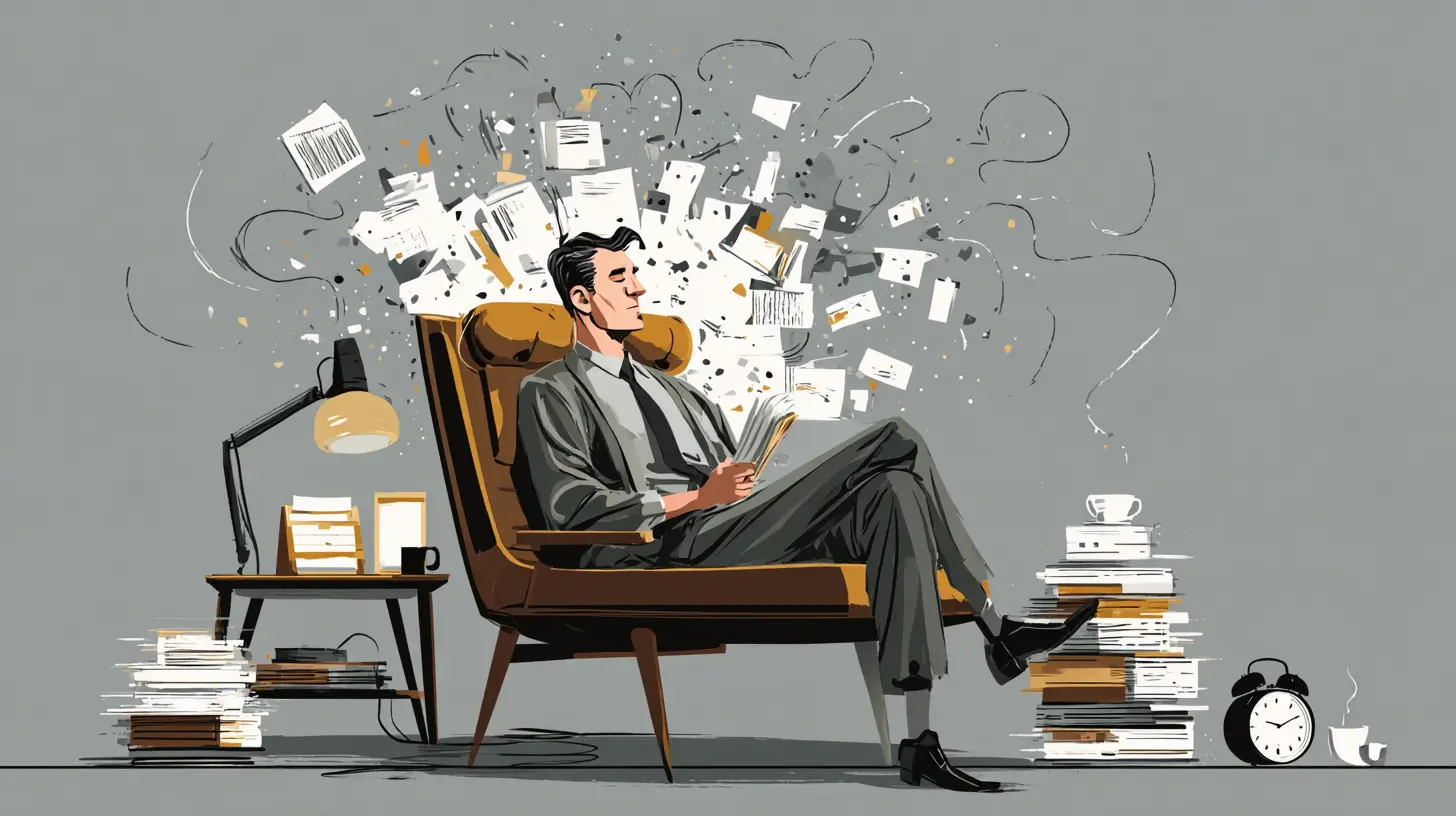
The Real Cost of Chronic Stress on the Male Body
Let us be brutally honest about what stress is doing to you. It is not just a feeling. It is a biochemical cascade that, when sustained, literally rewires your brain and degrades your organs. Chronic stress shrinks the hippocampus, the part of the brain responsible for memory and learning. It thickens your arterial walls, increasing blood pressure and the risk of heart disease. It disrupts testosterone production, which affects your muscle mass, libido, energy, and mood. It impairs your immune system, making you more susceptible to everything from the common cold to more serious conditions.Men often ignore these signs because they attribute them to aging or just having a hard week. But the data is clear. A man in his forties who reports high chronic stress has a cardiovascular risk profile similar to a man ten years older who is a smoker. The belly fat that accumulates under chronic stress is not just cosmetic. Visceral fat is metabolically active tissue that pumps inflammatory markers into your bloodstream. This inflammation is the common thread linking stress to diabetes, depression, and even erectile dysfunction. If you need a practical reason to manage stress, consider that your sexual health, your cognitive sharpness, and your physical strength are all directly compromised by an unmanaged stress response.
The Cortisol Curve You Need to Understand
Cortisol is not the enemy. You need it to wake up, to focus, and to respond to genuine emergencies. The problem is the shape of your cortisol curve. In a healthy male, cortisol peaks in the morning to get you out of bed and gradually declines throughout the day, reaching its lowest point at night to allow for deep sleep. Chronic stress flattens this curve. You wake up already exhausted because your cortisol is high at midnight. You feel a spike in the afternoon that makes you crave sugar and caffeine. You feel wired but tired at night, unable to shut off your brain.The goal of stress management is not to eliminate cortisol. It is to restore a healthy rhythm. This means you need to look at your entire day, not just the moments when you feel overwhelmed. If you are only addressing stress when you feel panicked, you are fighting a losing battle. You need to manage the baseline.
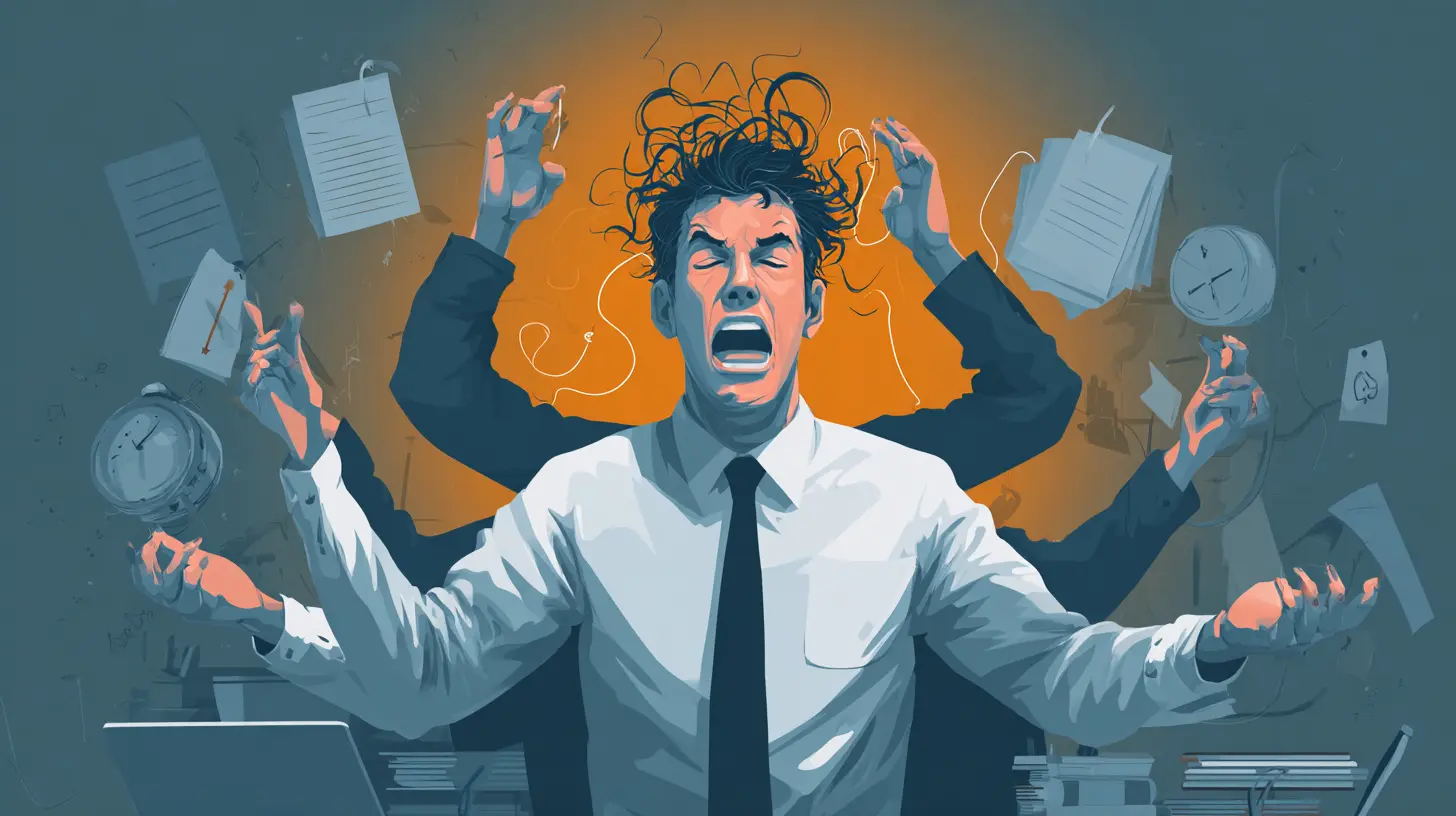
The 2027 Reality: Digital Stress Is Different
We need to talk about the elephant in the room. Your phone is not a tool. It is a slot machine designed by the smartest engineers in the world to capture your attention and monetize your anxiety. By 2027, the average man checks his phone over 150 times a day. Each check is a micro-stressor. You see a news alert, a work message, a social media post that makes you feel inadequate. Your nervous system gets a tiny jolt each time. Over the course of a day, this adds up to a state of constant low-grade vigilance.This is fundamentally different from the stress your ancestors faced. They had acute stressors, like a predator or a storm, followed by recovery periods. You have no recovery period. You are in a state of perpetual partial activation. Your body is always ready for a fight that never comes. This is why you feel exhausted even on days when you do nothing physical.
The Comparison Trap Is Worse Than Ever
Social media in 2027 is not just curated. It is artificially enhanced. You are not comparing your real life to someone else's real life. You are comparing your behind-the-scenes footage to their highlight reel, which is often generated or heavily edited. When you see a peer who seems to have the perfect body, the perfect family, and the perfect career, your brain registers a status threat. It releases stress hormones to motivate you to compete. But the competition is rigged. You cannot win against a fictional character.The practical solution is not to quit social media entirely, though that works for some. It is to curate your feed ruthlessly. Unfollow anyone who makes you feel inadequate. Follow accounts that provide genuine value or entertainment without comparison. Treat your feed like a diet. If a food makes you feel sick, you stop eating it. If an account makes you feel stressed, you stop following it. This is not avoidance. It is hygiene.

Building Your Stress Management System
Forget the idea of a single technique that will fix everything. You need a layered system that addresses different aspects of your stress response. Think of it like physical training. You do not build a strong body with one exercise. You need a program that combines strength, cardio, and mobility. The same logic applies to your nervous system.Layer One: The Physiological Foundation
You cannot out-mediate a bad diet and no sleep. Your nervous system runs on fuel. If you are eating processed food, drinking too much alcohol, and sleeping five hours a night, no breathing technique will save you. This is not about being perfect. It is about understanding the hierarchy of needs.Sleep is the non-negotiable foundation. In 2027, we know that deep sleep is when your brain clears out metabolic waste and consolidates memories. It is when your body repairs tissue and balances hormones. If you are sleeping less than seven hours a night, you are living in a state of chronic sleep deprivation that amplifies every stressor. The most effective intervention for stress is not a meditation app. It is going to bed at the same time every night and waking up at the same time every morning. This anchors your circadian rhythm and stabilizes your cortisol curve.
Exercise is the second pillar. But the type of exercise matters. High-intensity interval training is excellent for building fitness, but it is also a stressor. If you are already chronically stressed, adding intense workouts without adequate recovery can backfire. You need to balance intense sessions with low-intensity movement. Walking, especially in nature, has been shown to reduce rumination and lower cortisol. Lifting heavy weights is beneficial because it signals to your body that you are strong and capable, which reduces the perception of threat. The key is consistency over intensity. A thirty-minute walk every day is more effective for stress management than a two-hour gym session once a week that leaves you wrecked.
Layer Two: The Breath as a Control Mechanism
Your breath is the only autonomic function you can consciously control. This makes it a direct line to your nervous system. When you are stressed, you breathe shallowly and rapidly from your chest. This signals danger to your brain. When you breathe slowly and deeply from your diaphragm, you signal safety.The most effective technique for acute stress is not complicated. It is called physiological sigh or cyclic sighing. You take two quick inhales through your nose, then one long exhale through your mouth. The double inhale inflates your lungs fully, and the long exhale activates your parasympathetic nervous system. This works quickly because it physically stretches the heart muscle and slows your heart rate. It is not mystical. It is physiology.
You should practice this before you need it. If you only use breathing techniques during a panic attack, you will not be skilled enough to use them effectively. Spend two minutes in the morning and two minutes before bed practicing slow, deep breathing. This is not a waste of time. It is training your nervous system to have a brake pedal.
Layer Three: Cognitive Reframing and the Stories You Tell
Stress is not just about events. It is about your interpretation of events. Two men can face the same setback, and one will crumble while the other sees it as a challenge. This is not about toxic positivity. It is about cognitive flexibility.The most common cognitive error in stressed men is catastrophizing. You imagine the worst-case scenario and treat it as inevitable. Your boss sends a vague email asking to talk, and you assume you are being fired. Your partner is quiet, and you assume she is unhappy. This mental habit keeps your stress response activated even when there is no actual threat.
A practical technique is the "worst-case, best-case, most-likely-case" exercise. When you catch yourself spiraling, write down the worst-case scenario. Then write down the best-case scenario. Then write down the most likely scenario. This forces your brain to move from vague anxiety to concrete analysis. You will often realize that the most likely scenario is manageable. This does not eliminate the stress, but it reduces it to a level where you can act.
Another powerful reframe is to ask yourself: "Is this a problem I can solve, or a situation I must accept?" If you can solve it, make a plan. If you cannot solve it, worrying is a waste of energy. This is the foundation of the Serenity Prayer, but it works regardless of your beliefs. The act of categorizing your stressors helps you allocate your energy effectively.
The Role of Connection and Vulnerability
This is the hardest section for many men to read. We are taught that needing others is a weakness. But the research is unambiguous. Social connection is the strongest protective factor against stress-related illness. Men with strong social networks have lower cortisol levels, better cardiovascular health, and longer lifespans. The problem is that many men do not have strong social networks. They have acquaintances from work and maybe a few friends from high school, but they do not have people they can call when they are struggling.The misconception is that you need to "open up" to everyone. You do not. You need a small circle of trusted individuals. You need at least one person, ideally two or three, with whom you can be honest about your fears and failures without judgment. This is not therapy, though therapy is also valuable. This is friendship with depth.
In 2027, many men have replaced real connection with digital interaction. You might have hundreds of online friends, but no one who will show up at your door at 2 AM if your life falls apart. Building this kind of connection requires vulnerability, which requires courage. It means admitting you are struggling. It means asking for help. It means listening without trying to fix everything. This is a skill that must be practiced.
The Misconception About Therapy
Therapy is not for "crazy" people. It is for anyone who wants to understand their own mind better. A good therapist is like a personal trainer for your mental health. They give you tools, challenge your assumptions, and hold you accountable. In 2027, online therapy has made this more accessible than ever. You can have a video session with a licensed professional from your home or office.The trade-off is that therapy requires time and money, and it requires you to do work outside of sessions. It is not a magic pill. But for many men, it is the first time they have a safe space to speak without fear of consequences. If you are resistant to therapy, consider this: you would not expect to fix a broken leg by ignoring it. Your mental health is no different.
Practical Daily Protocols for the Busy Man
You do not need to overhaul your life overnight. You need small, consistent practices that fit into your existing schedule. Here is a realistic daily protocol that takes about twenty minutes total and can be integrated into your routine.Morning: The Anchor
Do not check your phone for the first thirty minutes after waking. This is critical. When you wake up, your brain is in a theta state, which is highly suggestible. If the first thing you see is a stressful email or negative news, you set your nervous system for the day. Instead, drink a glass of water, do five minutes of stretching or light movement, and spend two minutes setting an intention for the day. This is not about being spiritual. It is about controlling your input.Midday: The Reset
Your cortisol naturally dips in the early afternoon. This is why you feel sleepy. Instead of reaching for caffeine and sugar, which will spike and crash your energy, take a ten-minute walk. If you cannot walk outside, walk inside. The movement and change of scenery will help reset your focus. If you feel a wave of anxiety, do three cycles of the physiological sigh.Evening: The Shutdown
The goal is to create a clear boundary between work and rest. This is difficult when you work from home or have a phone that is always on. Establish a shutdown ritual. At a set time, review your tasks for the next day and write them down. This gets them out of your head. Then, turn off work notifications. The last hour before bed should be screen-free or at least blue-light-free. Read a physical book, listen to music, or have a conversation with your partner. This signals to your body that the day is over.Common Mistakes and Misconceptions
Let us address some things that do not work, despite their popularity.The "Tough It Out" Fallacy
Suppressing stress does not make it go away. It goes into your body. You might not feel anxious, but you will develop tension headaches, digestive issues, or high blood pressure. The stress is still there, just below the surface. Ignoring it is like ignoring a leak in your roof. It will eventually cause major damage.The "Work Harder" Fallacy
When stressed, many men double down on work. They think that if they just achieve more, they will feel better. This is a trap. Stress impairs your cognitive function. You make worse decisions when stressed. Working harder while stressed is like driving with the emergency brake on. You are burning more fuel but going nowhere. The most productive thing you can do when stressed is to step back and recover.The "One Technique" Fallacy
There is no single technique that works for everyone. Some men find meditation useful. Others find it frustrating. Some men benefit from journaling. Others find it tedious. The key is to experiment and find what works for you. Do not force yourself to do something just because it is popular. The best stress management technique is the one you will actually do consistently.
The Long Game: Building Resilience
Stress management is not about avoiding stress. It is about building resilience so that when stress comes, and it will come, you can handle it without falling apart. Resilience is built through exposure to manageable challenges. This is why exercise is so effective. When you lift a heavy weight, you are teaching your body that it can handle a physical challenge. This confidence translates to psychological challenges.Another key component of resilience is having a sense of purpose. Men who have a clear "why" are better able to handle the "how." This does not mean you need to save the world. It means you need to know what you are working toward. It could be providing for your family, building a skill, or contributing to your community. When you have a purpose, daily stressors become less significant because you can see them in the context of a larger story.
Finally, learn to forgive yourself. You will have bad days. You will lose your temper. You will eat poorly and skip your workout. This does not mean you have failed. It means you are human. The key is to get back on track quickly. Do not let one bad day turn into a bad week. Acknowledge the mistake, learn from it, and move on.
The Bottom Line
Stress in 2027 is not optional. It is a feature of the modern environment. But how you respond to it is entirely within your control. You can continue to let it erode your health, your relationships, and your happiness. Or you can build a system that allows you to thrive despite the chaos. The choice is yours. It is not easy. It requires consistent effort. But the reward is a life where you are not just surviving, but actually living with energy, clarity, and purpose. You owe it to yourself, and to the people who depend on you, to take this seriously. Start small. Pick one practice from this guide and implement it today. Your future self will thank you.
all images in this post were generated using AI tools
Category:
Mens HealthAuthor:

Eileen Wood
Discussion
rate this article
2 comments
Vera White
Navigating stress in today's world can be overwhelming. Remember, seeking support and finding small moments of peace can make a big difference. You are not alone in this journey toward wellness.
September 17, 2026 at 4:26 PM
Eileen Wood
Absolutely, taking small steps and reaching out for support can really help. We're all in this together.
Rhiannon Pace
It's tough navigating stress in today's world. Remember, it's okay to seek help and prioritize self-care. Small changes can make a big difference in finding peace and balance.
September 12, 2026 at 5:00 PM
Eileen Wood
Absolutely, taking small steps towards self-care can really help. It's essential to prioritize our well-being in such a fast-paced world.