The Link Between Stress and Weight Gain in Men
9 August 2026
Introduction
Ever wondered why you tend to put on extra pounds when life gets overwhelming? You’re not alone. Stress and weight gain often go hand in hand, especially for men. Between work pressures, financial worries, and life’s curveballs, stress can seriously affect your body in ways you might not even realize.
But how exactly does stress lead to weight gain? And what can you do to stop the cycle? Let’s break it all down in a way that makes sense—no complicated jargon, just real talk. 
How Stress Affects the Body
Stress isn’t just a mental game. When you're stressed, your body shifts into survival mode. It releases hormones like cortisol and adrenaline to help you deal with whatever’s causing the stress.In small doses, this response is helpful. But when stress becomes chronic (meaning it sticks around for weeks or months), your body stays in this heightened state, which can mess with your metabolism, appetite, and energy levels.
The Role of Cortisol
Cortisol is often called the “stress hormone.” It’s responsible for managing how your body uses carbs, fats, and proteins. Sounds harmless, right? Well, not quite.When cortisol levels remain high for too long:
- It increases appetite – Your body thinks it needs extra fuel to handle the stress, so you crave high-calorie foods.
- It slows metabolism – Your body stores more fat, especially around the belly.
- It messes with sleep – Poor sleep leads to cravings and fatigue, making it harder to stay active.
In short, too much cortisol makes it way too easy to gain weight—especially unwanted belly fat. 
Why Men Are More Affected By Stress-Related Weight Gain
While stress affects everyone, men seem to store more fat in the belly area due to higher testosterone levels. And unfortunately, belly fat is the most dangerous type—it’s linked to heart disease, diabetes, and other health problems.Additionally, men are often less likely to seek help for stress or engage in healthy coping mechanisms. Instead, they turn to food, alcohol, or sedentary habits (like binge-watching Netflix after a long day) to deal with it. Sound familiar? You’re not alone. 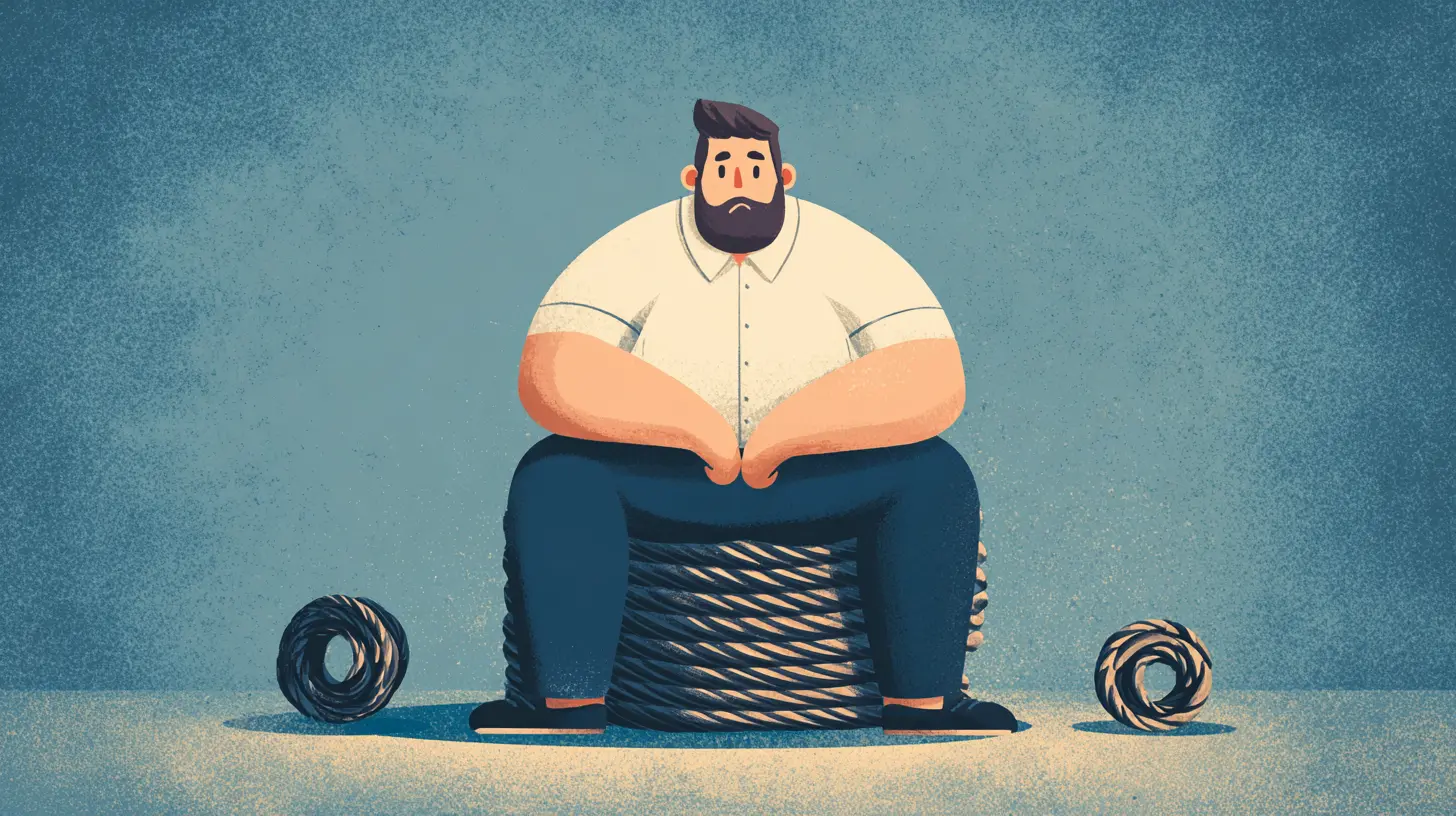
The Connection Between Stress Eating and Weight Gain
Ever reached for a burger or a pint of ice cream after a long, stressful day? That’s stress eating at work. When you’re stressed, you crave comfort foods—usually ones that are rich in sugar, fat, and salt.Why Does This Happen?
- Emotional Reward: Eating junk food triggers dopamine, the “feel-good” chemical in your brain. It’s a temporary high that helps you forget your stress—until the guilt (and extra pounds) catch up with you.- Survival Instincts: Your body thinks it’s under threat, so it urges you to eat high-calorie foods to store energy.
- Lack of Willpower: When you’re stressed, your brain is already exhausted from worrying. Making healthy choices feels way harder than just grabbing a bag of chips.
The problem? These eating habits become automatic, leading to gradual weight gain over time. 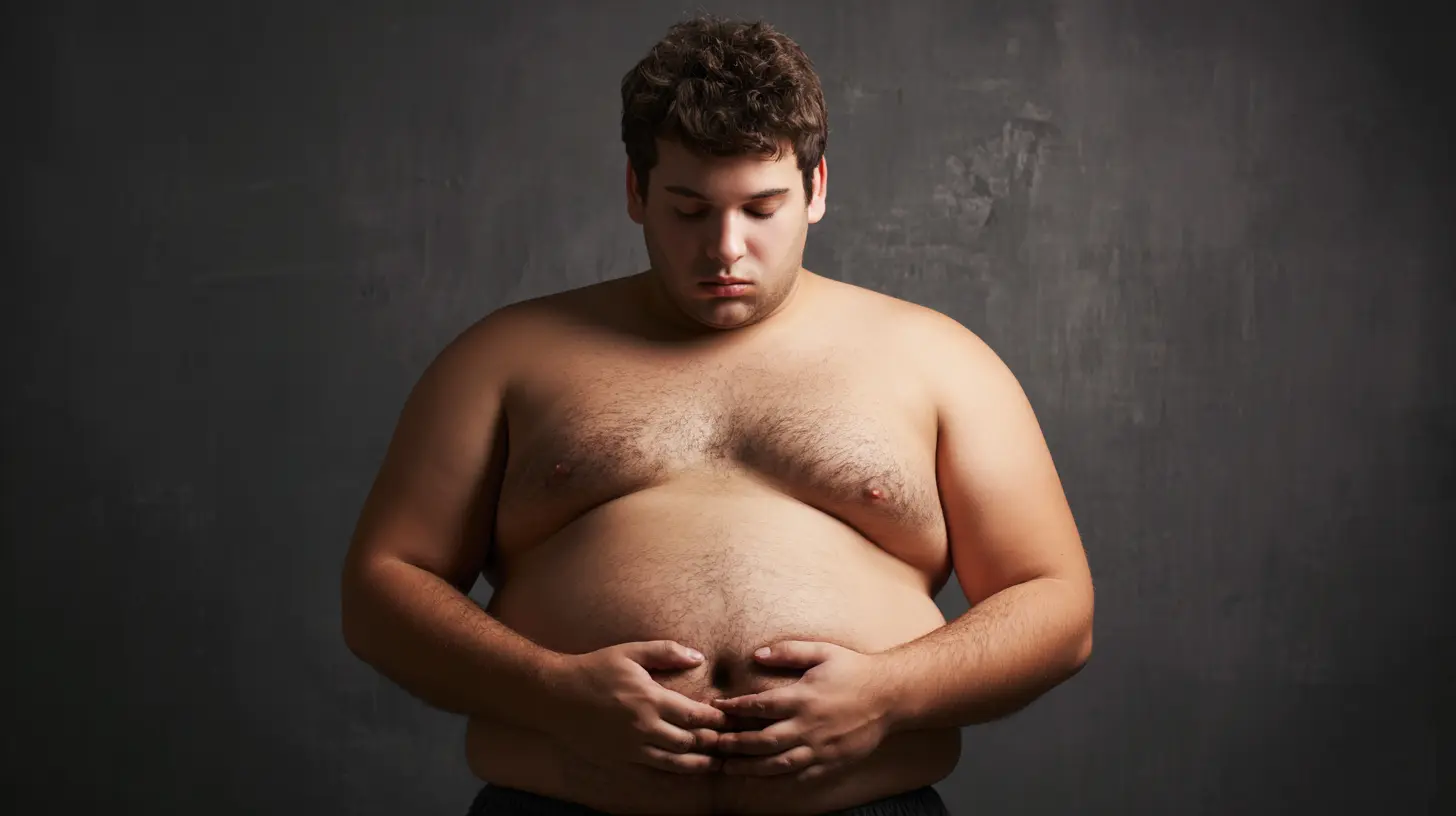
How Stress Impacts Your Physical Activity
Stress doesn’t just lead you to eat more—it also drains your motivation to exercise. When you're mentally exhausted, hitting the gym is the last thing on your mind.The Vicious Cycle
1. You feel stressed → You skip your workout.2. You feel guilty for skipping → You stress more.
3. You eat unhealthy foods → You gain weight.
4. Weight gain makes exercise harder → The cycle repeats.
Sound familiar? Breaking out of this loop requires conscious effort, but it’s 100% doable.
How to Break the Stress-Weight Gain Cycle
Now that you know stress is sneaky when it comes to weight gain, let’s talk about how to fight back.1. Manage Your Stress Levels
You don’t have to eliminate stress completely (that’s impossible), but you can learn to manage it better. Try these:- Exercise regularly – Even a brisk walk can lower cortisol levels.
- Get quality sleep – Poor sleep fuels stress and cravings.
- Practice mindfulness – Meditation or deep-breathing exercises can calm your mind.
- Talk it out – Whether it’s with a friend or a therapist, venting is helpful.
2. Rethink Your Eating Habits
Instead of reaching for that bag of chips, train your brain to choose healthier options:- Keep healthy snacks on hand – Nuts, yogurt, and fruits can curb cravings.
- Eat more protein and fiber – These nutrients keep you full longer.
- Drink more water – Sometimes, thirst is mistaken for hunger.
- Avoid eating when emotional – Ask yourself: “Am I really hungry, or just stressed?”
3. Get Moving—Even When You Don’t Feel Like It
Exercise not only burns calories but also lowers cortisol and boosts your mood. You don’t have to hit the gym for two hours—start small:- Take the stairs instead of the elevator.
- Walk or bike instead of driving short distances.
- Stretch or do yoga at home to relieve stress.
- Play a sport or do activities you enjoy—exercise shouldn’t feel like a chore.
4. Prioritize Sleep
Lack of sleep makes stress worse, slows metabolism, and increases cravings. Aim for at least 7-9 hours of quality sleep each night. Some quick tips:- Stick to a regular sleep schedule.
- Reduce screen time before bed.
- Avoid caffeine late in the day.
- Make your bedroom a calm, relaxing space.
5. Cut Back on Alcohol & Caffeine
Booze and too much coffee can disrupt sleep and trigger stress hormones. Try reducing your intake or switching to herbal teas when you need a warm, calming drink.Final Thoughts
Stress and weight gain often go hand in hand, but you don’t have to let them take control of your life. By managing stress in healthier ways, rethinking your eating habits, and staying active, you can maintain a healthy weight—even when life gets chaotic.The key? Start small. Pick one habit to focus on today, whether it’s a quick walk, swapping junk food for something healthier, or simply getting a good night’s sleep. Over time, these small changes add up.
Remember, you’re not alone in this. Stress is a part of life, but how you handle it makes all the difference.
all images in this post were generated using AI tools
Category:
Mens HealthAuthor:

Eileen Wood
Discussion
rate this article
1 comments
Shiloh Gonzalez
So, stress can pack on the pounds? Great, just what I needed to hear. I guess my new workout routine is lifting the remote and pacing to the fridge. At least I'll be a well-fed couch potato... if that counts for anything!
August 13, 2026 at 3:07 PM