The Link Between Inflammation and Your Diet
11 May 2026
Let’s talk about inflammation. You probably hear the word thrown around all the time, right? Whether it's chronic illness, joint pain, fatigue, or even mental health, inflammation always seems to be lurking in the background like a villain behind the scenes. But here’s the thing—what if the food you're putting on your plate every day is either fanning the flames or helping to put them out?
Sounds dramatic? Maybe. But the connection between inflammation and your diet is not just hype—it’s backed by science and real-life stories. So, grab your favorite anti-inflammatory snack (hello, blueberries!), and let’s dive into how what you eat could seriously affect your health from the inside out.
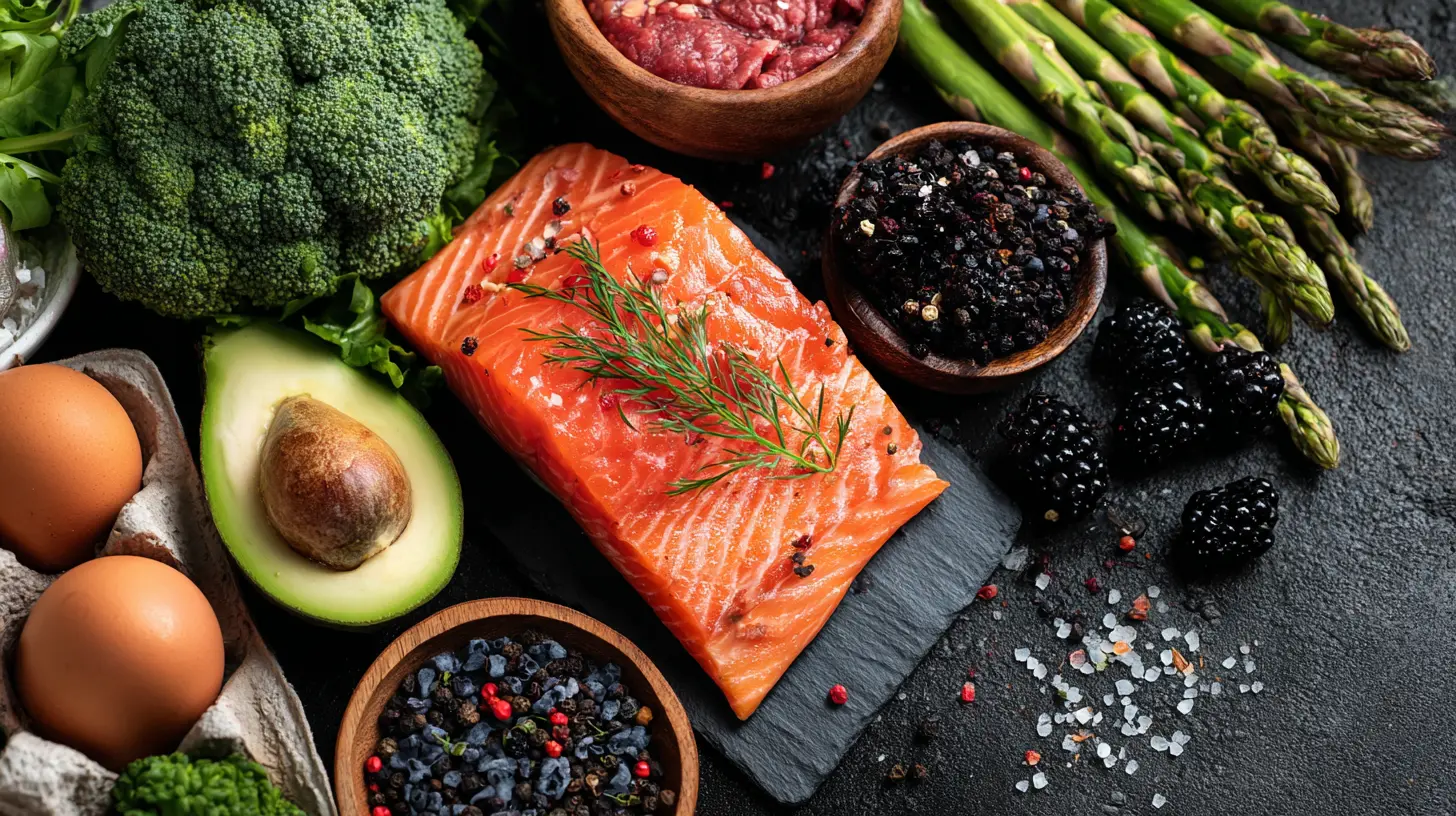
What is Inflammation Anyway?
First off, let’s clear up what inflammation really is. Often, people hear the word and immediately think it’s a bad thing. But here’s the truth: inflammation is your body’s natural defense mechanism.Imagine you get a cut, your immune system jumps into action, sending white blood cells to the area to protect and heal. That’s acute inflammation—it’s short-term and usually helpful.
But when inflammation sticks around for the long haul with no real injury to heal? That’s chronic inflammation. And that's where things start getting messy.
Chronic inflammation is like that annoying guest who overstays their welcome. It silently wears down your body, contributing to diseases like arthritis, heart disease, diabetes, depression, and even cancer.
And guess what? Your daily diet plays a massive role in how much inflammation your body deals with.
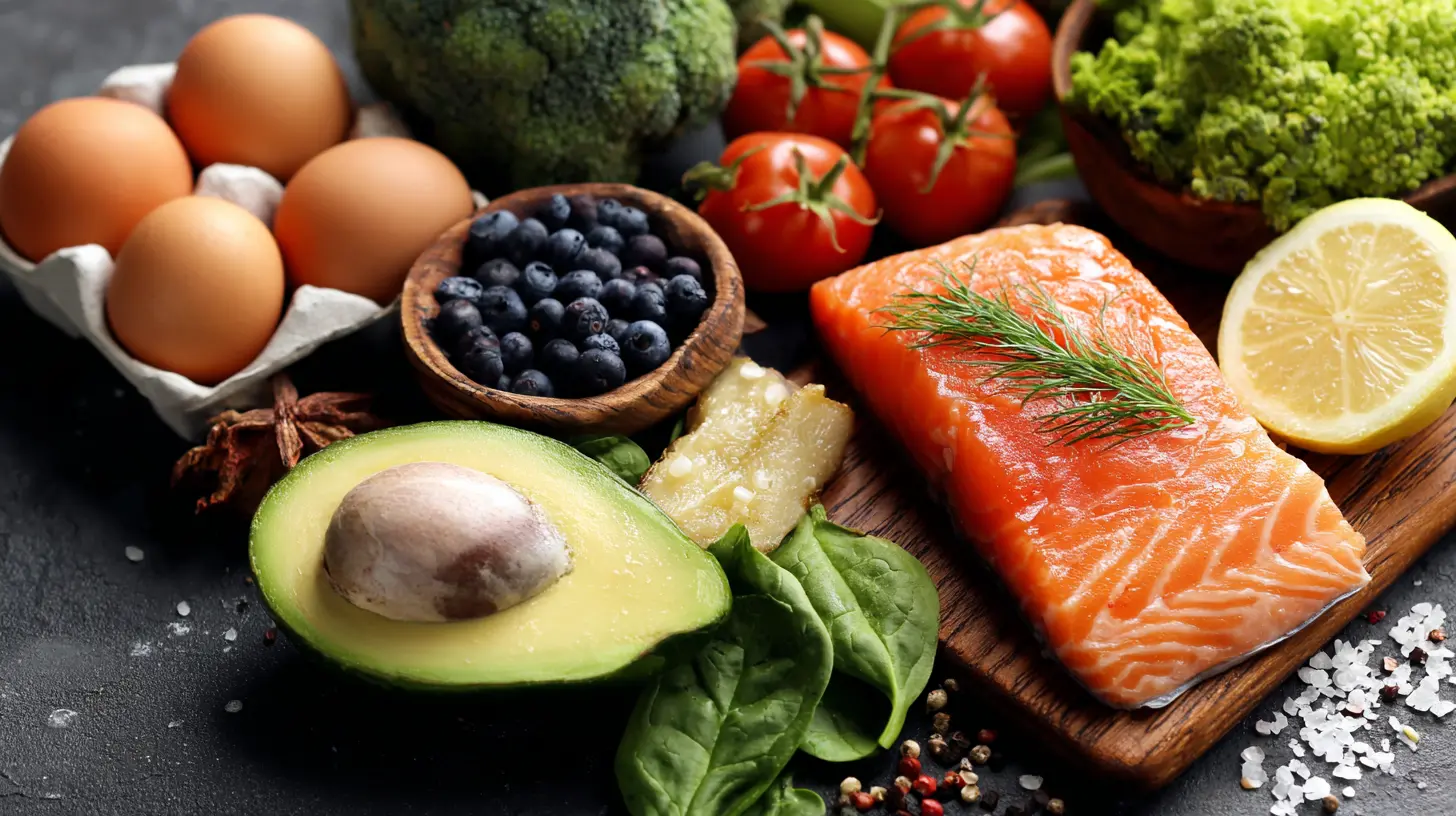
Your Plate: The Battlefield Between Anti-Inflammatory and Pro-Inflammatory Foods
Your body is basically in a constant tug-of-war between foods that cool down inflammation and those that crank it up. Sounds simple? It kind of is—but let’s break it down further.The Pro-Inflammatory Offenders
These are the bad guys—foods that trigger inflammation or make it worse. Here’s the hall of shame:- Refined carbs: Think white bread, pastries, and sugary cereals. They cause spikes in blood sugar which can trigger inflammation.
- Added sugars: Excess sugar, especially fructose, has been linked to higher inflammatory markers like CRP (C-reactive protein).
- Trans fats: These are found in margarine, baked goods, and fried fast food—some of the worst contributors to inflammation.
- Processed meats: Bacon, sausage, and hot dogs contain nitrites and other chemicals that promote inflammation.
- Excessive alcohol: A cocktail every now and then won’t hurt, but heavy drinking can inflame the body’s tissues and organs.
- Too many omega-6 fatty acids: Found in vegetable oils like corn, soybean, and sunflower oil—when consumed in excess without enough omega-3s, they can skew the body’s balance and promote inflammation.
Notice something? A typical Western diet, loaded with junk food, processed snacks, and fast food, reads like a checklist of pro-inflammatory foods.
The Anti-Inflammatory Heroes
Now for the good guys—the foods that help keep inflammation in check and support overall health:- Leafy greens: Spinach, kale, and chard are powerhouses packed with antioxidants and inflammation-fighting compounds.
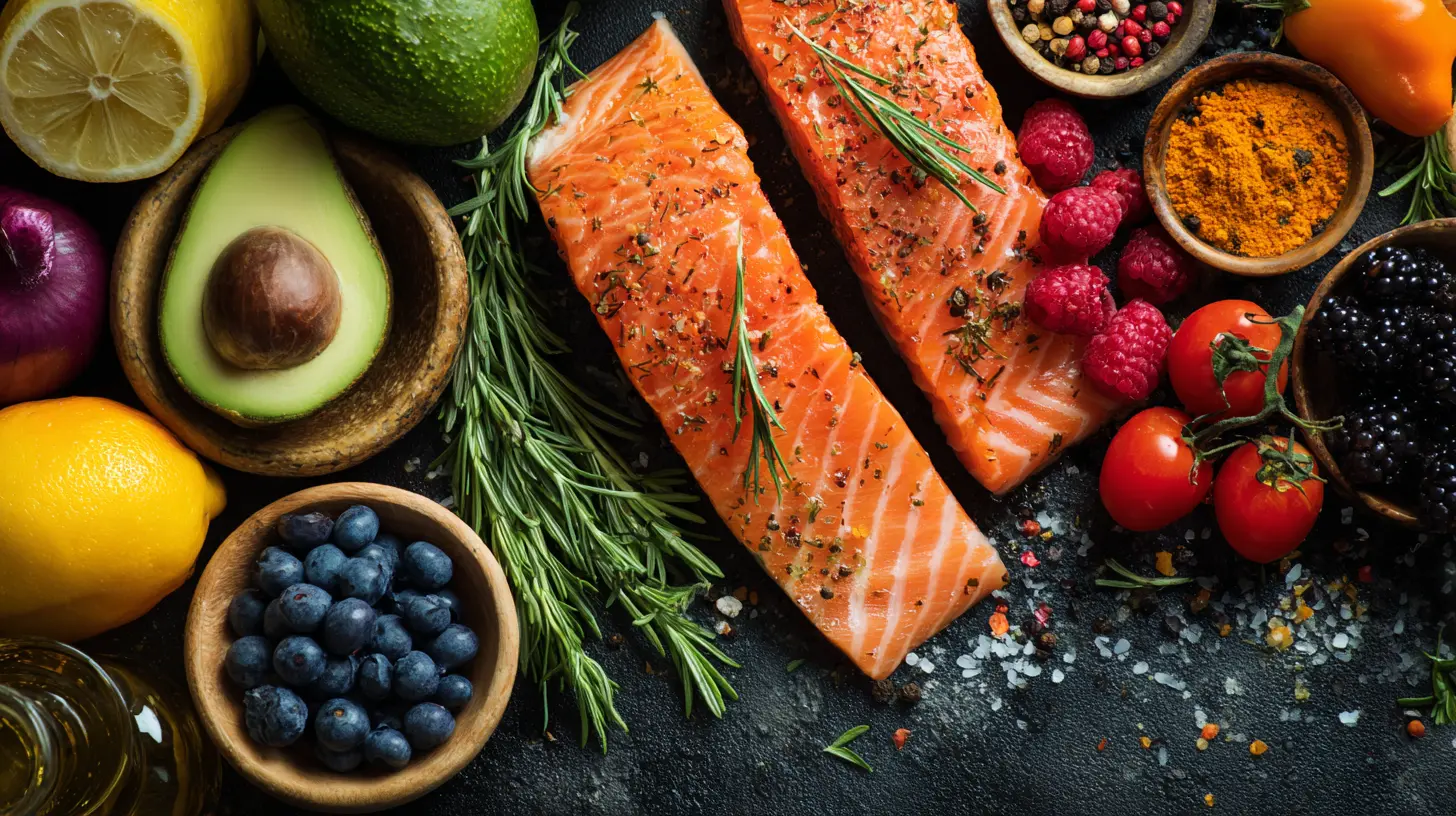
- Berries: Blueberries, strawberries, and raspberries are rich in polyphenols and vitamin C.
- Fatty fish: Salmon, sardines, and mackerel are loaded with omega-3 fatty acids, which are known to reduce inflammation.
- Nuts and seeds: Almonds, walnuts, flaxseeds, and chia seeds contain healthy fats and antioxidants.
- Olive oil: Especially extra virgin—it’s a staple in the Mediterranean diet and has strong anti-inflammatory properties.
- Turmeric: This golden spice contains curcumin, a compound with powerful anti-inflammatory effects.
- Green tea: Packed with catechins, green tea helps ward off inflammation and supports the immune system.
So really, your kitchen can either be your medicine cabinet—or the root cause of a lot of your health woes.
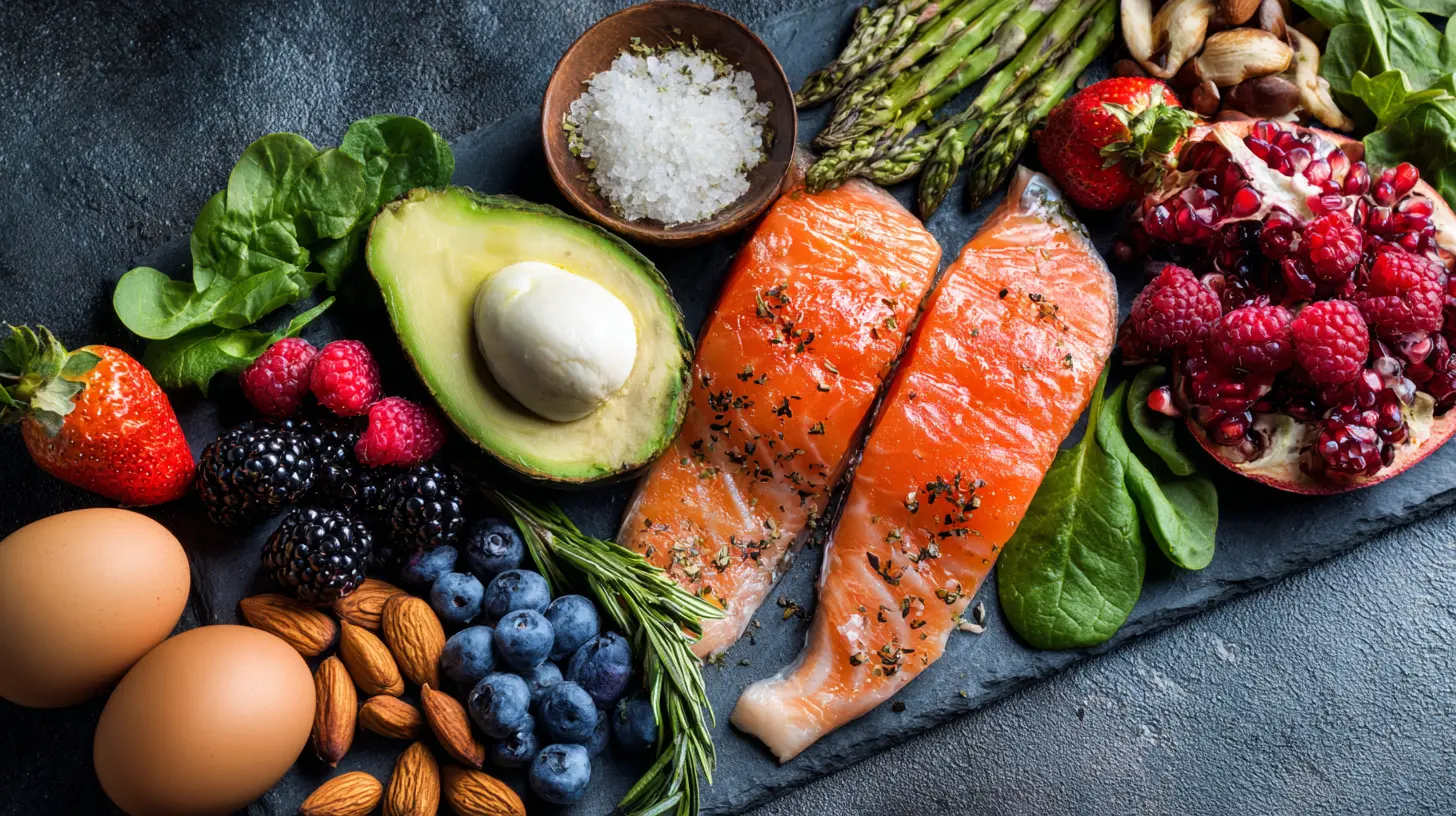
How Inflammation Affects Your Whole Body
If you’re wondering why it even matters that much, let’s take a quick tour of how chronic inflammation can mess with just about every part of your body:- Heart health: Chronic inflammation damages blood vessels and can lead to heart disease and stroke.
- Brain function: Inflammatory markers have been linked to brain fog, mood disorders, and even Alzheimer’s.
- Joints: Anyone with arthritis knows how inflammation can make everyday movement a challenge.
- Gut health: Your gut is ground-zero for inflammation—an unhealthy microbiome can send your immune system into overdrive.
- Weight gain: Yep, inflammation can increase insulin resistance and promote fat storage, especially belly fat.
It’s like a domino effect. One system out of balance can lead to a whole-body meltdown. But here’s the silver lining—your diet holds the power to shift the tide.
The Gut-Inflammation Connection
Did you know that about 70% of your immune system lives in your gut? That’s why the state of your gut microbiome plays such a huge role in inflammation. A diverse, balanced gut flora helps your body distinguish between friend and foe.Eat loads of processed food? You’re feeding the bad bacteria, damaging your gut lining, and potentially triggering something called "leaky gut syndrome." This allows toxins to escape into your bloodstream, lighting the inflammatory fires.
But if you nourish your gut with probiotics and fiber-rich foods, you're essentially putting the brakes on chronic inflammation and helping your body reset.
Gut-Friendly Anti-Inflammatory Foods
- Fermented foods: Yogurt, kefir, kimchi, sauerkraut, and miso feed your good gut bugs.- Prebiotic fiber: Found in garlic, onions, bananas, and asparagus, these feed your probiotics like fertilizer.
- Whole grains: Oats, quinoa, and brown rice support digestive health and reduce inflammation.
Simple Lifestyle Tweaks to Tame Inflammation
Okay, so food is a big deal—but it’s not the whole story. Lifestyle also matters more than most of us realize. Here’s what you can do beyond your dinner plate:- Move your body: Regular exercise reduces inflammatory markers. You don’t have to hit the gym hard—brisk walking, swimming, or yoga works wonders.
- Sleep like a baby: Poor sleep increases inflammatory markers like CRP. Aim for 7–9 hours a night.
- Chill out: Chronic stress pumps out cortisol, a hormone that, when elevated long-term, contributes to—you guessed it—inflammation!
- Cut the smoking and excessive booze: No surprise there—they both massively fuel inflammation.
One Size Doesn’t Fit All
Don’t worry—you don’t have to completely overhaul your diet overnight. You also don’t have to be perfect (who is?). The goal here is to add more of the good and reduce the not-so-good.Maybe it means swapping soda for green tea. Or choosing salmon instead of sausage. Little changes, over time, can dramatically reduce your body’s inflammation burden.
Also, everybody’s body is different. Some people are more sensitive to gluten, dairy, or nightshades. Pay attention to how you feel after meals. Keeping a food journal can help you spot patterns and triggers.
The Anti-Inflammatory Diet: A Tasty Blueprint
Want a no-fuss example of what an anti-inflammatory day of eating might look like?Breakfast
- Oatmeal topped with berries, chia seeds, and a drizzle of honeyLunch
- Quinoa salad with chickpeas, cherry tomatoes, cucumber, spinach, and olive oilSnack
- A handful of almonds and a green teaDinner
- Grilled salmon with steamed broccoli, sweet potato, and a side of sauerkrautDessert
- Dark chocolate (YES, in moderation it’s anti-inflammatory!)See? That’s hardly a punishment—it’s delicious and totally doable.
Final Thoughts: Feed Your Body Like It Matters
Bottom line? Inflammation isn’t always obvious—but its effects build up over time. The good news is that your fork is a powerful tool. Every bite you take is either fueling the fire or helping to douse the flames.So, ask yourself—what are you feeding your body today?
Making mindful, intentional food choices doesn’t mean sacrificing flavor or joy. It’s more like giving your body the ingredients it needs to thrive. You don't need a perfect diet. Just a good one—most of the time.
Eat well, move your body, get some sleep, and show your gut some love. Your body will thank you—not just today, but for years to come.
all images in this post were generated using AI tools
Category:
NutritionAuthor:

Eileen Wood
Discussion
rate this article
1 comments
Liv Russell
Diet plays a crucial role in inflammation; small changes can make a big difference.
May 12, 2026 at 4:22 AM
Eileen Wood
Absolutely! Even minor dietary adjustments can have a significant impact on reducing inflammation and improving overall health.