The Impact of Screen Time on Men's Physical and Mental Health
7 January 2026
In today's digital world, screens are everywhere—smartphones, laptops, tablets, TVs, and even smartwatches. For many men, screen time has become a huge part of daily life, whether it's for work, entertainment, or socializing. But have you ever stopped to think about how all this screen exposure affects your physical and mental health?
Let's dive into the real impact of excessive screen time and what you can do to maintain a healthier balance. 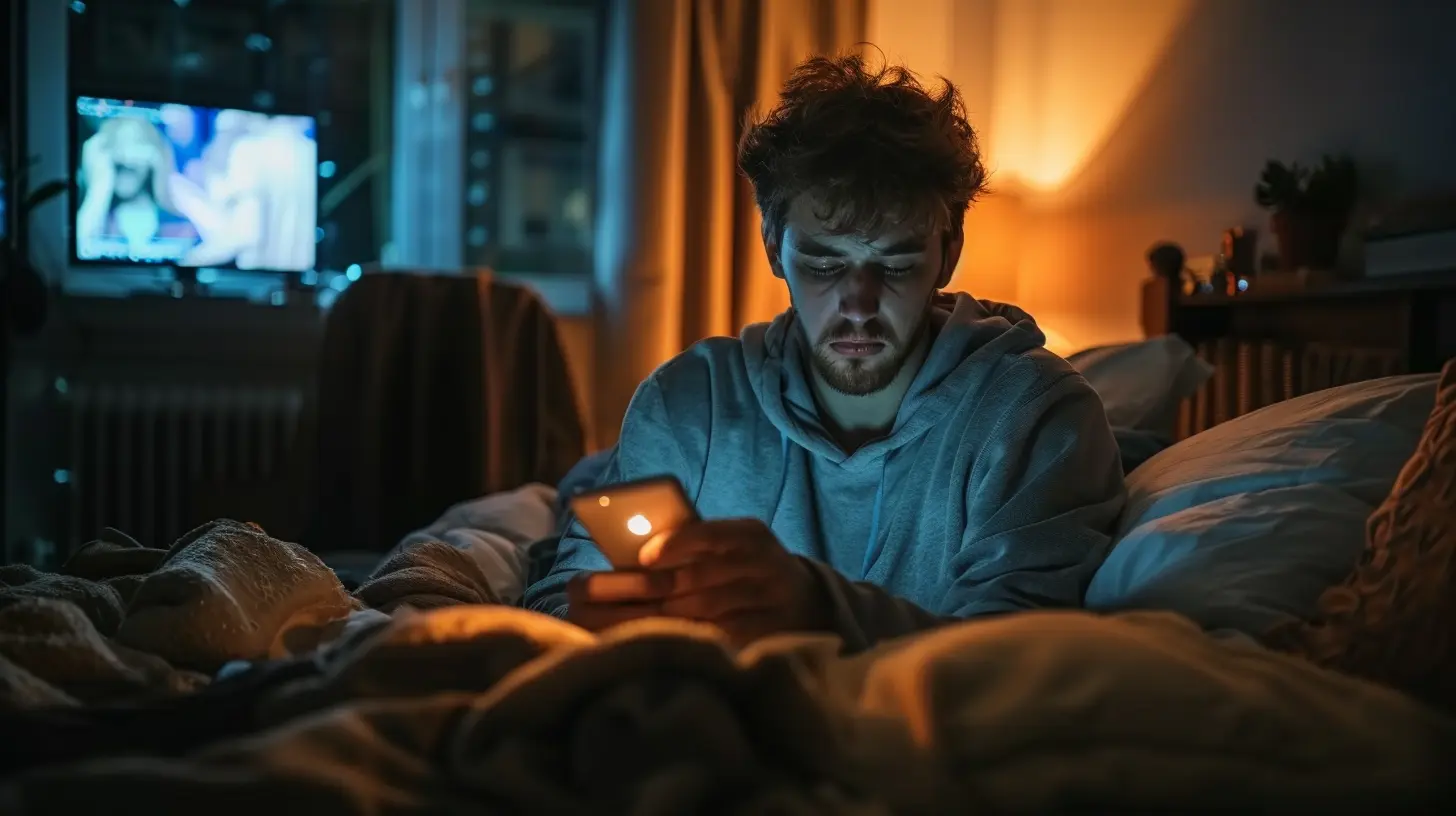
How Screen Time Affects Men's Physical Health
1. Eye Strain and Vision Problems
Ever felt your eyes burning or had trouble focusing after staring at a screen for hours? That’s digital eye strain, also known as Computer Vision Syndrome. It happens when you spend too much time looking at screens without breaks. Symptoms include:- Dry or irritated eyes
- Blurry vision
- Headaches
- Difficulty focusing
How to fix it? Try the 20-20-20 rule—every 20 minutes, look at something 20 feet away for at least 20 seconds. Also, blinking more often and adjusting screen brightness can help.
2. Poor Posture and Back Pain
Slouching over a laptop or hunching over a phone can do serious damage to your spine. Poor posture from extended screen use leads to:- Neck and shoulder pain
- Lower back issues
- Increased risk of musculoskeletal disorders
The fix? Sit up straight, keep screens at eye level, and invest in an ergonomic chair. Also, stretch regularly to avoid stiffness.
3. Increased Risk of Obesity and Heart Disease
Sitting for long hours in front of a screen means you're moving less, and that leads to weight gain. Studies have linked prolonged screen time to:- Higher body fat
- Increased risk of cardiovascular diseases
- Higher chances of Type 2 diabetes
The solution? Make physical activity a priority—stand up, stretch, or go for a quick walk every hour. Even small changes like using a standing desk or taking the stairs help.
4. Sleep Disruptions
Scrolling on your phone late at night? That blue light from screens messes with your body's production of melatonin—the hormone that helps you sleep. Poor sleep can lead to:- Fatigue and lack of focus
- Decreased testosterone levels
- Increased stress and anxiety
What to do? Cut screen time at least an hour before bed. If you must use devices, turn on "night mode" to reduce blue light exposure. 
How Screen Time Affects Men's Mental Health
1. Increased Stress and Anxiety
Constant notifications, emails, and social media updates can make you feel overwhelmed. Too much screen time keeps your brain in a state of alertness, increasing stress and anxiety levels.Solution: Set boundaries—turn off non-essential notifications and take screen breaks throughout the day.
2. Depression and Loneliness
Spending hours on social media can lead to comparisons and feelings of inadequacy. Seeing others’ highlight reels can make you feel like you’re not doing enough, which can contribute to depression and loneliness.How to handle it? Limit social media use and focus on real-life connections. Try spending more time with friends and family offline.
3. Reduced Attention Span and Productivity
Ever felt like your attention span has dropped? Constant digital distractions make it harder to focus on tasks, reducing productivity and creativity.Fix it by:
- Practicing mindfulness to improve concentration
- Using the Pomodoro technique—work in focused 25-minute intervals with short breaks
- Keeping your phone out of reach while working
4. Negative Impact on Relationships
How many times have you been in a conversation while secretly scrolling on your phone? Excessive screen time can weaken relationships with your partner, friends, and family. It creates a barrier to deep, meaningful conversations.Solution? Set "no-screen" zones, like banning phones at the dinner table or during quality time with loved ones. 
Healthy Screen Habits for Better Physical and Mental Health
Now that we know how excessive screen time affects men’s health, let’s talk about some practical ways to manage it.1. Set Time Limits
Use apps that track and limit screen time. Many smartphones have built-in features to monitor daily usage.2. Follow the 20-20-20 Rule
To avoid eye strain, remember to take breaks every 20 minutes by looking at something 20 feet away for 20 seconds.3. Create Screen-Free Zones
Establish areas in your home where screens aren’t allowed, like the bedroom or dining room.4. Prioritize Physical Activity
Balance screen time with movement. Stand up, stretch, or go for a walk regularly to keep your body active.5. Cut Down on Social Media Scrolling
Try setting a timer before opening social media apps. This prevents endless scrolling and helps you stay mindful of your screen usage.
Final Thoughts
Screen time is a double-edged sword—it keeps us connected, entertained, and productive, but too much of it comes at a cost. For men, excessive screen use can lead to a range of physical and mental health issues, from eye strain and poor posture to anxiety and depression.The key is balance. Be mindful of how much time you spend on screens and take steps to reduce unnecessary exposure. Small changes, like taking breaks, limiting social media, and prioritizing sleep, can go a long way in improving both physical and mental well-being.
So, next time you find yourself glued to a screen for hours, take a moment to step away, move around, and give your mind and body the break they deserve.
all images in this post were generated using AI tools
Category:
Mens HealthAuthor:

Eileen Wood
Discussion
rate this article
2 comments
Otto Thornton
Understanding screen time's effects is vital for men's overall well-being.
February 21, 2026 at 3:28 PM
Eileen Wood
Absolutely! Recognizing the effects of screen time is crucial for promoting better physical and mental health among men. Thank you for your insight!
Calaris McNair
Thank you for shedding light on this important topic. Many men struggle with balancing screen time and well-being. Your insights will surely help others make healthier choices for both body and mind.
January 15, 2026 at 4:10 AM
Eileen Wood
Thank you for your thoughtful comment! I’m glad you found the insights valuable—it's crucial for everyone to prioritize their well-being in our screen-saturated world.