The Evolution of Probiotics: From Ancient Fermentation to Modern Gut Health Solutions
23 August 2026
You’ve probably heard someone say, “Trust your gut.” It turns out, this age-old nugget of wisdom might be more literal than we ever imagined. Our gut isn’t just a food-processing machine — it’s a bustling hub of microscopic life that pretty much runs the show when it comes to everything from digestion to immunity and even mood. And at the heart of this microscopic world? Probiotics.
But probiotics didn’t just pop up in a lab one day. Nope — they’ve been part of our lives for centuries, lurking in fermented foods and passed down through generations. Let’s take a journey through time and see how these tiny life-forms evolved from ancient kitchen experiments to the cutting-edge health solutions sitting on shelves today.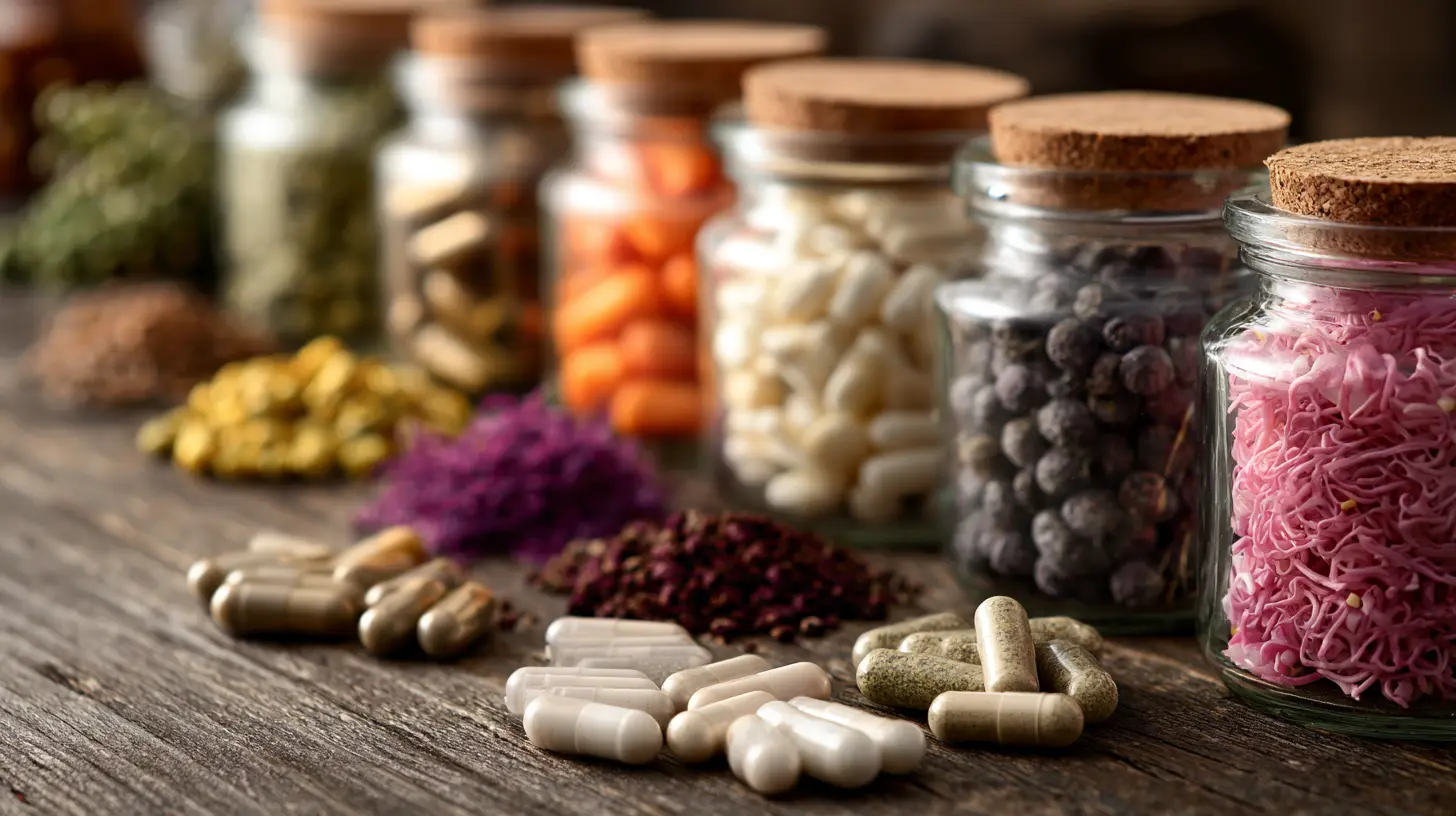
What Are Probiotics Anyway?
Before we dive deep into their past, let’s clear up the basics. Probiotics are live microorganisms — mostly bacteria and some yeasts — that provide health benefits when consumed in the right amounts. Think of them as the friendly tenants of your gut, helping to balance out the bad guys and keeping your digestive system in check.You’ll find them in fermented foods like yogurt, kefir, sauerkraut, kombucha, and even pickles (the naturally fermented kind, not the vinegar-soaked ones). And thanks to modern science, they’re now also available in capsules, tablets, powders, and even gummies.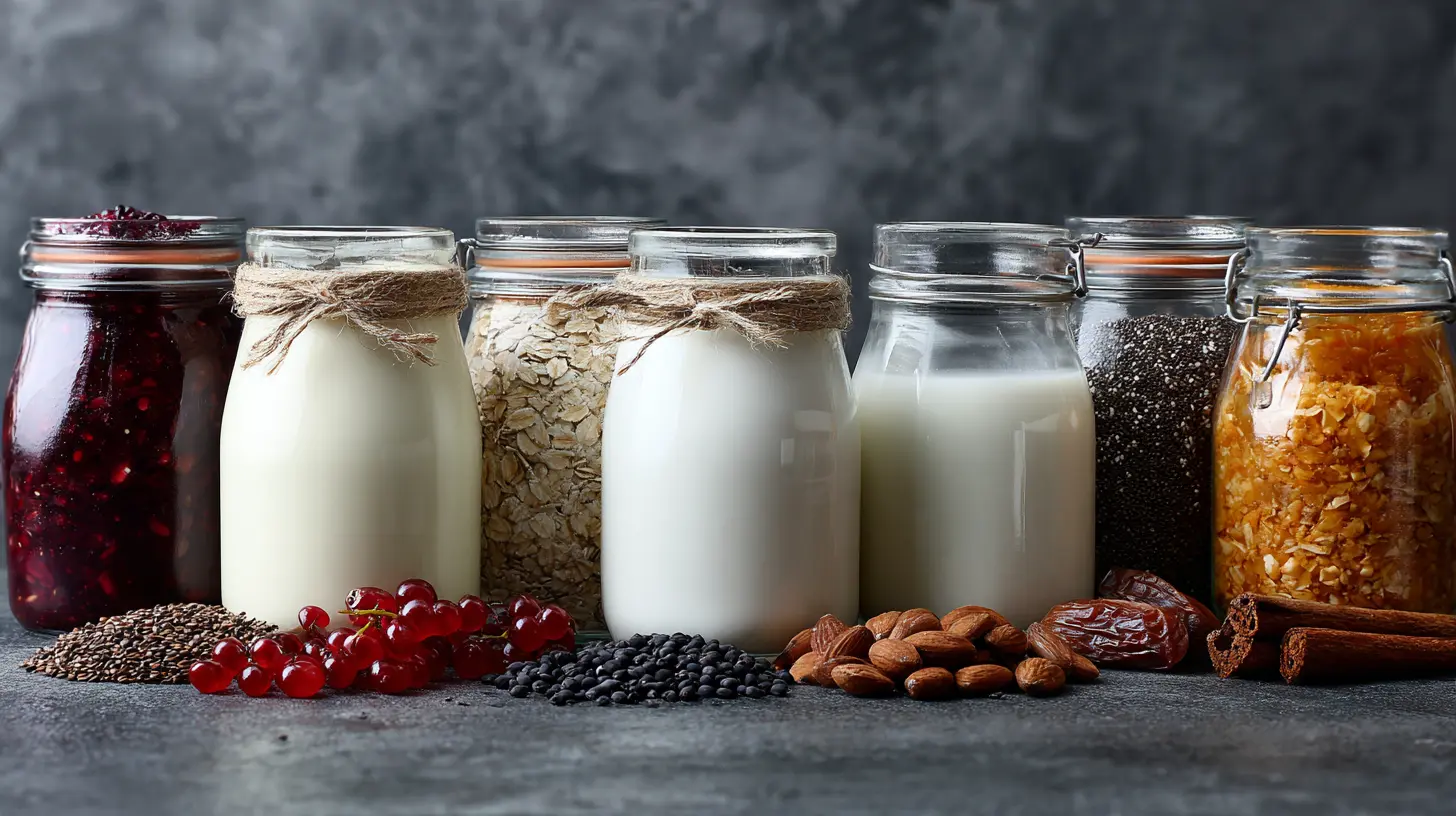
Fermentation: The Ancient Art of Preserving Life
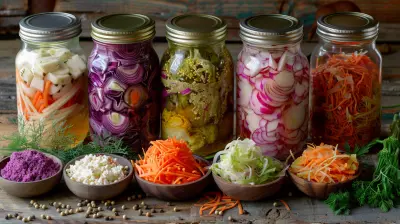
Let’s hit rewind for a second. Long before refrigeration, people needed ways to preserve food so it wouldn’t spoil. Enter fermentation — a natural process where microorganisms like bacteria and yeasts break down sugars into acids, gases, or alcohol.But here’s the twist: people started fermenting food for practical reasons, but they unknowingly stumbled upon probiotics in the process.
The Earliest Fermented Foods
Our ancestors were pretty smart. In places like Mesopotamia, Asia, and Europe, food fermentation wasn’t just a method of preservation — it became a cultural staple.- Yogurt and Kefir: It's believed yogurt has been around for over 4,000 years. Nomadic tribes likely discovered it by accident when milk stored in animal skins fermented naturally.
- Kimchi and Sauerkraut: The Koreans and Germans weren’t just making tangy side dishes for flavor — they were fueling their gut health before anyone knew what a microbiome was.
- Miso and Tempeh: Fermented soy has been a staple in Asian diets for centuries, offering both flavor and natural probiotics.
They might not have understood microbiology, but traditional cultures knew one thing: these foods made people feel good, helped digestion, and lasted longer.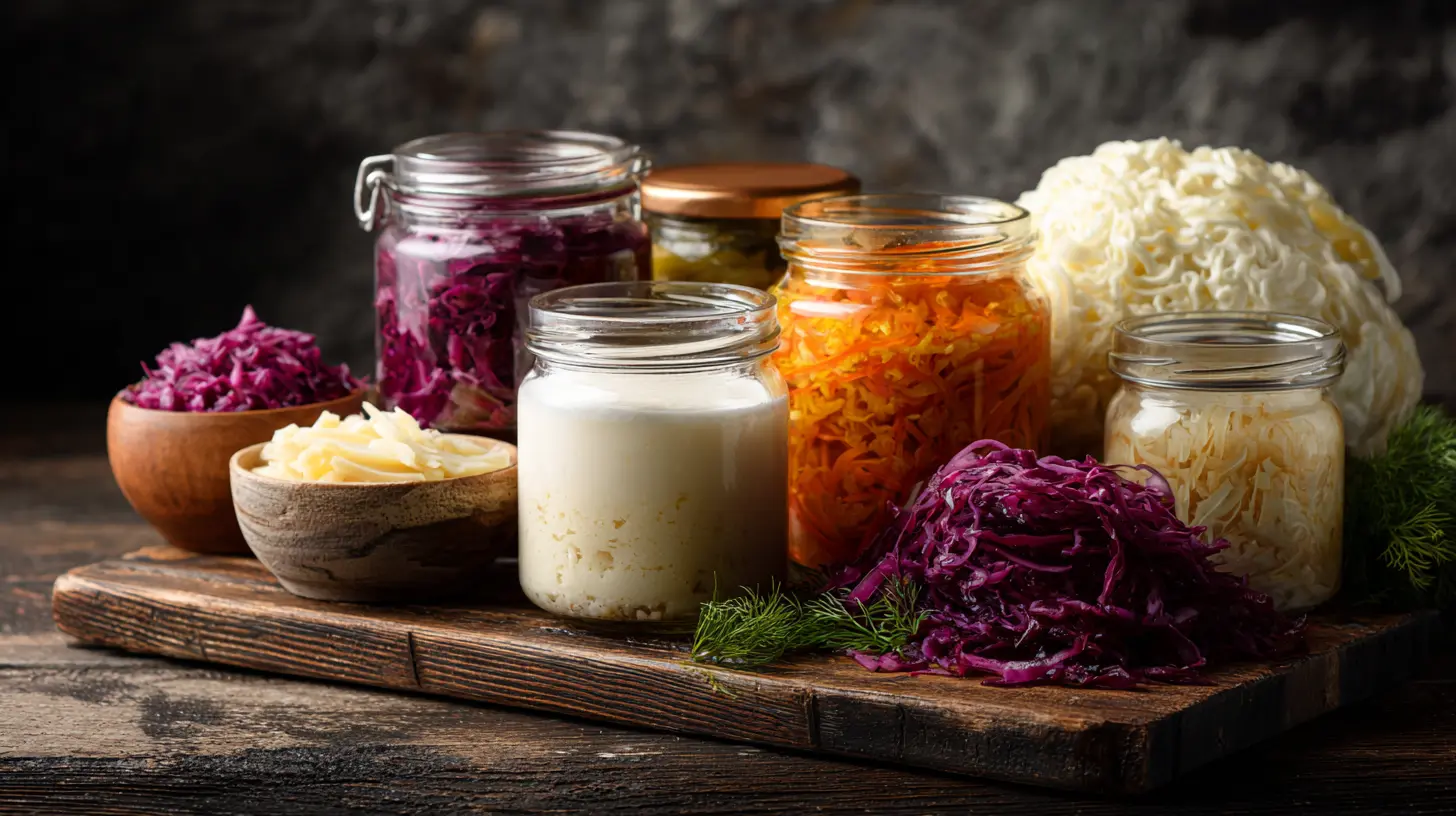
The Rise of Gut Science: Probiotics Get a Name
Fast forward to the early 1900s, and science started catching up with tradition. That’s when a Russian scientist named Élie Metchnikoff, who later won a Nobel Prize, proposed something radical — that the bacteria in fermented milk could help prolong life.He noticed that Bulgarian peasants who regularly consumed yogurt tended to live longer, healthier lives. Coincidence? He didn’t think so. That was enough to spark interest in the role of “beneficial bacteria” in gut health.
It was around this time that the term “probiotic” started to take shape. Derived from the Greek words “pro” (for) and “bios” (life), probiotics literally mean “for life.” It was a pretty fitting name for something that supports the living systems inside us.
Antibiotics vs. Probiotics: A Balancing Act
The mid-20th century brought us antibiotics — the superhero drugs that have saved millions of lives by killing off harmful bacteria. But here’s the catch: antibiotics aren’t picky. They wipe out both good and bad bacteria, which can throw your gut community totally out of whack.Think of your gut like a rainforest. Antibiotics are like bulldozers — they clear out everything. That’s when people started realizing, “Hey, maybe we need to build the good guys back up after an antibiotic round.” And so, the interest in probiotics grew stronger.
Modern Day Probiotics: From Health Food Stores to Mainstream Wellness
If you’ve walked down the supplement aisle recently, you know probiotics are having a moment. But what makes today’s products different from a jar of grandma’s sauerkraut?Let’s break it down.
Supplement Science Gets Smart
Today, we’ve got targeted strains of probiotics. That means scientists can isolate specific types of bacteria — like Lactobacillus rhamnosus or Bifidobacterium longum — and study exactly how they work in the body. These targeted strains are used in supplements to support specific goals, like:- Easing IBS symptoms
- Supporting immune function
- Reducing bloating
- Improving skin health
- Supporting mental wellness (yep, gut-brain connection is real)
Probiotics and the Microbiome Boom
Thanks to advances in genome sequencing and microbiology, we now know a lot more about the human microbiome — the unique ecosystem of trillions of microbes in our bodies. And here’s the wild part — these microbes outnumber our human cells!Scientists now believe the gut microbiome plays a role in everything from obesity to depression. Supporting that ecosystem with diverse probiotic strains is a growing area of research (and business).
Food Innovation Goes Pro
Probiotic-rich foods are also getting a glow-up. We’ve gone from grandma’s yogurt to:- Plant-based probiotic yogurts (made from almond, coconut, oat milks)
- Functional beverages like kombucha and probiotic shots
- Probiotic snacks and cereals
- Even chocolate and protein bars with live cultures
Probiotics have officially entered the convenience era. You can sneak them into just about any snack without even noticing.
The Gut-Brain Connection: Mood, Memory, and Microbes
Here’s where it gets super fascinating.Recent studies show that your gut and your brain are in constant communication through something called the gut-brain axis. It’s like a two-way radio system. And the microbes in your gut? They help shape the conversation.
So when your gut is out of balance, it can actually affect your mood, stress levels, and even cognition. That’s why some scientists are calling the gut the “second brain.”
There are even emerging studies showing that certain probiotic strains may help reduce anxiety, enhance mood, and improve sleep. This has sparked a new category of probiotics: psychobiotics.
Personalized Probiotics: The Future is Customized
Here’s the kicker — no two guts are the same. Your microbiome is as unique as your fingerprint. So, it makes sense that everyone might need a different combination of probiotic strains.That’s where personalized probiotics come in. Some companies now offer gut tests (using a sample you send in — yes, the gross kind) to analyze your microbiome. Based on the results, they create custom probiotic blends tailored to your gut’s needs.
It’s like having a probiotic cocktail made just for your internal ecosystem. Cool, right?
Prebiotics: Don’t Forget the Food for Your Probiotics
Probiotics can’t do all the work on their own. They need fuel — and that’s where prebiotics come in. Prebiotics are non-digestible fibers that feed your good gut bacteria. You’ll find them in:- Bananas
- Onions
- Garlic
- Leeks
- Asparagus
- Chicory root
Basically, you want to pair probiotics (the "seeds") with prebiotics (the "fertilizer") to help your gut garden thrive.
Should Everyone Take Probiotics?
Honestly, not necessarily.If you’re eating a varied, fiber-rich diet with lots of fermented foods, you might already have a solid gut game going. But if you’ve taken antibiotics, have gut issues, or are under a lot of stress, a targeted probiotic could help reset the balance.
Always talk to your healthcare provider before jumping on a new supplement — especially if you’ve got underlying health issues.
Tips to Naturally Support Your Gut Health
If you're not ready to hop on the supplement train, try these gut-friendly habits:- Eat more fermented foods: Yogurt, kefir, miso, kombucha, kimchi, etc.
- Add fiber-rich prebiotic foods to your menu: Whole grains, fruits, veggies, nuts.
- Limit ultra-processed foods: They feed the bad bacteria.
- Manage stress: Stress impacts gut bacteria. Try yoga, meditation, or a walk.
- Sleep well: Your gut bugs have a circadian rhythm too.
From Ancient Ferments to Future Medicine
The story of probiotics is the story of how something invisible can have an outsized impact on our health. What started as accidental fermentation thousands of years ago has evolved into one of the most promising areas of health science today.And we’re only scratching the surface.
More studies are on the way, and who knows? Maybe in a few years, your doctor will prescribe a personalized probiotic blend for mood support or to help manage chronic illness.
One thing’s clear: your microbes are not just roommates — they’re active players in your health. So why not be a good host?
Final Thoughts
The evolution of probiotics is a beautiful blend of tradition and science. From ancient yogurt to cutting-edge microbiome tests, these microscopic organisms have gone from humble beginnings to high-tech health solutions. Whether you’re sipping fermented tea or popping a daily capsule, you’re part of a centuries-old journey — one spoonful at a time.So next time someone says, “Trust your gut,” you might just smile and say — “I do, every day.
all images in this post were generated using AI tools
Category:
ProbioticsAuthor:

Eileen Wood
Discussion
rate this article
1 comments
Samuel McLaury
This article beautifully traces the history of probiotics, highlighting their journey from traditional fermentation practices to essential components of modern gut health. A fascinating read for anyone interested in wellness!
August 25, 2026 at 3:21 AM
Eileen Wood
Thank you for your kind words! I'm glad you found the journey of probiotics fascinating. It's amazing how far they've come and their impact on our health today.