The Essential Guide to Immune-Supportive Supplements in 2027
7 September 2026
Let me guess. You have seen the ads. The ones with the glowing orange capsules and the guy in a lab coat who definitely did not go to medical school. You have been told that if you do not take eleven different powders, you will essentially crumble into dust the next time someone sneezes near you. I get it. The supplement aisle has become a cross between a pharmacy and a magic show.
Here is the truth. Your immune system is not a muscle that you can bulk up with a scoop of something fruity. It is a complex network of cells, tissues, and organs that mostly just wants to be left alone to do its job. That being said, there are specific nutrients that genuinely support this system, especially when you are deficient, stressed, sleep-deprived, or over the age of fifty. The problem is figuring out which ones are worth your money and which ones are just expensive urine.
This guide is not a list of miracle cures. It is a no-nonsense walkthrough of what the science actually says in 2027, what has changed, and how to make smart choices without falling for the latest influencer-endorsed nonsense. We are going to talk about what works, what is overhyped, and why the best supplement might just be a nap.
Why Your Immune System Is Not a Supplement Deficiency
Before we dive into the bottles and powders, we need to address the elephant in the room. Most healthy adults do not need immune supplements. Your body is remarkably good at fighting off pathogens on its own, provided you feed it decent food, move around a bit, and do not treat sleep like a competitive sport where losing is the goal.The supplement industry loves to sell you fear. They want you to believe that your immune system is one missed dose of vitamin C away from collapse. That is simply not true. The reality is that your immune system needs a baseline of nutrients to function, but more is not better. In fact, taking excessive amounts of certain vitamins can actually suppress immune function or cause toxicity.
The real question is not "What should I take?" It is "Am I deficient in anything that matters?" That is a completely different conversation. And it is the one we are going to have here.
The 2027 Landscape: What Has Changed
The supplement world has shifted significantly in the last few years. We have seen a move away from shotgun approaches, where people take fifteen different things just in case, toward targeted, evidence-based supplementation. There is also a growing awareness that the gut microbiome plays a central role in immune regulation, which has put probiotics and postbiotics on the main stage.Another major shift is the focus on quality testing. Third-party certification is no longer a nice-to-have. It is the bare minimum. In 2027, you can buy supplements that are tested for heavy metals, pesticides, and actual potency, and you should refuse to buy anything that does not have that verification. The days of trusting a pretty label are over.
We also have a better understanding of dosing timing. It turns out that when you take something matters almost as much as what you take. Fat-soluble vitamins need dietary fat for absorption. Some minerals compete with each other for uptake. And certain supplements can interfere with medications in ways we did not fully appreciate a decade ago.
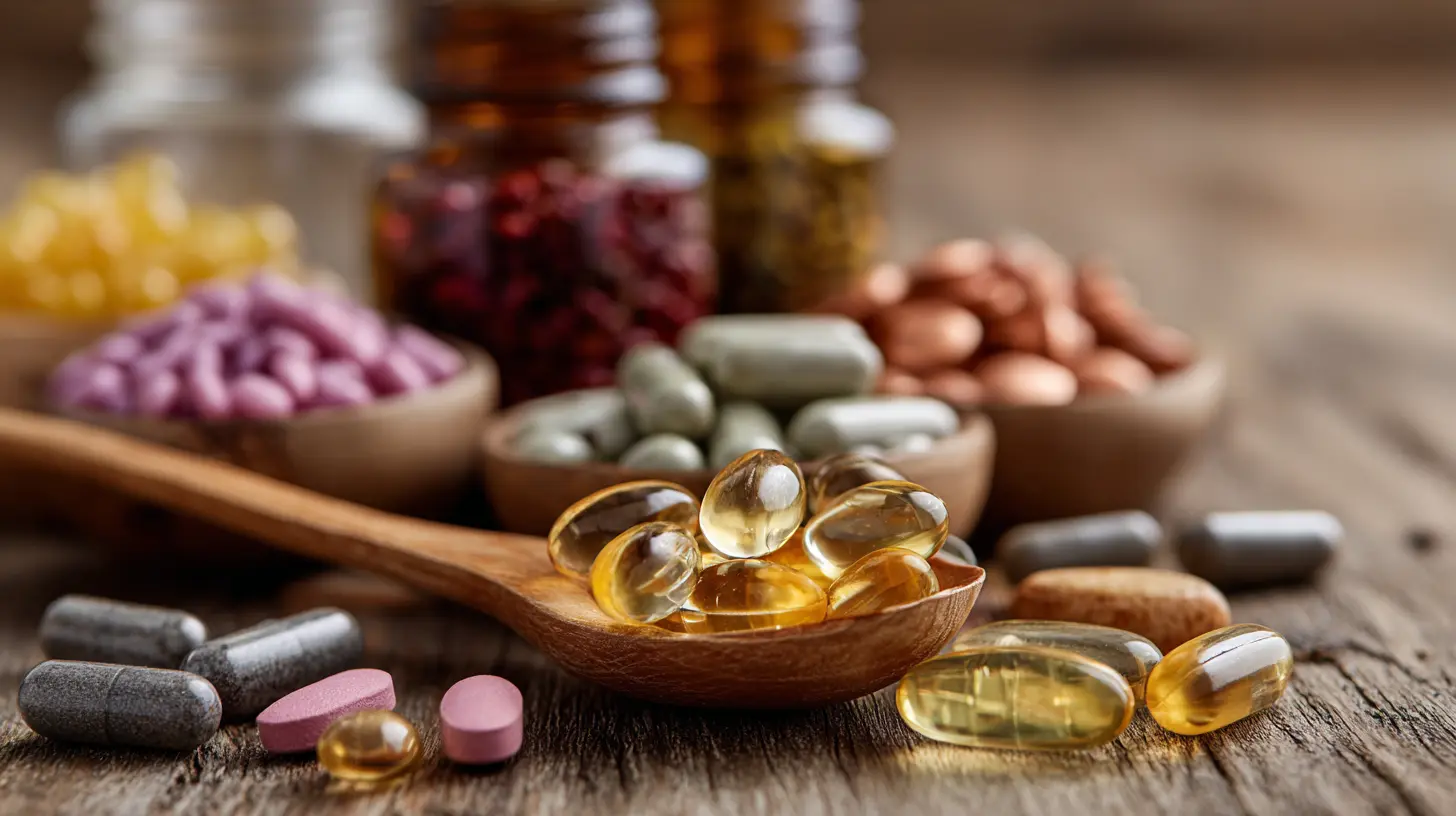
The Core Players: What Actually Works
Let us break down the supplements that have real, reproducible evidence behind them. These are the ones that your doctor might actually recommend, not just the ones that your favorite podcast host is shilling.Vitamin D: The Sunlight Hormone
If there is one supplement that deserves your attention, it is vitamin D. This is not because it is a magical immune booster, but because deficiency is incredibly common, especially if you live in a northern climate, work indoors, or wear sunscreen every day (which you should, by the way).Vitamin D is technically a hormone. It regulates over two hundred genes, including many that are involved in immune function. When your vitamin D levels are low, your immune cells do not respond as effectively. You are more likely to catch respiratory infections, and when you do get sick, the illness tends to last longer and hit harder.
The 2027 recommendation is not to megadose. More is not better here. In fact, extremely high doses of vitamin D can lead to calcium buildup in your blood, which is bad for your kidneys and your heart. The goal is to get your blood level into the optimal range, typically between 30 and 50 nanograms per milliliter. For most people, that means taking between 1000 and 4000 IU per day, but the only way to know your specific dose is to get a blood test.
Here is the trade-off. Vitamin D is fat-soluble, so it stores in your body. That means you do not need to take it every single day. Some people do well with a weekly dose. Others prefer daily drops. What matters is consistency and testing. Do not just guess. Get the blood work done, adjust your dose, and test again in three months.
Zinc: The Cold Fighter
Zinc is the workhorse of the immune system. It is required for the development and function of immune cells, and it has direct antiviral properties. When you take zinc at the very first sign of a cold, it can shorten the duration of illness by a day or two. That is not a huge effect, but it is real.The problem with zinc is that it is easy to get wrong. Taking zinc on an empty stomach can cause nausea. Taking too much zinc over time can deplete your copper levels, which leads to anemia and neurological issues. And taking zinc lozenges all day long can mess with your sense of smell and taste.
The current best practice is to use zinc at the onset of symptoms, not as a daily preventive. A typical dose is 15 to 30 milligrams per day, but only for a week or two. If you are using lozenges, look for ones that contain zinc acetate or zinc gluconate, as these release the active ion more effectively. Avoid the ones that are loaded with sugar and citric acid, because the acid can bind to the zinc and make it useless.
Vitamin C: The Overrated Hero
I know. This is the one that everyone thinks of first. But the data on vitamin C for immune support is surprisingly weak. For the general population, taking vitamin C does not prevent colds. It might slightly reduce the duration of a cold if you take it regularly, but the effect is so small that you would probably not notice it.There is a specific group that benefits from vitamin C supplementation, and that is athletes and people who are exposed to extreme physical stress or cold environments. If you run marathons or train hard in winter, your vitamin C needs increase. For the rest of us, eating an orange or a handful of bell peppers is more than enough.
The misconception here is that since vitamin C is water-soluble, taking extra is harmless. That is mostly true, but doses above 2000 milligrams per day can cause diarrhea and stomach cramps. And if you have a history of kidney stones, high-dose vitamin C can increase your risk. Do not waste your money on the giant effervescent tablets. They are just sugar and sodium with a little vitamin C on top.
Elderberry: The Viral Favorite
Elderberry extract has been used for centuries as a folk remedy for colds and flu. In recent years, it has gained a lot of attention, and the evidence is interesting but not conclusive. Some studies show that elderberry can reduce the duration of influenza symptoms by a few days. Other studies have found no effect at all.The bigger concern with elderberry is that it can stimulate the immune system, which sounds good but is not always good. In autoimmune conditions, where the immune system is already overactive, elderberry might actually make things worse. There have also been reports of cytokine storms, although those are rare and usually associated with raw, unripe elderberries, which are toxic.
If you are otherwise healthy and you feel a cold coming on, a short course of elderberry syrup might help. But do not take it every day as a preventive. And definitely do not take it if you have an autoimmune disease or if you are on immunosuppressive medications. The risk is not worth the marginal benefit.
Probiotics: The Gut-Immune Connection
This is the most exciting area in immune research right now. We know that about seventy percent of your immune system is located in your gut. The bacteria that live there communicate directly with your immune cells, training them to recognize friend from foe. When your gut microbiome is diverse and balanced, your immune system tends to be more resilient.The problem with probiotics is that the industry is full of hype. There are hundreds of different strains, and they all do different things. You cannot just grab any probiotic off the shelf and expect it to fix your immune system. You need a product that contains specific strains that have been studied for immune support, such as Lactobacillus rhamnosus GG, Bifidobacterium lactis BB-12, or Saccharomyces boulardii.
Another issue is that probiotics are transient. They do not colonize your gut permanently. If you stop taking them, the beneficial bacteria will die off within a few weeks. That means you have to take them consistently to see any benefit. And you have to feed them. Probiotics need prebiotics, which are types of fiber that they eat. If you are not eating plenty of plant-based foods, your probiotics are basically starving.
The real best practice here is to focus on your diet first. Eat a wide variety of fruits, vegetables, legumes, and whole grains. If you want to add a probiotic, choose a high-quality product with a specific strain and a guaranteed potency through the expiration date. And remember that fermented foods like yogurt, kefir, sauerkraut, and kimchi are natural sources of probiotics that also come with other nutrients.
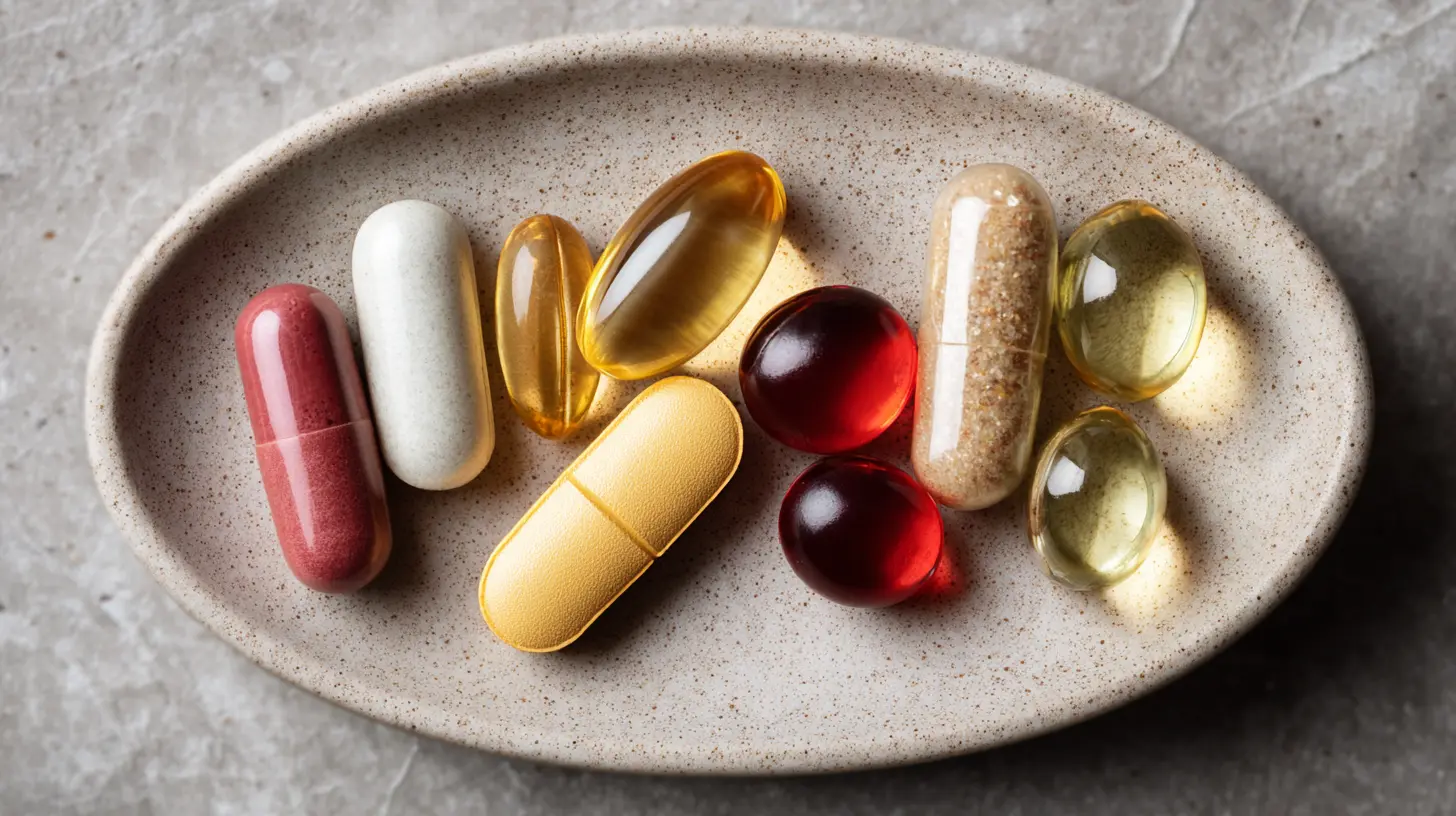
The Newer Kids on the Block
In 2027, there are a few supplements that have moved from fringe to mainstream. They are not miracle cures, but they have enough evidence to be worth considering in specific situations.Quercetin: The Mast Cell Stabilizer
Quercetin is a flavonoid found in apples, onions, and green tea. It has anti-inflammatory and antioxidant properties, and it acts as a natural mast cell stabilizer. Mast cells are the ones that release histamine, which causes allergy symptoms. By stabilizing them, quercetin can help reduce allergic responses and support respiratory health.The evidence for quercetin in immune support is mostly indirect. It seems to help with seasonal allergies and might have antiviral properties, but the studies are small and not always well-designed. The bigger issue is that quercetin has poor bioavailability. Your body does not absorb it very well. Look for products that include bromelain or other absorption enhancers, and be prepared to take it consistently for several weeks before you notice anything.
N-Acetylcysteine (NAC): The Mucus Buster
NAC is a form of the amino acid cysteine. It is a precursor to glutathione, which is one of your body's most important antioxidants. NAC has been used for decades in hospitals to treat acetaminophen overdose and to break up mucus in patients with respiratory conditions.For immune support, NAC is interesting because it can reduce the severity and duration of flu-like illnesses. It works by thinning mucus, which makes it harder for viruses to take hold in your respiratory tract. It also boosts glutathione levels, which helps your cells resist oxidative stress.
The catch is that NAC can interact with certain medications, including nitroglycerin and some blood pressure drugs. And taking high doses can cause nausea, vomiting, and headaches. Start with a low dose of 600 milligrams per day and see how your body responds. Do not take it long-term without checking with your doctor.
Beta-Glucans: The Trained Immunity Activators
Beta-glucans are types of soluble fiber found in the cell walls of yeast, mushrooms, and oats. They work differently from other supplements. Instead of directly killing pathogens, they train your innate immune system to respond faster and more effectively. This is called trained immunity, and it is a hot area of research.The evidence for beta-glucans is promising. Several studies have shown that taking a specific type of beta-glucan derived from baker's yeast can reduce the incidence of upper respiratory tract infections and shorten the duration of symptoms. The effect is not huge, but it is consistent.
The challenge is that not all beta-glucans are created equal. The ones from oats are good for cholesterol, but they do not have the same immune effects as the ones from yeast or certain mushrooms. Look for products that specify the source and the dose. And be cautious if you have a yeast allergy or sensitivity.
The Mistakes Everyone Makes
Even when people choose the right supplements, they often make simple errors that undermine their efforts. Here are the most common ones.Taking Everything at Once
Your body cannot process all nutrients at the same time. Calcium and magnesium compete for absorption. Zinc and copper compete. Iron and calcium interfere with each other. If you take a giant handful of pills every morning, you are probably wasting a good portion of them.The best approach is to stagger your supplements. Take fat-soluble vitamins like D and K with your largest meal. Take minerals like zinc and magnesium in the evening, as they can also promote relaxation. Take probiotics on an empty stomach, either first thing in the morning or right before bed. This takes a little planning, but it makes a real difference.
Ignoring Medication Interactions
This is a big one. Supplements can interact with prescription medications in dangerous ways. St. John's Wort, which is sometimes taken for mood support, can make birth control pills less effective. Vitamin K can interfere with blood thinners like warfarin. And high doses of vitamin B6 can reduce the effectiveness of certain anti-seizure medications.Always tell your doctor and your pharmacist about every supplement you are taking. Yes, it is awkward. No, they will not judge you. They need that information to keep you safe. If you are on any medication for a chronic condition, do not add a new supplement without professional guidance.
Buying the Cheapest Option
Supplements are not all the same. A cheap multivitamin might contain synthetic forms of nutrients that your body cannot use effectively. It might also contain fillers and additives that you do not want. And in some cases, the actual amount of the active ingredient is much lower than what the label claims.You do not need to buy the most expensive brand, but you should look for third-party testing. This means that an independent lab has verified that the product contains what it says and does not contain harmful contaminants. Look for seals from organizations like NSF International, USP, or ConsumerLab. These are not perfect, but they are a good starting point.
The Role of Diet: You Cannot Out-Supplement a Bad Diet
Here is the uncomfortable truth. If you are eating fast food five days a week, drinking soda, and surviving on four hours of sleep, no supplement is going to save you. Supplements are meant to fill gaps, not to replace a healthy lifestyle.Your immune system needs protein to build antibodies. It needs healthy fats to maintain cell membranes. It needs fiber to feed your gut bacteria. And it needs a wide range of micronutrients, most of which are best obtained from whole foods. The synergy between nutrients in food is something that no pill can replicate.
Think of supplements as the backup players on a sports team. They are important, but they should not be your starting lineup. Your starters are sleep, nutrition, exercise, stress management, and social connection. If those are weak, your immune system will suffer no matter how many pills you take.
When Supplements Are Actually Necessary
There are situations where supplements are not just helpful, they are essential. If you fall into one of these categories, talk to your doctor about targeted supplementation.Vegans and Vegetarians
Plant-based diets are healthy, but they are often low in vitamin B12, iron, zinc, and omega-3 fatty acids. B12 deficiency is particularly common and can cause neurological damage if left untreated. If you follow a vegan diet, you should probably be taking a B12 supplement and getting your iron and zinc levels checked.Older Adults
As you age, your stomach produces less acid, which means you absorb fewer nutrients from food. You also need more vitamin D and calcium to maintain bone health. And your immune system naturally becomes less efficient, a process called immunosenescence. A multivitamin designed for seniors can help fill the gaps, but it should not be your only strategy.Pregnant Women
Pregnancy increases your needs for folic acid, iron, calcium, and vitamin D. These are not optional. Deficiencies during pregnancy can lead to birth defects and developmental issues. If you are pregnant or planning to become pregnant, take a prenatal vitamin that contains at least 400 micrograms of folic acid.People with Malabsorption Issues
If you have Crohn's disease, celiac disease, ulcerative colitis, or have had bariatric surgery, your body cannot absorb nutrients normally. You will likely need higher doses of specific vitamins and minerals. This is not a one-size-fits-all situation. You need testing and individualized recommendations from a healthcare professional.
The Bottom Line
Your immune system is not a simple machine. It is a dynamic, intelligent network that responds to your overall health. The best thing you can do for it is to live a balanced life. Eat well. Sleep enough. Move your body. Manage your stress. And yes, take a few targeted supplements if you have specific deficiencies or needs.In 2027, we have more information than ever before, but we also have more noise. Do not let the marketing fool you. Stick to the basics. Vitamin D, zinc for acute symptoms, a good probiotic if your gut needs support, and maybe a beta-glucan if you are prone to respiratory infections. Everything else is probably a waste of money.
Before you buy anything, ask yourself three questions. Do I have a known deficiency? Is there solid evidence that this supplement works for my specific situation? And have I talked to my doctor about it? If you cannot answer yes to at least two of those, put the bottle back on the shelf and go make yourself a decent meal instead.
Your immune system will thank you.
all images in this post were generated using AI tools
Category:
Immune SystemAuthor:

Eileen Wood
Discussion
rate this article
2 comments
Uma McMillan
This guide offers practical insights on immune-supportive supplements. It's a must-read for anyone looking to boost their health in 2027.
September 22, 2026 at 2:53 PM
Ella Sheppard
Great insights! It's crucial to stay informed about immune support, especially in today's world.
September 12, 2026 at 5:00 PM