The Connection Between Vitamin B9 (Folate) and Brain Health
6 May 2026
Ah, folate—our brain's unsung hero. If vitamins had a popularity contest, Vitamin C would be the prom queen, and Vitamin D would sit smugly as the sunshine favorite. Meanwhile, poor old Vitamin B9, also known as folate, is probably lurking in the background, quietly keeping your brain from turning into a foggy mess. Today, we’re diving deep into the world of folate and its undeniable influence on your brain health. Buckle up; this might just be the most important vitamin you’ve been neglecting. 
What Is Vitamin B9 (Folate), and Why Should You Care?
Before we get into why your brain would throw a tantrum without folate, let’s get one thing straight—what exactly is it?Folate is a water-soluble B vitamin that plays a crucial role in DNA synthesis, red blood cell formation, and overall cell function. Basically, this tiny nutrient is a big deal. It’s like the backstage crew at a concert—things would fall apart without it.
The synthetic version of folate, called folic acid, is often added to fortified foods and supplements. But in its natural form, folate can be found in leafy greens, legumes, and even your grandma’s favorite liver and onions (yep, you’ve been warned).
And here's the kicker: Your body doesn’t store a lot of folate, meaning you need a steady supply of it through your diet. So, if you're banking on last weekend’s spinach smoothie to keep you covered for the month, think again. 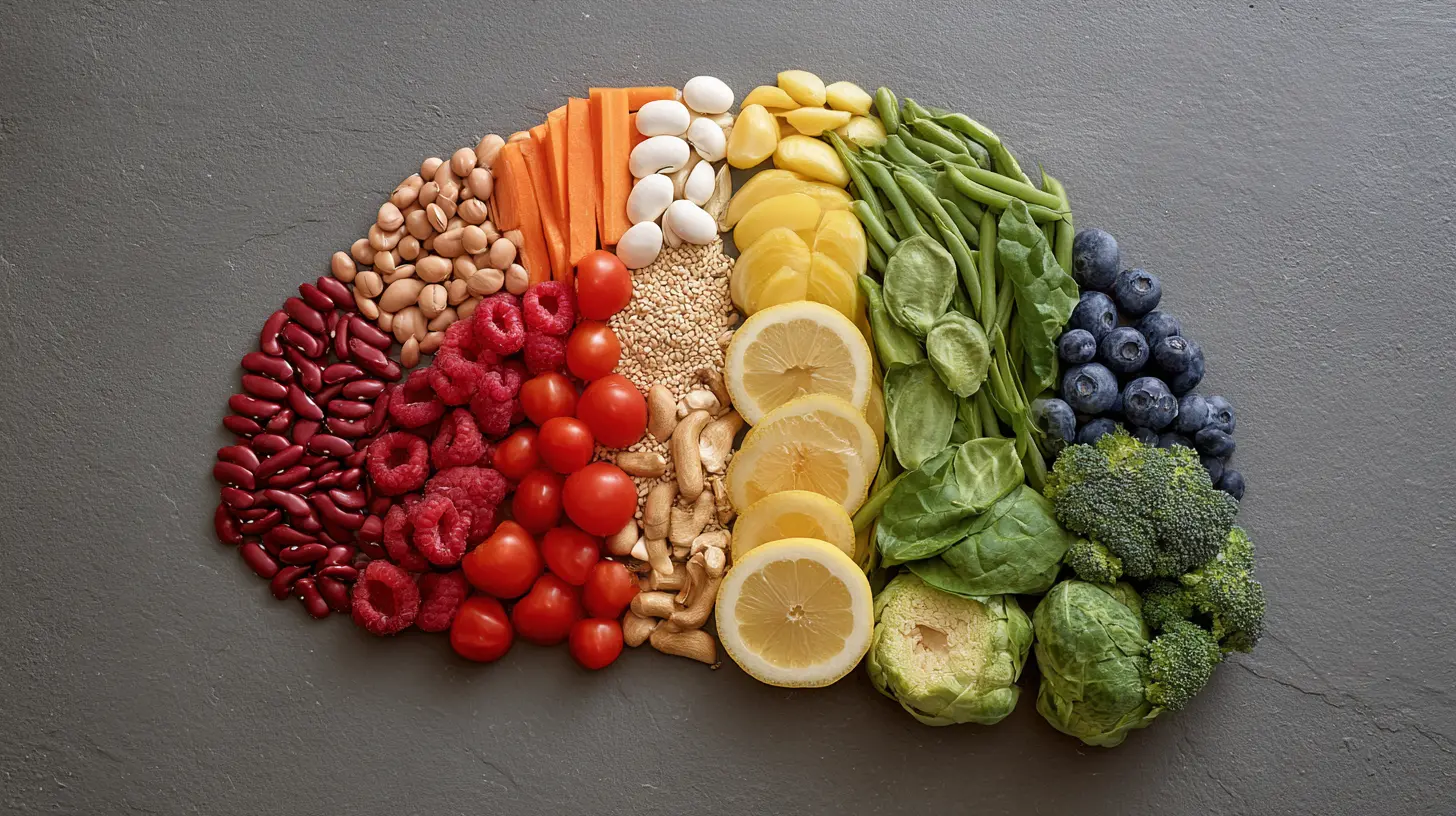
Folate and Brain Health: Are We Even Functioning Without It?
1. Folate Keeps Your Brain from Becoming a Hot Mess
Ever walked into a room and forgotten why you’re there? Or stared at your phone, wondering why you even picked it up? We’ve all been there—but if it’s happening more often than you’d like to admit, folate deficiency could be playing a sneaky role.Folate is essential for brain function because it helps in the production of neurotransmitters—those little chemical messengers responsible for keeping your thoughts clear and your mood stable. Without enough folate, your brain may feel like it’s running on a 20-year-old dial-up internet connection—painfully slow and frustrating.
2. Folate vs. Brain Fog: The Ultimate Showdown
Brain fog isn’t just a term influencers throw around when they forget their morning matcha. It’s real, and it can make you feel sluggish, unfocused, and just plain blah.Since folate is crucial for creating dopamine and serotonin—two neurotransmitters that help regulate mood and mental clarity—a deficiency can leave you feeling foggy, unfocused, and emotionally drained. Imagine trying to watch your favorite show, but the screen is permanently blurry. That’s your brain without enough folate.
3. Folate and Mental Health: Are You Deficient or Just Stressed?
Let’s talk about mood disorders. Anxiety, depression, and even irritability can sometimes stem from something as simple as a lack of folate.Low levels of folate have been linked to an increased risk of depression, and studies suggest that supplementing with folic acid can actually enhance the effects of antidepressants. So, before you chalk up your bad moods to Mercury being in retrograde, maybe check your folate levels first.
4. Folate, Pregnancy, and Baby Brain
Ever heard of "pregnancy brain"? Turns out, there's some science behind it. Folate is especially important in pregnancy because it helps in fetal brain development. A deficiency during pregnancy can lead to neural tube defects in the baby, which is why doctors practically shove folic acid supplements into every expecting mother’s hands.But here’s the plot twist—folate isn’t just important for babies. Adults need it too, unless you enjoy feeling like your brain misplaces thoughts like a toddler misplaces toys. 
Signs That You're Running Low on Folate (And Your Brain is Screaming for Help)
Now, how do you know if your folate levels are lower than the battery percentage on your phone? Here are some telltale signs:✔ Constant fatigue (even after your second cup of coffee)
✔ Memory issues that make you feel 20 years older
✔ Mood swings that could rival soap opera drama
✔ Persistent headaches for no obvious reason
✔ Pale skin (because guess what? Folate is crucial for red blood cell production)
If you’re nodding along to most of these, your brain might be giving you a desperate "SEND HELP" signal. 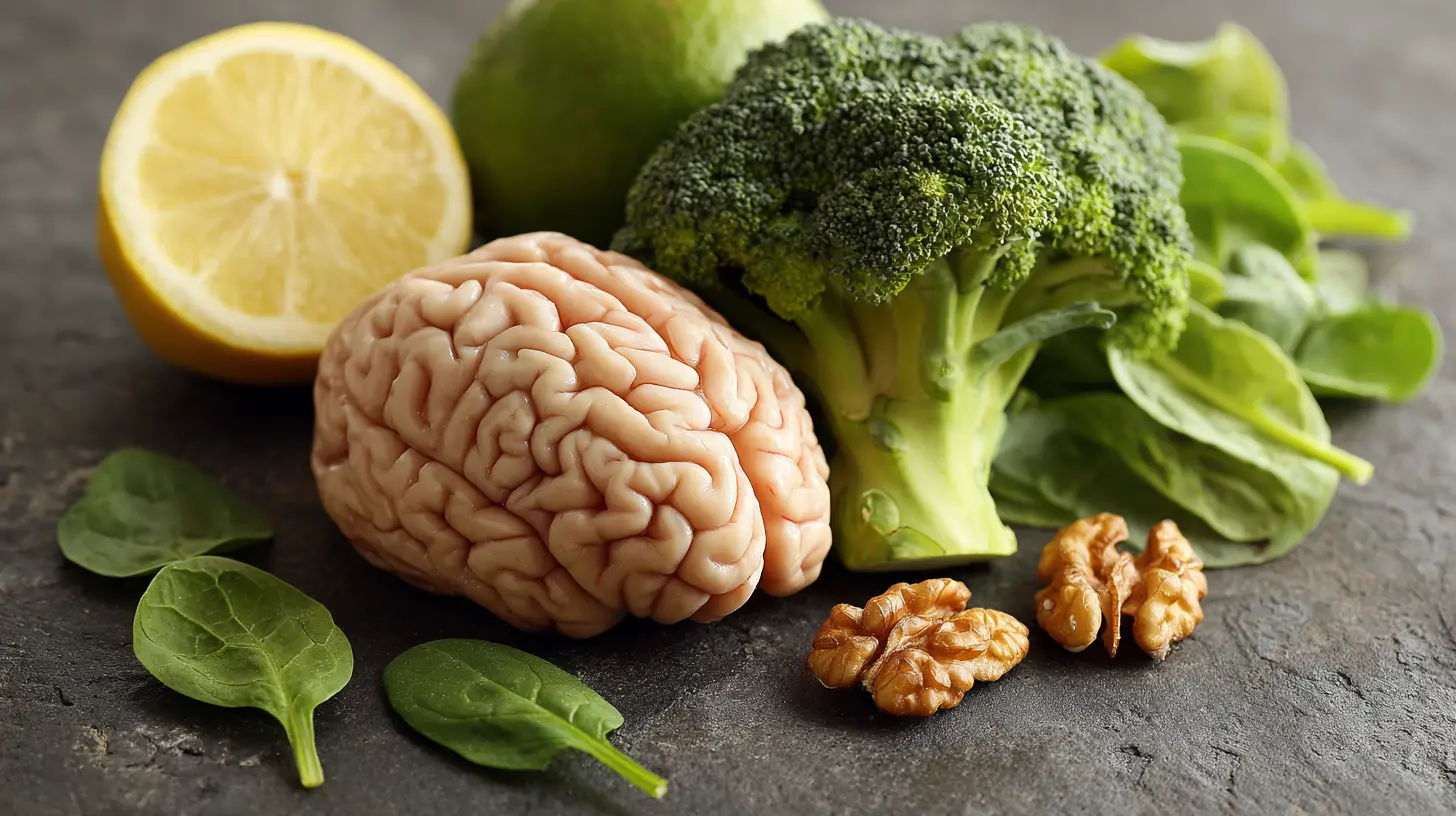
Best Sources of Folate: Because Your Brain Deserves Better
Thankfully, getting enough folate isn’t rocket science. You just have to eat the right foods—though that might mean stepping outside your comfort zone of pizza and fries.Here are some folate-rich foods to give your brain the VIP treatment it deserves:
- Leafy Greens (Spinach, kale, romaine lettuce—you know, the stuff you usually ignore in your salad)
- Legumes (Lentils, chickpeas, black beans—you get the idea)
- Citrus Fruits (Oranges, lemons, and grapefruits—because scurvy isn’t fashionable)
- Avocados (As if you needed another excuse to eat guacamole)
- Eggs (Especially the yolks—so don’t just eat the whites and call it "healthy")
- Nuts & Seeds (Sunflower seeds, almonds, and peanuts—nature’s perfect snack)
- Liver (Okay, not everyone’s favorite, but hey, it’s packed with folate)
If you can’t get enough through food alone (because let’s face it, not everyone is excited about kale), supplements can help bridge the gap.
Can You Get Too Much Folate? (Or Is That Just a Myth?)
Plot twist: Yes, you can technically overdo it on folic acid from supplements. Excess folic acid can mask a vitamin B12 deficiency, which can lead to nerve damage if left unchecked.But if you’re getting your folate from whole foods, you’re in the clear. Your body is smart enough to regulate natural folate intake—so go ahead and order that extra side of leafy greens.
The Bottom Line: Give Your Brain the Folate It Deserves
In a world where we obsess over superfoods, trendy supplements, and biohacking, it’s wild to think that something as simple as folate could be the missing piece in your brain health puzzle.If you’re constantly feeling forgetful, moody, or just plain exhausted, it might be time to pay attention to this underrated vitamin. Your brain isn’t asking for much—just a little folate to keep things running smoothly.
So, go ahead, grab some spinach, pop a folate supplement if needed, and give your brain the TLC it’s been craving. After all, thinking clearly shouldn’t feel like a luxury, right?
all images in this post were generated using AI tools
Category:
VitaminsAuthor:

Eileen Wood
Discussion
rate this article
2 comments
Avianna Becker
Folate: the brain's secret buddy. Who knew vitamins could be such cool pals?
September 10, 2026 at 4:49 PM
Eileen Wood
Absolutely! Folate really plays a key role in brain health, making it a vital nutrient for cognitive function. Glad you enjoyed the article!
Phoenix Huffman
Folate really boosts brainpower... who knew?
June 7, 2026 at 4:28 AM
Eileen Wood
It's true! Folate plays a key role in brain function and health. Glad you found it interesting!