Simple No-Bake Dessert Ideas for Busy Families
26 November 2026
Weeknights are tight. Between school pickups, sports practices, homework, and the endless cycle of meals, the idea of pulling out a mixer and preheating an oven can feel like a luxury nobody has time for. That's exactly why no-bake desserts deserve a permanent spot in your rotation, not as a compromise but as a genuinely smart strategy for feeding a family well.
This guide goes beyond a list of recipes. It covers the reasoning behind why certain no-bake desserts work, where they fail, how to adapt them to real family constraints, and what to think about before you commit to a particular approach. Whether you're feeding toddlers, teenagers, or a household with mixed dietary needs, the principles here will help you make better decisions rather than just follow instructions.
Why No-Bake Desserts Make Sense for Busy Families
The obvious appeal is time. A no-bake dessert eliminates the preheat, the bake, and the cool-down. But the real advantage runs deeper than convenience.First, no-bake desserts reduce the number of failure points. Baking is chemistry. Oven temperature runs hot or cold, altitude affects rise, and a two-minute distraction can turn a cake dry. No-bake methods rely on chilling, whipping, and setting agents, which are far more forgiving. For a parent cooking with interruptions, forgiveness matters more than precision.
Second, no-bake desserts often let children participate safely. There's no hot oven to manage, which means kids can stir, layer, and assemble with minimal supervision. That participation has a practical payoff: children are more likely to eat something they helped make, and the activity itself buys you a few minutes of engagement during the pre-dinner chaos.
Third, no-bake desserts scale well. Most recipes multiply cleanly for a crowd and divide easily for a small household. You can make a large tray for a birthday and a small batch for a Tuesday.
The trade-off is real, though. No-bake desserts generally depend on refrigeration time, so they aren't truly instant. They also tend to rely on a narrower set of ingredients, like cream, condensed milk, gelatin, or nut butters, which can be a problem for households managing allergies. Keep both sides in mind as you plan.
The Core Techniques Behind No-Bake Desserts
Understanding why no-bake desserts set is the difference between following a recipe and being able to improvise. There are four main mechanisms.Chilling and Fat Solidification
Chocolate, coconut oil, and butter all firm up when cold. A chocolate bark or a chocolate-dipped cookie works because the fat crystallizes at refrigerator temperature. This is the simplest and most reliable no-bake method, and it's the one to start with if you're new to the category.Whipping and Aeration
Whipped cream, whipped coconut cream, and whipped egg whites (when safely handled) trap air and create structure. A mousse or a cream pie depends on this. The key variable is temperature: cream whips best when cold, and it will not whip at all if it's warm or if the bowl is warm. This is the most common failure point for home cooks.Gelatin and Setting Agents
Gelatin, agar, and pectin create a gel network that holds liquid in place. Gelatin gives a soft, silky set; agar gives a firmer, more brittle set and requires a boil to activate. If you're making a no-bake cheesecake or a panna cotta, you're using this technique. The mistake most people make is adding gelatin to a mixture that's too hot or too cold, which produces lumps or a weak set.Starch and Crumb Binding
Crushed cookies, graham crackers, and cereal bound with melted butter or nut butter form crusts and bars. This is the workhorse method for busy families because it requires no special equipment and almost no skill. The trade-off is that these desserts are rich and calorie-dense, so portion awareness matters.Each technique has a best-use case. Chilling suits chocolate-based treats. Whipping suits light, airy desserts. Gelatin suits structured desserts that need to hold a shape. Crumb binding suits bars and crusts. Match the technique to the occasion and you'll get predictable results.
No-Bake Desserts That Actually Work on a Weeknight
The following categories are organized by effort level and reliability, not by novelty. Each one includes the reasoning behind why it works and where it can go wrong.Refrigerator Bars and Slices
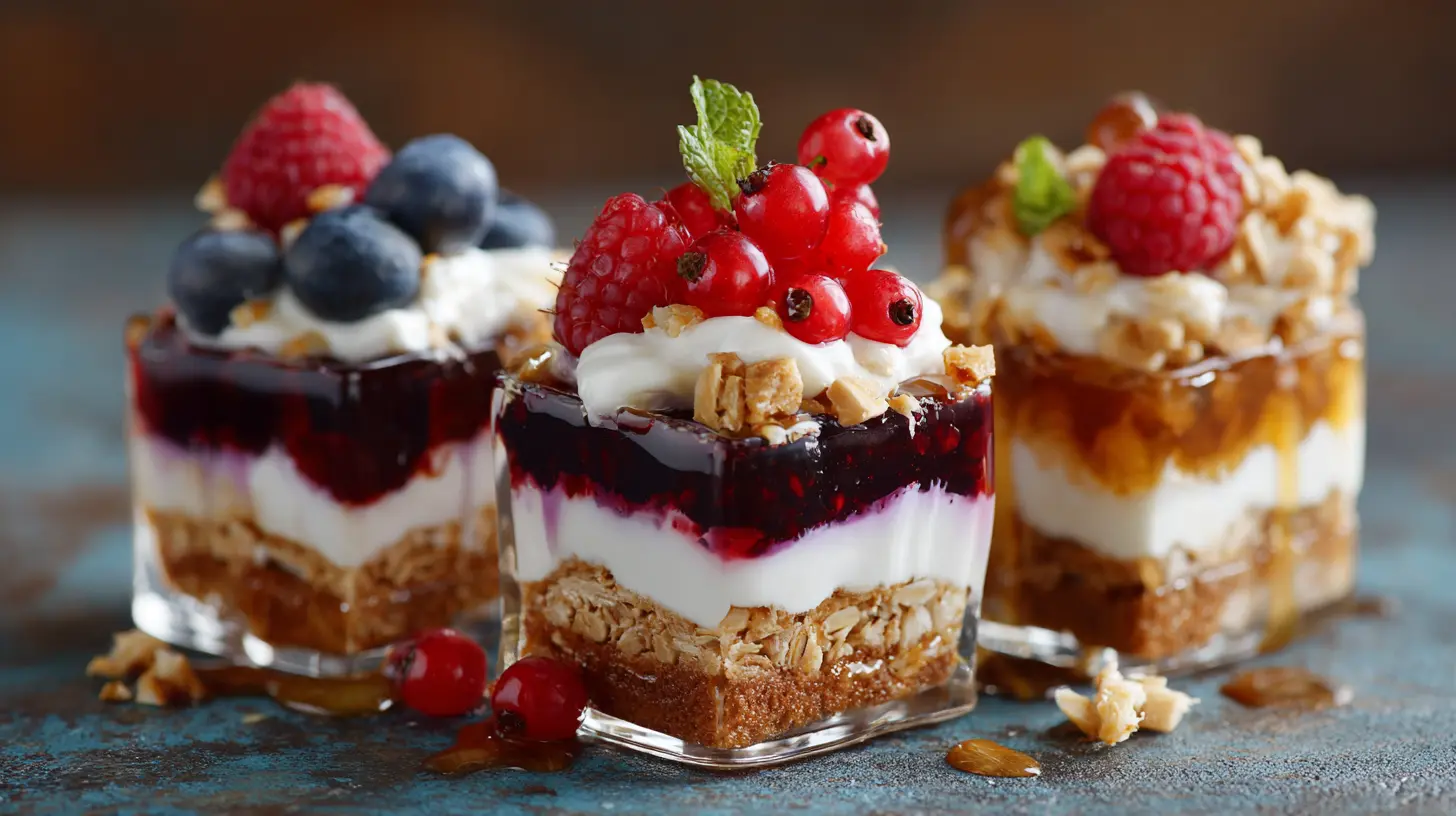
These are the backbone of no-bake family desserts. A base of crushed cookies or oats bound with butter, topped with a chilled filling, sets in two to four hours. Examples include chocolate peanut butter bars, lemon bars made with a cookie crust and a chilled citrus filling, and oat-and-honey flapjack-style bars.Why they work: the crumb base is structurally stable, and the filling sets through fat solidification or a small amount of setting agent. They slice cleanly and travel well, which makes them ideal for school events and potlucks.
Where they fail: if the base is too dry, it crumbles; if the filling has too much liquid, it never sets. The fix is to press the base firmly and to follow the chilling time rather than rushing it. A common misconception is that freezing speeds things up safely. It does set faster, but it can also make the texture grainy, so refrigerate unless the recipe specifically calls for freezing.
No-Bake Cheesecakes
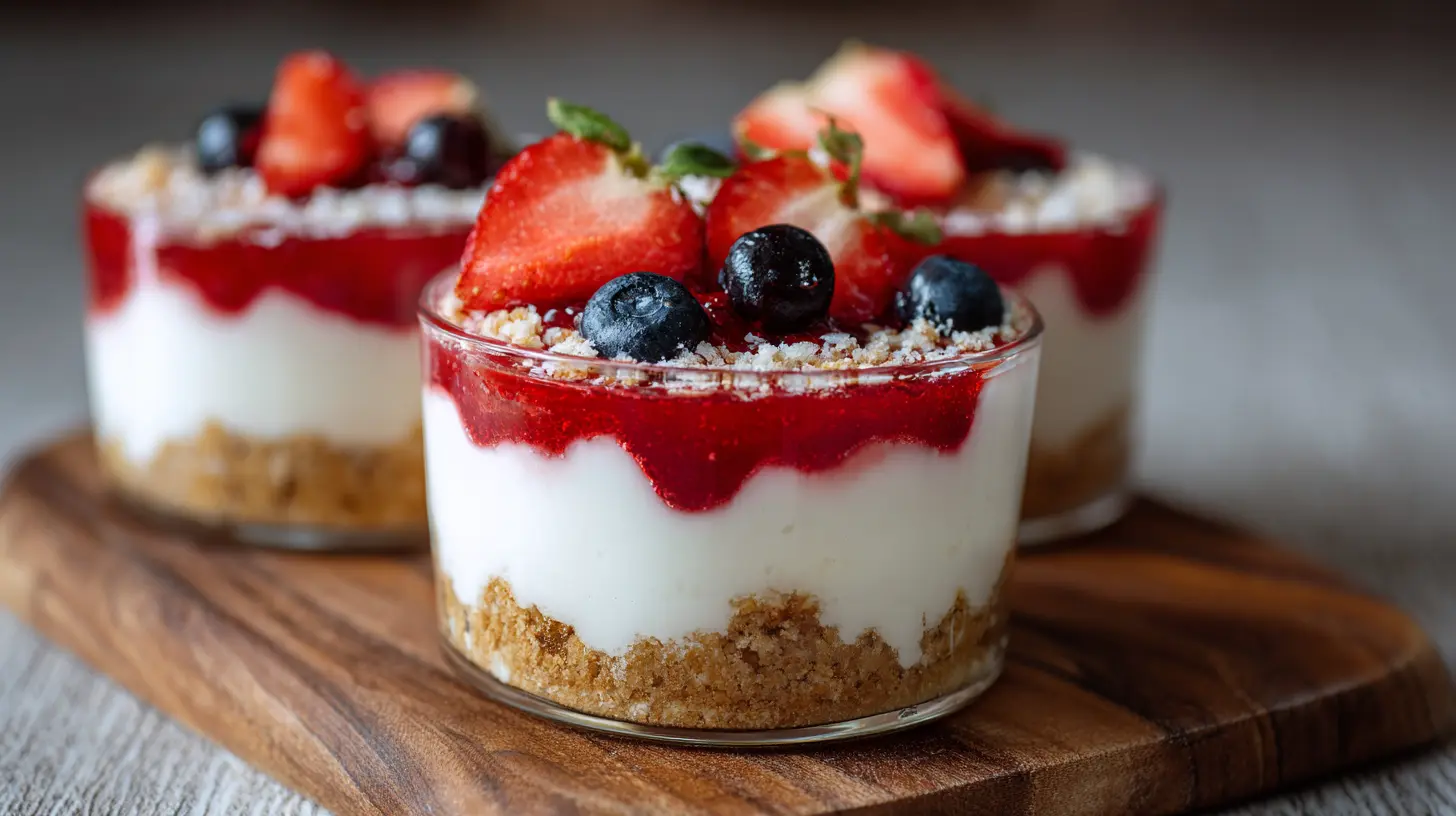
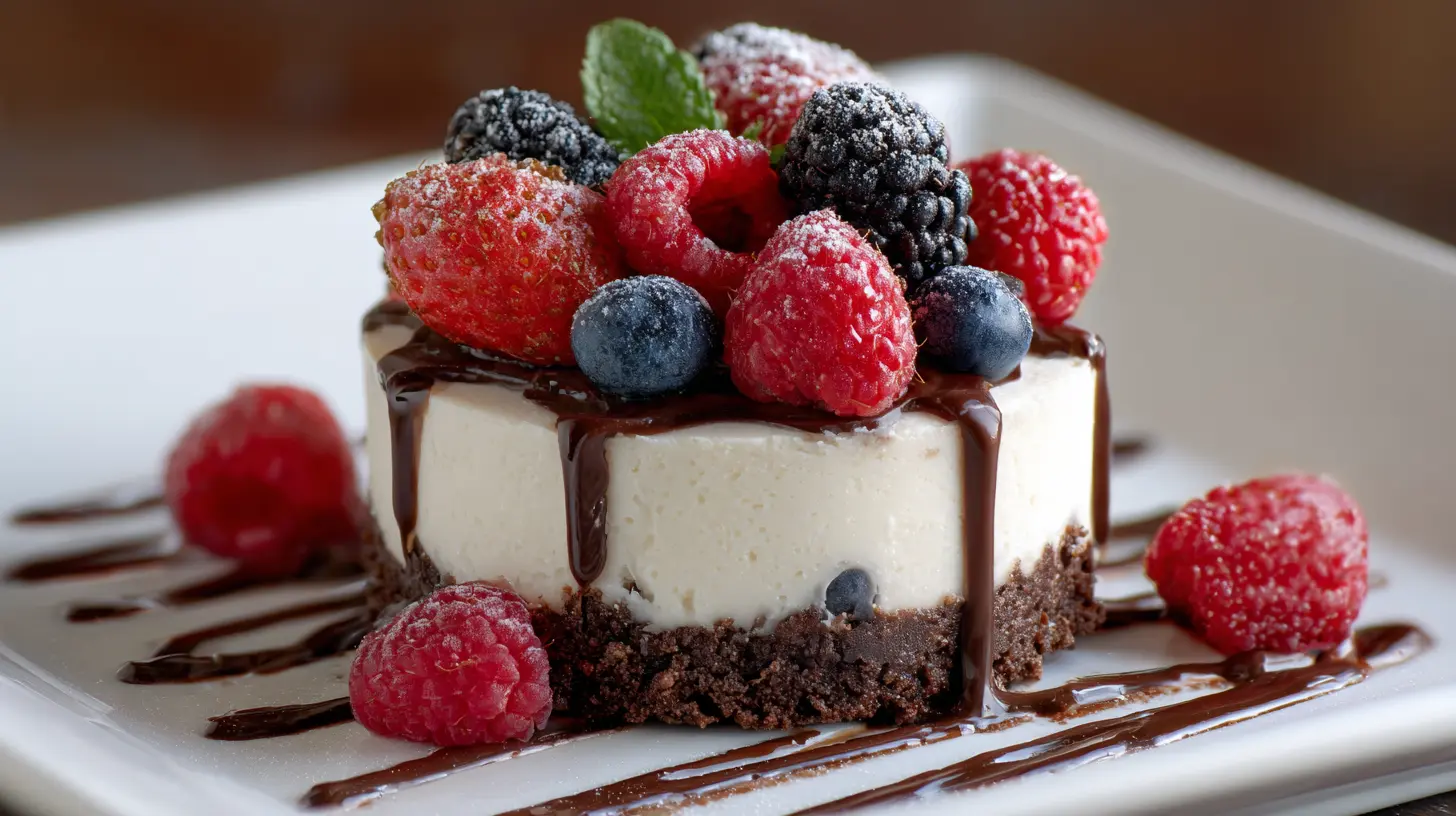
A no-bake cheesecake is essentially a cream cheese and whipped cream mixture stabilized with a little gelatin or set by chilling alone. It's richer and denser than a baked cheesecake, and it's far more forgiving.Why it works: the cream cheese provides body, the whipped cream provides lightness, and chilling firms the whole structure. The crust does the structural work at the base.
Where it fails: overmixing the cream cheese makes it loose, and under-whipping the cream leaves it flat. Also, low-fat cream cheese behaves differently from full-fat, and the results are noticeably less stable. If you're making this for a crowd, use full-fat and accept the trade-off.
Chilled Pies and Tarts
A graham cracker or cookie crust filled with a chilled custard, pudding, or cream mixture is one of the most reliable no-bake formats. Chocolate pudding pie, banana cream pie with a no-cook filling, and key lime pie made with a chilled filling all fit here.Why it works: the crust holds the shape, and the filling sets through starch, gelatin, or chilling. The format is flexible enough to accommodate almost any flavor profile.
Where it fails: a soggy crust. The fix is to pre-chill the crust before adding the filling and to avoid fillings that are too warm when poured. If you're using a fruit filling, drain it well or the crust will weep.
Mousse and Cream Cups
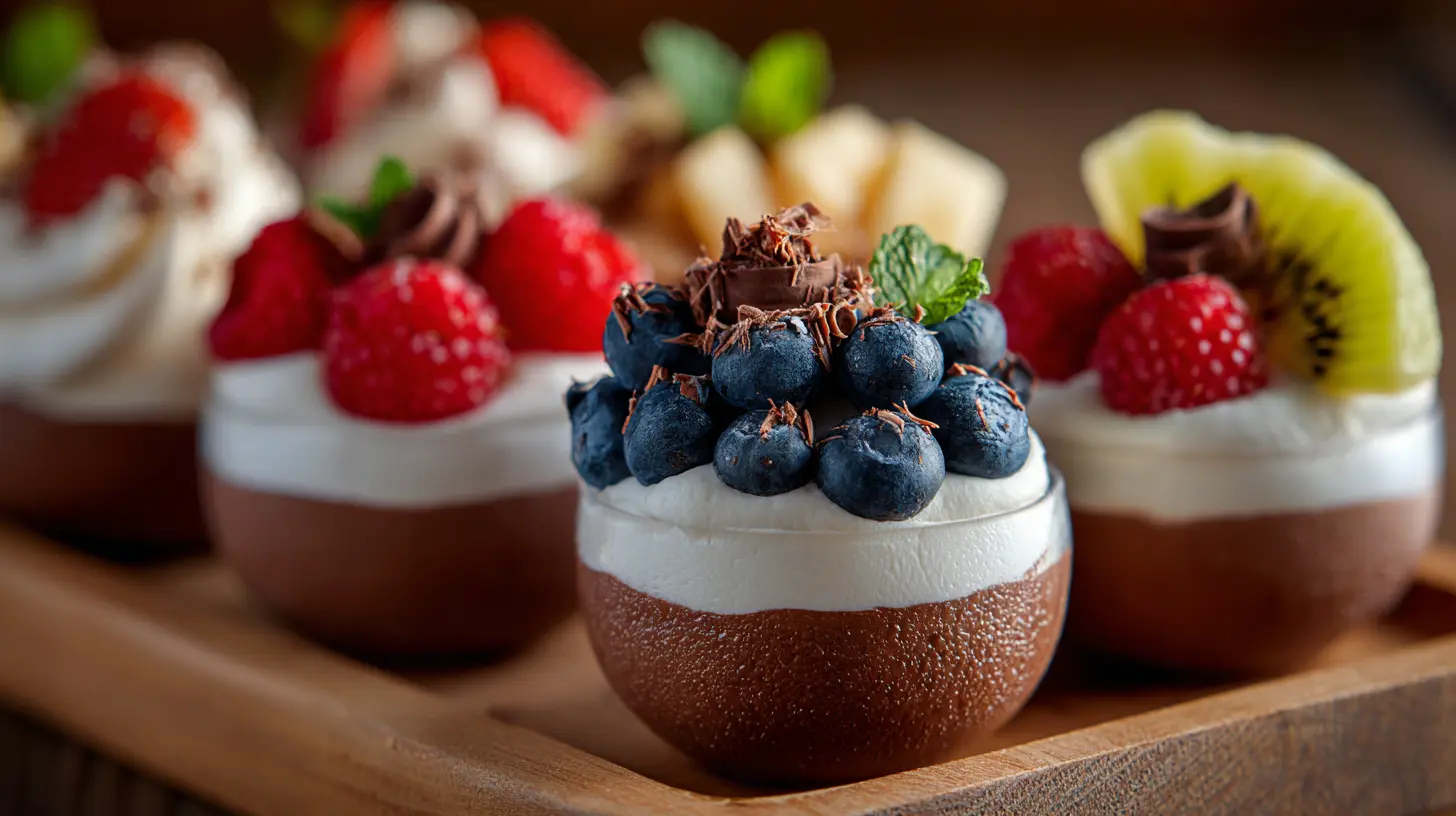
Individual cups of whipped chocolate, fruit, or coffee mousse are elegant, portion-controlled, and fast to assemble. They're also the most forgiving dessert for families with mixed preferences, because you can vary the flavor per cup.Why they work: aeration creates lightness, and chilling sets the structure. Serving in cups eliminates the need for a crust or a mold.
Where they fail: deflation. Mousse collapses if it's overfolded or if it sits too long at room temperature. Assemble close to serving and keep them cold until the last minute.
Frozen Desserts and Icebox Cakes
Icebox cakes, made by layering cookies or wafers with whipped cream or pudding and chilling overnight, are one of the most underrated no-bake options. The cookies soften into a cake-like texture, and the whole thing requires almost no skill.Why they work: the layering creates structure, and the overnight chill does the work. Frozen banana bites, yogurt bark, and frozen pudding pops are similarly reliable.
Where they fail: texture. Icebox cakes need enough time to soften but not so much that they turn to mush. Overnight is usually right, but the exact window depends on the cookie. Thin wafers soften faster than thick cookies. Test once and adjust.
Matching the Dessert to the Occasion
Not every no-bake dessert suits every situation. Here's how to think about the match.For a weeknight treat, choose something with a short chill time and minimal assembly. Mousse cups, chocolate bark, and no-bake cookies fit. The goal is a small reward, not a project.
For a birthday or celebration, choose something with visual impact. A no-bake cheesecake or a layered icebox cake presents well and slices cleanly. The trade-off is that it needs to be made a day ahead, which is actually an advantage because it removes last-minute stress.
For a school event or potluck, choose something that travels and portions easily. Refrigerator bars and slices are ideal. Avoid anything that needs to stay cold for hours unless you can transport it in a cooler.
For a household with dietary restrictions, choose formats that adapt cleanly. Mousse cups and frozen desserts adapt well to dairy-free and gluten-free versions. Cheesecakes are harder to adapt because cream cheese is central to the structure, though dairy-free alternatives exist and behave differently.
Common Mistakes and How to Avoid Them
Most no-bake failures come down to a handful of avoidable errors.Rushing the chill time. No-bake desserts set through time and temperature. Cutting the chill short produces a dessert that looks set but slumps when sliced. If a recipe says four hours, plan for four hours.
Using warm ingredients. Warm cream won't whip, warm filling will melt the crust, and warm gelatin mixtures won't set properly. Chill your bowls and your ingredients when the technique calls for it.
Overmixing. Once a mixture is combined, stop. Overmixing cream cheese or whipped cream breaks the structure and produces a dense, flat result.
Ignoring ingredient temperature and fat content. Low-fat dairy, warm cream, and room-temperature butter all behave differently from their full-fat, cold counterparts. If a recipe specifies full-fat, it's usually for a structural reason, not a flavor preference.
Skipping the crust pre-chill. A warm crust absorbs filling and turns soggy. Chill the crust before filling it.
Underestimating setting agents. Gelatin and agar are not interchangeable. Agar needs a boil to activate and sets firmer; gelatin needs to be bloomed and dissolved but not boiled. Substituting one for the other without adjusting the method will fail.
Adapting No-Bake Desserts for Dietary Needs
Families with allergies or dietary preferences often assume no-bake desserts are off the table. They're not, but the adaptations require thought.For dairy-free households, whipped coconut cream can replace whipped dairy cream in mousse and icebox cakes, though it behaves differently. It whips best when the can is chilled overnight and the solid cream is separated from the liquid. It also sets firmer and can taste strongly of coconut, which matters for flavor pairing.
For gluten-free households, crushed gluten-free cookies, certified oats, and nut-based crusts work well. The main risk is texture: gluten-free cookies vary widely in how they bind, so press the crust firmly and chill it well.
For egg-free households, most no-bake desserts are already egg-free, which is one of the category's quiet advantages. Gelatin is animal-derived, so agar is the common vegetarian substitute, but remember that agar sets firmer and requires a boil.
For nut-free households, replace nut butters with sunflower seed butter or tahini, and check that cookie bases are produced in nut-free facilities if cross-contamination is a concern.
The key principle is to adapt the technique, not just the ingredient. Swapping one fat for another changes how the dessert sets, so expect to adjust chill times and ratios.
Practical Tips for Making No-Bake Desserts Part of Your Routine
The families who get the most out of no-bake desserts treat them as a system rather than a one-off project. A few habits make that possible.Keep a small stock of reliable base ingredients: crushed cookies or oats, a jar of nut butter, condensed milk, cream, chocolate, and a box of gelatin or agar. With those on hand, you can assemble a dessert without a shopping trip.
Make ahead deliberately. No-bake desserts are at their best when they've had time to chill, so the natural workflow is to assemble them in the morning or the night before. That turns a dessert into a decision you already made, not a task you have to face at 7 p.m.
Involve children in the assembly, not the planning. Kids can crush cookies, stir fillings, and layer cups. Keeping them out of the recipe selection avoids the negotiation that slows everything down.
Portion into individual cups when you can. Cups set faster, serve more easily, and reduce the temptation to over-serve. They also make it simple to offer two flavor options without making two full desserts.
Finally, accept that no-bake desserts are rich. They rely on fat, sugar, and dairy for structure, so they're not a health food and shouldn't be framed as one. The goal is a satisfying treat that fits a busy schedule, not a nutritional shortcut. Serve smaller portions, pair with fruit, and treat them as an occasional pleasure rather than a daily default.
Final Thoughts
No-bake desserts earn their place in a busy household because they remove the two biggest obstacles to homemade treats: time and risk. They're forgiving, adaptable, and genuinely enjoyable when you understand the techniques behind them.The families who succeed with them aren't the ones with the most elaborate recipes. They're the ones who match the dessert to the occasion, respect the chill time, and keep a few reliable ingredients on hand. Start with one category, master the technique, and expand from there. A chocolate bark this week, a no-bake cheesecake next month, an icebox cake for the next birthday. Over time, you build a small repertoire that works every time, which is exactly what a busy family needs.
all images in this post were generated using AI tools
Category:
Healthy DessertsAuthor:

Eileen Wood