Reducing Inflammation: Anti-Inflammatory Foods for Men
3 August 2026
Inflammation. It sounds like something that only happens when you get an injury, right? The truth is, inflammation is happening inside your body more often than you think—sometimes for good, but often, not so good. Chronic inflammation is like that nosy neighbor who just won’t mind their own business. It sticks around, causes problems, and slowly wreaks havoc on your health.
But here's the good news: what you eat can make a huge difference.
Let’s talk about how you, as a man, can support your body and reduce inflammation naturally by simply adding the right foods to your diet. No magic pills, no extreme diets. Just real food for real results.

What Is Inflammation, Really?
Before we dive into the delicious stuff, let’s clear up what inflammation actually is. Think of inflammation as your body's natural defense system. When you cut your finger or catch the flu, your immune system kicks in, causing swelling, redness, or fever—that’s inflammation at work, and it’s actually a good thing in the short term.The problem? When inflammation becomes chronic. That’s when your immune system is on high alert all the time and starts attacking healthy tissues. Over time, chronic inflammation can lead to serious health conditions like:
- Heart disease
- Type 2 diabetes
- Arthritis
- Certain types of cancer
- Cognitive decline
And let’s be honest, as men, we often ignore the early signs until it’s too late. So instead of waiting for a wake-up call, let’s get proactive—starting with your plate.
Why Diet Matters More Than You Think
You’ve heard the phrase “you are what you eat,” right? It’s not just a cute saying—it’s legit. The food you eat either fans the flames of inflammation or helps put them out.Some foods (think sugary drinks, fried foods, and processed meats) act like fuel for the inflammation fire. But others—whole, colorful, nutrient-dense foods—are natural anti-inflammatories. Incorporating these into your meals can help cool things down from the inside out.
The Anti-Inflammatory Power Players
Ready to load your plate with inflammation-fighting foods? Here’s a breakdown of the all-stars that every man should be eating.1. Fatty Fish
Let’s start with the heavy hitters—wild-caught salmon, sardines, mackerel, and tuna. These oily fish are loaded with omega-3 fatty acids, which are like water to the fire of inflammation.Omega-3s help reduce levels of CRP (C-reactive protein), a common inflammatory marker in the blood. Eating fatty fish 2-3 times a week has been linked to a lower risk of heart disease and improved brain function.
Pro Tip: Grilling up some salmon instead of steak once in a while can be a game-changer.
2. Leafy Greens
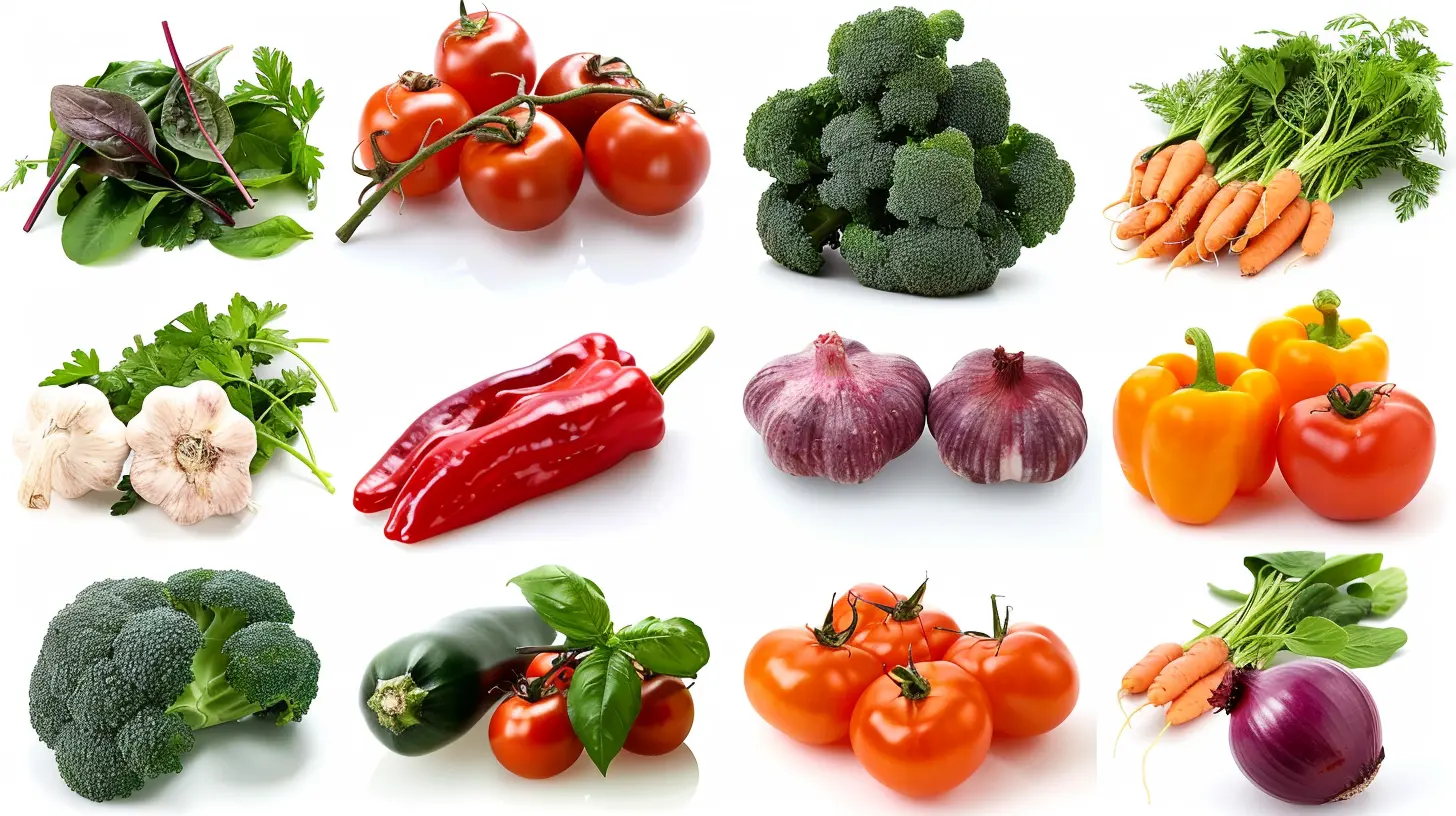
We’re talking spinach, kale, Swiss chard, and collard greens. These guys are practically superheroes when it comes to anti-inflammatory nutrients.They’re packed with antioxidants and polyphenols that protect your cells from damage. Plus, they contain vitamin E, which plays a key role in regulating inflammation.
Easy Swap: Replace iceberg lettuce with spinach or kale in your salads and sandwiches.
3. Berries
Blueberries, strawberries, blackberries—take your pick. These little gems are bursting with antioxidants called anthocyanins that help lower inflammation and support your immune system.Berries also contain fiber, which feeds the good bacteria in your gut (yep, gut health and inflammation are totally connected).
Snack Hack: Toss a handful of berries into your morning smoothie or yogurt. Boom—instant upgrade.
4. Nuts and Seeds
Almonds, walnuts, chia seeds, and flaxseeds are all excellent choices. They’re rich in healthy fats, fiber, and essential minerals like magnesium, which many men don't get enough of.Walnuts in particular are packed with omega-3s, while almonds are great for heart health.
Quick Fix: Keep a jar of mixed nuts in your car or office for a convenient anti-inflammatory snack.
5. Olive Oil
This Mediterranean diet staple isn’t just for drizzling on salads. Extra virgin olive oil is rich in monounsaturated fats and antioxidants—especially oleocanthal, which works similarly to ibuprofen in reducing inflammation.Kitchen Tip: Use olive oil as your go-to cooking oil or mix it with balsamic vinegar for a salad dressing.
6. Turmeric
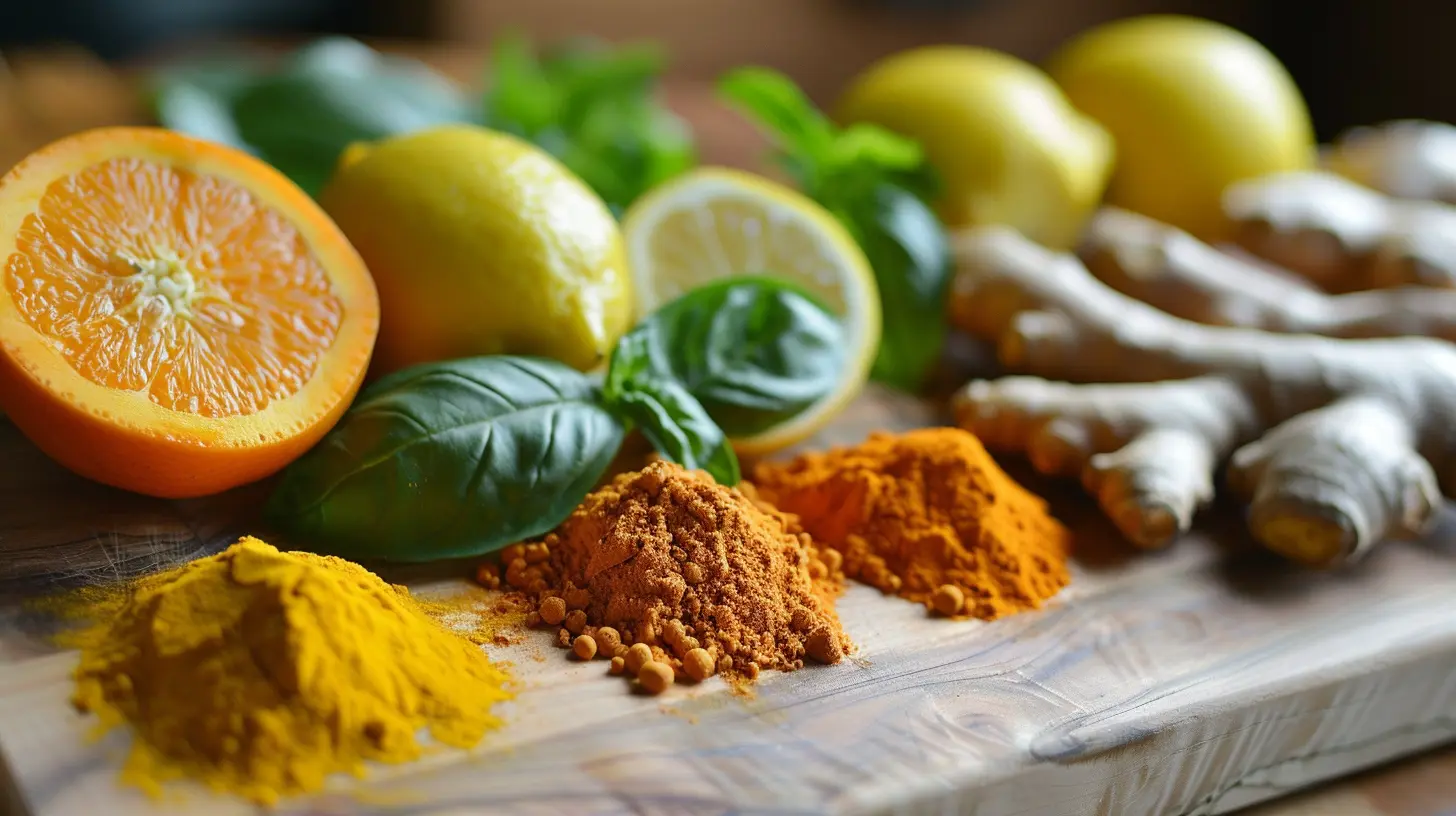
This vibrant yellow spice has been used for centuries in Indian medicine—and for good reason. Its active compound, curcumin, has powerful anti-inflammatory properties.Curcumin helps suppress inflammatory molecules and has even been shown to rival the effectiveness of some anti-inflammatory drugs—without the side effects.
Pro Tip: Add turmeric to soups, stir-fries, or make a golden milk latte with almond milk and a sprinkle of black pepper (which boosts curcumin absorption).
7. Tomatoes
Rich in vitamin C, potassium, and lycopene—an antioxidant known to fight inflammation—tomatoes are a must-have in your anti-inflammatory arsenal. Cooking tomatoes actually increases lycopene absorption, so sauces and soups are extra beneficial.Tasty Tip: Whip up a homemade tomato sauce with garlic and olive oil for a double anti-inflammatory hit.
8. Green Tea
If coffee is your main squeeze, consider adding green tea into the mix. It contains a powerful antioxidant called EGCG, which reduces inflammation and protects against cellular damage.Plus, it’s calming. And stress? Yeah, that's another major inflammation trigger.
Better Brew: Swap your afternoon coffee with a warm cup of matcha or green tea.
9. Garlic and Onions
Not only do they add serious flavor to your meals, but garlic and onions are also loaded with sulfur compounds that enhance immune function and block inflammatory pathways.They can also help reduce blood pressure and protect against heart disease—a win-win for men’s health.
Flavor Boost: Add chopped garlic and onions to your stir-fries, soups, or roasted veggies to give your meals a serious nutrition hit.
10. Whole Grains
Quinoa, brown rice, oats, and barley offer more than just fiber—they're great for reducing levels of CRP and stabilizing blood sugar levels, which plays a huge role in managing inflammation.Refined carbs (like white bread and sugary cereals)? Total inflammation magnets.
Easy Upgrade: Swap white rice for quinoa or make overnight oats for a hearty, anti-inflammatory breakfast.
Foods to Avoid Like the Plague
Now that you know what to add in, it’s equally important to know what to cut down on. The following foods are known to ramp up inflammation:- Processed meats (bacon, hot dogs, deli meats)
- Sugar and high-fructose corn syrup
- Soda and sweetened beverages
- Refined carbs (white bread, pastries)
- Fried foods
- Trans fats (often found in packaged snacks)
Think of these as the villains in your anti-inflammation story. You don’t have to cut them completely, but reducing your intake can make a massive difference.
Creating Your Anti-Inflammatory Game Plan
Ready to put this all together? Don’t worry, it doesn’t have to be complicated. Here’s a simple day’s meal plan that fights inflammation and fuels your body.Breakfast
- Overnight oats with chia seeds, blueberries, and almond butter
Lunch
- Grilled salmon salad with kale, quinoa, tomatoes, and olive oil dressing
Snack
- Handful of walnuts and a green tea
Dinner
- Stir-fried veggies with turmeric, garlic, tofu or chicken, and brown rice
Dessert
- Dark chocolate square (at least 70% cocoa) and a few strawberries
Easy, right? It’s all about making small shifts that add up over time.
The Takeaway: It’s About Consistency, Not Perfection
Look, we get it. Life gets busy, and sometimes the easiest option is a burger and fries. And that’s okay—you’re human. But the key to reducing inflammation and improving your health is making anti-inflammatory foods a regular part of your routine.It’s not about being perfect. It’s about being consistent.
So next time you're at the grocery store, stock up on the good stuff. Your body (and mind) will thank you—now and in the years to come.
Frequently Asked Questions
Q: How long does it take for an anti-inflammatory diet to work?You might notice some improvements in energy, digestion, or joint pain within a couple of weeks. For bigger changes like reduced blood pressure or cholesterol, give it a few months. Be patient—healing takes time.
Q: Can supplements help with inflammation?
Sure, things like omega-3 capsules or turmeric supplements can help, but they’re not a substitute for a healthy diet. Focus on food first, then consider supplements if needed.
Q: Is intermittent fasting anti-inflammatory?
It can be! Some studies show that intermittent fasting may help reduce inflammatory markers in the body. But it's not for everyone—talk to your doctor first, especially if you have medical conditions.
all images in this post were generated using AI tools
Category:
Mens HealthAuthor:

Eileen Wood
Discussion
rate this article
1 comments
Zadie Shaffer
This article provides valuable insights into incorporating anti-inflammatory foods into a man's diet. By focusing on items like berries, fatty fish, and leafy greens, readers can effectively reduce inflammation and improve overall health. These practical tips make it easy to create a delicious and nutritious meal plan that supports well-being.
August 7, 2026 at 3:52 AM