Probiotics vs. Prebiotics: Understanding the Difference
6 June 2026
When it comes to gut health, you’ve probably heard the words probiotics and prebiotics thrown around quite a bit. They sound similar, right? But they serve completely different purposes in keeping your digestive system happy. Think of them as a dynamic duo—like Batman and Robin—working together to keep your gut in balance.
But what exactly are they? How do they work? And which one do you need more of? Grab a comfy seat, because we’re about to break it all down in a way that’s fun, simple, and completely digestible (pun intended).
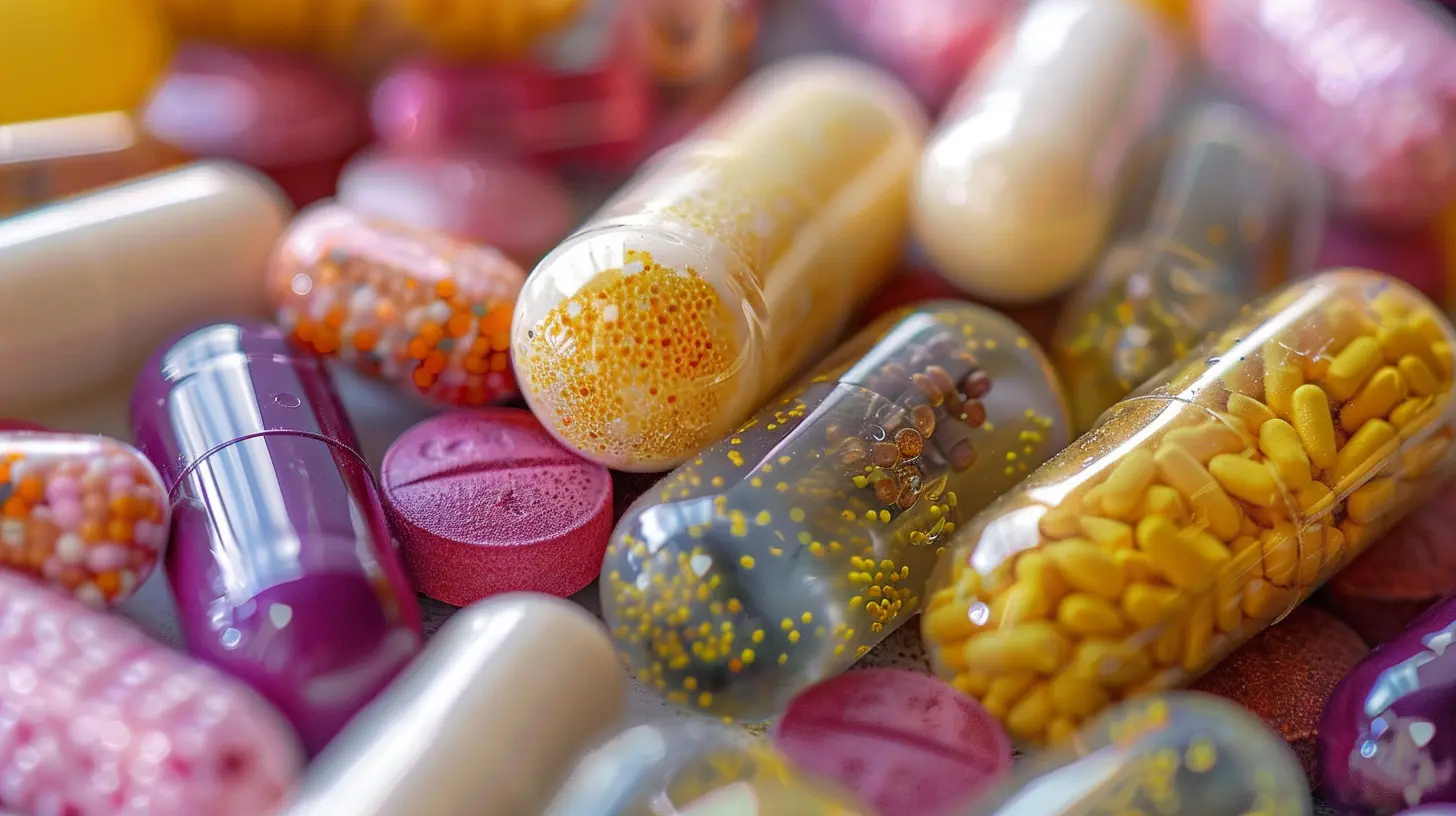
What Are Probiotics?
Let’s start with probiotics, the friendly bacteria that live in your gut. These little guys are the superheroes of your digestive system. They help maintain a healthy balance of gut bacteria, support digestion, boost immunity, and even improve mood.How Probiotics Work
Picture your gut as a bustling city. Like any city, it has good citizens (probiotics) and bad citizens (harmful bacteria). When the bad guys start causing trouble—like bloating, irregularity, or inflammation—the probiotics step in, restore order, and keep things running smoothly.Benefits of Probiotics
Adding probiotics to your diet can provide a ton of benefits, such as:- Improving digestion – They help break down food and absorb nutrients efficiently.
- Strengthening the immune system – A healthy gut equals a stronger defense against infections.
- Reducing bloating and gas – Nobody likes a puffy belly!
- Supporting mental health – A happy gut can lead to a happier mood (thank your gut-brain connection for that).
- Aiding in weight management – Some probiotics may help with metabolism and appetite control.
Best Sources of Probiotics
So, where can you get these little gut warriors? You’ll find probiotics in:- Yogurt – A classic probiotic powerhouse.
- Kefir – A tangy, fermented milk drink packed with good bacteria.
- Kimchi & Sauerkraut – Fermented veggies loaded with probiotics.
- Miso & Tempeh – Fermented soy products that boost gut health.
- Kombucha – That slightly fizzy, fermented tea everyone’s raving about.
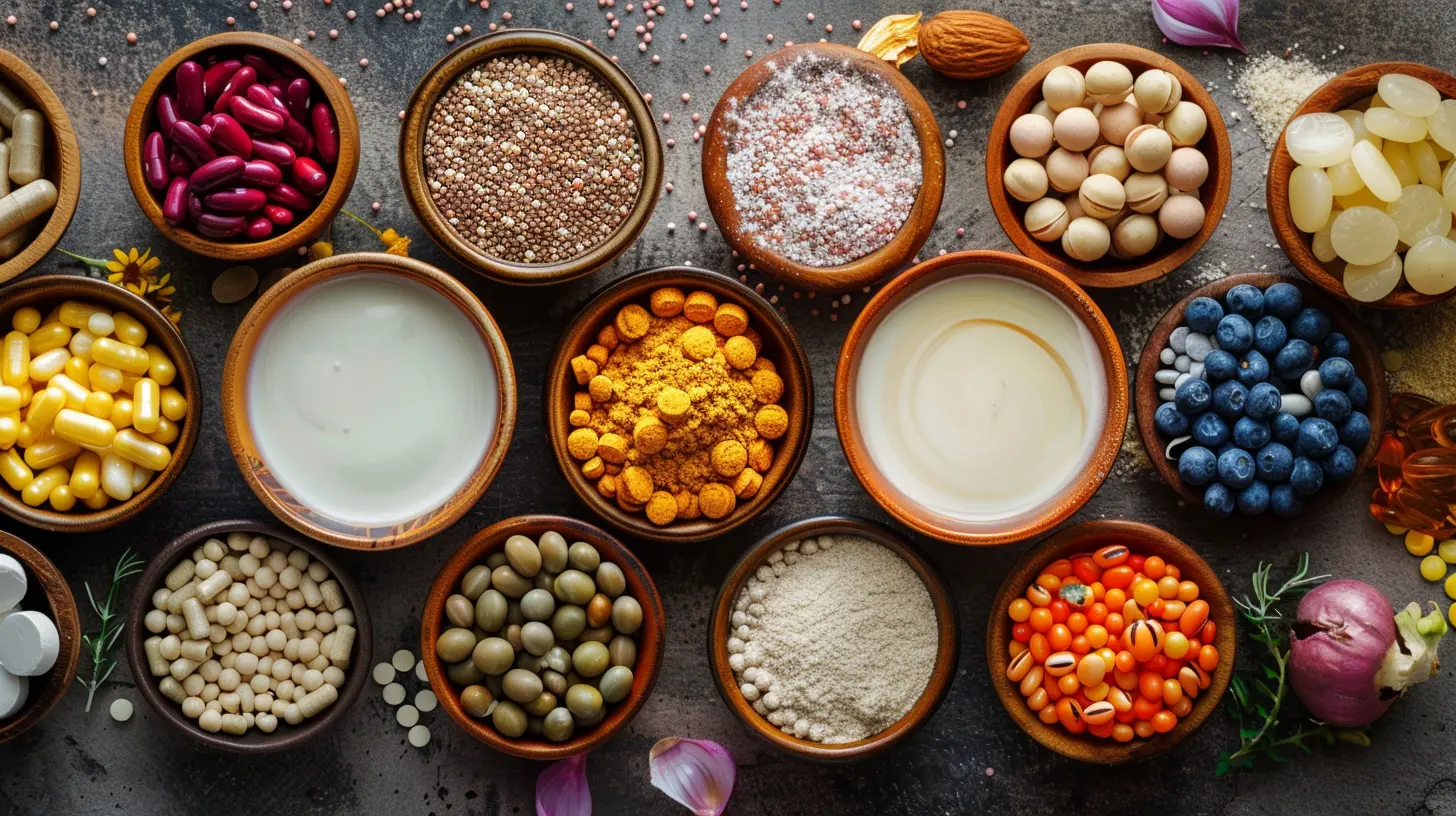
What Are Prebiotics?
Now, let’s talk about prebiotics. If probiotics are the superheroes, prebiotics are the fuel that keeps them going. These are types of fiber that feed the good bacteria in your gut, helping them flourish and do their job efficiently.How Prebiotics Work
Imagine probiotics as a garden. For your plants (good bacteria) to grow, they need the right soil, water, and nutrients. That’s exactly what prebiotics do—they provide the nourishment that helps probiotics thrive.Benefits of Prebiotics
Prebiotics might not get as much attention as probiotics, but they play a crucial role in gut health. Some major benefits include:- Helping probiotics grow – They provide food for the good bacteria.
- Improving digestion – Supporting a balanced gut microbiome.
- Enhancing calcium absorption – Good for those looking to strengthen bones.
- Regulating blood sugar levels – A steady gut can help keep sugar spikes in check.
- Reducing inflammation – A well-fed gut microbiome can help lower chronic inflammation.
Best Sources of Prebiotics
You don’t need fancy supplements to get prebiotics—many common foods are rich in them! Look for:- Garlic – A tasty way to feed your good bacteria.
- Onions – Adds flavor while fueling your gut.
- Bananas – The riper, the better for prebiotics.
- Asparagus – A fiber-packed veggie great for digestion.
- Oats – A breakfast staple with gut-nourishing properties.
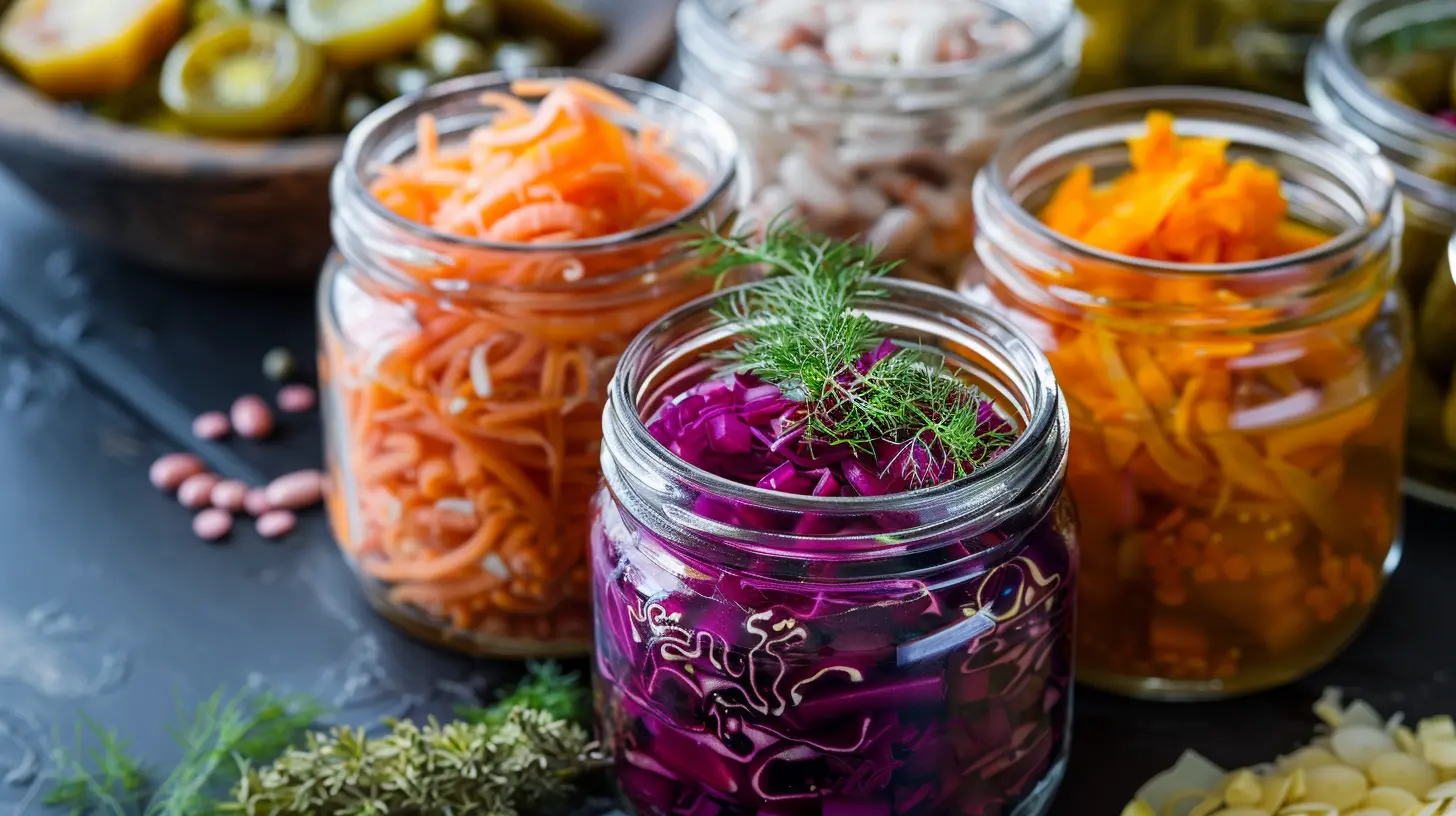
Probiotics vs. Prebiotics: What’s the Difference?
While probiotics and prebiotics both play an essential role in gut health, they are not the same thing. Here’s a simple way to remember the difference:- Probiotics = Live beneficial bacteria that improve gut health.
- Prebiotics = Food for probiotics that help those bacteria grow and thrive.
Think of probiotics as the fish in a pond and prebiotics as the fish food. You need both to maintain a balanced ecosystem!
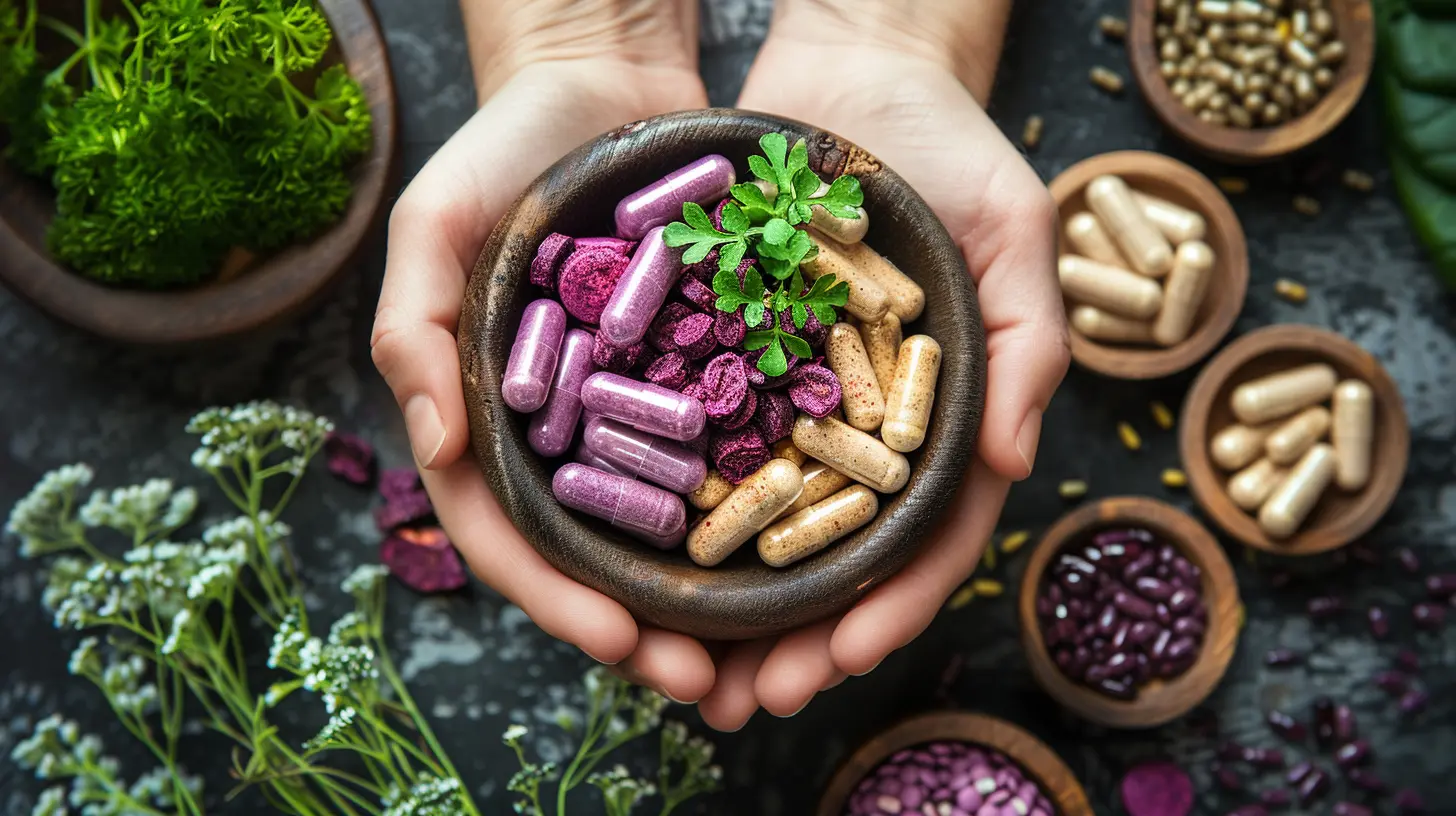
Should You Take Probiotic or Prebiotic Supplements?
If you’re eating a balanced diet with plenty of fermented foods and fiber-rich veggies, you may not need supplements. But let’s be real—not everyone has a perfect diet every day.When to Consider Probiotic Supplements
You might want to supplement with probiotics if you:- Recently took antibiotics (which wipe out both good and bad bacteria).
- Have digestive issues like bloating, constipation, or diarrhea.
- Struggle with food intolerances.
- Feel like your immune system needs an extra boost.
When to Consider Prebiotic Supplements
Prebiotics are generally easier to get from food, but supplements can help if you:- Don’t eat enough fiber-rich foods.
- Have digestive issues that need extra support.
- Want to enhance the effectiveness of your probiotics.
Can You Take Probiotics and Prebiotics Together?
Absolutely! In fact, taking them together can be even more effective. This combo is often called synbiotics, since it creates the perfect environment for probiotics to thrive.For example, eating yogurt (probiotics) with a banana (prebiotics) is a gut-friendly power meal!
Common Myths About Probiotics and Prebiotics
With so much information floating around, it’s easy to get confused. Let’s bust a few common myths:1. Myth: All Probiotics Are the Same
Not true! Different strains of probiotics serve different purposes. Some help with digestion, while others support immunity or mental health.2. Myth: Prebiotics Are Optional
Nope! Without prebiotics, probiotics won’t survive long. They need proper nourishment to work effectively.3. Myth: You’ll Feel the Benefits Immediately
While some people notice improvements within days, it can take weeks for probiotics to make a noticeable impact on your gut health.4. Myth: More Probiotics = Better Health
Too much of a good thing can backfire. Overloading on probiotics can lead to bloating or digestive discomfort. Balance is key!Final Thoughts
Maintaining a healthy gut isn’t about choosing between probiotics and prebiotics—it’s about incorporating both into your diet.Think of probiotics as the workers and prebiotics as their fuel. Give your gut the right tools, and it’ll reward you with better digestion, improved immunity, and even a mood boost!
So next time you grab that yogurt, toss in some fiber-rich fruit, or add garlic to your meal, just know you’re doing your gut a big favor. Happy gut, happy life!
all images in this post were generated using AI tools
Category:
ProbioticsAuthor:

Eileen Wood
Discussion
rate this article
1 comments
Duke White
I never knew how distinct probiotics and prebiotics were. This really clears up my confusion... thanks!
July 1, 2026 at 4:55 AM
Eileen Wood
I'm glad it helped clarify things for you! Understanding the difference can make a big impact on your health.