Probiotics and Pregnancy: Key Benefits and Safety Tips
18 July 2026
Pregnancy is one heck of a roller coaster, right? One minute you're glowing with excitement, and the next, you're googling everything under the sun—what can I eat, what should I avoid, can I drink coffee, is this cheese safe, and oh… what's the deal with probiotics?
If you're here wondering about probiotics and pregnancy, you're not alone. Plenty of moms-to-be are curious about whether these gut-friendly bacteria are truly helpful or just another wellness buzzword. Spoiler alert—they can actually offer some pretty amazing perks during pregnancy.
In this article, we’ll dive into what probiotics are, how they can benefit you and your baby during pregnancy, and how to use them safely. So, grab a comfy seat, maybe a glass of water (hydration is key!), and let's break it all down.
What Are Probiotics Anyway?
Before we jump into the juicy stuff, let’s clear up what probiotics are.Probiotics are live microorganisms—mostly bacteria and yeast—that give your body some love, especially your gut. Think of them as your friendly inner roommates who help with digestion, support your immune system, and keep uninvited guests (a.k.a. harmful bacteria) in check.
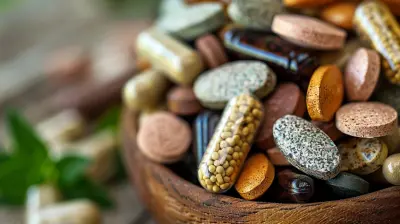
These good guys are naturally found in fermented foods like yogurt, kefir, sauerkraut, and kimchi. You can also get them in supplement form, which is super handy if fermented cabbage isn’t exactly your thing.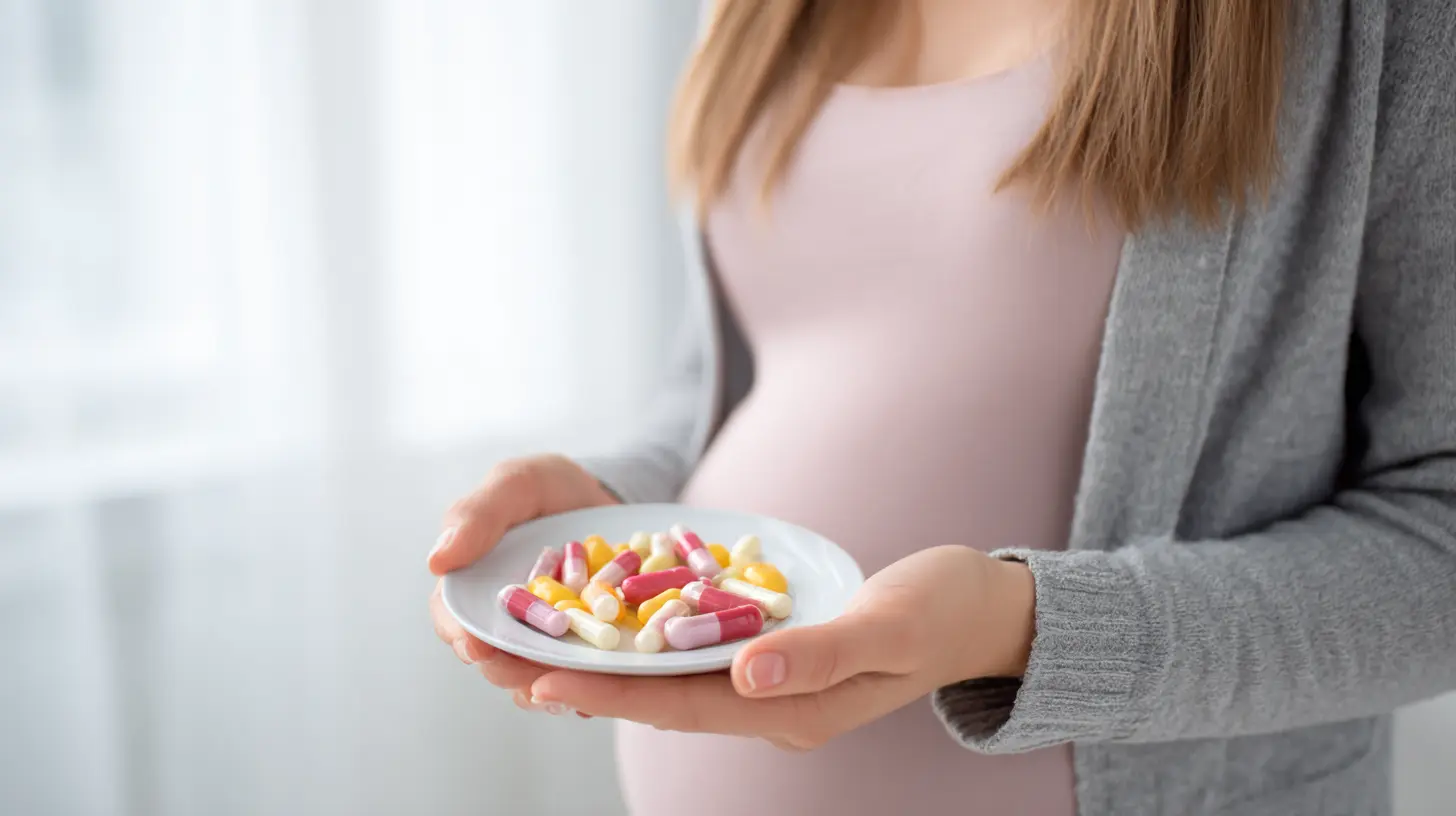
Why Gut Health Even Matters During Pregnancy
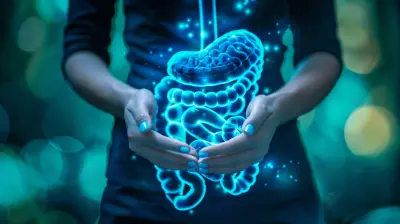
You probably already know that everything in your body starts acting a little differently when you're pregnant. Hormones go wild, your immune system adjusts, and your digestive system might feel like it’s taken a vacation (hello, constipation!).Here's where your gut steps in. A healthy gut plays a huge role during pregnancy by:
- Supporting your immune system (so you’re not catching every cold that comes your way)
- Aiding in nutrient absorption (because your baby needs all the goodies)
- Helping prevent unpleasant stuff like bloating and constipation
When your gut is happy, you’re more likely to be too—and probiotics are like the cheerleaders that keep it all running smoothly.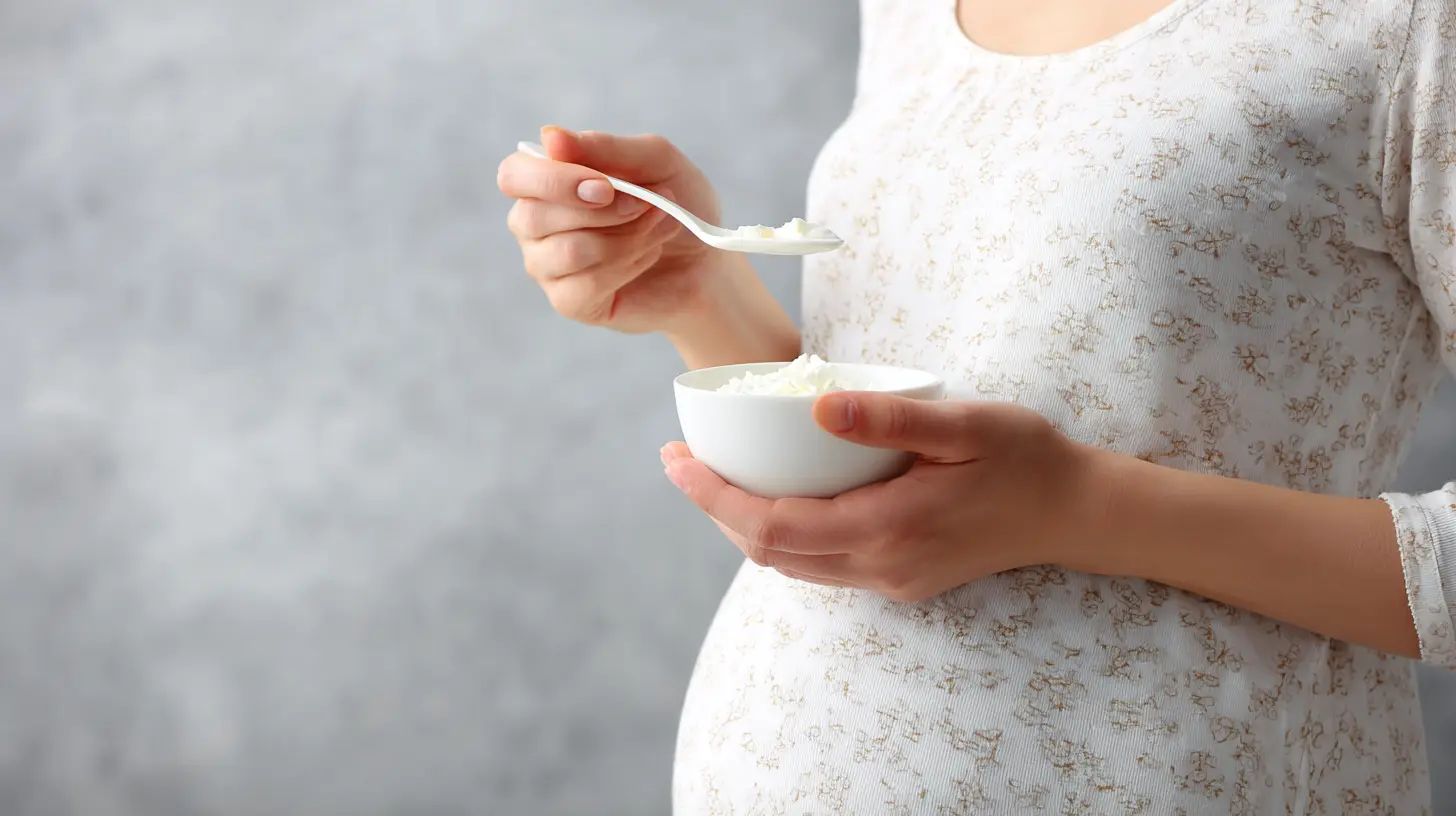
The Key Benefits of Probiotics During Pregnancy
Alright, let’s get to the good stuff. Here’s how probiotics can support you throughout your pregnancy.1. Help With Digestion & Regularity
Let’s be honest—constipation is one of those pregnancy symptoms that doesn’t get talked about enough. But it’s super common, especially as your growing uterus puts pressure on your bowels and hormonal changes slow things down.Probiotics can help keep things moving by balancing out the bacteria in your gut. Certain types, like Bifidobacterium and Lactobacillus, are especially good at supporting digestion.
Think about it like this: Your gut is a garden. Probiotics are the gardeners making sure everything grows in balance. Without them, weeds (aka bad bacteria) can overtake the good stuff and mess things up.
2. Reduced Risk of Gestational Diabetes
Gestational diabetes is a concern for many expectant moms. It happens when your body can't make enough insulin during pregnancy, causing high blood sugar levels.Research shows that certain probiotic strains may help regulate blood sugar and improve insulin sensitivity. While it’s not a magical cure, probiotics can be part of a larger toolkit to help reduce the risk—along with eating a balanced diet and staying active.
3. Boosting Immune Function
Your immune system goes through some changes when you’re pregnant. It’s an amazing process that helps protect your baby but can make you a bit more vulnerable to colds and infections.This is where probiotics come in to save the day. They interact with your immune cells and support your body’s natural defense systems. Some studies even suggest that they can reduce the chances of catching respiratory infections. Less time with the sniffles? Yes, please.
4. Improved Vaginal Health & Reduced Risk of Infections
Pregnancy hormones can also mess with your vaginal flora (yep, we’re going there). This can increase your risk of bacterial vaginosis or yeast infections—neither of which are fun when you’re expecting.Certain probiotics, especially Lactobacillus strains, help keep your vaginal microbiome in balance. Taking them regularly may reduce the risk of these pesky infections, help maintain a healthy pH, and support overall vaginal health.
5. May Lower the Risk of Preeclampsia
Preeclampsia is a potentially serious pregnancy complication characterized by high blood pressure and signs of damage to organs like your liver and kidneys.While more research is needed, some studies have found that probiotics—particularly those found in fermented dairy products—may help lower the risk of developing preeclampsia by reducing inflammation and supporting cardiovascular function.
6. Supporting Baby’s Gut and Immune Health
Here’s a sweet bonus: when you take probiotics, you're not just doing your body a favor—you’re giving your baby a head start too.Good bacteria can be passed from mom to baby, especially during vaginal birth and breastfeeding. This early exposure helps your little one develop a strong gut microbiome, which can boost their immunity and possibly reduce their risk for allergies and eczema down the line.
It's like giving them a tiny wellness toolkit before they even enter the world.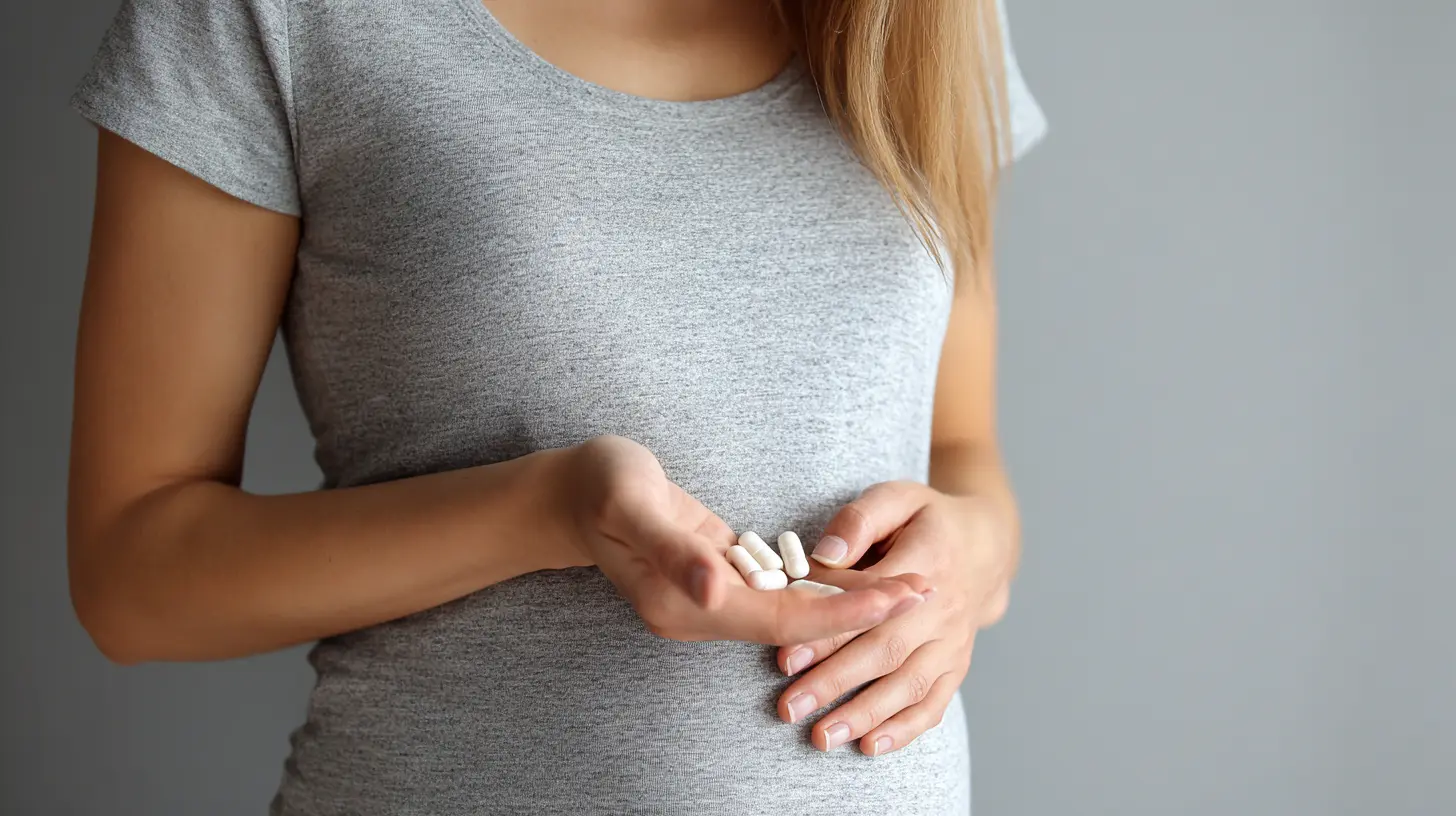
Are Probiotics Safe During Pregnancy?
Now for the big question: is it actually safe to take probiotics while pregnant?The short answer? For most women, yes. Probiotics are generally considered safe during pregnancy, especially when taken through food. Supplements are usually safe too, but—as with anything—always check with your healthcare provider first.
Here’s why they’re typically safe:
- They’re already found naturally in your body and your food.
- They’re not absorbed into your bloodstream, meaning they stay local in the gut.
- Major health organizations (like the World Health Organization) give probiotics a thumbs up for their safety profile.
That said, everyone is different. If you have a compromised immune system or specific medical conditions, be sure to have a chat with your doctor before adding a supplement to your routine.
Safety Tips for Taking Probiotics During Pregnancy
If you’re thinking about giving probiotics a go, here are a few smart tips to keep in mind:1. Start with Food First
Fermented foods like Greek yogurt, kefir, sauerkraut, miso, and kimchi are easy (and tasty) ways to get probiotics naturally. Plus, they come with other good-for-you nutrients like protein, calcium, and vitamins.Just make sure the products you choose are pasteurized and pregnancy-safe.
2. Choose the Right Strains
Not all probiotics are created equal. If you’re going the supplement route, look for strains that have been studied in pregnancy, such as:- Lactobacillus rhamnosus GG
- Bifidobacterium lactis
- Lactobacillus acidophilus
These strains are known for being gentle and effective during pregnancy.
3. Read the Label
Look for a reputable brand that offers clear information on strains, CFU count (that’s colony-forming units), and expiration date. Aim for at least 1 billion CFUs per serving.Also, avoid supplements with artificial additives or unnecessary fillers.
4. Go Slow
If probiotics are new to you, start with a low dose and see how your body reacts. It's totally normal to experience a little gas or bloating at first—your gut is adjusting!Think of it like introducing new friends at a party. It takes a minute for everyone to get along.
5. Stick with It
Consistency is key! Just like vitamins, probiotics work best when taken regularly. Set a reminder or tie it into a daily habit, like taking them with breakfast.What About Probiotic-Rich Foods?
Yes, please! Incorporating probiotic-rich foods into your pregnancy diet is a win-win. Here are some mom-approved options:- Yogurt (look for “live active cultures” on the label)
- Kefir (a tangy, drinkable fermented milk)
- Tempeh (fermented soybeans, great in stir-fries)
- Sauerkraut & Kimchi (watch for unpasteurized versions)
- Miso (a warming miso soup is perfect for pregnancy cravings!)
Just be mindful of sodium content and make sure these foods are safe and well-stored to avoid any foodborne issues.
Final Thoughts
Pregnancy is full of decisions—what to eat, what to avoid, how to prep for baby. Probiotics might seem like yet another thing to consider, but they can actually be a simple and natural way to support both your health and your baby’s.The bottom line? Probiotics can help with digestion, immunity, and even reduce risks of complications like gestational diabetes and preeclampsia. While they're generally safe, always check with your healthcare provider before adding any new supplement.
So next time you're grocery shopping, maybe toss a probiotic-rich yogurt into the cart. Your gut (and your little one) might just thank you.
FAQs About Probiotics and Pregnancy
Is yogurt enough for probiotics during pregnancy?For many women, eating probiotic-rich yogurt regularly can be a great source of good bacteria. Just make sure it contains live active cultures.
Can probiotics cause any side effects in pregnancy?
Minor bloating or gas is common when first starting probiotics, but serious side effects are rare. If anything feels off, consult your doctor.
When should I start taking probiotics during pregnancy?
You can take them at any trimester, but starting early may help optimize benefits for both you and your baby.
Can I take probiotics and prenatal vitamins together?
Absolutely! Just space them out a bit if you’re experiencing any tummy troubles.
all images in this post were generated using AI tools
Category:
ProbioticsAuthor:

Eileen Wood
Discussion
rate this article
1 comments
Genevieve McKellar
Probiotics can support gut health during pregnancy.
July 18, 2026 at 3:45 PM
Eileen Wood
I appreciate your insight! Probiotics can indeed play a positive role in supporting gut health during pregnancy.