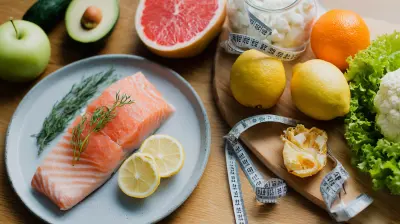
Probiotics and Food Allergies: Can They Help Alleviate Symptoms?
18 June 2026
Let’s be honest—food allergies are no fun. From itchy skin to full-on digestive meltdowns, they mess with your body and your peace of mind. Now, if you’re someone who grimaces at the idea of reading every food label (like it’s a puzzle with high stakes), you’re probably always on the lookout for anything that might help, right?
Enter probiotics—the friendly bacteria that get a lot of love for gut health. But can these tiny warriors actually do something about food allergies too? That’s what we’re digging into today. So, pull up a chair, grab your favorite allergen-free snack, and let’s talk bugs, guts, and sneezes.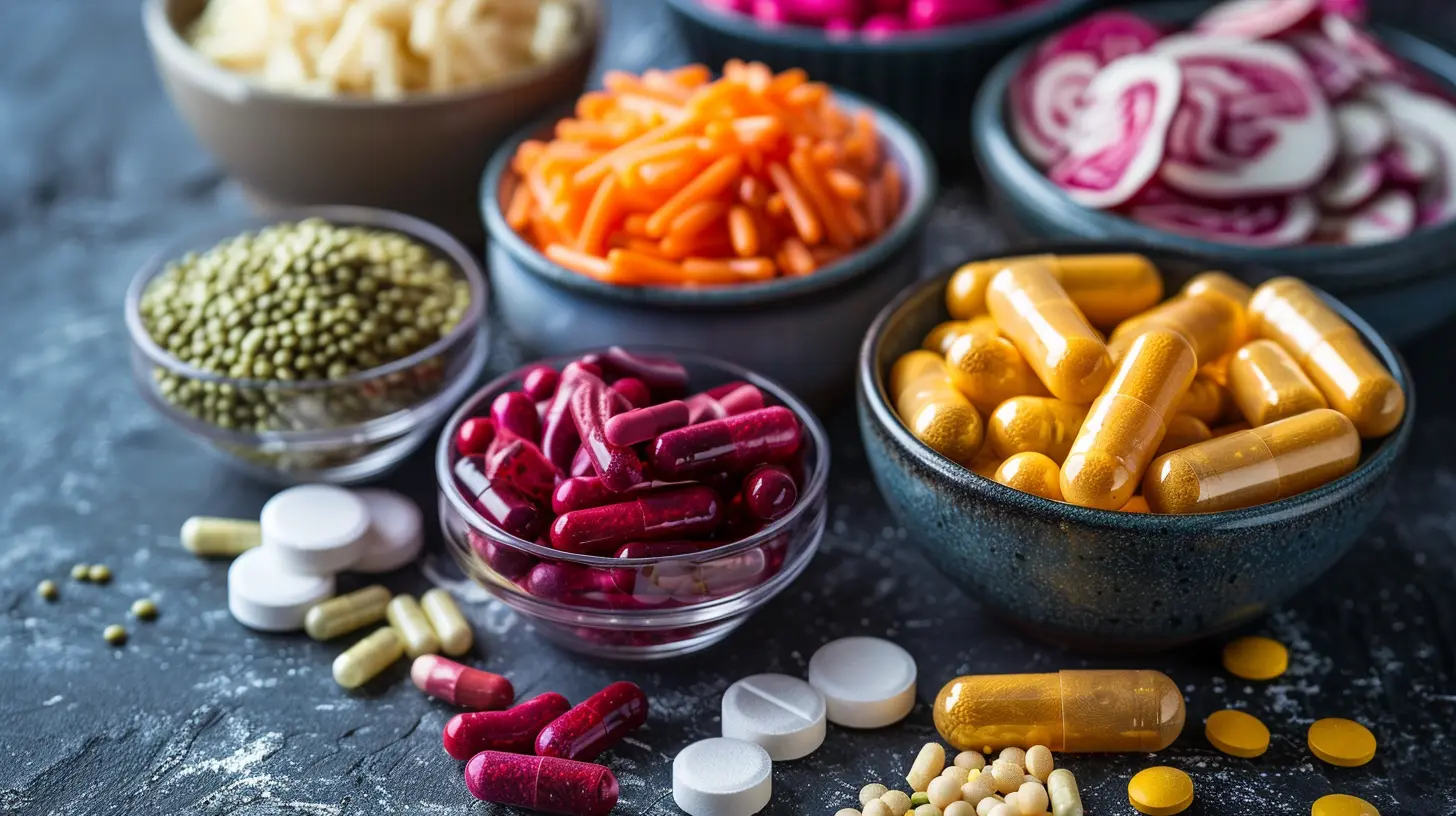
What Are Probiotics, Really?
Before we get into the food allergy stuff, let’s break down probiotics. You’ve probably seen them advertised as being in yogurt, supplements, kombucha, and even some chocolates now (yes, really).In a nutshell, probiotics are live microorganisms (mostly bacteria and a few yeasts) that are good for your health—especially your digestive system. Think of them as the helpful roommates in your gut who clean up messes, babysit unruly bacteria, and keep things running smoothly.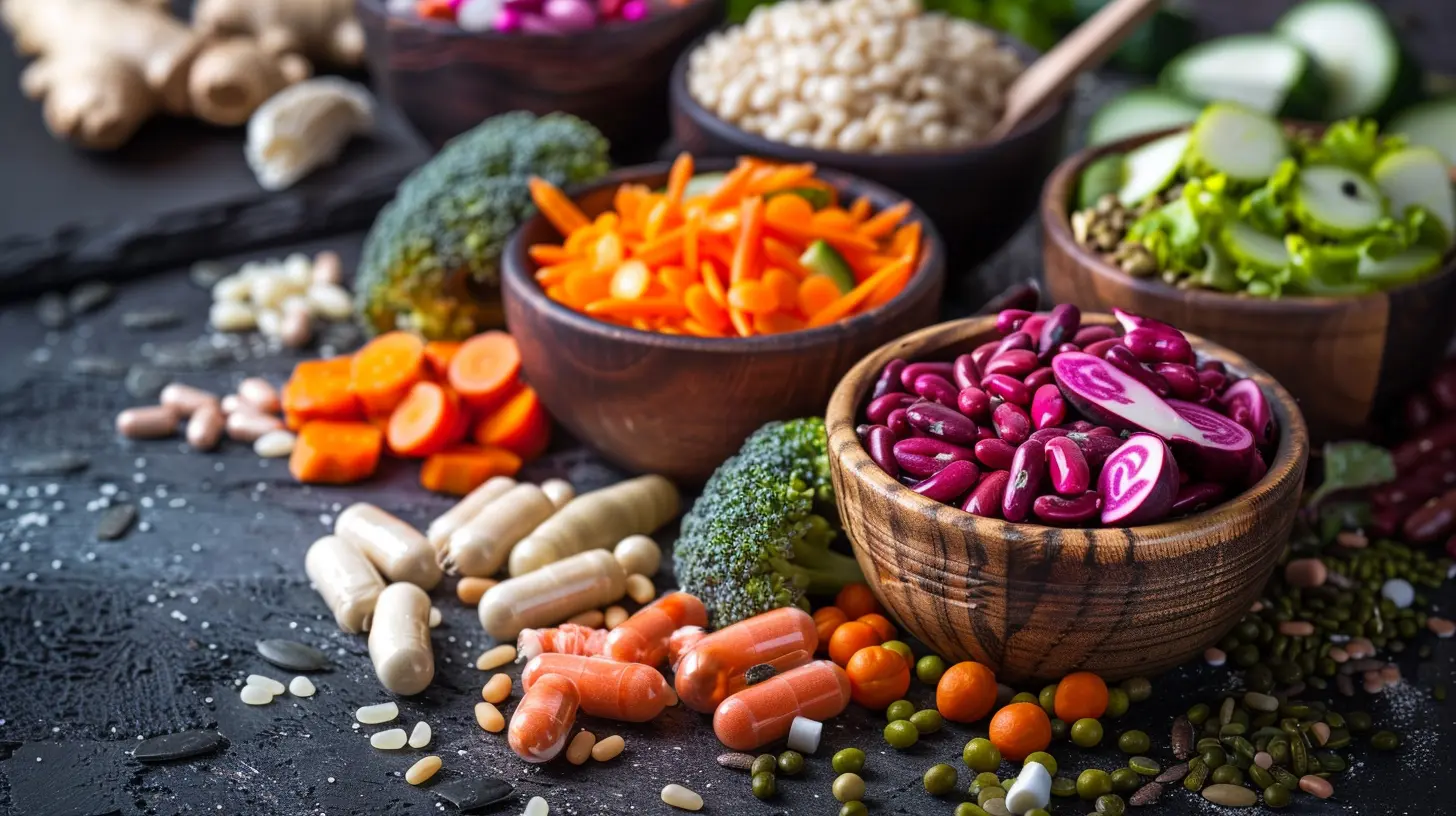
The Gut-Immune Connection: Why Your Belly Matters
Here’s where things start to make sense.Your gut isn’t just where food gets digested—it’s actually the command center for a big part of your immune system. Around 70–80% of your immune cells are chilling in your gastrointestinal tract. Wild, right?
So when your gut is balanced and happy, your immune system is more likely to behave itself. But when things go sideways—say you’re overloaded with antibiotics, stressed out, or eating junk food 24/7—your gut bacteria can get out of whack. And guess what happens then? Your immune system might start attacking harmless things (like peanuts or eggs) as if they’re enemy invaders. Cue: allergic reactions.
That’s the connection.
So, Can Probiotics Actually Help With Food Allergies?
Yes—and no. Hang with me here.✅ What the Science Says
Recent studies suggest probiotics might reduce the symptoms of certain food allergies, especially in kids. Some strains of good bacteria (like Lactobacillus rhamnosus GG and Bifidobacterium lactis) have shown promise in helping the immune system tolerate allergens better.For example, in kids with cow’s milk allergy, combining probiotics with oral immunotherapy showed higher tolerance development than immunotherapy alone. That’s a big deal!
There’s also research showing that probiotics can:
- Improve the gut barrier (so allergens don’t slip through like sneaky ninjas)
- Reduce inflammation (which makes your body less reactive)
- Train the immune system to chill out (literally teaching it not to overreact)
❌ The Catch?
Not all probiotics work the same. Each strain is like its own superhero with specific powers. One might soothe eczema, another may boost digestion, and another could help with allergies. So it’s not a one-size-fits-all situation.Also, not all people respond the same way. What helps one person might not do anything for someone else.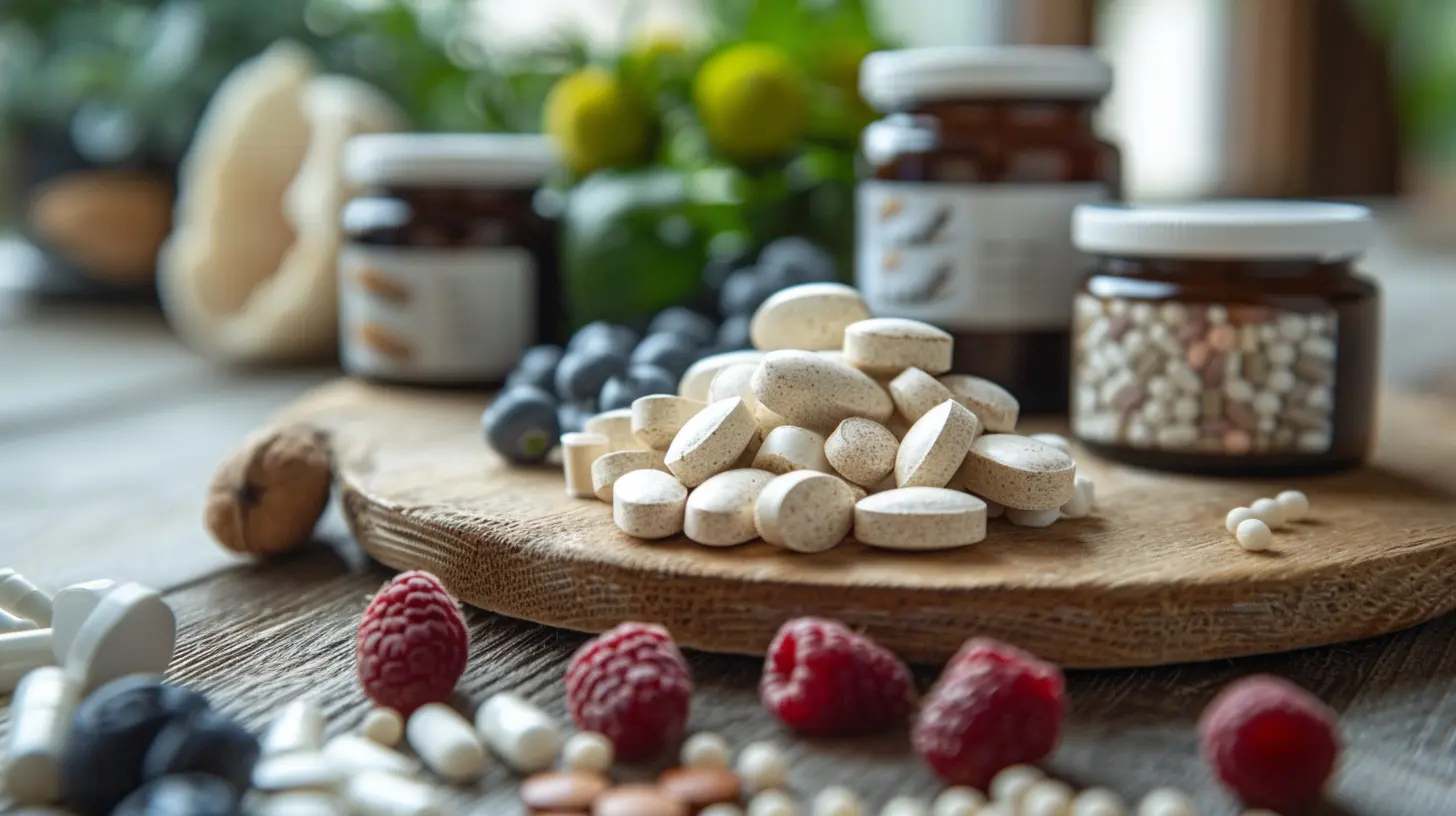
Types of Food Allergies That May Benefit
Let’s break it down even further. Which food allergies might see improvements with probiotics?1. Cow's Milk Allergy (CMA)
This is the big one. Most of the research on probiotics and food allergies revolves around cow’s milk allergy, especially in infants and toddlers. Studies suggest that certain probiotic strains may help infants outgrow their allergy faster.2. Egg Allergy
There’s emerging evidence that probiotics may help build tolerance when used alongside oral immunotherapy. Again, this is mostly in kids, but it’s promising stuff.3. Peanut Allergy
Research here is still early-stage, but some experimental trials combining probiotics with peanut oral immunotherapy have shown potential. In some cases, kids reached remission and could tolerate peanuts without reactions.4. Eczema Linked to Food Allergies
Not a food allergy in itself, but skin reactions like eczema are common symptoms. Some probiotic strains have shown solid results in reducing eczema flare-ups, especially in children.How to Take Probiotics (Without Overthinking It)
If you’re wondering how to get more probiotics into your life, here are a few easy options:? Fermented Foods
- Yogurt (make sure it has "live and active cultures")- Kefir
- Sauerkraut
- Kimchi
- Miso
- Tempeh
- Kombucha
These are natural sources, but remember—some store-bought versions are pasteurized, which can kill the good bacteria. Always read the label.
? Supplements
This is probably the more precise route, especially if you need a specific strain for allergy relief. Look for:- Strain-specific labels (like Lactobacillus rhamnosus GG)
- CFUs (colony forming units)—aim for at least 10 billion per serving
- Third-party testing and purity certifications
Pro Tip: Start low and go slow. Too much too fast can cause bloating or other gut issues.
Prebiotics: Don’t Forget the Food for Your Good Bugs
Here’s a fun twist—probiotics need food too.Enter prebiotics. These are non-digestible fibers that fuel your good bacteria. Without them, probiotics can’t survive and thrive.
Add these to your diet for best results:
- Bananas (especially slightly green ones)
- Garlic
- Onions
- Leeks
- Asparagus
- Oats
- Apples
It’s like planting probiotic seeds and watering them with prebiotics. Boom—gut garden.
Side Effects: Are Probiotics Safe for Everyone?
For most people, yes—probiotics are super safe. But that doesn’t mean zero side effects.Some people may experience:
- Bloating
- Gas
- Temporary changes in bowel movements
These usually settle down after a few days. If you have a serious medical condition or a severely compromised immune system, talk to your doc before diving in.
When Probiotics Might Not Help
Let’s keep it real—probiotics aren’t magic pills. They’re not going to cure your allergy overnight or replace your epinephrine injector.In some cases, there’s no noticeable effect at all, especially in adults with long-standing allergies. The research is most promising in early life, which suggests timing plays a big role. Think of it as shaping your immune system while it’s still learning the ropes.
But used in the right context, with the right strain, at the right time? They just might give your immune system that extra nudge toward tolerance.
A Quick Word on Synbiotics
Just when you thought this bacteria story couldn’t get more complex—here comes synbiotics.These are products that combine probiotics and prebiotics in one. Think of them as the dynamic duo, like Batman and Robin for your gut. Some research suggests they may be more effective together than separately, kind of like peanut butter and jelly (ironically, for a peanut allergy article).
Final Thoughts: Should You Try Probiotics for Food Allergies?
So, can probiotics help alleviate food allergy symptoms?Here’s the takeaway:
- They might, especially in kids and when dealing with milk or egg allergies
- The right strain and dosage matters—a lot
- They work best when paired with a balanced diet rich in prebiotics
- They’re not a standalone solution but can be a great complementary strategy
If you're dealing with food allergies, definitely chat with your healthcare provider. They can help you figure out if probiotics are a good fit for you or your child.
At the end of the day, managing food allergies is like playing defense with smart offense. Probiotics might just be part of your winning playbook.
all images in this post were generated using AI tools
Category:
ProbioticsAuthor:

Eileen Wood
Discussion
rate this article
1 comments
Quillan Kline
It's encouraging to see research on probiotics and food allergies. Many people struggle with these issues daily. I hope this article sheds light on potential relief for those in need. Stay hopeful.
July 7, 2026 at 3:36 AM
Eileen Wood
Thank you for your comment! I share your hope that this research brings useful insights for those affected by food allergies. Your support means a lot.