Probiotics and Aging: Supporting Gut Health in Your Golden Years
10 March 2026
Let’s talk about something we often overlook as we get older—our gut. Yup, that hard-working digestive system that’s been with us since day one. As the years roll by, our bodies change, and so does our gut. But here’s the deal—just because we're aging doesn't mean we have to wave goodbye to good digestion and immune health. That’s where probiotics come in, like tiny superheroes for your belly.
In your golden years, your health priorities shift. You might start paying closer attention to things like heart health, memory, and energy levels. But what if we told you that a happy, healthy gut can positively influence all of those? Intrigued yet? Let’s dive into how probiotics can play a powerful role in aging gracefully—and feeling good while you’re at it.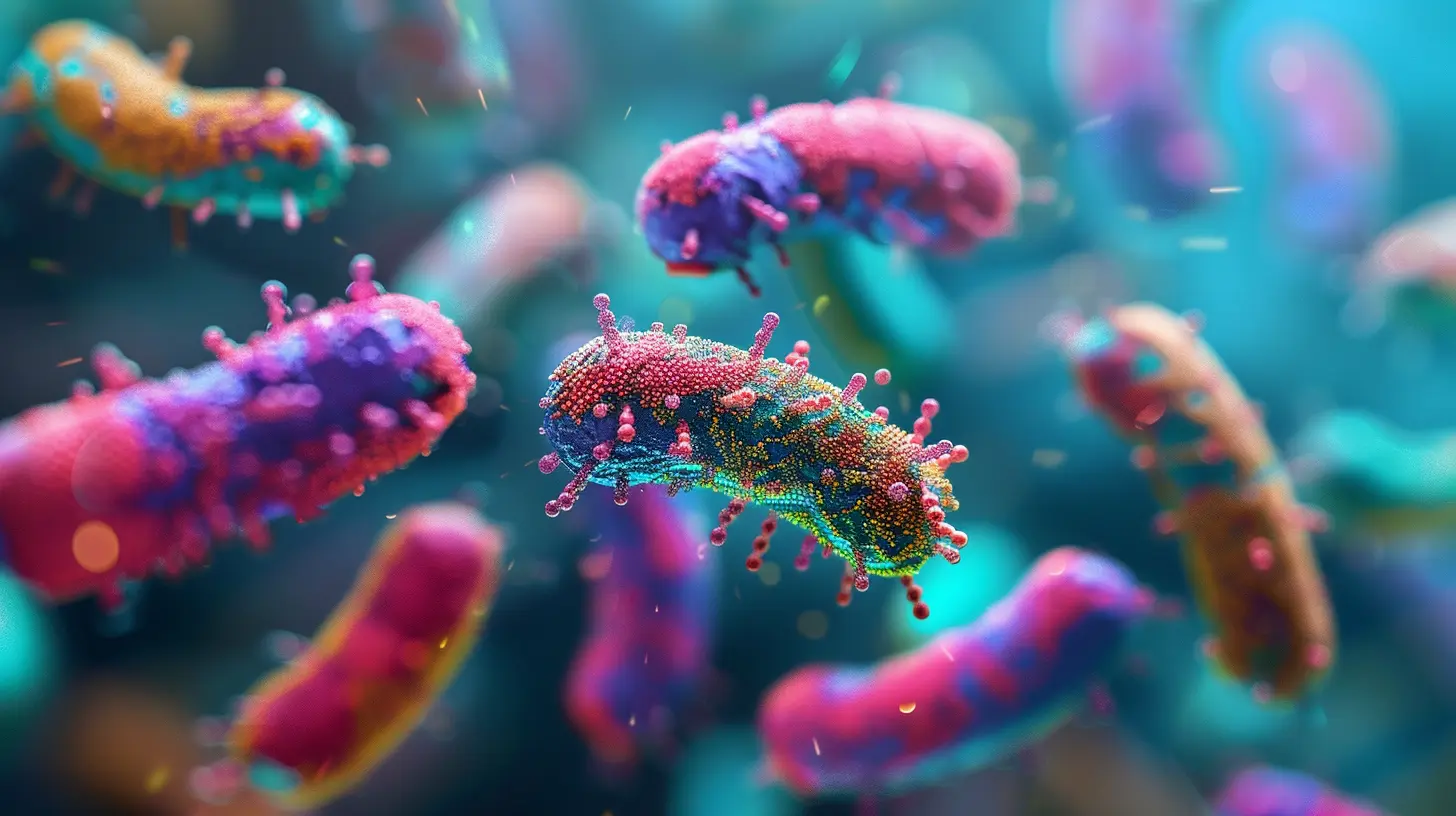
What Are Probiotics, Anyway?
Before we go any further, let’s clear up the basics. Probiotics are live bacteria and yeasts that are good for you, especially your digestive system. Think of them as the friendly neighbors living in your intestines. They keep the bad guys (like harmful bacteria) in check and help everything from digestion to immune function hum along nicely.You can find probiotics in foods like yogurt, kefir, sauerkraut, kimchi, miso, and in supplement form. They’re not a fad—they’re backed by science. And the older we get, the more we need these reliable microscopic friends on our side.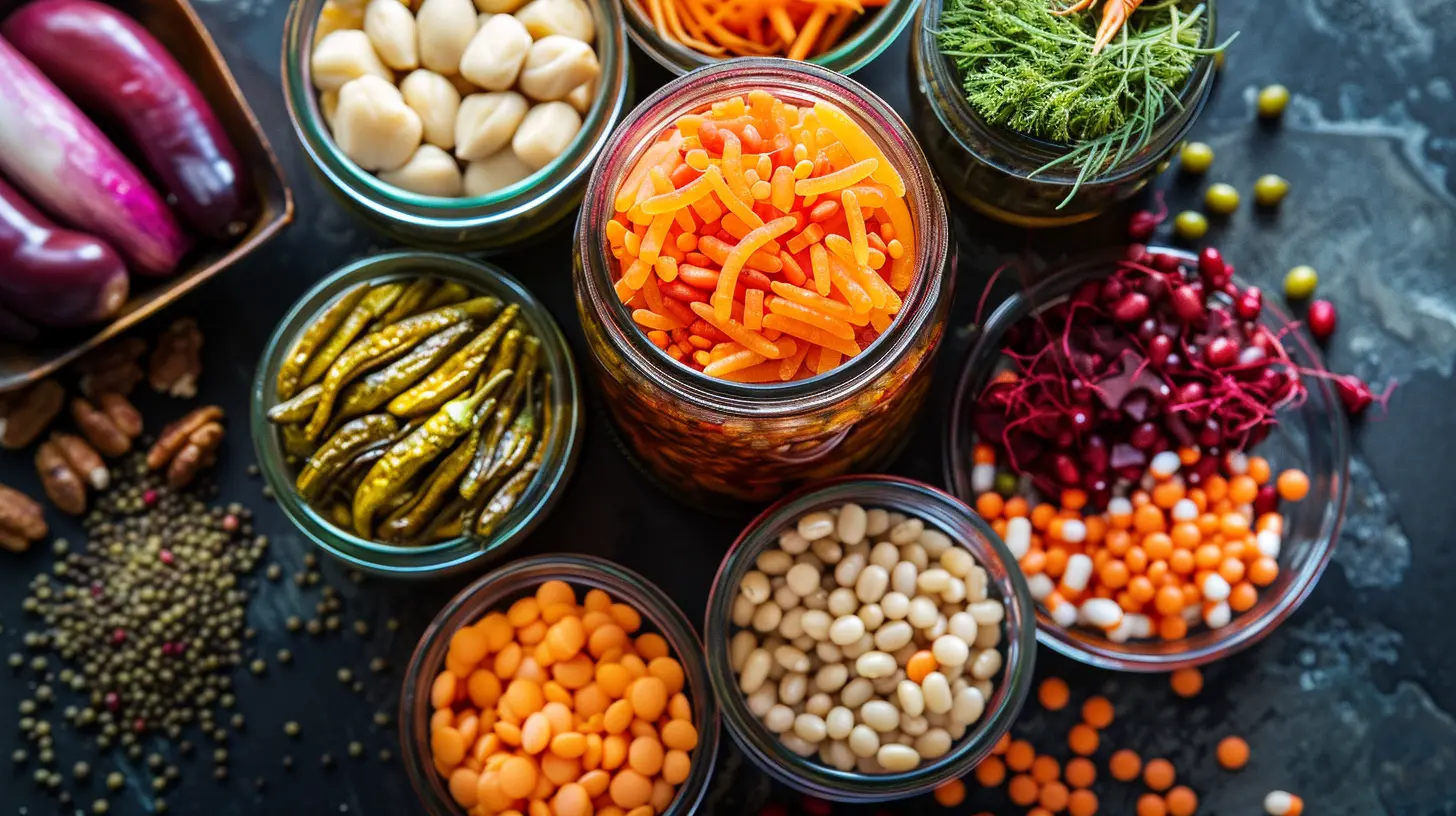
Why Gut Health Matters More As You Age
Did you know your gut actually plays a role in way more than just digestion? It’s tied to your immune system, mental clarity, energy levels, and even your mood. That’s right—your gut can affect how you feel emotionally and physically.As we age, the balance of good and bad bacteria in our gut tends to shift. This can lead to:
- Digestive troubles like bloating, constipation, or even diarrhea
- Weakened immunity, making you more prone to infections
- Nutrient absorption issues, which may lead to deficiencies
- Increased inflammation, a common root of many age-related diseases
This is why paying attention to your gut health isn’t just about avoiding tummy trouble—it’s central to aging well.
The Aging Gut: What's Really Going On?
Aging naturally brings changes in the gut microbiome—that’s the fancy term for all the microorganisms living in your digestive tract. Here’s what’s happening under the hood:- Diversity decreases: A youthful gut tends to have a rich variety of bacteria. As you age, that diversity shrinks. And less variety often means less resilience to health issues.
- Slower digestion: Your stomach produces less acid, and your intestines might slow down, making digestion less efficient.
- Medication overload: Many older adults take medications that can disrupt gut balance, like antibiotics, NSAIDs, or proton pump inhibitors.
- Diet changes: Seniors might cut back on fiber, fruits, or fermented foods—either for convenience or due to chewing/swallowing issues—which affects gut health.
It’s like your gut used to be a bustling city full of helpful citizens, and now some have moved out. Time to invite them back in.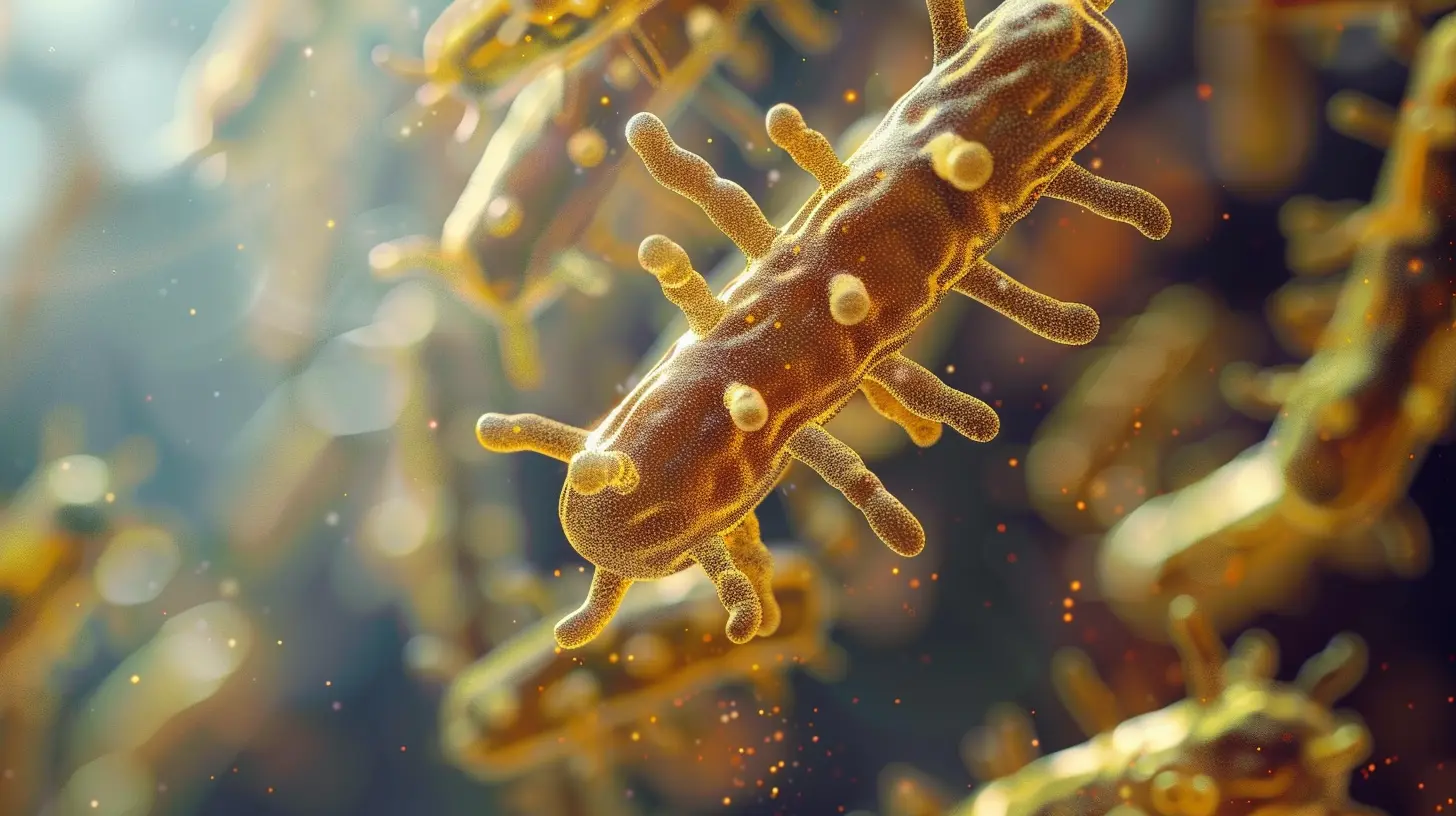
How Probiotics Help the Aging Gut
Now that we’ve painted the picture, let’s talk solutions. Probiotics can help restore this microbial balance and bring numerous benefits to your health as you age.1. Better Digestion
Probiotics aid in breaking down food, improving nutrient absorption, and easing common digestive complaints like gas or constipation. Especially strains like Lactobacillus acidophilus and Bifidobacterium lactis can help keep things moving smoothly.2. Stronger Immune System
Did you know 70% of your immune system lives in your gut? A healthy microbiome can better fight off illness, infections, and inflammation. As you get older, that extra immune support from probiotics can really make a difference.3. Reduced Inflammation
Chronic inflammation is linked with many aging-related conditions like arthritis, heart disease, and Alzheimer’s. Some probiotic strains have anti-inflammatory properties, helping to reduce the “silent fire” that can burn beneath the surface.4. Improved Mental Health
The gut-brain connection is real. Gut bacteria produce neurotransmitters like serotonin, which plays a role in mood. So, by improving gut health, probiotics may help ease anxiety, mild depression, or even cognitive decline.5. Enhanced Nutrient Absorption
As digestion slows, absorbing key nutrients like calcium, magnesium, and B vitamins becomes tricky. Probiotics support gut lining integrity and enzyme production, both of which help nutrients get where they need to go.Choosing the Right Probiotic for Seniors
Walking down the supplement aisle can feel like navigating a jungle. So how do you choose the right probiotic? Here are a few tips tailored for golden-aged guts:Look for Targeted Strains
Different strains help with different things. For seniors, focus on these:- Bifidobacterium longum: Supports immune function
- Lactobacillus plantarum: Reduces inflammation and supports digestion
- Lactobacillus reuteri: Helps balance gut flora and even promotes oral health
- Saccharomyces boulardii: Great for managing antibiotic-associated diarrhea
Go for Higher CFUs (But Not Too High)
CFU stands for colony-forming units—the number of live organisms in each dose. For older adults, somewhere between 10 to 30 billion CFUs is usually appropriate. More isn’t always better, so balance is key.Check for Prebiotics
Prebiotics are fibers that feed probiotics—think of them as fertilizer for your internal garden. A supplement that combines both is called a synbiotic and can give you more bang for your buck.Choose Trusted Brands
Stick with manufacturers that do third-party testing and offer clear labeling. Your health is too important for guesswork.Consider Your Health Conditions
If you have specific health concerns like IBS, low immunity, or are taking multiple medications, it’s always smart to talk with your healthcare provider before jumping on the probiotic train.Natural Food Sources of Probiotics
Supplements are great, but don’t underestimate the power of food. Some natural probiotic-rich goodies include:- Plain yogurt with live cultures (watch out for added sugar)
- Kefir (a tangy, drinkable yogurt)
- Sauerkraut (make sure it’s raw and refrigerated)
- Kimchi (if you can handle a spicy kick)
- Miso soup
- Tempeh (fermented soybeans)
- Kombucha (a fizzy fermented tea)
Adding just one or two of these to your diet can be a gentle way to support your gut without popping a pill.
Lifestyle Tips to Keep Your Gut Happy in Your Golden Years
Probiotics are only part of the story. Here are a few simple habits to keep your gut humming and your body thriving:Eat More Fiber
Whole grains, fruits, veggies, legumes—these all feed your good bacteria. Aim for 25–30 grams of fiber daily.Stay Hydrated
Water helps everything move along, literally. Your intestines work best when they’re well-lubricated.Move Your Body
Gentle exercise like walking, yoga, or swimming helps with digestion and circulation. Plus, it benefits mental health too.Manage Stress
Chronic stress messes with your gut bacteria. Meditation, deep breathing, hobbies, or even chatting with a friend can go a long way.Get Your Zzzs
Good sleep = healthy gut. Aim for 7–8 hours of quality shut-eye each night.Real Talk: Are There Any Risks?
For most healthy older adults, probiotics are safe and beneficial. But—and this is important—if you have a seriously weakened immune system, are undergoing chemotherapy, or have major organ issues, always consult your doctor first. Rarely, probiotics may cause infections in these high-risk individuals.The Bottom Line
Your golden years should be about joy, energy, and good health—not battling with digestive issues or constant fatigue. Supporting your gut health with probiotics is a simple, natural way to build a stronger foundation for wellbeing.Think of your gut like a garden. Tend to it. Feed it well. Give it a little love. With the right care, it will flourish—and so will you.
There’s no magic pill to stop aging, but smart choices like adding probiotics to your routine? That’s pretty close to secret sauce.
all images in this post were generated using AI tools
Category:
ProbioticsAuthor:

Eileen Wood
Discussion
rate this article
2 comments
Russell McKinnon
Great insights! Embracing probiotics can really make a difference for a happy, healthy gut as we age!
April 8, 2026 at 3:16 PM
Eileen Wood
Thanks for your feedback! Probiotics truly play a vital role in maintaining gut health as we age.
Monica McNeely
Prioritize gut health now; your future self will thank you!
March 15, 2026 at 4:19 AM
Eileen Wood
Absolutely! Prioritizing gut health can make a big difference in overall well-being as we age. Thanks for emphasizing its importance!