Preparing Your Body for Fatherhood in 2027
3 September 2026
You have read the pregnancy apps. You have painted the nursery. You have practiced the swaddle on a teddy bear until your partner gently asked you to stop. But here is the question nobody puts on the baby shower registry: what are you actually doing with your own body?
Fatherhood in 2027 is not what it was in 1997 or even 2017. The science has moved past the old assumption that a man just needs to show up with viable sperm and a steady paycheck. Your physical state before conception influences your child's health in ways that would have sounded like science fiction a decade ago. And the demands of modern parenting, with its emphasis on active involvement, emotional availability, and sheer physical endurance, require a body that is prepared for the long haul.
This is not a guilt trip. This is a practical field manual. You do not need to become a marathon runner or a yoga guru. You need to understand what your body is actually doing, what it needs, and how to build a foundation that will serve you and your future child for the next twenty years.

The Sperm Factor: It Is Not Just About Count
Let us start with the obvious biological role. For decades, male fertility was reduced to a single metric: sperm count. If you had enough swimmers, you were fine. If not, you were referred to a specialist and told to wear looser underwear.The reality in 2027 is far more nuanced. Sperm count matters, but so does sperm DNA integrity, epigenetic markers, and the quality of the seminal fluid itself. Your sperm is not just a delivery vehicle for half of your genetic code. It is also a carrier of environmental information. The lifestyle you lead in the three months before conception, the time it takes for a full sperm maturation cycle, directly affects how your child's genes are expressed.
Think of it this way. Your DNA is the hardware. Epigenetics is the software. You cannot change the hardware you were born with, but you can influence how that hardware runs in your offspring. Stress, poor diet, lack of sleep, and exposure to toxins do not just lower your sperm count. They can alter the chemical tags on your DNA that your child will inherit. These tags can influence your child's metabolism, immune function, and even their risk for certain diseases later in life.
What This Means for Your Daily Routine
The good news is that sperm is constantly regenerating. Unlike your neurons or your heart muscle cells, sperm cells are built fresh every seventy-four days or so. This means you have a built-in reset button. If you have spent the last five years living on energy drinks and takeout, you can start making changes today that will be reflected in your sperm quality roughly three months from now.The practical takeaway is to stop thinking about fertility as a binary state. You are not either fertile or infertile. You are on a spectrum, and that spectrum is responsive to your choices. A man who quits smoking and starts eating a Mediterranean diet will not just see a higher sperm count on his next analysis. He will see improved DNA fragmentation scores, which is a measure of how intact the genetic material is inside each sperm cell.
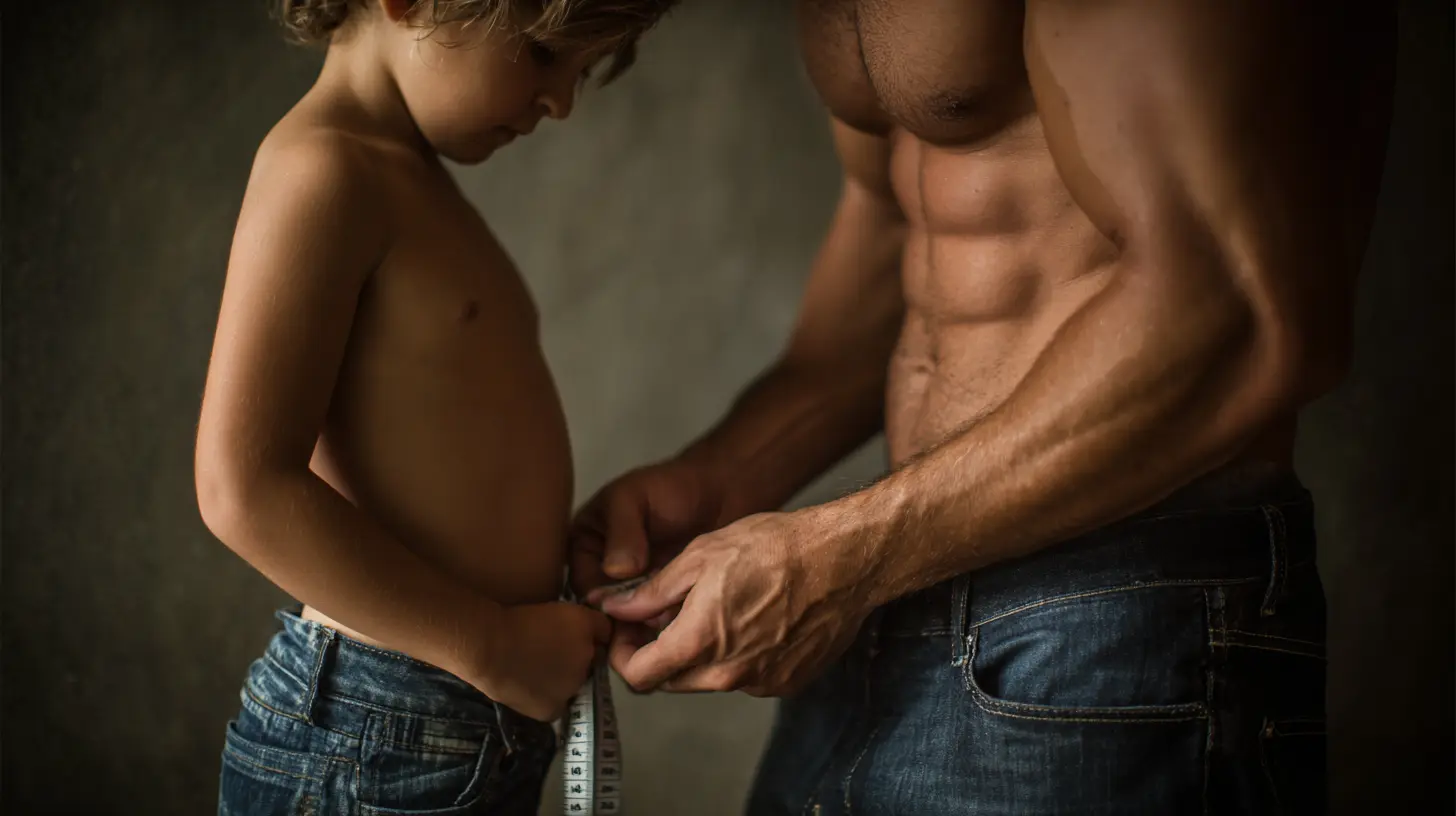
The Cardiorespiratory Baseline: You Will Chase a Toddler
Here is a scenario that no prenatal class prepares you for. It is 3:00 AM. Your eighteen-month-old has decided that sleep is for the weak and is currently sprinting down the hallway wearing nothing but a diaper and a look of pure chaos. You have to catch them before they reach the stairs. Your heart is pounding, your lungs are burning, and you are wondering if you are having a cardiac event or just a normal Tuesday.This is not hyperbole. The physical demands of parenting are real, and they start almost immediately. Carrying a car seat with a ten-kilogram infant inside is a workout. Bouncing a colicky baby for two hours straight is a test of muscular endurance. Chasing a toddler who has discovered the joy of running toward traffic is a sprint interval session you did not sign up for.
Building Your Engine
The cardiovascular system is the engine of your parenting career. You need a baseline level of aerobic fitness that allows you to perform these tasks without feeling like you are going to collapse. This does not mean you need to train for a triathlon. It means you need to build a sustainable aerobic base.The best approach is zone 2 training. This is exercise performed at a conversational pace, where you can talk but not sing. For most men, this is a brisk walk, a light jog, or a cycle on a stationary bike. The goal is to spend at least 150 minutes per week in this zone. This type of training improves your mitochondrial function, which is the energy production system in your cells. Better mitochondria mean better energy availability for the daily grind of parenting.
Do not make the mistake of thinking that high-intensity interval training is superior. HIIT has its place, and we will get to that, but it should not be your only form of exercise. A father who only does HIIT will have excellent short bursts but may lack the steady endurance needed for a long day at the zoo followed by a sleepless night.

Strength Training: The Car Seat and the Crib
Let us talk about the physical mechanics of caring for a newborn. The car seat is the great equalizer. It is awkward, heavy, and designed to be carried at a distance from your body that maximizes strain on your lower back. Then there is the crib. You will be bending over it dozens of times a day, lowering a sleeping baby without waking them, which requires a level of core control that most gym-goers do not possess.The solution is not to avoid these tasks. It is to prepare your body for them. This means a focus on functional strength, not just aesthetic muscle.
The Posterior Chain
Your back, glutes, and hamstrings are the muscles that will save you from injury. The deadlift pattern is the most important movement pattern for a new father. You do not need to lift heavy. You need to lift correctly. Practice the hip hinge. Learn to pick up a car seat from the floor by pushing your hips back and keeping your chest up, not by bending over with a rounded spine.Incorporate kettlebell swings, Romanian deadlifts, and glute bridges into your routine. These exercises train the posterior chain in a way that translates directly to the movements of parenting. They also help counteract the effects of sitting at a desk all day, which has likely shortened your hip flexors and weakened your glutes.
Grip Strength and Carrying Capacity
You will also need grip strength. Carrying a baby in one arm while trying to open a door with the other is a skill that requires forearm endurance. Farmers carries, where you walk while holding heavy dumbbells at your sides, are excellent for this. They also build the stability in your shoulders and core that you will need when your child decides to suddenly lean backward while you are holding them.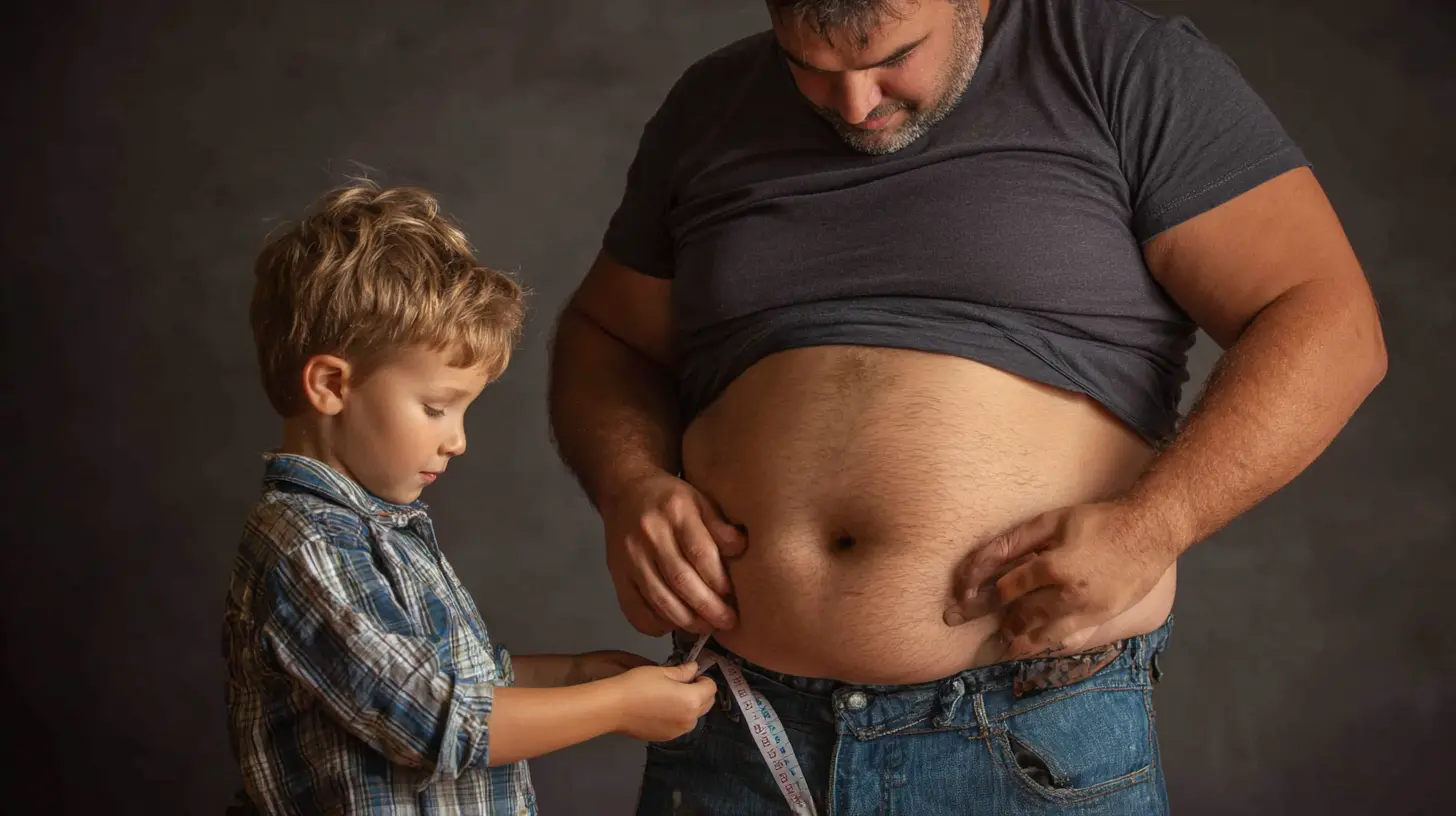
The Sleep Debt Problem: You Cannot Bank Sleep
Here is a common misconception. Many men believe that they can prepare for the sleep deprivation of fatherhood by sleeping extra hours in the weeks before the baby arrives. This is false. You cannot bank sleep like you can bank money. Sleep is not a resource that can be stored for later use.What you can do is improve your sleep quality now, so that you enter fatherhood with a fully functioning sleep system. The goal is to be resilient to the inevitable disruptions that are coming.
Sleep Hygiene as a Fatherhood Prep Tool
Start by treating your sleep schedule with the same seriousness as your work schedule. Go to bed at the same time every night, even on weekends. This reinforces your circadian rhythm, which is the internal clock that regulates your sleep-wake cycle.Create a sleep environment that is cool, dark, and quiet. This is not just about comfort. It is about maximizing the amount of deep sleep you get. Deep sleep is when your body repairs tissue and clears metabolic waste from your brain. If you are not getting enough deep sleep now, you will be running on a deficit when the baby arrives.
Consider a pre-sleep routine that does not involve screens. The blue light from your phone suppresses melatonin production, which makes it harder to fall asleep. Read a physical book, do some light stretching, or practice a breathing exercise. The goal is to signal to your body that it is time to wind down.
Nutrition: Fueling the Future
Nutrition for prospective fathers is not about eating for two. It is about eating for three: you, your future child, and the microbiome that lives inside you. The bacteria in your gut play a role in your immune function, your mood, and even your hormone levels.The Fertility Diet
There is no single magic food that will guarantee a healthy pregnancy. However, there are dietary patterns that are consistently associated with better sperm quality and overall health. The Mediterranean diet is the most well-studied approach. It emphasizes fruits, vegetables, whole grains, legumes, nuts, and fish, with a limited intake of red meat and processed foods.The key nutrients for male fertility include zinc, selenium, folate, and omega-3 fatty acids. These are not supplements to be taken in isolation. They are best obtained from food. Oysters and pumpkin seeds are rich in zinc. Brazil nuts are a potent source of selenium. Leafy greens provide folate. Fatty fish like salmon and sardines supply omega-3s.
The Toxin Load
In 2027, we know more about environmental toxins than ever before. Endocrine-disrupting chemicals, found in many plastics, pesticides, and personal care products, can interfere with hormone function and sperm quality. You do not need to live in a bubble, but you should be aware of your exposure.Switch to glass containers for storing food, especially when reheating. Avoid plastic water bottles that have been sitting in a hot car. Choose produce from the Dirty Dozen list, the fruits and vegetables with the highest pesticide residues, to buy organic. These are small changes, but they accumulate over time.
The Emotional and Mental Body: The Overlooked Component
Your physical preparation is incomplete without addressing your mental and emotional state. Fatherhood is a psychological marathon, and your brain is an organ that requires fuel and maintenance just like your muscles.Stress and Cortisol
Chronic stress elevates cortisol, a hormone that, in high levels, can suppress testosterone production and impair sperm quality. Stress also affects your mood, your patience, and your ability to be present with your partner and child.The best stress management technique is the one you will actually do. For some men, this is meditation. For others, it is a long run. For many, it is simply having a hobby that is completely unrelated to work or domestic responsibilities. The goal is to create a mental space where you are not constantly ruminating on problems.
The Partner Dynamic
Do not forget that you are preparing for fatherhood as part of a team. Your physical health affects your partner. If you are exhausted and irritable, it adds to their burden. If you are strong and capable, you can take on more of the physical tasks, which allows your partner to recover from childbirth.Have honest conversations about expectations. Who will get up for the night feedings? How will you divide household labor? These are not romantic questions, but they are essential for your mental health and the health of your relationship. A father who is physically fit but emotionally absent is not prepared for fatherhood.
The Myth of the Nine-Month Countdown
Many men make the mistake of starting their preparation only when they decide to try for a baby. They think they have a three-month window to fix their sperm and a nine-month window to get in shape. This is a fundamental misunderstanding of how the body works.The truth is that your health today is the result of your habits over the past several years. You cannot undo a decade of poor lifestyle choices in three months. You can, however, start a positive trajectory that will compound over time. The best time to start preparing for fatherhood is not when you are trying to conceive. It is when you are in your twenties, or even earlier.
If you are reading this and you are already trying to conceive, do not panic. The fact that you are reading this article is a sign that you care. Start making changes today. Even small improvements in your diet, exercise, and sleep can have a measurable impact on your fertility within one sperm cycle.
A Balanced View on Supplements and Tests
The supplement industry has latched onto male fertility with a vengeance. You will see advertisements for proprietary blends that promise to double your sperm count and triple your chances of conception. Be skeptical.There is evidence for a few specific supplements. Coenzyme Q10 has shown promise in improving sperm motility. Vitamin D is important for overall health and testosterone production. But these should not be taken without knowing your baseline levels. A blood test can tell you if you are deficient in vitamin D, zinc, or folate. If you are not deficient, taking extra will not help and may cause harm.
The same logic applies to fertility testing. A semen analysis is a useful tool, but it is not a crystal ball. A single abnormal result does not mean you are infertile. Sperm quality fluctuates, and many men with suboptimal parameters go on to conceive naturally. Use testing as a diagnostic tool, not as a source of anxiety.
The Long Game: Health as a Legacy
Here is the most important perspective shift. Preparing your body for fatherhood is not a project with an endpoint at conception. It is the beginning of a lifelong commitment to health that will model behavior for your child.Your child will learn how to eat by watching you. They will learn how to handle stress by observing your reactions. They will learn whether exercise is a chore or a pleasure based on your attitude toward it. If you want your child to be healthy, you have to be healthy. This is not about being a perfect role model. It is about being a genuine one.
The Practical Fatherhood Workout Plan
If you are starting from zero, here is a simple weekly template that is realistic for a busy schedule. It is not glamorous, but it is effective.Monday: Thirty minutes of zone 2 cardio, such as a brisk walk or jog. Follow with ten minutes of mobility work, focusing on hips and shoulders.
Tuesday: Strength training. Focus on the squat pattern. Do three sets of five to eight repetitions of goblet squats or barbell back squats. Add three sets of farmer carries for grip and core.
Wednesday: Rest or active recovery. Take a twenty-minute walk after dinner. Do not skip this. Recovery is when your body adapts.
Thursday: Thirty minutes of zone 2 cardio. Follow with core work, such as planks and dead bugs.
Friday: Strength training. Focus on the hinge pattern. Do three sets of five to eight repetitions of Romanian deadlifts or kettlebell swings. Add three sets of push-ups or bench press.
Saturday: A longer session of physical activity that you enjoy. This could be a hike, a bike ride, a pickup basketball game, or a swim. The key is that it is fun, so you will stick with it.
Sunday: Full rest. Spend time with your partner. Cook a healthy meal together. Go to bed early.
This plan is not designed to build a bodybuilder physique. It is designed to build a resilient, functional body that can handle the demands of parenting.
Common Mistakes to Avoid
Let us address some of the biggest errors men make when trying to prepare for fatherhood.The first mistake is overtraining. More is not always better. If you are so sore that you cannot pick up a grocery bag, you are not prepared for fatherhood. You are injured. Listen to your body and incorporate rest days.
The second mistake is ignoring pain. A nagging ache in your lower back or knee is not a sign of weakness. It is a warning signal. Address it early with a physical therapist or a qualified trainer. Do not wait until you are holding a newborn and cannot stand up straight.
The third mistake is comparing yourself to other fathers. The man who runs ultramarathons and the man who does yoga are both capable of being excellent fathers. You do not need to match someone else's fitness level. You need to match your own needs and the needs of your family.
The fourth mistake is neglecting your pelvic floor. This is not just for women. Men also have a pelvic floor, and it can weaken with age, poor posture, and heavy lifting. A weak pelvic floor can contribute to urinary issues and lower back pain. Simple exercises like Kegels, which involve contracting the muscles you use to stop the flow of urine, can help.
The Role of the Partner in Your Preparation
Your partner is not your coach, your nutritionist, or your personal trainer. They are your teammate. It is not their job to remind you to exercise or to monitor what you eat. That is your responsibility.However, you should involve them in your goals. Tell them what you are trying to achieve and why. Ask for their support in practical ways, such as planning meals together or scheduling workout times that do not conflict with shared responsibilities. This creates a sense of shared purpose rather than a dynamic where one person is the nag and the other is the slacker.
A Note on Age and Fertility
If you are reading this in your late thirties or forties, you may be concerned about age-related fertility decline. It is true that sperm quality decreases with age, and the risk of certain genetic mutations increases. However, the effect is not as dramatic as it is for female fertility.The good news is that lifestyle factors can mitigate some of the effects of age. A healthy fifty-year-old man who exercises, eats well, and does not smoke may have better sperm quality than a sedentary thirty-year-old who lives on junk food. Age is a factor, but it is not the only factor.
The Financial and Time Investment
Let us be honest about the cost of this preparation. Eating high-quality food is more expensive than eating fast food. A gym membership costs money. Buying organic produce and grass-fed meat adds up. Taking time to exercise and cook means less time for work or leisure.This is a trade-off. You are investing in your future child's health and in your own ability to be an active, present father. The return on this investment is not immediate, and it is not measurable in dollars. It is measured in the ability to run after your child in the park, to carry them on your shoulders for an entire parade, and to be alive and healthy enough to walk them down the aisle or dance at their wedding.
The Final Word
Preparing your body for fatherhood in 2027 is not about achieving perfection. It is about building a foundation of health that will support you through the most demanding and rewarding job you will ever have. It is about recognizing that your body is not just a vehicle for your own life. It is the vessel that will carry your child through their earliest years.Start today. Not tomorrow, not after the holidays, not when you feel more motivated. Start with a walk. Start with a glass of water instead of a soda. Start with going to bed thirty minutes earlier. These small actions, repeated consistently, will transform your health and set the stage for a lifetime of fatherhood.
The baby is not going to wait for you to get in shape. The baby is coming on their own schedule. Your job is to be ready.
all images in this post were generated using AI tools
Category:
Mens HealthAuthor:

Eileen Wood
Discussion
rate this article
2 comments
Korian Porter
Taking care of your health now sets the foundation for being an active and engaged father later.
October 4, 2026 at 2:28 PM
Eileen Wood
Absolutely! Prioritizing health today means a more energetic and present dad in the future.
Drew Robinson
Getting ready for fatherhood is essential. Focus on your health, make time for exercise, eat well, and stay connected with your partner. It makes a big difference.
September 27, 2026 at 3:50 AM