Practicing Body Positivity Through Movement, Not Punishment
18 February 2026
Ever felt like exercise is more of a chore than a celebration? You're not alone. Many of us have grown up with the idea that movement is something we HAVE to do to "fix" our bodies. Gyms, diet culture, and social media often tell us that workouts are a punishment for what we ate or didn’t do. But what if we flipped the script? What if we moved our bodies out of love, not guilt?
That’s where body positivity through movement comes in. It's all about shifting your mindset and reconnecting with your body — not trying to shrink it. Let’s dive into how you can practice body positivity through movement, not punishment, and why it’s time to kiss the toxic “no pain, no gain” mindset goodbye.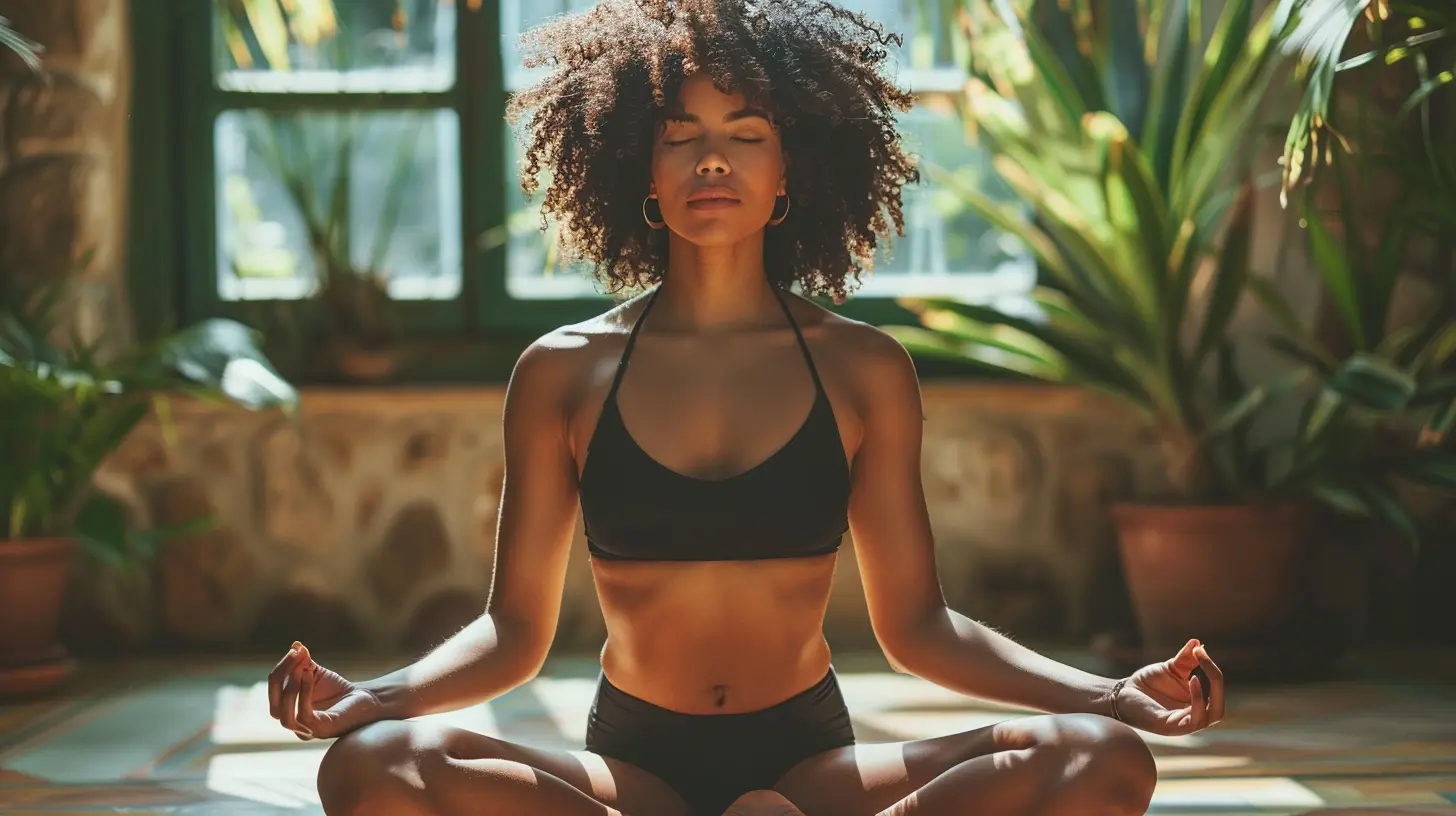
What Is Body Positivity, Anyway?
Before we talk about movement, let’s get clear on what body positivity actually means. Simply put, body positivity is the radical idea (note the sarcasm) that all bodies are worthy of love and respect — regardless of size, shape, ability, or appearance. It’s about rejecting the unrealistic beauty standards we’ve been sold and choosing to show up for ourselves, as we are.But here’s the thing: body positivity isn’t just about loving your body when it looks a certain way. It’s choosing to be kind to your body even when it doesn’t meet the “ideal.” And yes — that includes how we move.
Movement vs. Punishment: The Core Difference
Let’s paint a picture.You eat a slice of chocolate cake and immediately feel the need to “burn it off” with an extra hour on the treadmill. Sound familiar? That’s movement as punishment.
Now imagine this instead: You dance around your living room because your favorite song is on. You go for a walk because the weather feels amazing. You stretch because your body asks for it after sitting all day. That’s movement as joy, freedom, and body love.
The difference is huge.
Movement as Punishment Looks Like:
- Forcing yourself to work out even when your body needs rest- Choosing workouts solely based on calorie burn
- Exercising out of fear or guilt
- Telling yourself you’re “bad” for missing a workout
- Fighting your body instead of listening to it
Movement as Body Positivity Looks Like:
- Moving because it feels good, not because you want to change how you look- Respecting rest days without guilt
- Discovering forms of movement you enjoy
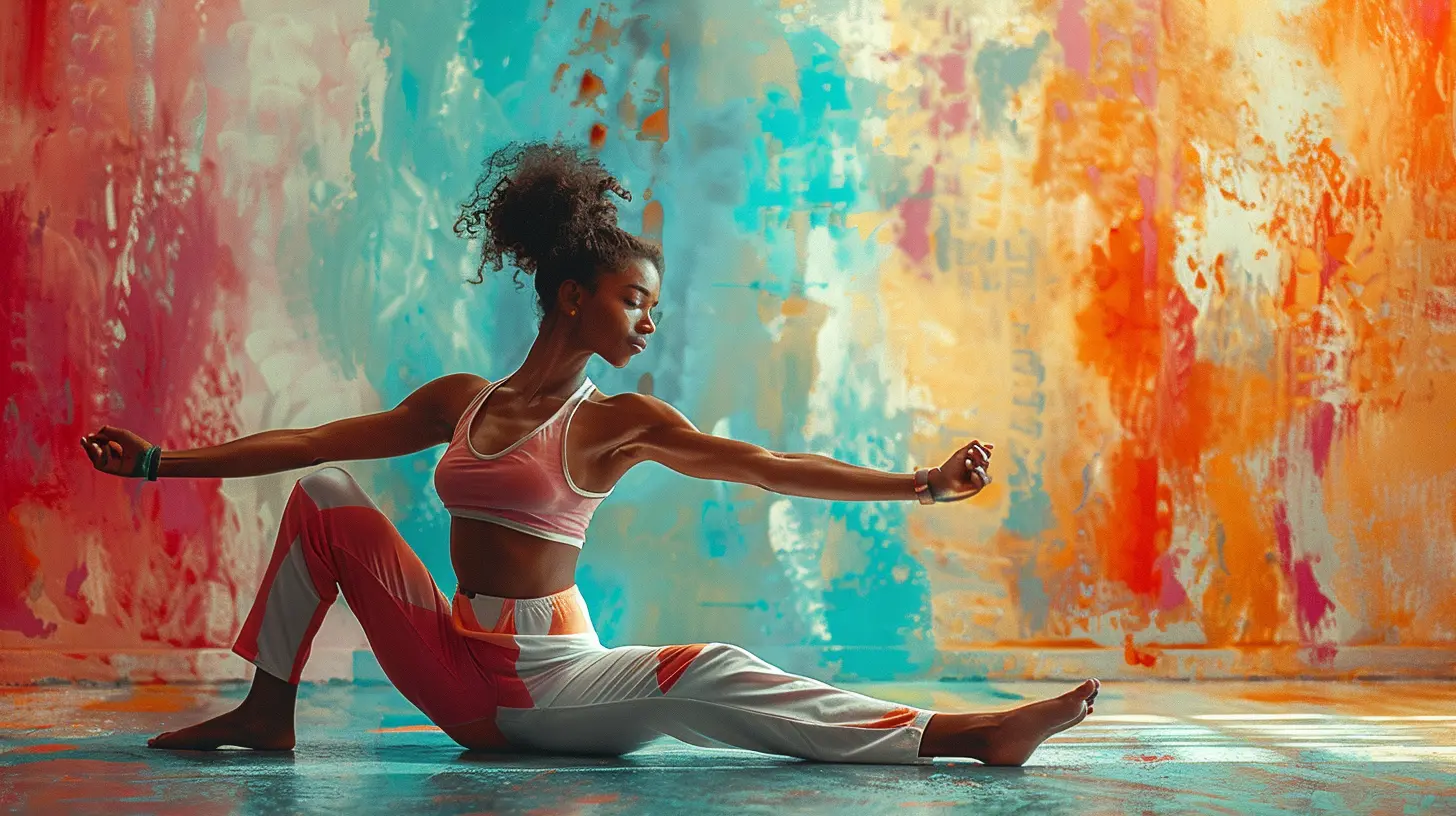
- Reframing exercise as a way to celebrate your body’s abilities
- Honoring your body’s needs on any given day
Why We Equate Exercise with Punishment (And How to Break Free)
Let’s be honest — the fitness and diet industry wants you to feel like you’re never enough. Why? Because insecurity sells. You’re more likely to buy that new workout program or supplement if you believe you need to “fix” yourself.Many of us were taught to link food with guilt and exercise with redemption. That messaging is deeply embedded — from gym class growing up to those “before and after” transformations on Instagram.
But here’s a truth bomb: Movement doesn’t have to be earned. Food doesn’t need to be burned off. Your body deserves care — not because of what you ate, but because you exist.
How to Break Free from Punishment-Based Thinking:
1. Call Out Negative Self-Talk: Become aware of when you’re associating movement with guilt or shame. Would you speak to a friend that way?2. Unfollow Toxic Influences: Curate your social media. If someone makes you feel bad about your body, hit that unfollow button.
3. Redefine What “Fitness” Looks Like: Fitness isn’t one-size-fits-all. It’s not about abs or aesthetics — it’s about how your body feels.
4. Set Non-Weight-Based Goals: Want more energy? Better sleep? Less stress? Those goals matter way more than the number on the scale.

Finding Joy in Movement: What That Actually Looks Like
Okay, so we’ve established that movement doesn’t have to suck. So what does joyful, body-positive movement really look like?Spoiler alert: It’s different for everyone.
Some Ideas to Get You Started:
- Dance in your kitchen: No choreography needed, just vibes.- Take a nature walk: No apps tracking your steps, just you and the trees.
- Try a low-impact workout: Think yoga, Pilates, or tai chi.
- Swim for fun, not laps: Feel weightless and free.
- Join a team sport for the community: It’s not about winning — it’s about connection.
- Do something totally new: Hula hooping? Rock climbing? Go for it!
The point is to experiment and notice what feels good — emotionally and physically. Your body will tell you if you listen.
Why Rest Is Equally Important
Let’s not forget that rest is a form of movement too — just in a different way. Rest helps your muscles recover, your mind reset, and your body feel respected. In a world that glorifies hustle and burnout, choosing to rest is an act of body positivity.So take that nap. Skip that workout if your body’s not up for it. There’s power in listening to your inner signals rather than external pressure.
Busting Fitness Myths That Breed Shame
Let’s take a minute to debunk some common fitness beliefs that keep us stuck in a punishment cycle.1. “No Pain, No Gain”
False. Pain is your body’s way of saying something’s wrong. Discomfort during a challenge is one thing — but actual pain? Nope. That’s not empowerment; that’s ignoring your boundaries.2. “You Have to Sweat to Make It Count”
Guess what? Walking, stretching, even deep breathing — they all count. Movement isn’t measured by sweat or soreness. If it made you feel better, it matters.3. “You Only Get Results If You Go Hard”
Depends on what “results” you're talking about. If your goal is to reduce stress, improve mood, or feel more connected to your body — you don’t need to go hard. You need to go kind.How Body-Positive Movement Benefits Your Mental Health
When we shift from punishment to pleasure in how we move, we don’t just feel better physically — we heal mentally too.Some Proven Perks of Movement Done with Love:
- Boosts Mood: Movement releases endorphins, those feel-good chemicals that reduce anxiety and depression.- Improves Body Image: Moving your body with kindness helps you appreciate what it can do, not just how it looks.
- Strengthens Mind-Body Connection: Tuning into how your body feels (rather than ignoring it) helps build trust with yourself.
- Reduces Stress: Instead of using movement to beat yourself down, you use it to lift yourself up.
Basically, listening to and loving your body through movement? That’s the ultimate self-care.
Reconnect with Your Body: A Practical Approach
Ready to start practicing body positivity through movement? Here's a gentle, step-by-step approach you can try:Step 1: Pause and Reflect
Ask yourself: How do I feel about movement right now? Do I associate it with guilt, shame, or pressure? Just becoming aware is huge.Step 2: Tune In
Try a body scan. What sensations do you notice? Are you holding tension? Feeling low on energy? Your body gives cues — take time to listen.Step 3: Move Mindfully
Choose one form of movement today that feels enjoyable. Don’t overthink it. No timers, no calorie counters. Just move.Step 4: Practice Gratitude
After movement, thank your body. Thank it for showing up. Gratitude fosters a kind, compassionate relationship with your body.Step 5: Repeat, Not Perfect
Consistency matters, but perfection doesn’t. Some days will be all about rest. Others may include movement. And that’s okay.Embracing Movement as Celebration, Not Obligation
At the end of the day, movement is meant to support you — not punish you. Your body isn’t a project or a problem. It’s your home, your companion, and it deserves care and appreciation.When you move out of love, and not hate, it shows. You glow differently. You feel lighter — not because of the scale, but because of the emotional baggage you’ve dropped.
So let this be your permission slip: Dance because you want to, rest because you need to, and treat your body like the amazing, unique masterpiece it is.
Final Thoughts
Switching from a punishment-based approach to a body-positive way of moving isn't always easy — especially when we’ve been conditioned otherwise. But every step you take (yes, even a literal walk around the block) toward joyful movement is a step toward self-love and freedom.Forget perfection. Focus on presence. Move like you love yourself — and your body and mind will thank you for it.
all images in this post were generated using AI tools
Category:
Body PositivityAuthor:

Eileen Wood
Discussion
rate this article
2 comments
Evren Patel
This article beautifully highlights the importance of embracing movement for joy and health, rather than as a form of punishment. Inspiring perspective!
March 17, 2026 at 4:44 PM
Eileen Wood
Thank you! I'm glad you found the message inspiring. Embracing movement for joy can truly transform our relationship with our bodies!
Violet Snow
This article beautifully emphasizes that movement should be a joyful expression rather than a punishment, promoting body positivity and encouraging a healthier mindset towards fitness.
February 19, 2026 at 4:13 AM
Eileen Wood
Thank you! I'm glad you resonate with the message of joy and positivity in movement.