Natural Home Remedies Your Grandmother Swore By
26 September 2026
Every family has one. A grandmother who kept a jar of honey on the kitchen counter, a bottle of apple cider vinegar under the sink, and a stubborn belief that most modern medicine started in her garden. Some of her remedies sound like folklore. A few of them are surprisingly well supported by science. And a handful of them are genuinely dangerous if you use them the wrong way.
That last point matters, because the popular version of this topic tends to flatten everything into a single pile of harmless folk wisdom. It is not harmless, and it is not all wisdom. The honest picture is more interesting: a set of practices that emerged from real observation, that sometimes overlap with modern pharmacology, and that carry real risks when the reasoning behind them is forgotten.
This article looks at the most common remedies people associate with their grandmothers, explains why each one might work, when it should not be used, and what to watch out for. It is not a substitute for medical care. It is a guide to thinking clearly about remedies that occupy the space between tradition and evidence.

Why Grandmother Remedies Persist
Before dismissing these practices as superstition, it is worth understanding why they survived. Grandmothers were not running controlled trials, but they were running something almost as useful: decades of observation on the same small population, with feedback loops that were slow but real.If a poultice seemed to help a wound heal, that observation got repeated. If a tea made a cough worse, it got dropped. Over generations, this produced a rough filter that kept some genuinely useful practices and discarded many useless ones. The problem is that observation without controls is easy to fool. A remedy given at the start of an illness will often appear to work simply because most illnesses improve on their own. That is why tradition is a starting point for investigation, not a conclusion.
The remedies that tend to hold up under modern scrutiny share a pattern. They usually involve substances with measurable biological activity, they are used in ways that limit harm, and they address conditions that the body can plausibly resolve with a little support. The ones that fail tend to be either inert or actively risky.
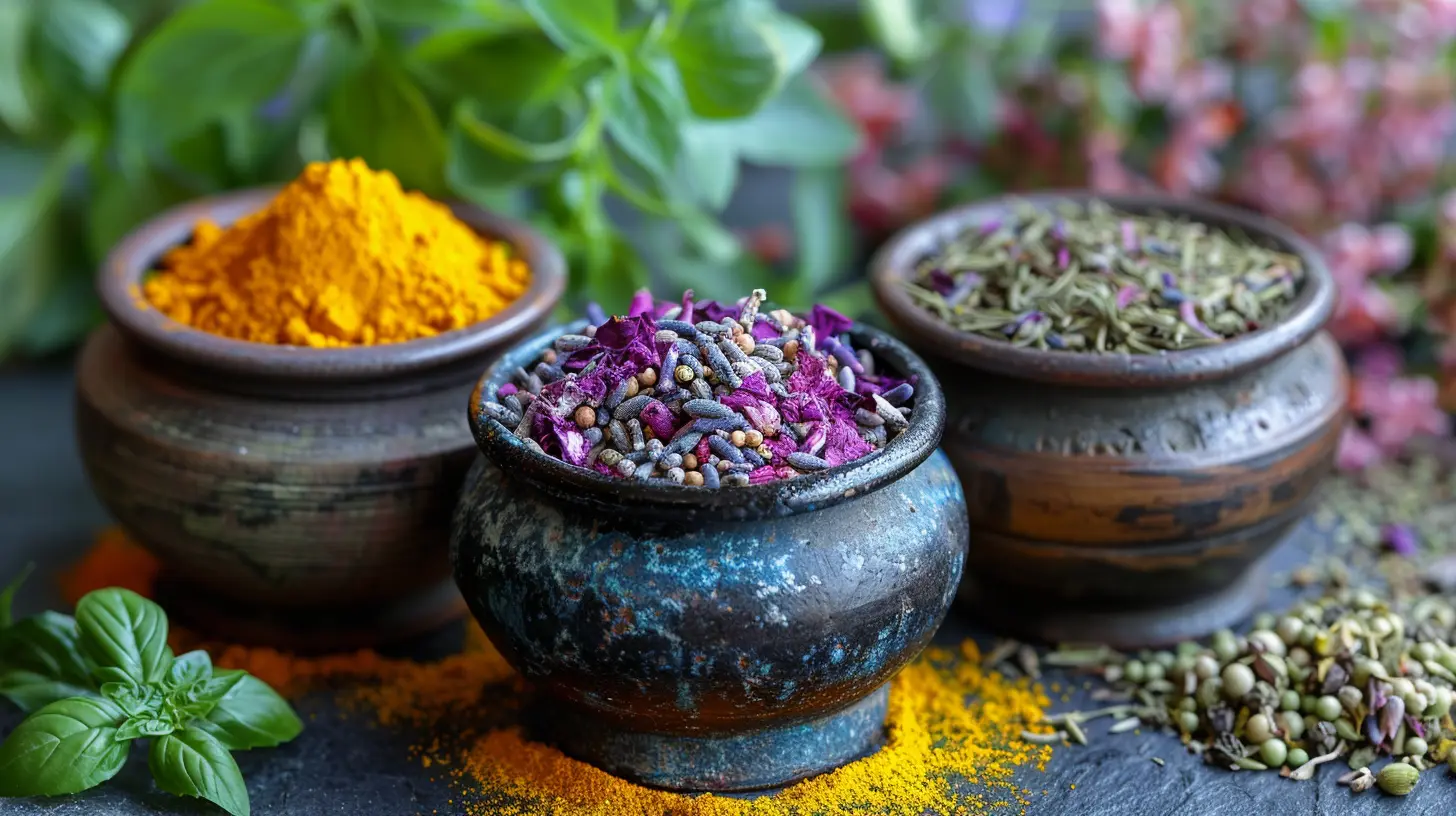
Honey for Coughs and Wounds
Honey is probably the most defensible remedy on this list, and it has an unusual distinction: it appears in modern clinical guidance, not just in family stories.Why it works
Honey is a supersaturated sugar solution with very low water activity. Bacteria need water to grow, and honey essentially withholds it. It also has a low pH, typically between 3.2 and 4.5, which is hostile to many microbes. On top of that, honey produces small amounts of hydrogen peroxide through the action of glucose oxidase, an enzyme bees add during production. These properties explain why honey has been used on wounds for thousands of years and why medical-grade honey products exist today.For coughs, the mechanism is different and less about killing anything. A spoonful of honey coats the throat, which reduces irritation, and the sweetness itself appears to trigger a reflex that calms the cough response. Several studies have found honey performs at least as well as common over-the-counter cough suppressants for nighttime cough in children over one year old.
When to use it and when not to
For adults and children over one year, a teaspoon of honey for a cough is reasonable and low risk. The critical exception is infants under twelve months. Honey can contain spores of Clostridium botulinum, which can germinate in an infant's immature gut and cause infant botulism. This is not a theoretical concern. It is a well-documented and potentially fatal risk, and it is the single most important warning in this entire article.For wounds, ordinary kitchen honey is not the same as medical-grade honey. Store-bought honey can carry environmental contaminants and is not sterilized. For minor scrapes, it is unlikely to cause harm, but for anything deeper, use a proper wound care product or see a clinician. People with compromised immune systems should be especially cautious.
Practical notes
Raw or unprocessed honey is not automatically better for medicinal use. In fact, raw honey is more likely to contain unwanted microbes. What matters is the source and handling, not the marketing label. If you are using honey for a cough, a simple pasteurized product from a reputable brand works fine.
Apple Cider Vinegar: Useful, Overhyped, and Sometimes Harmful
Apple cider vinegar has become the internet's favorite remedy, which is exactly why it deserves scrutiny. The gap between what people claim and what the evidence supports is wide.What it can actually do
The most defensible use of diluted apple cider vinegar is minor and practical. Its acidity can help with certain skin and scalp issues, and some people find diluted vinegar rinses helpful for dandruff, which is often driven by a yeast that dislikes acidic environments. There is also modest evidence that vinegar consumed with a meal can blunt post-meal blood sugar spikes in some people, though the effect is small and not a substitute for managing diabetes.Claims about weight loss, detoxification, and curing infections are not supported in any meaningful way. Vinegar does not burn fat. The body does not need help detoxifying in the way these claims suggest. And drinking undiluted vinegar will not cure a systemic infection.
The real risks
Undiluted apple cider vinegar is acidic enough to damage tooth enamel and irritate or burn the esophagus. People have reported throat burns after swallowing it straight or taking capsules that lodged in the throat. If you use it, dilute it, use a straw, and rinse your mouth afterward. Do not take it in pill form without water, and do not lie down right after.There is also a less obvious risk: vinegar can interact with certain medications and affect potassium levels when consumed in large amounts over time. If you take diuretics, insulin, or digoxin, talk to a clinician before making vinegar a daily habit.
The honest verdict
Apple cider vinegar is a reasonable condiment with a few narrow uses. It is not a cure-all, and treating it like one can cause real harm. Grandmother's version, a spoonful in water before dinner, is relatively safe. The modern version, a daily shot of undiluted vinegar, is where people get into trouble.
Ginger for Nausea and Digestion
Ginger is one of the few remedies where the evidence is strong enough that mainstream medicine has largely accepted it. It is used for nausea in pregnancy, motion sickness, and post-operative settings.Why it works
Ginger contains gingerols and shogaols, compounds that appear to speed up gastric emptying and reduce the signals that trigger the nausea reflex. It also has mild anti-inflammatory effects. Unlike many remedies, the active compounds are well characterized, and dosing is reasonably understood.Practical use
For nausea, a cup of fresh ginger tea or a small amount of candied ginger often helps. For motion sickness, taking ginger before travel works better than taking it after symptoms start. For pregnancy-related nausea, ginger is generally considered safe in food amounts and modest supplemental doses, but anyone pregnant should confirm with their obstetrician, since even safe remedies can interact with other treatments.Cautions
Ginger has mild blood-thinning effects. People on anticoagulants or preparing for surgery should be cautious with high doses. It can also cause heartburn in some people, which is ironic for a digestive remedy. As with most things, dose and individual response matter.Salt Water Gargle for Sore Throats
This is one of the simplest remedies on the list and one of the easiest to justify.Why it helps
Warm salt water does not kill the infection causing a sore throat. What it does is reduce swelling in the throat tissues through osmosis, which draws fluid out and temporarily eases pain. It also helps clear mucus and irritants. The relief is real but temporary, usually lasting long enough to make swallowing less miserable.How to do it properly
Use about half a teaspoon of salt in a glass of warm water. Gargle for twenty to thirty seconds and spit it out. Do not swallow, especially if you are watching sodium intake. Repeat every few hours as needed. For children, this works only if they are old enough to gargle without swallowing, usually around six or older.When a sore throat needs more than salt
A sore throat with high fever, difficulty swallowing, drooling, or swelling on one side needs medical attention. Strep throat requires antibiotics, and salt water will not touch it. The remedy is for comfort, not treatment.
Chamomile for Sleep and Anxiety
Chamomile tea is the classic grandmother remedy for restlessness, and it has a reasonable basis.The mechanism
Chamomile contains apigenin, a compound that binds to certain receptors in the brain associated with calm and sleepiness. The effect is mild. A cup of chamomile tea is not a sedative, but it can take the edge off and support a bedtime routine.The bigger picture
Part of chamomile's benefit is the ritual itself. A warm drink, a quiet moment, and the expectation of rest all signal to the body that sleep is coming. This is not a placebo trick. Routine and expectation are legitimate parts of sleep hygiene, and chamomile fits into them well.Cautions
People with allergies to ragweed, daisies, or related plants may react to chamomile. It can also interact with blood thinners. If you are pregnant, check with your clinician before using it in large amounts.Turmeric: Real Chemistry, Overstated Claims
Turmeric has moved from spice rack to supplement aisle, and the hype has outrun the evidence.What is plausible
Curcumin, the main active compound in turmeric, has anti-inflammatory properties in laboratory studies. The problem is bioavailability. Curcumin is poorly absorbed on its own, and the body clears it quickly. Adding black pepper, which contains piperine, can increase absorption substantially. Taking it with fat also helps, since curcumin is fat-soluble.What the evidence supports
Some studies suggest curcumin may help with joint pain in conditions like osteoarthritis, though results are mixed and often modest. Claims about preventing cancer, reversing heart disease, or treating depression are not established. Turmeric is a reasonable addition to a diet, and it may offer mild anti-inflammatory support, but it is not a replacement for proven treatments.Cautions
High-dose curcumin supplements can cause digestive upset and can interact with blood thinners. People with gallstones or bile duct issues should be cautious, since turmeric stimulates bile production.
The Remedies Worth Skipping
Not everything passed down is worth keeping. A few common ones deserve a clear warning.Putting butter on a burn
This is a genuine mistake. Butter traps heat in the tissue, which can deepen the burn, and it introduces bacteria. Cool running water for twenty minutes is the correct first response. This is one case where grandmother's advice should be firmly set aside.Rubbing alcohol for fever
Sponging a child with alcohol to reduce fever can cause alcohol poisoning through skin absorption. It is dangerous and should never be done. Fever management should rely on appropriate medication, fluids, and comfort measures.Hydrogen peroxide on wounds
The fizzing looks impressive, but hydrogen peroxide damages healthy tissue and can slow healing. Mild soap and water is better for most cuts. Save peroxide for cleaning surfaces, not skin.Raw milk for health
The claim that raw milk is more nutritious or easier to digest is not supported, and it carries a real risk of serious infections from bacteria like Salmonella, E. coli, and Listeria. Pasteurization does not meaningfully reduce nutritional value.How to Evaluate Any Remedy You Inherit
The most useful thing a grandmother can pass down is not a specific remedy but a way of thinking. Here is a practical framework for evaluating anything you hear.First, ask what the remedy is supposed to do. If the claim is vague, like "boosts immunity" or "cleanses the body," be skeptical. Specific claims can be checked. Vague ones cannot.
Second, consider the mechanism. Does the proposed explanation make biological sense? Honey drawing water out of bacteria is plausible. A tea that "removes toxins" is not, because it does not specify which toxins or how.
Third, weigh the risk. Some remedies are low risk and might help, which makes them reasonable to try. Others carry real danger, especially for infants, pregnant people, or those with chronic conditions. Risk should always come before benefit.
Fourth, look at who benefits from the claim. Grandmother had no financial incentive. A supplement company does. That does not automatically make the claim false, but it changes how much evidence you should demand.
Finally, do not let a remedy delay real treatment. The most common harm from home remedies is not direct toxicity. It is the time lost when someone should have seen a doctor.
Building a Sensible Home Kit
If you want to keep a few of these remedies on hand, focus on the ones with a favorable risk profile and a clear use case.Honey for coughs in anyone over one year. Ginger tea or candied ginger for nausea. Salt for gargling. Chamomile for a wind-down routine. These are low cost, low risk, and reasonable to try.
Keep them in their place. They are comfort measures and mild supportive tools. They are not treatments for infections, chronic disease, or emergencies. The moment a symptom is severe, persistent, or unusual, the remedy is not the answer. The clinician is.
The Real Lesson
Grandmother's remedies are not a secret pharmacy that modern medicine has ignored. They are a mixed inheritance. Some of them, like honey for coughs and ginger for nausea, have earned a place in evidence-based care. Others, like apple cider vinegar shots and turmeric megadoses, are oversold versions of modest effects. A few, like butter on burns and alcohol for fever, are actively dangerous.The useful skill is not memorizing the list. It is learning to tell the three apart. That means asking what the remedy does, why it might work, who it could hurt, and whether it is crowding out something better. Grandmother would probably approve of that kind of thinking. She was, after all, running her own experiments for decades. The least we can do is run them a little more carefully.
all images in this post were generated using AI tools
Category:
Home RemediesAuthor:

Eileen Wood