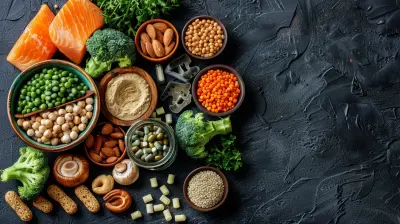
Natural First Aid: What Every Home Should Have
11 October 2026
A child falls off a bike and scrapes a knee. A spouse slices a finger while chopping vegetables. A guest at dinner starts choking. A neighbor knocks on the door with a burn from a hot pan. In each of these moments, the first few minutes matter more than most people realize. What you have on hand, and what you know how to do with it, shapes how quickly a small problem stays small or turns into a trip to the emergency room.
Most homes have a box of bandages and a bottle of something expired. That is not a first aid kit. It is a collection of leftovers. A real kit, built with intention, covers four jobs: stopping bleeding, cleaning and protecting wounds, easing pain and swelling, and handling the handful of emergencies where the wrong move causes harm. This article walks through what belongs in a natural-leaning home kit, why each item earns its place, when it should not be used, and how to avoid the mistakes that send people to the hospital for problems they could have handled at the kitchen sink.
What "Natural First Aid" Actually Means
The phrase gets used loosely. Some people mean a kit with no synthetic chemicals at all. Others mean a kit that leans on time-tested remedies, with conventional items reserved for serious situations. Both are reasonable, but neither should mean rejecting proven medicine out of principle.A useful definition is this: natural first aid favors simple, low-risk interventions first, escalates to stronger measures when the situation demands it, and never lets ideology override safety. Honey on a minor burn is natural. Honey on a third-degree burn is negligence. The distinction is not about ingredients. It is about matching the tool to the injury.
That framing matters because the biggest risk in natural-first-aid thinking is not the remedies themselves. It is the delay. A wound that gets cleaned and covered in five minutes rarely becomes a problem. The same wound left to "air out" for two days while someone debates which salve to use can become an infection that requires antibiotics.
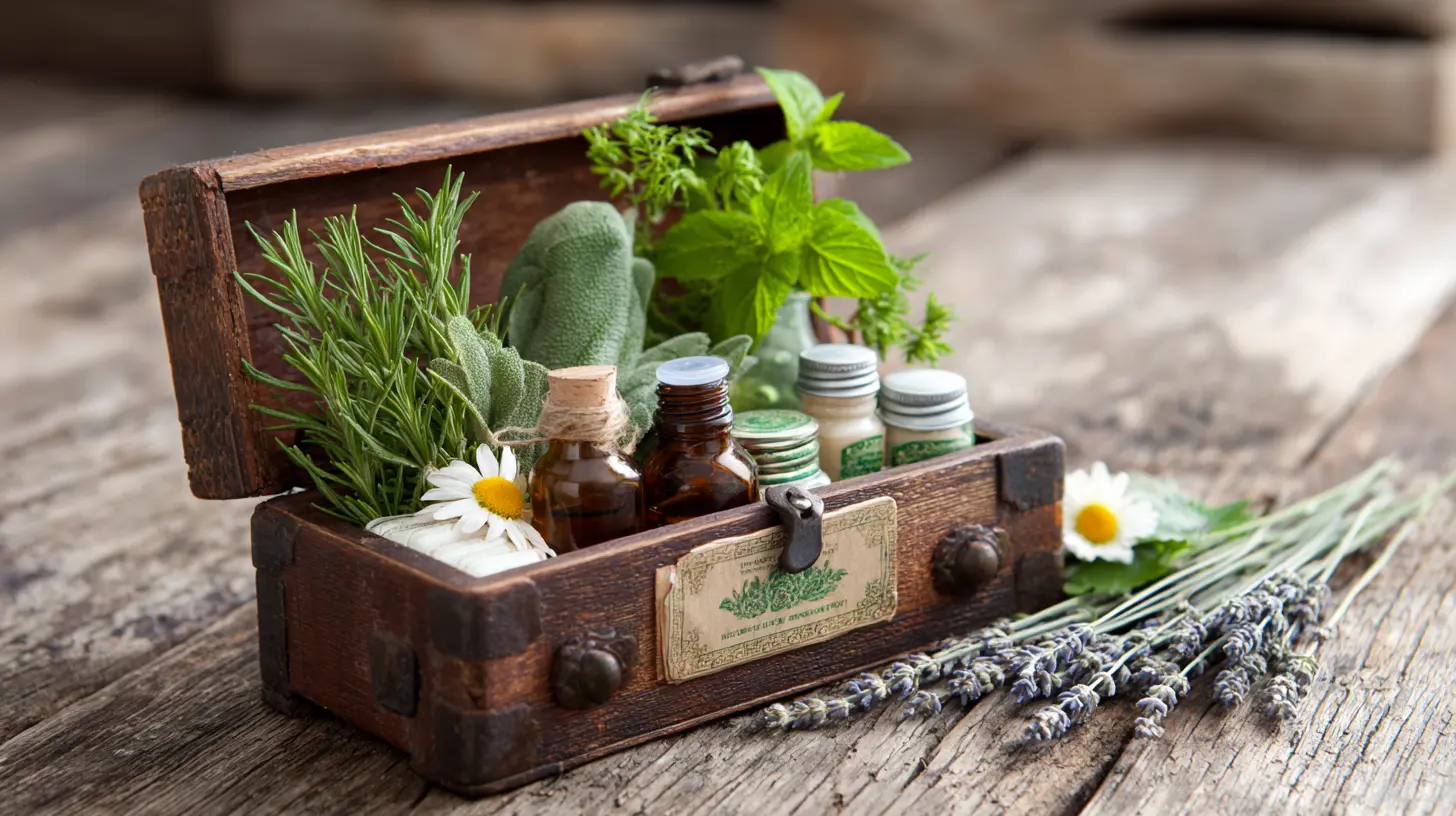
The Non-Negotiables: Items That Belong in Every Kit
Before anything botanical or artisanal, a kit needs the boring essentials. These are not glamorous, but they are the items you will reach for most often.Wound Cleaning and Coverage
Sterile saline solution. Tap water works for most wound cleaning, but saline is gentler on tissue and comes in sealed containers that stay clean. A 500 ml bottle is enough for routine use and lasts months if stored properly.Antiseptic solution. Povidone-iodine or chlorhexidine are the two most studied options. Both reduce bacterial load on intact skin around a wound. Neither should be poured directly into a deep cut, because both can irritate tissue and slow healing. Use them on the skin around the wound, not inside it.
Adhesive bandages in multiple sizes. The standard strip is fine for fingertips. You also want larger pads for palms and knees, and butterfly closures for small cuts that need to be held together. A roll of medical tape and a roll of self-adhering wrap cover the rest.
Sterile gauze pads. These serve two purposes: cleaning and covering. Buy them in 2x2 and 4x4 inch sizes. A box of 25 of each lasts a long time.
Non-stick dressings. These matter more than people expect. A standard gauze pad sticks to a healing wound, and pulling it off reopens the injury. A non-adherent pad prevents that cycle.
Elastic bandage. For sprains, strains, and compression. A 3-inch roll fits most limbs.
Tools
Sharp scissors. Bandage scissors with a blunt tip are safer around skin, especially with children. Keep them clean and dry.Tweezers. For splinters, ticks, and debris. A fine-tipped pair is worth the extra few dollars.
Disposable gloves. Nitrile is the safest default because it avoids latex allergy concerns. Keep at least four pairs.
Digital thermometer. A fever is one of the few objective signs you can track at home. A reliable digital thermometer removes guesswork.
Instant cold pack. For swelling, bruises, and sprains. The chemical kind works once and is convenient. A reusable gel pack kept in the freezer is cheaper over time.
CPR face shield. Small, cheap, and potentially life-saving if you ever need to give rescue breaths.
Medications
Pain and fever relief. Acetaminophen and ibuprofen work differently and cover different situations. Acetaminophen is gentler on the stomach but harder on the liver in overdose. Ibuprofen reduces inflammation, which makes it useful for injuries, but it can irritate the stomach and is not ideal for people with kidney issues or certain ulcers. Having both lets you choose based on the situation.Oral antihistamine. Diphenhydramine or a non-drowsy option like loratadine. Useful for allergic reactions, insect bites, and itching.
Hydrocortisone cream. For eczema flares, insect bites, and mild contact dermatitis.
Antibiotic ointment. A thin layer on minor wounds after cleaning helps prevent infection and keeps the surface moist, which supports healing.
Oral rehydration salts. For vomiting, diarrhea, or heat exhaustion. These replace electrolytes in a balanced way that water alone cannot.
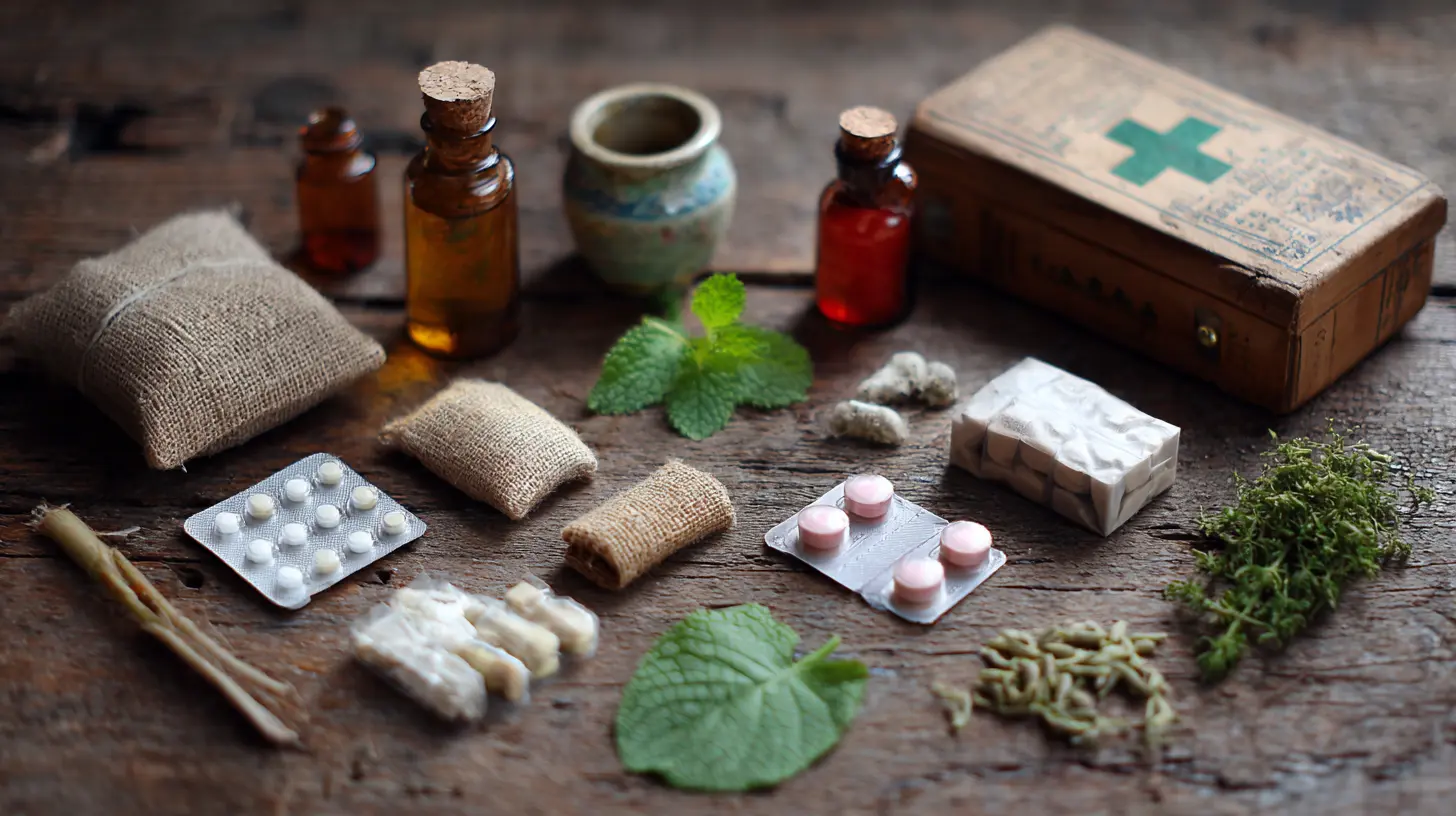
Natural Remedies That Earn Their Place
Once the essentials are covered, a handful of natural items are worth adding. Each one has evidence behind it, a clear use case, and a clear limit.Honey
Honey has been used on wounds for thousands of years, and modern research supports it for certain applications. It is hygroscopic, meaning it draws fluid out of tissue, and it produces low levels of hydrogen peroxide when diluted by wound exudate. Medical-grade honey, often labeled Manuka, is used in some clinical settings for burns and chronic wounds.For home use, a small jar of raw honey can be applied to minor burns and superficial cuts after cleaning. The key word is superficial. Do not put honey on a deep wound, a puncture, or anything that might need stitches. And do not use it on infants under one year, even topically, because of the risk of botulism spores.
Aloe Vera
Aloe gel is soothing for sunburn and minor thermal burns. It reduces pain and inflammation, and it feels cool on contact. What it does not do is speed healing in a meaningful way compared to plain moisturizing. It also should not be applied to open wounds, because the gel itself is not sterile and can introduce bacteria.The practical approach: keep a bottle of pure aloe gel in the refrigerator. Cold aloe on a sunburn is one of the most effective comfort measures available. Use it on intact, reddened skin, not on blistered or broken skin.
Calendula
Calendula ointment or cream is a traditional remedy for minor cuts, scrapes, and chapped skin. It has mild anti-inflammatory properties and is generally well tolerated. It works best as a protective barrier on healing skin, not as a disinfectant. If a wound is contaminated, clean it first, then apply calendula.Arnica
Arnica gel or cream is popular for bruises and muscle soreness. Some studies suggest it may reduce bruising and swelling, though results are mixed. It should never be applied to broken skin, and it should not be taken orally in homeopathic or herbal form without professional guidance, because arnica can be toxic when ingested.Witch Hazel
Witch hazel is an astringent that can soothe minor skin irritation, insect bites, and hemorrhoids. It is gentle enough for most skin types. It is not a wound cleaner and should not be used on open cuts.Epsom Salt
A warm Epsom salt soak can ease muscle aches and draw out minor infections like an ingrown toenail or a splinter that is close to the surface. The evidence for magnesium absorption through skin is weak, but the warmth and the ritual of soaking have real value for comfort. Use it for sore muscles and minor foot issues, not for open wounds or diabetic feet.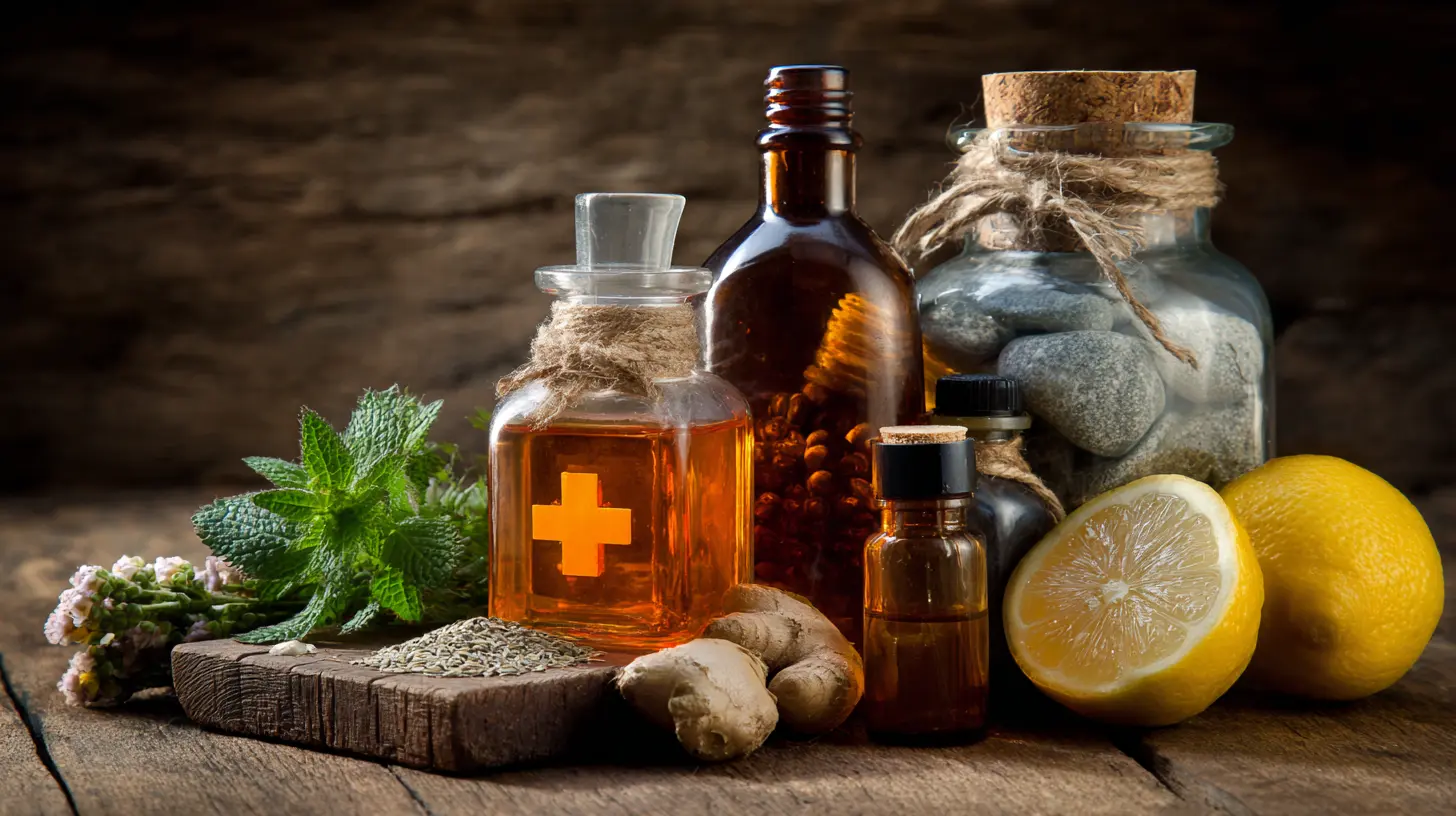
Building the Kit: A Practical Layout
A kit is only useful if you can find what you need in under a minute. That means organization matters as much as contents.The Container
A soft-sided bag with clear compartments works well for a home kit. A hard case is better for a car or a travel kit. Whatever you choose, it should be easy to open, easy to carry, and large enough that you are not cramming items in.The Zones
Divide the kit into four zones:Bleeding and wounds. Gauze, bandages, tape, antiseptic, antibiotic ointment, non-stick dressings, gloves, scissors.
Pain and swelling. Acetaminophen, ibuprofen, cold pack, elastic bandage, arnica gel.
Skin and allergies. Hydrocortisone, antihistamine, aloe, calendula, witch hazel, insect bite cream.
Emergency and tools. Thermometer, tweezers, CPR shield, oral rehydration salts, a printed list of emergency numbers and poison control.
The Checklist
Tape a printed inventory to the inside of the kit. Every six months, go through it. Replace anything expired, restock anything used, and check that batteries in the thermometer still work. A kit that has not been checked in two years is a kit you cannot trust.Common Mistakes and Misconceptions
Mistake 1: Using Hydrogen Peroxide on Every Wound
Hydrogen peroxide bubbles on contact, which feels like it is working. What it is actually doing is damaging healthy tissue along with bacteria. For most minor wounds, plain water or saline is enough. Peroxide has a narrow role, mainly for cleaning debris from a very dirty wound when nothing else is available. It should not be a routine step.Mistake 2: Letting a Wound "Breathe"
The idea that wounds heal faster when exposed to air is outdated. A moist, covered wound heals faster and scars less. Cover minor wounds with a non-stick dressing and change it daily or when it gets wet.Mistake 3: Applying Butter or Oil to a Burn
This is a classic home remedy that does real harm. Butter and oil trap heat in the tissue, deepening the burn. They also create a greasy surface that makes it harder for a doctor to assess the injury later. Cool running water for 10 to 20 minutes is the correct first response. After that, a clean, non-stick dressing.Mistake 4: Ignoring Tetanus Status
A puncture wound from a rusty nail or a deep cut from a garden tool is a tetanus risk. If the person has not had a booster in the last five to ten years, they need one within 48 hours. This is not a situation for natural remedies. It is a situation for a clinic.Mistake 5: Treating a Fever as the Enemy
Fever is a sign that the immune system is working. A low-grade fever in an otherwise alert person does not always need to be suppressed. The goal is comfort, not a specific number on the thermometer. Treat a fever if the person is miserable, not just because it exists. The exception is infants under three months, where any fever is a reason to call a doctor.Mistake 6: Using Essential Oils on Broken Skin
Tea tree oil, lavender oil, and others are often recommended for wounds. Most essential oils are not sterile, and many cause irritation or allergic reactions when applied to broken skin. Diluted tea tree oil has some antimicrobial properties, but it is not a substitute for proper wound cleaning. If you use essential oils, use them on intact skin, well diluted, and never on a deep or open wound.
When to Stop and Get Help
A natural-first-aid kit is not a substitute for emergency care. There are clear situations where the right move is to call for help immediately.- Bleeding that does not stop after 10 minutes of firm, direct pressure.
- A wound that is deep, gaping, or exposes muscle, bone, or fat.
- A burn larger than the palm of the person's hand, or any burn on the face, hands, feet, or genitals.
- A head injury with confusion, vomiting, or loss of consciousness.
- Difficulty breathing, swelling of the face or throat, or a widespread rash after a bite or sting.
- A fever above 103 F in an adult, or any fever in an infant under three months.
- Signs of infection: increasing redness, warmth, swelling, pus, or a red streak moving up a limb.
- A suspected fracture, dislocation, or spinal injury.
In these cases, first aid is about stabilization, not treatment. Keep the person calm, control bleeding if you can, and wait for help.
Tailoring the Kit to Your Household
A kit for a single adult looks different from a kit for a family with toddlers, a household with an elderly parent, or a home with someone who has a chronic condition.With young children. Add a nasal aspirator, children's liquid acetaminophen and ibuprofen, a medicine syringe, and small bandages with fun designs. Children respond better to care when the tools are less intimidating.
With elderly family members. Add a blood pressure cuff, a glucose monitor if relevant, and extra non-stick dressings. Skin becomes thinner with age, and minor bumps bleed more and heal slower.
With pets. Keep a separate small kit for animals. Human medications like ibuprofen and acetaminophen are toxic to dogs and cats. Do not share.
With allergies. If anyone in the home has a known severe allergy, the kit should include prescribed epinephrine auto-injectors, and everyone in the home should know where they are and how to use them.
Storage and Maintenance
Store the kit in a cool, dry place. Heat and humidity degrade medications and sterile packaging. The bathroom cabinet is a common choice, but it is actually one of the worst spots because of steam from showers. A hall closet or a kitchen cabinet away from the stove is better.Check the kit every six months. A good habit is to do it when you change the clocks for daylight saving. Replace expired medications, restock used items, and review the inventory list. If you have children, make sure the kit is out of reach but not locked away so completely that you cannot get to it in an emergency.
The Role of Knowledge
A kit is only as good as the person using it. The most valuable item in any first aid setup is a basic understanding of what to do. A short CPR and first aid course, offered by organizations like the American Red Cross or local community centers, takes a few hours and covers the skills that matter most: choking response, CPR, bleeding control, and burn care.Knowing how to apply direct pressure to a bleeding wound, how to recognize an allergic reaction, and how to assess whether a burn needs medical attention will do more for your household than any single product. The kit supports the knowledge. It does not replace it.
A Final Word on Balance
Natural first aid is not about rejecting modern medicine. It is about knowing which tools are appropriate for which situations, and being honest about the limits of each. A jar of honey and a bottle of saline can handle most of what a typical household encounters. A bottle of ibuprofen and a set of sterile gauze handle the rest. And for the situations that go beyond either, the most important thing in the kit is a phone and the willingness to use it.Build the kit with care. Check it regularly. Learn the skills. And remember that the goal is not to avoid the doctor. The goal is to handle the small things well so that the big things get the attention they deserve.
all images in this post were generated using AI tools
Category:
Home RemediesAuthor:

Eileen Wood