Keto and Heart Health: Myths and Realities Explained
25 April 2026
The ketogenic (keto) diet has been making waves for years, with some saying it’s a miracle for weight loss and others warning it can lead to heart trouble. But what’s the truth? Is keto a heart attack waiting to happen, or can it actually boost heart health? Let's break down the myths and realities behind keto and cardiovascular health once and for all. 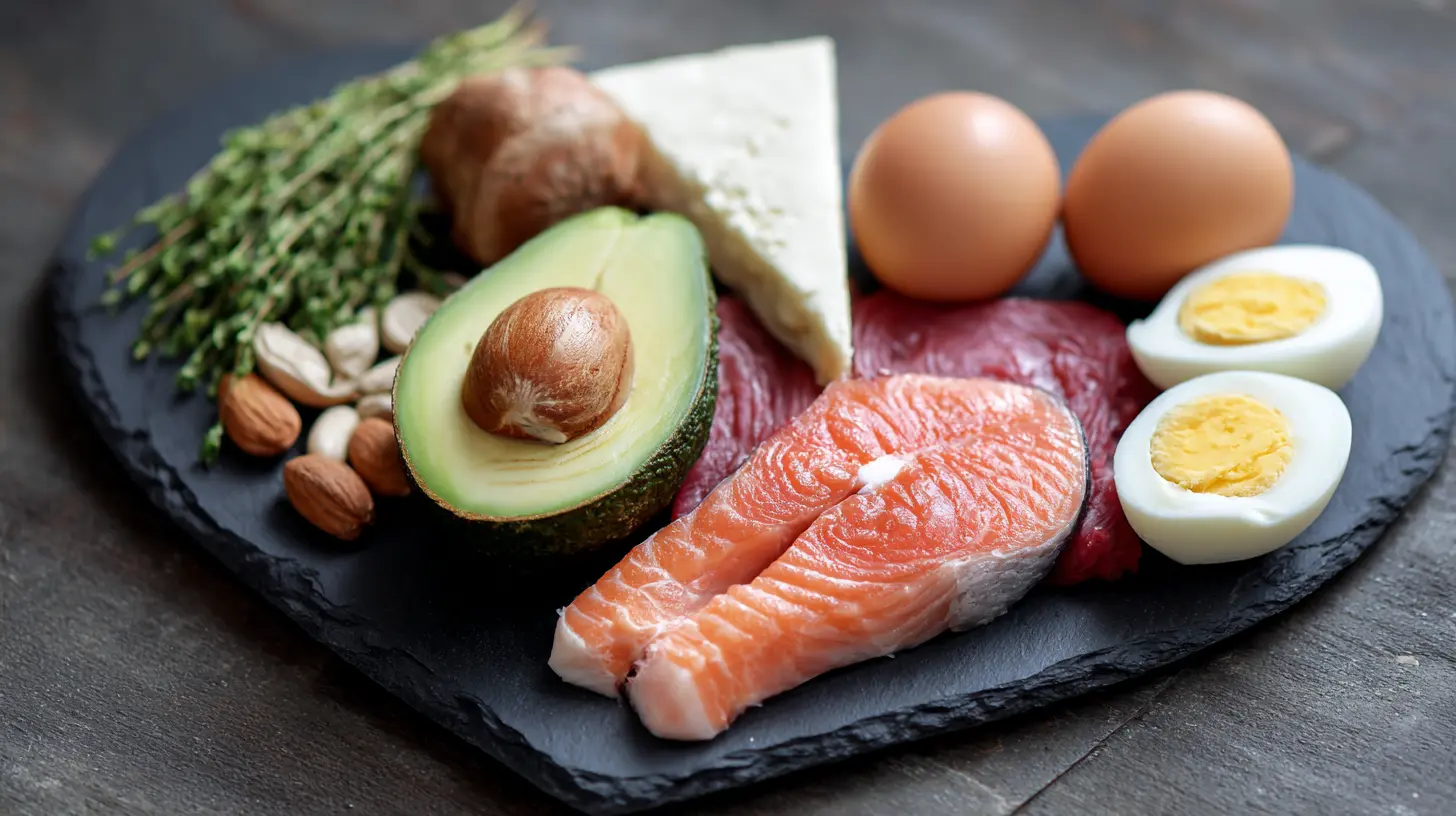
What Is the Keto Diet, Anyway?
At its core, the keto diet is a low-carb, high-fat eating plan designed to shift the body into ketosis—a state where fat becomes the primary fuel source instead of carbohydrates. To get there, most people follow a macronutrient breakdown of:- 70-80% fat
- 10-20% protein
- 5-10% carbohydrates
By drastically reducing carbs, your body starts burning fat for energy, producing ketones as a byproduct. Sounds great for weight loss, right? But what does it mean for your heart? 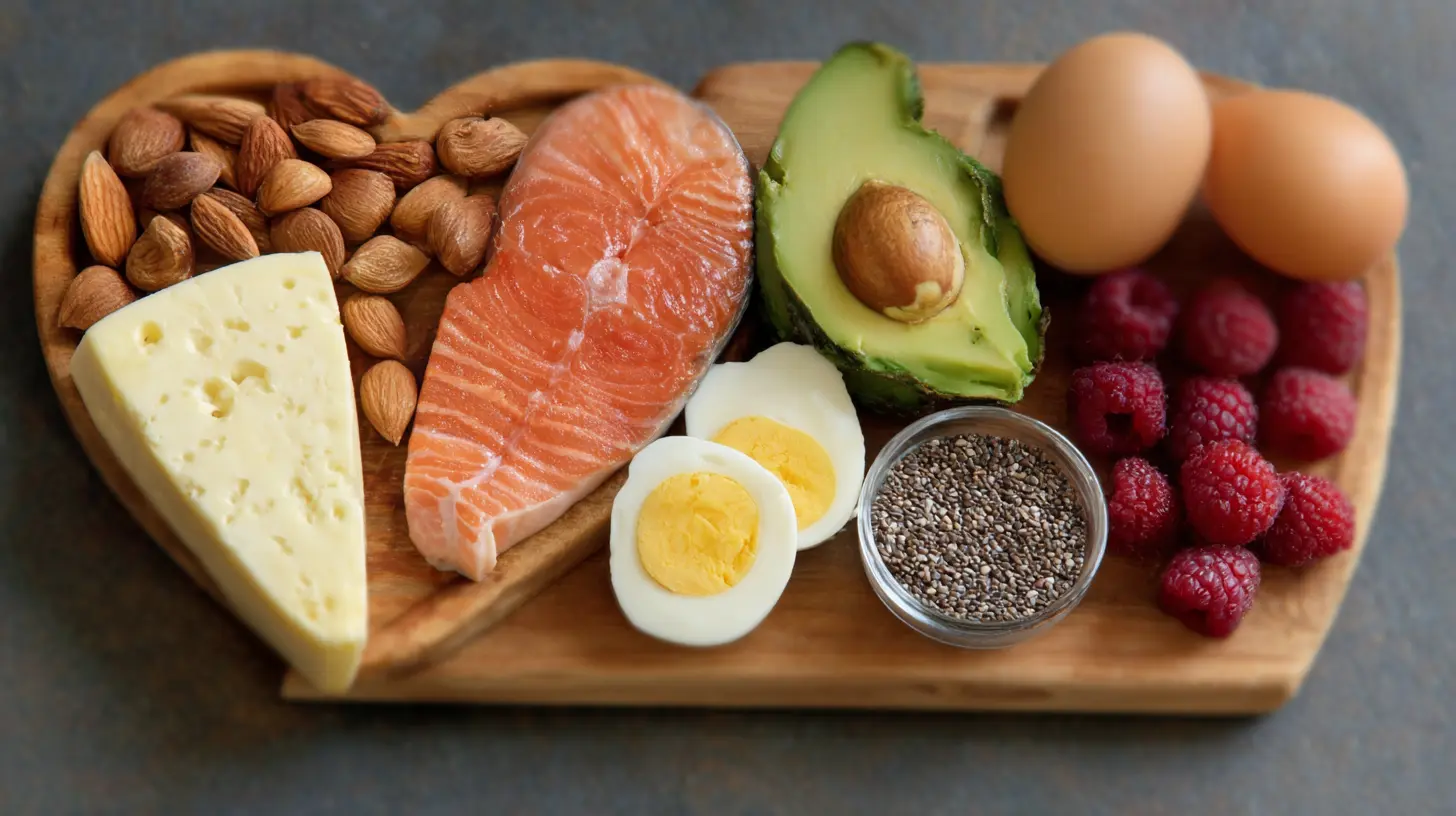
Myths About Keto and Heart Health
Myth #1: A High-Fat Diet Will Clog Your Arteries
For decades, we've been told that eating fat leads to high cholesterol, which then clogs arteries and causes heart disease. But this idea is outdated. Research now shows that not all fats are created equal. Healthy fats—like those found in avocados, nuts, olive oil, and fatty fish—can actually improve cholesterol levels and reduce inflammation.The real culprits of heart disease? Processed foods, trans fats, and excessive sugar intake. If you're following a well-balanced keto diet with healthy fats, your arteries won't be drowning in gunk.
Myth #2: Keto Causes Dangerous Cholesterol Levels
It's true that keto can lead to an increase in LDL ("bad") cholesterol for some people. But here’s the full story—LDL comes in different sizes. Small, dense LDL particles can contribute to plaque buildup, while large, fluffy LDL particles are much less harmful. Studies suggest that keto often raises the larger, less dangerous LDL particles, meaning it’s not necessarily a reason to panic.Moreover, keto tends to raise HDL ("good") cholesterol, which helps remove excess cholesterol from the bloodstream. A better HDL-to-LDL ratio is generally a good thing for heart health.
Myth #3: Keto Leads to High Blood Pressure
High blood pressure (hypertension) is one of the biggest risk factors for heart disease. Many assume that eating more fat will only make it worse, but the opposite is often true.The keto diet promotes weight loss, reduces inflammation, and stabilizes blood sugar levels, all of which can contribute to lower blood pressure. In fact, several studies suggest that keto may help people naturally improve their blood pressure without medication. 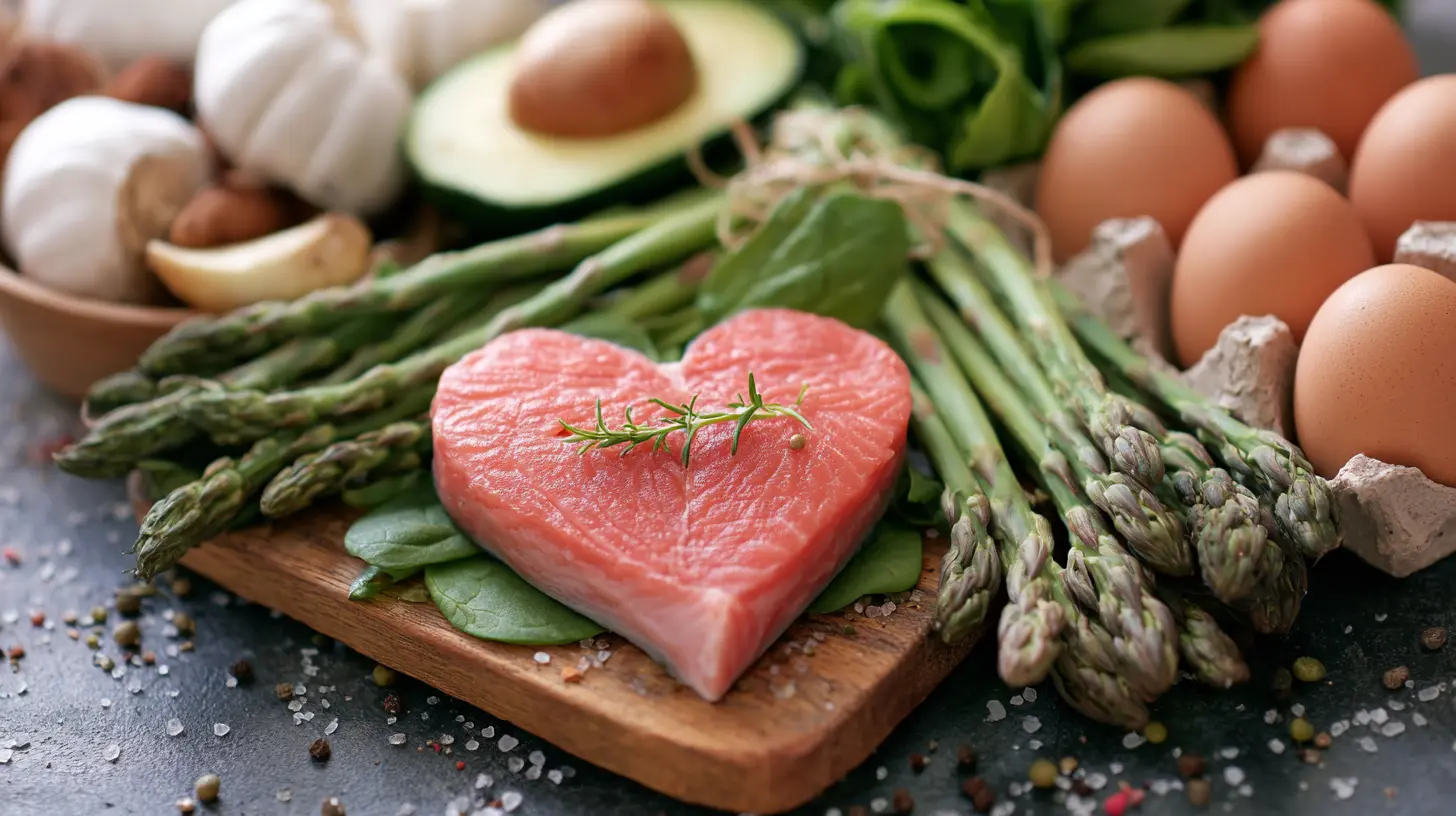
Realities of Keto and Heart Health
Reality #1: Keto Can Improve Good Cholesterol (HDL)
One of the clearest benefits of keto for heart health is its impact on HDL cholesterol. Unlike LDL, which is often misunderstood, higher levels of HDL are a good thing for cardiovascular health. HDL works like a clean-up crew, removing excess cholesterol and reducing plaque buildup in the arteries.Since keto emphasizes healthy fats like olive oil, avocados, nuts, and fatty fish, it often leads to dramatic improvements in HDL levels.
Reality #2: Keto Can Lower Triglycerides
High triglycerides (a type of fat in your blood) are a huge risk factor for heart disease. They’re often elevated due to diets high in sugar and refined carbs. Since keto slashes carb intake, it naturally reduces triglyceride levels as well.Lower triglycerides = a lower risk of heart disease. That’s a big win.
Reality #3: Keto Reduces Inflammation
Chronic inflammation is like a silent fire that slowly damages blood vessels, leading to heart disease over time. One of the biggest benefits of keto is that by cutting out sugar and processed carbs, it helps reduce inflammation in the body.Less inflammation means healthier blood vessels, improved circulation, and a lower risk of heart problems. 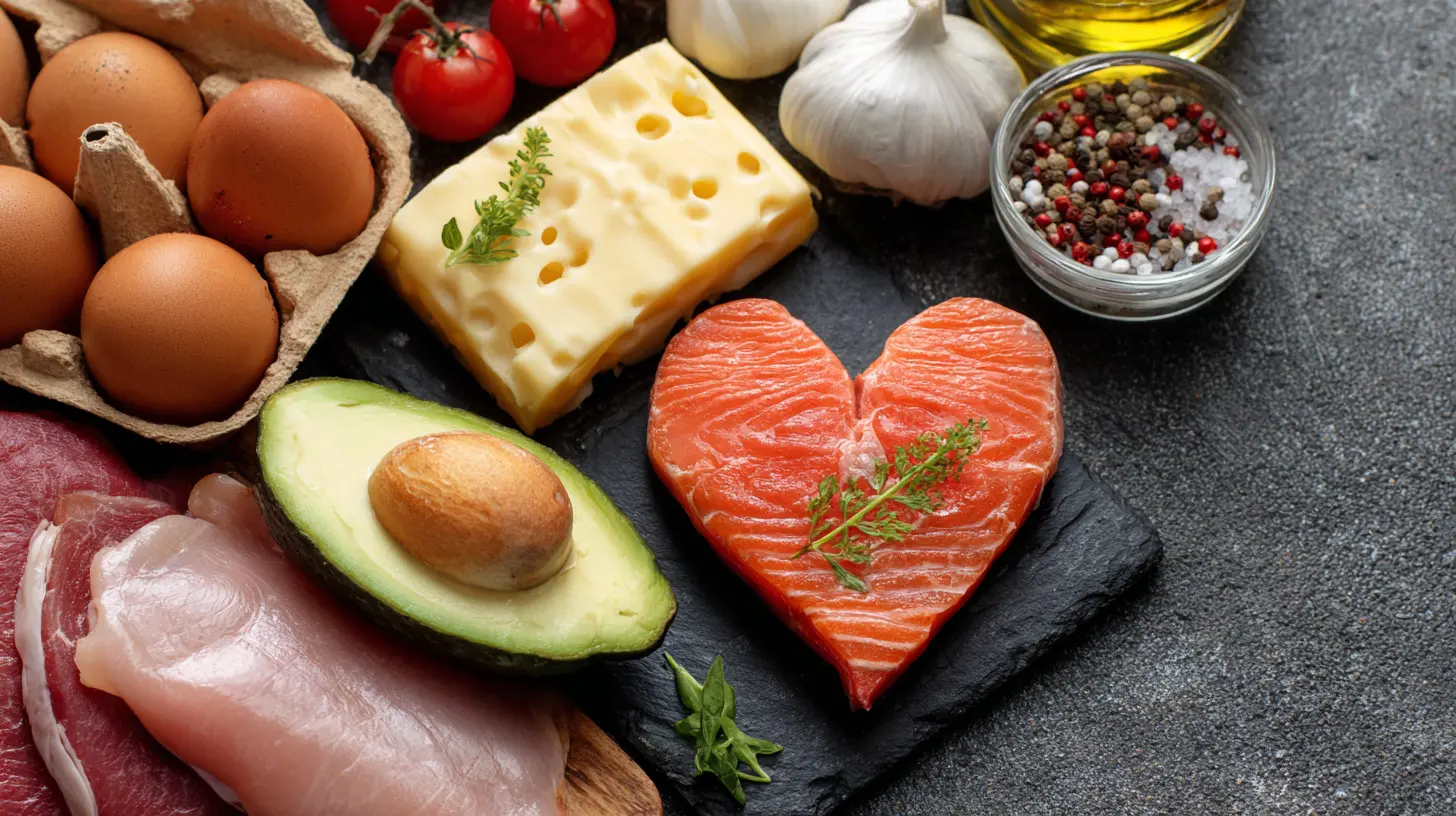
Potential Risks: When Keto Might Not Be Heart-Friendly
While keto has some impressive benefits, it’s not for everyone. Here are some scenarios where keto might not be the best choice for heart health:1. Eating Too Many Unhealthy Fats
Not all fats are good. If your version of keto includes excessive fried foods, processed meats, and unhealthy oils, you could be increasing your risk of heart problems instead of lowering it. Stick to whole, natural sources of fats like extra virgin olive oil, nuts, seeds, and fatty fish.2. Ignoring Fiber Intake
Keto often leads to low fiber intake, especially if people aren’t conscious about eating enough vegetables and seeds. Fiber is crucial for heart health because it helps improve cholesterol levels and supports gut health.Want to stay heart-healthy on keto? Load up on leafy greens, avocados, flaxseeds, and nuts to get enough fiber.
3. Going Keto Without Monitoring Health Markers
For some people, keto can lead to elevated cholesterol levels or other concerns. If you have a history of heart disease or high cholesterol, it’s smart to work with a healthcare professional and monitor blood markers to ensure keto is benefiting (not harming) your heart.The Bottom Line: Keto and Heart Health
So, is keto good or bad for your heart? It depends on how you do it.- A well-balanced keto diet with healthy fats can improve cholesterol, lower blood pressure, and reduce inflammation.
- A poorly executed keto diet loaded with processed meats and unhealthy fats could increase heart risks.
If you're considering keto and have concerns about heart health, the best approach is to listen to your body, monitor health markers, and focus on whole, nutrient-dense foods. After all, the goal isn’t just weight loss—it’s long-term well-being.
all images in this post were generated using AI tools
Category:
Keto DietAuthor:

Eileen Wood
Discussion
rate this article
2 comments
Daniella Heath
This article does a great job of breaking down the complex relationship between keto and heart health. It's so important to separate myths from facts. Your insights can help many people make informed choices about their diets while considering their heart health. Thank you for shedding light on this topic!
August 14, 2026 at 4:07 PM
Eileen Wood
Thank you for your kind words! I'm glad you found the article helpful in clarifying these important points.
Monica Middleton
Is keto the new heart hero or just a culinary conundrum? Let’s unravel the buttery mysteries and see if avocados can really mend our hearts! After all, who knew bacon could spark such passionate debates?" 🥑❤️🥓
April 26, 2026 at 4:59 AM
Eileen Wood
Keto has its perks, but it's not a one-size-fits-all solution for heart health. Moderation and balance matter, even with avocados and bacon. Let's dig deeper into the facts.