How Your Diet Impacts the Effectiveness of Probiotics
11 August 2026
Probiotics get a lot of hype for their gut-healing powers, and rightly so! These beneficial bacteria are like tiny superheroes working tirelessly to keep your digestive system happy. But here’s the kicker—not all probiotics work the same way for everyone. Why? Because your diet plays a massive role in how effective probiotics are in your body!
Yes, you heard that right. What you eat can either help these good bacteria thrive or make it impossible for them to do their job. So, if you're popping probiotic supplements or indulging in yogurt, but not seeing any benefits, your diet might be the culprit.
Let’s dive into why your diet matters and how you can make sure your probiotics are working to their full potential! 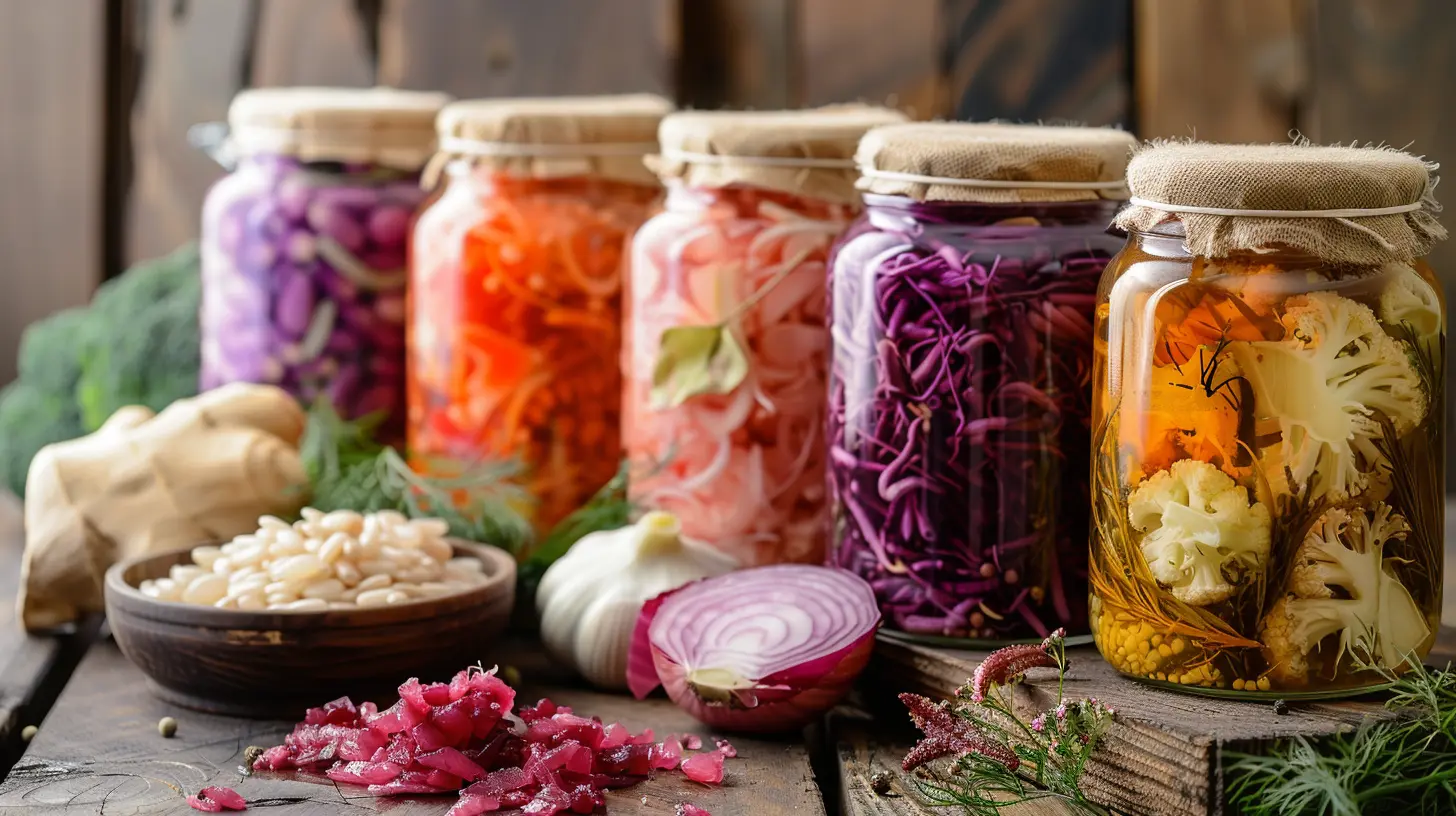
What Are Probiotics and Why Do You Need Them?
Before we get into the diet part, let’s take a quick refresher on probiotics.Probiotics are live microorganisms (mostly bacteria and some yeasts) that provide health benefits when consumed in adequate amounts. They naturally exist in fermented foods like yogurt, kimchi, sauerkraut, and kombucha. Many people also take them as supplements to improve digestion, boost immunity, and even enhance mood.
A healthy gut microbiome (which is the community of microbes living in your gut) is key to overall health. Probiotics help balance this microbiome by fighting off harmful bacteria, improving gut function, and reducing inflammation. But here’s the big question—are you feeding them properly? 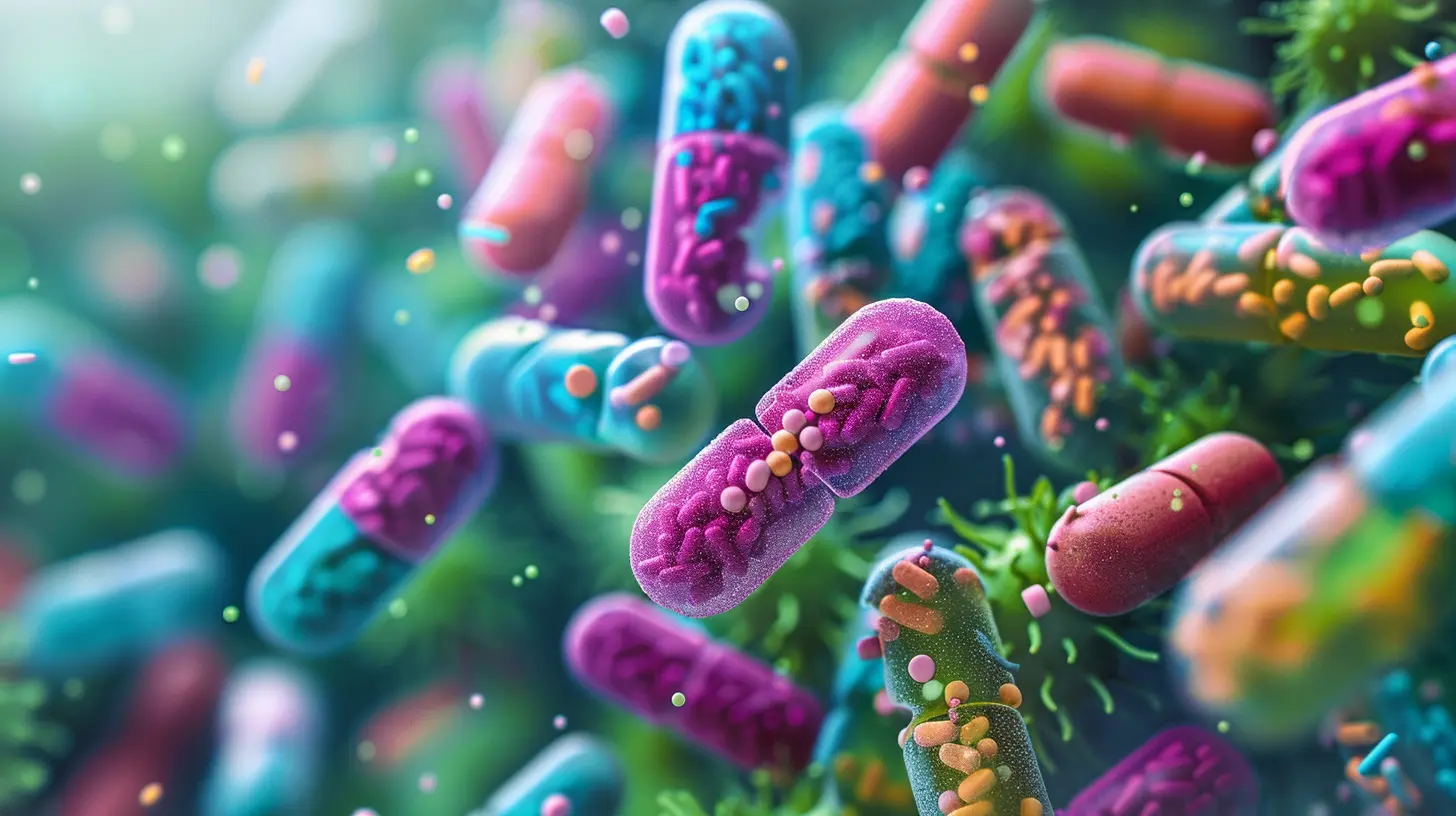
The Relationship Between Diet and Probiotics
Think of probiotics like houseplants. You can buy the best-quality plant from the nursery, but if you don’t water and feed it properly, it’ll wither away. Probiotics need the right kind of food to survive and flourish in your gut.Certain foods promote their growth, while others can hinder their activity or even kill them off entirely. This means that simply consuming probiotics isn’t enough—you need to nourish them with the right diet for them to work effectively.
Let's break down the good and the bad when it comes to probiotic-friendly foods. 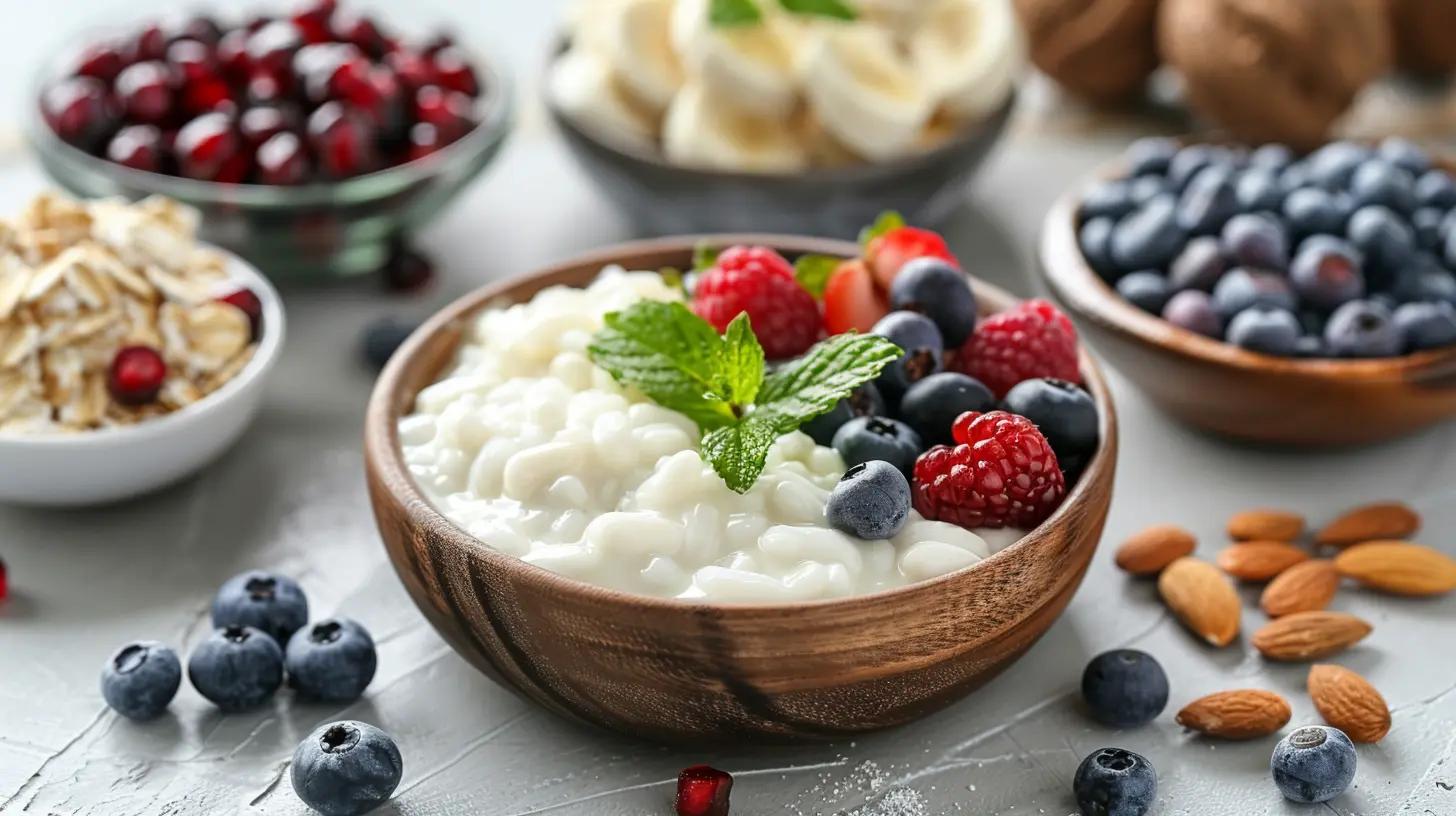
Foods That Help Probiotics Thrive
To make your probiotics work their magic, you need to include certain foods that help them flourish. Here are some of the best choices:1. Prebiotic-Rich Foods (Probiotics' Favorite Food!)
Prebiotics are non-digestible fibers that serve as food for probiotics. In other words, if you don’t eat enough prebiotics, your probiotics might starve!Some excellent prebiotic-rich foods include:
- Garlic
- Onions
- Bananas
- Asparagus
- Leeks
- Apples
- Oats
- Flaxseeds
Including these in your daily diet will feed your good bacteria and help them multiply.
2. Fermented Foods (Natural Probiotics’ Best Friends!)
Probiotics naturally exist in fermented foods, which contain beneficial bacteria that have been cultivated through fermentation. Eating these foods introduces more good bacteria into your gut.Some great options:
- Yogurt (with live cultures)
- Kimchi
- Sauerkraut
- Miso
- Kefir
- Tempeh
- Pickles (naturally fermented, not vinegar-based)
Adding these foods to your diet ensures you’re getting a steady stream of probiotics without relying entirely on supplements.
3. Fiber-Rich Foods (Gut Health Essentials!)
Fiber plays a crucial role in maintaining a healthy gut. It helps probiotics survive by creating an environment where good bacteria can thrive.Top fiber-rich foods for gut health:
- Whole grains (brown rice, quinoa, whole wheat)
- Vegetables (broccoli, carrots, spinach)
- Legumes (lentils, chickpeas, beans)
- Nuts and seeds
A diet high in fiber supports a diverse and strong gut microbiome, making your probiotics more effective. 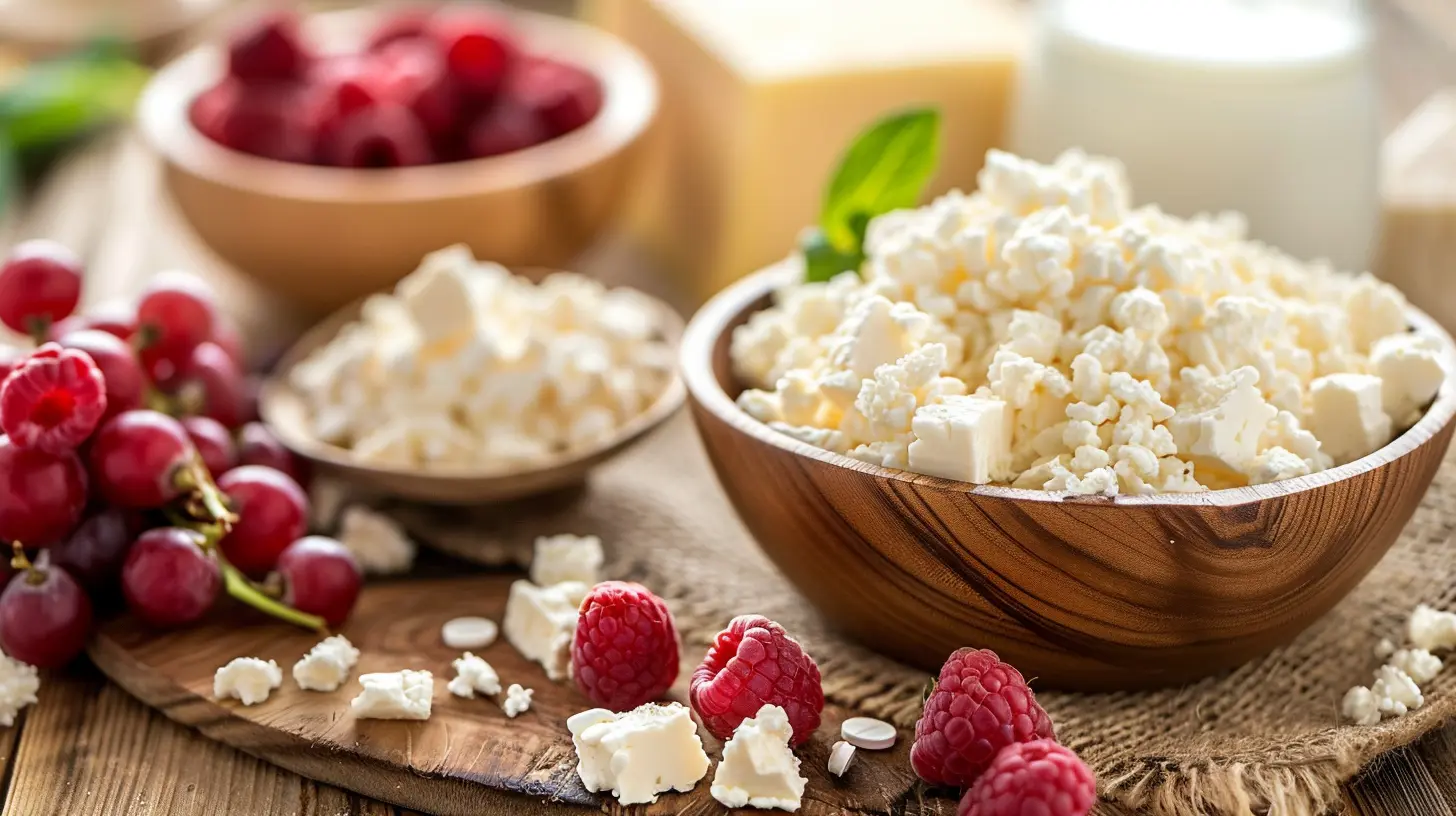
Foods That Can Weaken or Kill Probiotics
Just as there are foods that help probiotics grow, there are also foods that can harm or destroy them. Here’s what you should limit or avoid to keep your good bacteria happy:1. Sugar and Processed Foods (Probiotic Killers!)
Excess sugar and processed foods feed harmful bacteria and yeast in your gut, which can overpower your probiotics. This leads to an imbalance in gut flora, known as dysbiosis, which can cause bloating, digestive issues, and even weakened immunity.Watch out for:
- Sugary drinks (soda, sweet teas, energy drinks)
- Refined grains (white bread, pastries, white rice)
- Processed snacks (chips, candy, fast food)
Cutting back on these will give your probiotics a fighting chance!
2. Artificial Sweeteners (Fake Friends!)
Many people ditch sugar and opt for artificial sweeteners, but guess what? They can be just as bad—or even worse—than sugar when it comes to gut health!Studies suggest that artificial sweeteners like aspartame and sucralose disrupt gut bacteria balance and may even reduce probiotic effectiveness.
If you need a sweet fix, try raw honey, maple syrup, or stevia in moderation instead.
3. Too Much Alcohol (Gut Disruptor!)
Alcohol, especially in excess, can damage the gut lining and kill off beneficial bacteria. While an occasional glass of wine is fine, heavy drinking can significantly reduce probiotic numbers in your gut.If you’re looking to improve gut health, consider cutting back on alcohol or sticking to moderate amounts.
4. Antibiotics (Necessary, But Harmful to Gut Flora!)
Antibiotics are lifesavers in many cases, but unfortunately, they wipe out both harmful and beneficial bacteria. If you’ve recently taken antibiotics, consider increasing your probiotic intake and eating more prebiotic foods to restore gut balance.How to Maximize the Benefits of Probiotics
Now that you know what helps and harms probiotics, here are some pro tips to make sure you’re getting the most out of them:✅ Eat a Balanced Diet
A mix of prebiotics, probiotics, fiber, and whole foods creates the perfect environment for beneficial bacteria to thrive.✅ Drink Plenty of Water
Water helps move fiber through the digestive system, ensuring probiotics can do their job effectively.✅ Reduce Stress
Did you know stress can negatively impact gut health too? Practicing mindfulness, yoga, or deep breathing can help maintain a healthy gut microbiome.✅ Be Consistent
Gut health isn’t built in a day! Regularly consuming probiotic and prebiotic-rich foods is key to long-term benefits.Final Thoughts
Probiotics are amazing for gut health, but they’re only as good as the environment you create for them. Your diet plays a critical role in determining whether these beneficial bacteria survive and thrive or fade away.By eating the right foods—plenty of fiber, prebiotics, and fermented goodies—you’ll supercharge your probiotics and boost your overall health. And by steering clear of sugar, artificial sweeteners, excessive alcohol, and processed junk, you’ll make sure your gut stays happy and balanced.
So, next time you take that probiotic supplement or sip on your kombucha, remember—it’s not just about adding good bacteria; it’s about feeding them right so they can do their job!
all images in this post were generated using AI tools
Category:
ProbioticsAuthor:

Eileen Wood
Discussion
rate this article
1 comments
Emery Diaz
Great article! I always thought probiotics were a magic fix, but now I see how my diet plays a huge role. Time to pay more attention!
August 14, 2026 at 4:07 PM
Eileen Wood
Thanks for your feedback! It's amazing how much our diet influences everything, including probiotics. Good luck on your journey!