How Vitamin E Supports Healthy Reproductive Function
11 September 2026
When it comes to vitamins, Vitamin E often gets overshadowed by the flashier names like Vitamin C or D. But don’t let that fool you—this fat-soluble antioxidant packs a potent punch, especially when it comes to reproductive health. Whether you’re trying to conceive, managing hormone levels, or just looking to keep your reproductive system in peak condition, Vitamin E deserves your attention.
Let’s dig deep into how Vitamin E supports healthy reproductive function—for both men and women—and why adding it to your health routine might just be one of the smartest moves you make.
What Exactly Is Vitamin E?
Okay, so before we dive into the nitty-gritty, let’s first understand what Vitamin E actually is.Vitamin E isn’t just one thing—it's actually a whole group of eight fat-soluble compounds. These are divided into two categories: tocopherols and tocotrienols. Among these, alpha-tocopherol is the most active form in the human body and the one you’ll most often find in supplements.
But what's its main gig? Antioxidant protection. That means it helps combat free radicals (those pesky unstable molecules that can cause cellular damage), and that includes the sensitive cells in our reproductive systems.
Why Reproductive Health Needs A Boost
Let’s be real—modern life isn’t always kind to our bodies, right? Between stress, environmental toxins, poor diet, and lack of sleep, our reproductive systems sometimes get the short end of the stick.Infertility rates are rising globally, and hormone imbalances are more common than ever. This is where Vitamin E steps in like a superhero with a green cape (okay, maybe not literally, but you get the picture).
Vitamin E and Female Reproductive Health
1. Balancing Estrogen and Hormones
Your hormones are like the orchestra of your body—if one instrument is off-key, the whole performance suffers. Vitamin E plays a crucial role in regulating estrogen levels and promoting hormonal balance, especially during menstrual cycles and menopause.A balanced hormonal environment improves ovulation, enhances egg quality, and even supports a regular menstrual cycle. Imagine Vitamin E as the conductor keeping everything in rhythm.
2. Fertility and Egg Quality
You know how eggs are sensitive to oxidative stress? (Yeah, those same free radicals again.) Well, Vitamin E is like a protective shield for your eggs, enhancing their quality and lifespan.It improves blood flow to the uterus, which can make the uterine lining more hospitable for implantation. Several fertility-focused studies suggest that women with higher Vitamin E levels often have better outcomes when trying to conceive.
3. Supporting Pregnancy
Once conception happens, the job's not done. Vitamin E continues to work behind the scenes supporting fetal development. It helps maintain healthy cell membranes and supports the growth of the placenta.And if that wasn’t enough, Vitamin E may even reduce the risk of miscarriages by maintaining progesterone levels, a hormone that plays a key role in sustaining a pregnancy.
Vitamin E and Male Reproductive Health
Let’s not leave the guys out—healthy reproduction is a team effort, after all.1. Improved Sperm Quality
For men, quality matters just as much as quantity. Vitamin E significantly improves sperm motility and viability. Basically, it helps those little swimmers move efficiently and stay alive longer.A study published in the journal "Fertility and Sterility" found that men who took Vitamin E supplements showed improved sperm function and increased chances of conception. If sperm had a personal trainer, it’d be Vitamin E.
2. Reducing Oxidative Stress
Sperm cells are especially vulnerable to oxidative damage because of their high polyunsaturated fat content. That makes antioxidant protection crucial.Vitamin E fights off oxidative damage in sperm, helping to preserve DNA integrity. This not only boosts fertility but also reduces the chances of passing on damaged genetic material to the offspring.
3. Testosterone Production
Here’s a fun fact: Vitamin E is linked to testosterone regulation. And testosterone isn’t just about libido—it's essential for sperm production and overall reproductive function.Deficiencies in Vitamin E have been associated with reduced testosterone levels. So, keeping your E game strong can help maintain hormonal balance in men too.
Can Vitamin E Help With Common Reproductive Issues?
Absolutely. While it’s not a magic potion, it certainly plays a supporting role in managing several reproductive health concerns:✔️ Polycystic Ovary Syndrome (PCOS)
For women dealing with PCOS, Vitamin E can help reduce oxidative stress and inflammation, two major players in the condition. It may also assist in regulating insulin levels, which tend to go haywire in PCOS.✔️ Endometriosis
Vitamin E's anti-inflammatory properties can help alleviate pain and discomfort caused by endometriosis. It may also improve immune response, reducing the chances of tissue growth outside the uterus.✔️ Erectile Dysfunction
Men dealing with ED might benefit from Vitamin E due to its ability to improve blood vessel function. Better blood flow = better performance. It's not a stand-alone fix, but it's definitely part of a holistic approach.How Much Vitamin E Do You Actually Need?
Here comes the practical bit.The Recommended Dietary Allowance (RDA) for adults is:
- 15 mg (22.4 IU) per day for both men and women.
Pregnant and breastfeeding women may need slightly more, but it’s always best to consult a healthcare provider before upping your dose.
The Best Natural Sources of Vitamin E
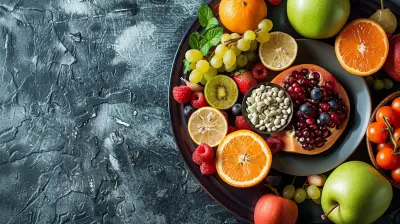
You don’t necessarily have to pop pills to get your daily dose. Here are some delicious E-rich foods you can easily add to your meals:- ? Almonds
- ? Sunflower seeds
- ? Avocados
- ? Salmon
- ? Spinach
- ? Corn oil
- ? Wheat germ oil
Try tossing a handful of almonds into your morning smoothie or drizzling some wheat germ oil over a salad. Small changes, big impact.
Vitamin E Supplementation: Yes or No?
In most cases, getting Vitamin E from food is perfectly adequate. But, if you’re dealing with fertility issues or deficiencies, a supplement might make sense.Here are a few quick tips:
- Look for natural forms like “d-alpha-tocopherol” over synthetic ones (“dl-alpha-tocopherol”).
- Don't go overboard. High doses can cause toxicity. Sticking to under 1000 mg (1500 IU) per day is considered safe for adults.
- Pair it with fat. Because it’s fat-soluble, Vitamin E is best absorbed with dietary fat.
Again, chat with your doctor to figure out what’s best for you.
The Synergistic Squad: Nutrients That Work Well With Vitamin E
Vitamin E isn’t a lone wolf—it works best when teamed up with other nutrients:- Vitamin C: Helps regenerate Vitamin E and boosts its antioxidant power.
- Selenium: Enhances Vitamin E's ability to protect sperm and eggs.
- Zinc: Particularly great for male fertility and works synergistically with Vitamin E.
Think of it as the Avengers of fertility—each nutrient has its own superpower, but together, they’re unstoppable.
Final Thoughts
Vitamin E might not be the first thing you think of when talking about reproductive health, but it should definitely be on your radar. From balancing hormones to improving sperm and egg quality, this antioxidant does a little bit of everything.Still, remember there’s no “one-size-fits-all” magic pill. Healthy reproductive function is about overall wellness—balanced nutrition, regular exercise, stress management, and yes, key vitamins like E.
So whether you're planning for a baby or simply want to support your reproductive systems, make sure Vitamin E has a place on your plate (and maybe your supplement shelf).
Your future self—whether that's a parent, a partner, or just a healthier you—will thank you.
all images in this post were generated using AI tools
Category:
VitaminsAuthor:

Eileen Wood
Discussion
rate this article
2 comments
Rivenheart Mendoza
Vitamin E: Your fertility's secret weapon!
September 13, 2026 at 2:27 PM
Zeno Lynch
Vitamin E is essential for reproductive health and vitality.
September 11, 2026 at 4:01 AM
Eileen Wood
Thanks for highlighting that! Vitamin E truly plays a crucial role in supporting reproductive health and vitality.