How Vitamin C Supports Faster Healing and Recovery
1 April 2026
When it comes to healing, we often think about rest, hydration, or medication. But did you know that a simple vitamin can play a crucial role in speeding up the recovery process? That’s right—Vitamin C is more than just an immune booster. It supports tissue repair, reduces inflammation, and helps wounds heal faster.
So, whether you’re recovering from an injury, surgery, or just dealing with sore muscles after a workout, getting enough Vitamin C can make a big difference. Let’s dive into how this powerhouse nutrient helps with healing and recovery. 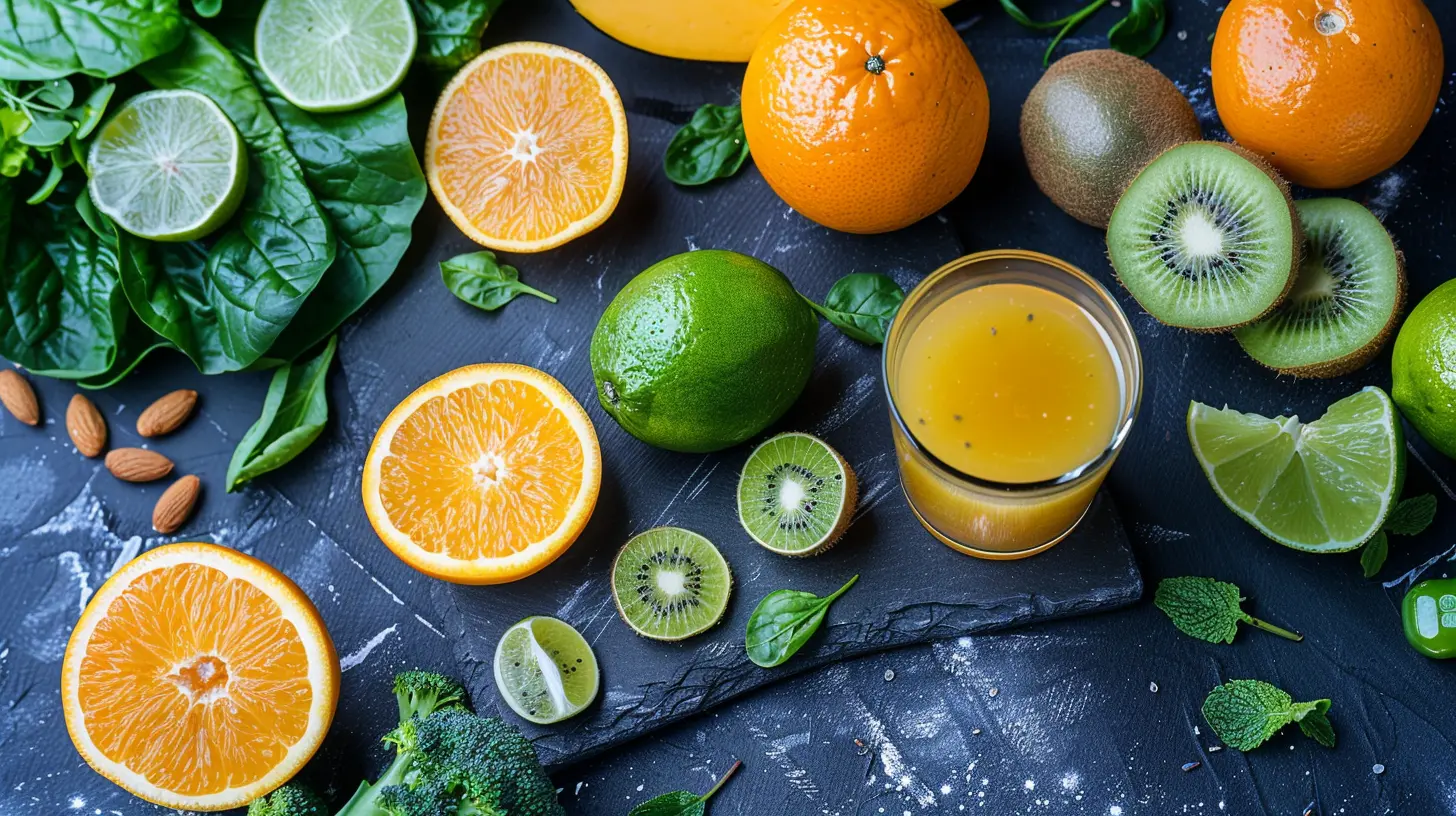
Why Is Vitamin C So Important for Healing?
Vitamin C, also known as ascorbic acid, is a water-soluble vitamin that our bodies can’t produce on their own. This means we need to get it from food or supplements. It’s essential for many bodily functions, but when it comes to healing and recovery, Vitamin C truly shines.Here’s why:
- Boosts Collagen Production – Collagen is the main protein in your skin, muscles, tendons, and ligaments. Without enough Vitamin C, your body struggles to produce collagen, which slows down wound healing.
- Speeds Up Tissue Repair – Whether it's a small cut or a major surgery, Vitamin C helps rebuild damaged tissues faster.
- Fights Oxidative Stress – Injury and inflammation produce harmful free radicals. Vitamin C acts as a powerful antioxidant, neutralizing these free radicals and reducing damage.
- Supports The Immune System – When your body is healing, the immune system works overtime. Vitamin C strengthens it, helping prevent infections that could slow down recovery.
- Reduces Inflammation – Chronic inflammation can delay healing. Vitamin C has anti-inflammatory properties that can help speed up the process. 
How Does Vitamin C Help With Wound Healing?
1. Collagen Synthesis – The Foundation of Healing
Think of Vitamin C as a construction worker for your body. It plays a vital role in the production of collagen, which is the “glue” that holds your body together. Without enough collagen, wounds take longer to close, and tissues remain weak.This is why doctors often recommend increasing Vitamin C intake after surgeries, injuries, or burns. It ensures your skin, muscles, and connective tissues rebuild quickly and effectively.
2. Reducing Inflammation For Faster Recovery
After an injury, your body triggers inflammation as a natural response. While some inflammation is good (it helps kickstart healing), too much can slow things down. Vitamin C helps strike the right balance by reducing excessive inflammation without completely shutting down the body’s healing response.Less inflammation means less pain, less swelling, and a faster recovery time.
3. Preventing Infections That Can Delay Healing
A slow-healing wound is more prone to infection, which can set you back weeks or even months. Vitamin C boosts your immune system, making sure your body can defend itself against harmful bacteria and viruses.If you’re recovering from surgery, an injury, or even a common cold, having enough Vitamin C can help you bounce back more quickly. 
Does Vitamin C Help With Muscle Recovery?
Absolutely! If you’ve ever felt sore after an intense workout, that’s because your muscles experience tiny tears that need to be repaired. Vitamin C helps speed up muscle recovery by reducing oxidative stress and inflammation.A study found that athletes who took Vitamin C supplements experienced less muscle soreness and recovered faster than those who didn’t. So, if you’re hitting the gym hard or training for a marathon, adding more Vitamin C to your diet could help you feel better, sooner. 
Best Sources of Vitamin C for Healing
Getting enough Vitamin C from your diet is easier than you think. Here are some of the best natural sources:Fruits
- Oranges- Kiwis
- Strawberries
- Pineapples
- Papayas
- Mangoes
Vegetables
- Bell Peppers (especially red ones)- Kale
- Spinach
- Broccoli
- Brussels Sprouts
- Tomatoes
If you’re not getting enough Vitamin C from food, supplements can also be an effective way to meet your daily needs, especially during recovery.
How Much Vitamin C Do You Need for Healing?
The recommended daily intake of Vitamin C varies by age and gender, but if you're recovering from surgery, injury, or illness, you may need more than usual.General Recommendations:
- Men: 90 mg/day- Women: 75 mg/day
- Smokers: (Need an extra 35 mg/day)
For Faster Healing:
- Some experts suggest 500–1000 mg/day for those recovering from surgery or injury.- Extreme cases (like burn victims) may need even higher doses under medical supervision.
However, taking too much Vitamin C (above 2000 mg/day) might lead to digestive issues like diarrhea or stomach cramps. So, more isn’t always better!
Can You Take Too Much Vitamin C?
Yes, while Vitamin C is water-soluble (meaning excess amounts leave your body through urine), megadoses can cause:- Stomach cramps
- Diarrhea
- Kidney stone risk (especially in those prone to them)
Stick to the recommended amounts, and if you're unsure, consult a doctor before taking high-dose supplements.
Final Thoughts
Vitamin C is one of the most powerful nutrients you can incorporate into your diet for faster healing and recovery. From collagen production and immune support to inflammation control and wound healing, it's a must-have whether you're bouncing back from a workout, surgery, or injury.So, next time you’re looking to speed up the healing process, don’t overlook this essential vitamin. Load up on Vitamin C-rich foods, consider a supplement if needed, and watch your body recover more efficiently!
all images in this post were generated using AI tools
Category:
VitaminsAuthor:

Eileen Wood
Discussion
rate this article
2 comments
Carly Murphy
Vitamin C: essential for accelerated healing and immune support.
April 23, 2026 at 4:27 AM
Eileen Wood
Absolutely, Vitamin C plays a vital role in boosting the immune system and speeding up the healing process. Its benefits are crucial for recovery.
Skylar McGuffin
Vitamin C boosts collagen production, enhances immune function, and accelerates tissue repair, making it essential for faster healing and recovery.
April 4, 2026 at 4:04 AM
Eileen Wood
You're absolutely right! Vitamin C plays a crucial role in recovery and healing. Its benefits for collagen production and immune support are vital for a quicker recovery process.