How to Treat Common Illnesses Without Leaving Home
20 November 2026
In today's fast-paced world, the ability to manage common illnesses from the comfort of home has become increasingly important. With the rise of telemedicine and a wealth of information available online, many individuals are seeking effective ways to treat minor ailments without the need for a doctor's visit. This article delves into practical strategies for addressing common health issues at home, providing insights on when to treat at home and when to seek professional help.

Understanding Common Illnesses
Common illnesses often include conditions such as the common cold, flu, allergies, headaches, and minor digestive issues. These ailments can typically be managed with home remedies, over-the-counter medications, and lifestyle adjustments. Understanding the nature of these illnesses is crucial for effective home treatment.The Common Cold
The common cold is caused by a viral infection and is characterized by symptoms such as a runny nose, sore throat, cough, and fatigue. While there is no cure for the cold, treatments can alleviate symptoms.Home Remedies for the Common Cold
1. Stay Hydrated: Drinking plenty of fluids helps thin mucus and keeps the throat moist. Herbal teas, broths, and water are excellent choices.2. Rest: Sleep and rest allow the body to heal. Aim for at least eight hours of sleep to support your immune system.
3. Steam Inhalation: Inhaling steam can relieve nasal congestion. Consider taking a hot shower or using a bowl of hot water with a towel over your head.
4. Saltwater Gargle: Gargling with warm saltwater can soothe a sore throat and reduce inflammation.
5. Honey and Lemon: A mixture of honey and lemon in warm water can soothe the throat and provide relief from coughing.
When to Seek Medical Attention
If symptoms persist beyond ten days, worsen significantly, or are accompanied by high fever, difficulty breathing, or chest pain, it is essential to consult a healthcare provider.Influenza (Flu)
Influenza is a more severe viral infection compared to the common cold, often presenting with high fever, body aches, and extreme fatigue.Home Treatments for the Flu
1. Antiviral Medications: If caught early, antiviral medications can shorten the duration of the flu. Consult a healthcare provider for a prescription.2. Symptomatic Relief: Over-the-counter medications like acetaminophen or ibuprofen can help reduce fever and relieve body aches.
3. Rest and Nutrition: Similar to the common cold, rest and a nutritious diet are crucial. Foods rich in vitamins C and D, along with zinc, can support immune function.
4. Humidifiers: Using a humidifier can ease respiratory symptoms by keeping the air moist.
When to Seek Medical Attention
Seek medical help if you experience difficulty breathing, chest pain, confusion, or persistent vomiting. These could be signs of complications that require immediate care.Allergies
Seasonal allergies can lead to symptoms like sneezing, itching, and nasal congestion.Home Remedies for Allergies
1. Avoid Triggers: Identify and minimize exposure to allergens. This may include staying indoors during high pollen counts or using air purifiers.2. Nasal Irrigation: Rinsing nasal passages with saline solution can clear allergens and mucus.
3. Over-the-Counter Antihistamines: Medications like loratadine or cetirizine can relieve symptoms effectively.
4. Local Honey: Some believe that consuming local honey may help build tolerance to local pollen.
When to Seek Medical Attention
If you experience severe allergic reactions, such as difficulty breathing or swelling of the face and throat, seek emergency medical assistance.Headaches
Headaches can stem from various causes, including tension, dehydration, or sinus issues.Home Treatments for Headaches
1. Hydration: Ensure adequate water intake, as dehydration can trigger headaches.2. Cold Compress: Applying a cold pack to the forehead can provide relief from tension headaches.
3. Relaxation Techniques: Practices like yoga, meditation, or deep-breathing exercises can alleviate stress-induced headaches.
4. Over-the-Counter Pain Relievers: Medications like ibuprofen or aspirin can be effective for most headaches.
When to Seek Medical Attention
If headaches are frequent, severe, or accompanied by other symptoms like vision changes or nausea, consult a healthcare provider.Minor Digestive Issues
Conditions like indigestion, bloating, and constipation are common and can often be managed at home.Home Remedies for Digestive Issues
1. Dietary Adjustments: Incorporating fiber-rich foods and probiotics can promote digestive health. Foods like yogurt, fruits, and vegetables are beneficial.2. Ginger Tea: Ginger can soothe nausea and aid digestion. Brew ginger tea by boiling fresh ginger in water.
3. Peppermint: Peppermint tea can relieve bloating and gas.
4. Hydration: Drinking plenty of water is essential for digestion.
When to Seek Medical Attention
If symptoms persist for more than a few days, are severe, or are accompanied by vomiting, fever, or unexplained weight loss, seek medical advice.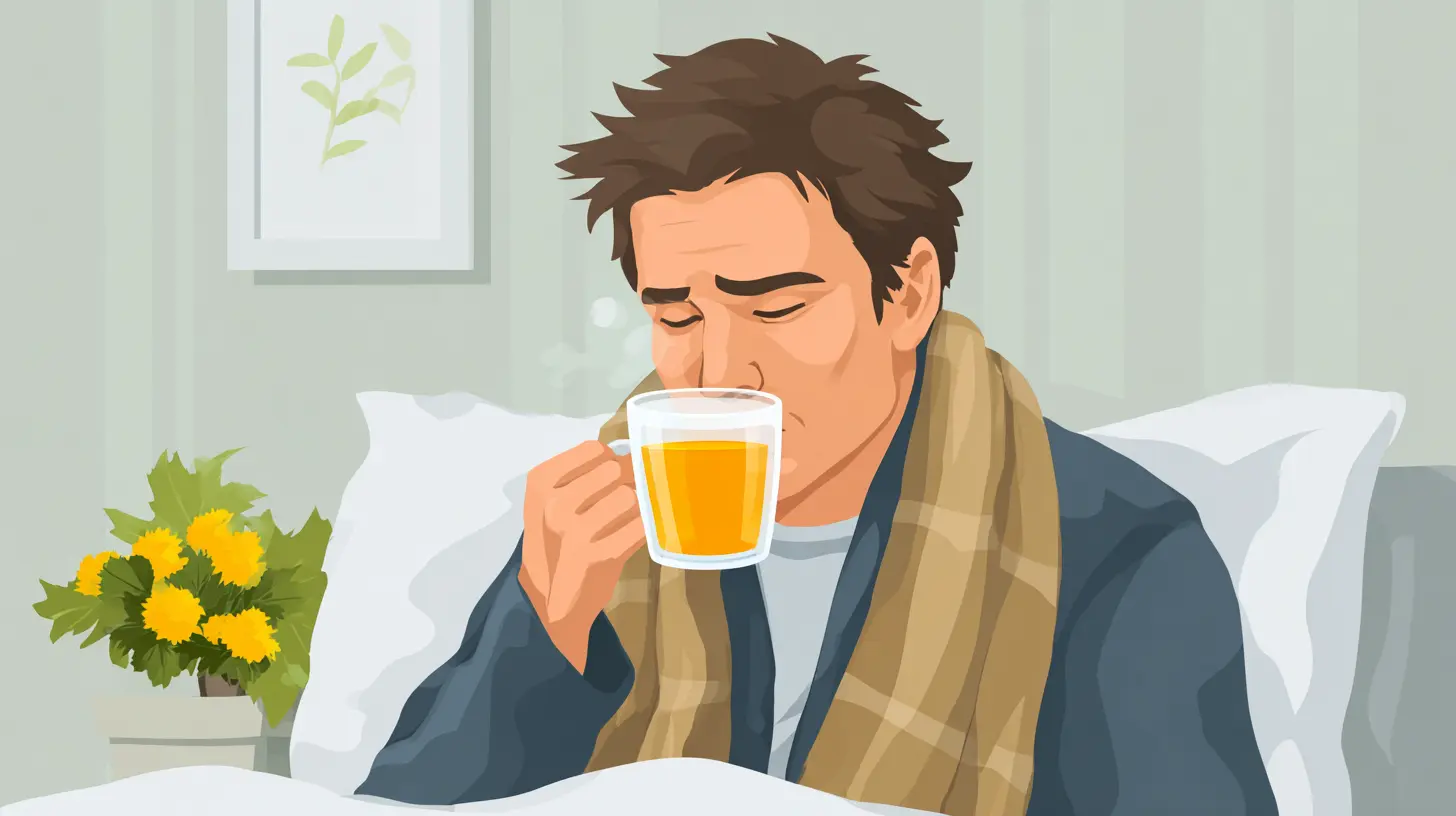
General Best Practices for Home Treatment
Keeping a Symptom Diary
Maintaining a diary of symptoms can help identify patterns, triggers, and effective remedies. Record what you experience, when it occurs, and what treatments you try. This information can be invaluable when consulting a healthcare provider.Understanding Medication Labels
When using over-the-counter medications, always read labels carefully. Pay attention to active ingredients, dosage recommendations, and potential side effects. Avoid taking multiple medications with the same active ingredient to prevent overdose.Utilizing Telehealth Services
Telehealth platforms have made it easier to consult with healthcare providers without leaving home. If you are unsure about symptoms or treatment options, consider scheduling a virtual appointment for professional guidance.Recognizing Limitations
While home remedies can be effective for common illnesses, they are not a substitute for professional medical care. Understand your limits and be aware of when to seek help.
Common Mistakes to Avoid
1. Self-Diagnosis: Relying solely on online information can lead to misdiagnosis. Always consult a healthcare professional if unsure.2. Ignoring Symptoms: Dismissing persistent or severe symptoms can lead to complications. Trust your instincts and seek care when necessary.
3. Overusing Medications: Misusing over-the-counter medications can lead to adverse effects. Always follow dosage guidelines and consult a pharmacist if in doubt.
4. Neglecting Lifestyle Factors: Poor diet, lack of exercise, and insufficient sleep can weaken the immune system. Prioritize a healthy lifestyle to support overall well-being.

Conclusion
Treating common illnesses at home is a practical and often effective approach for many individuals. By understanding symptoms, employing home remedies, and recognizing when to seek professional help, you can manage your health effectively. Remember that while home treatments can alleviate symptoms, they should not replace professional medical advice when needed. Prioritize self-care, stay informed, and take proactive steps to maintain your health from the comfort of your home.
all images in this post were generated using AI tools
Category:
Home RemediesAuthor:

Eileen Wood

