How to Prep Healthy Desserts for the Whole Week
27 October 2026
Most people treat dessert as the thing they give up when they decide to eat better. That framing is backwards. The real problem is not dessert itself. It is the way dessert happens: a late-night decision made when you are tired, hungry, and standing in front of an open cupboard, where the easiest option is also the least nourishing one. Weekly dessert prep flips that moment. You make the decision once, in daylight, with good ingredients in front of you, and then you simply eat what you already made.
This guide is about building a system, not collecting recipes. It covers the food science that makes healthier desserts actually satisfying, the practical logistics of making several desserts in one session, storage rules that protect both texture and safety, and the mistakes that cause most people to abandon the habit after two weeks. If you have tried prepping desserts before and ended up with a fridge full of sad, rubbery bars you did not want to eat, this is for you.
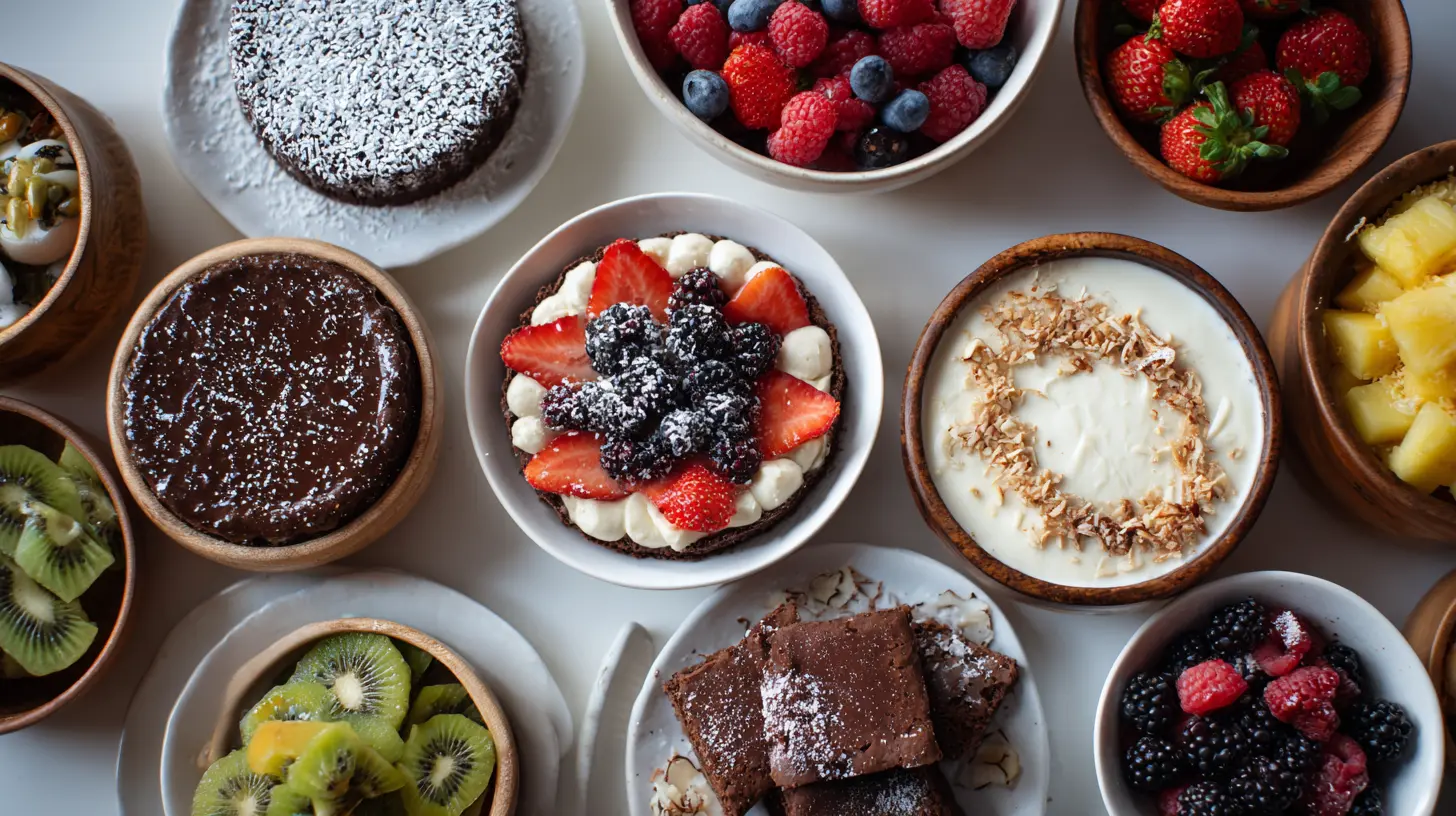
Why Weekly Dessert Prep Works Better Than Willpower
Willpower is a terrible long-term strategy because it is a finite resource that depletes under stress, fatigue, and hunger. Environment design is far more reliable. When a portioned, satisfying dessert is already waiting in the fridge, you do not need to resist anything. You just eat it. The decision has already been made.There is a second, less obvious benefit. Prepping desserts yourself gives you control over portion size and sweetness level in a way that store-bought products never will. Commercial desserts are engineered for maximum palatability, which usually means high sugar, high fat, and low fiber. When you make your own, you can dial sweetness down gradually. This matters more than most people realize: taste preferences are adaptable. Research on taste and food preferences generally supports the idea that repeated exposure to less sweet foods can shift what you find satisfying, though the pace varies from person to person. A dessert sweetened mostly with fruit and a little honey will taste flat to you in week one and perfectly sweet by week four. That shift does not happen if you never give your palate the chance to adjust.
Weekly prep also solves the variety problem. If you make one dessert on Sunday, you will be bored of it by Wednesday and back to the cupboard. A good prep session produces two or three different desserts in small batches, so you have choice without chaos.
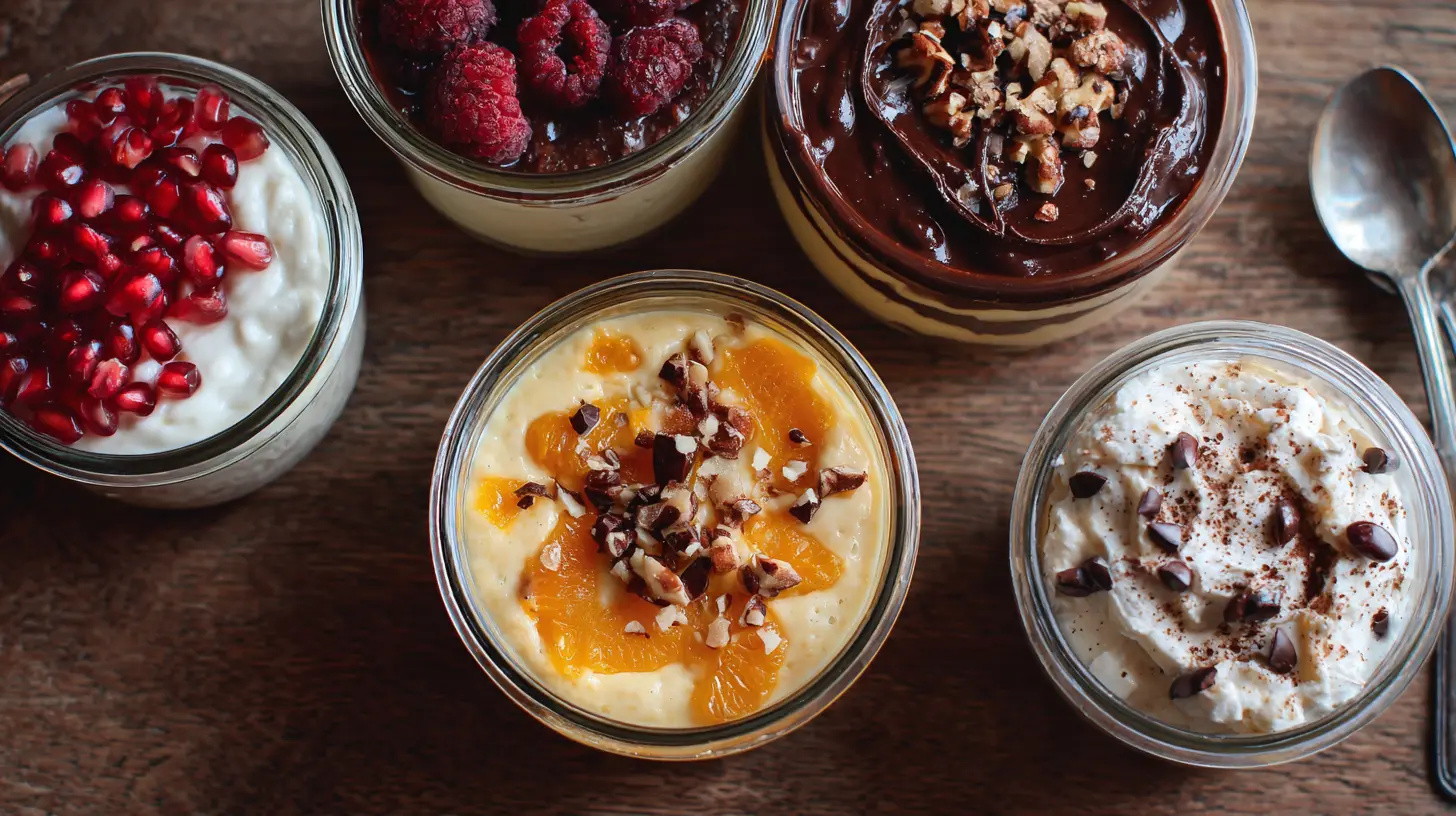
The Flavor Architecture of a Healthy Dessert
Before you touch a mixing bowl, understand what makes a dessert satisfying. Most people assume healthy desserts fail because they lack sugar. In practice, they fail because they lack contrast and richness. Sugar is only one of several levers you can pull.Sweetness can come from fruit, dried fruit, maple syrup, honey, dates, or a small amount of regular sugar. The key insight is that sweetness perception depends on context. A dessert with a pinch of salt and a hit of acid will taste sweeter than the same dessert without them, even at identical sugar levels. This is why a berry compote with a squeeze of lemon tastes brighter and more dessert-like than a flat, unsweetened stew.
Fat carries flavor and creates the creamy, coating sensation most people associate with indulgence. Greek yogurt, nut butters, avocado, coconut milk, tahini, and dark chocolate all provide fat with varying nutritional profiles. Fat also slows digestion, which flattens the blood sugar spike a dessert causes. That is not a reason to drown everything in nut butter, but it is a reason not to fear fat in a dessert.
Texture is the most underrated element. A dessert that is soft and one-note gets boring fast. Contrast, such as creamy plus crunchy, warm plus cold, or smooth plus chewy, is what keeps a dessert interesting enough that a small portion feels like enough.
Temperature changes perception dramatically. The same chocolate mixture tastes richer frozen than at room temperature. Chilled desserts feel more deliberate and more satisfying than room-temperature ones, which is a useful trick when you are working with modest portions.
Aroma does real work too. Vanilla, cinnamon, cardamom, citrus zest, and coffee all amplify perceived sweetness without adding sugar. A teaspoon of vanilla in a yogurt-based dessert can do more for satisfaction than an extra tablespoon of honey.
Build every prepped dessert with at least three of these levers engaged, and you will rarely feel like you are eating something "healthy" in the apologetic sense.
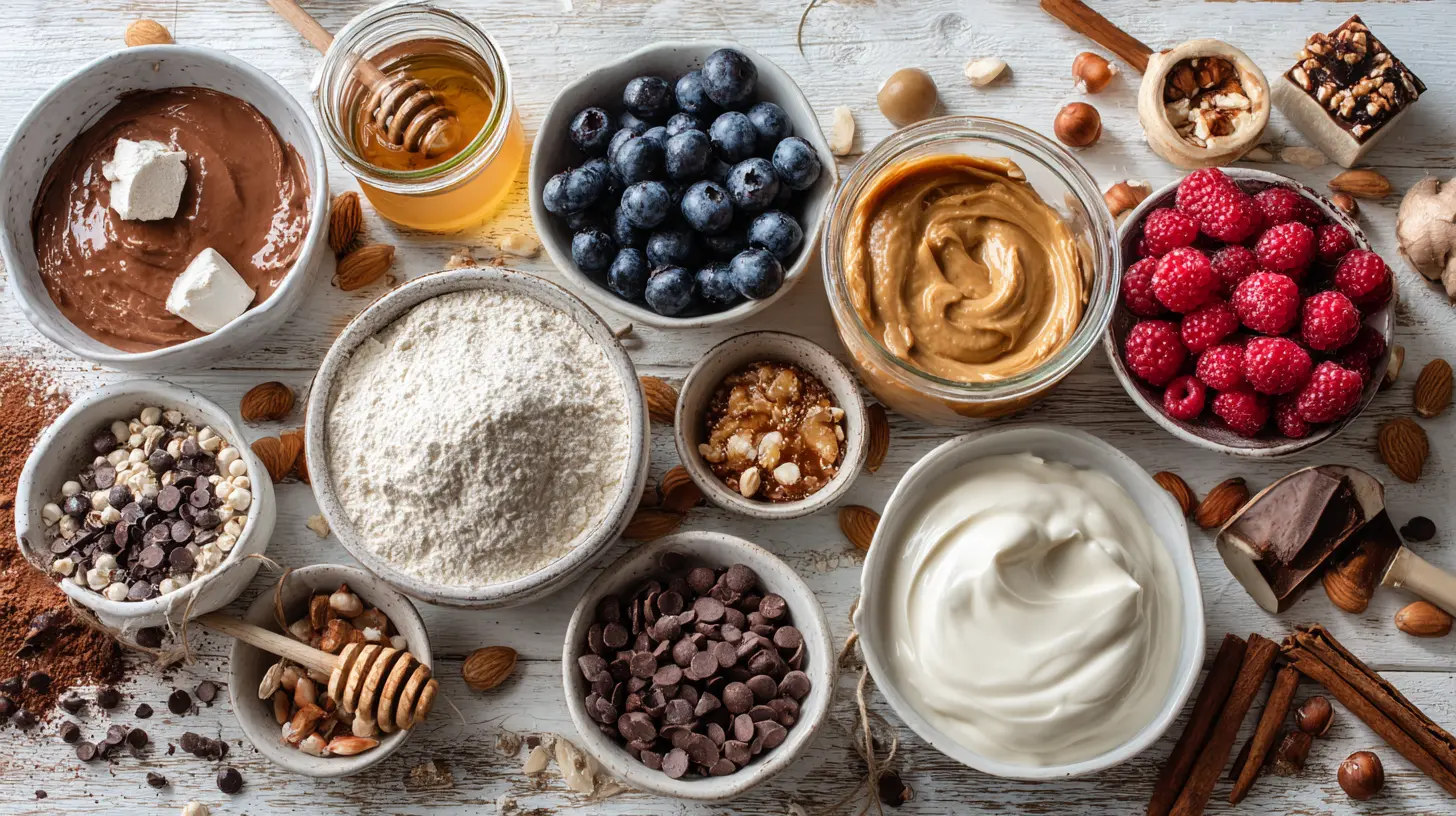
Choosing Your Dessert Categories for the Week
A practical weekly plan usually includes three categories, each serving a different purpose.Everyday desserts are the ones you eat most nights. They should be light, portionable, and low-effort to serve. Examples include yogurt-based mousses, chia puddings, baked fruit, and small energy bites. These are your workhorses, and they should be genuinely enjoyable, not virtuous punishment.
Weekend or occasion desserts are richer and more elaborate. A flourless chocolate cake, a small batch of dark chocolate bark, or a baked custard fits here. Making one richer dessert means you are not trying to make a light dessert do a job it cannot do.
Emergency desserts are freezer items for nights when you need something immediately. Frozen banana bites, portioned cookie dough balls, or frozen yogurt bark serve this role. The point is to have a better option than a delivery order.
Plan for roughly two everyday desserts, one richer option, and one freezer backup. That gives you variety without a Sunday that swallows your entire afternoon.
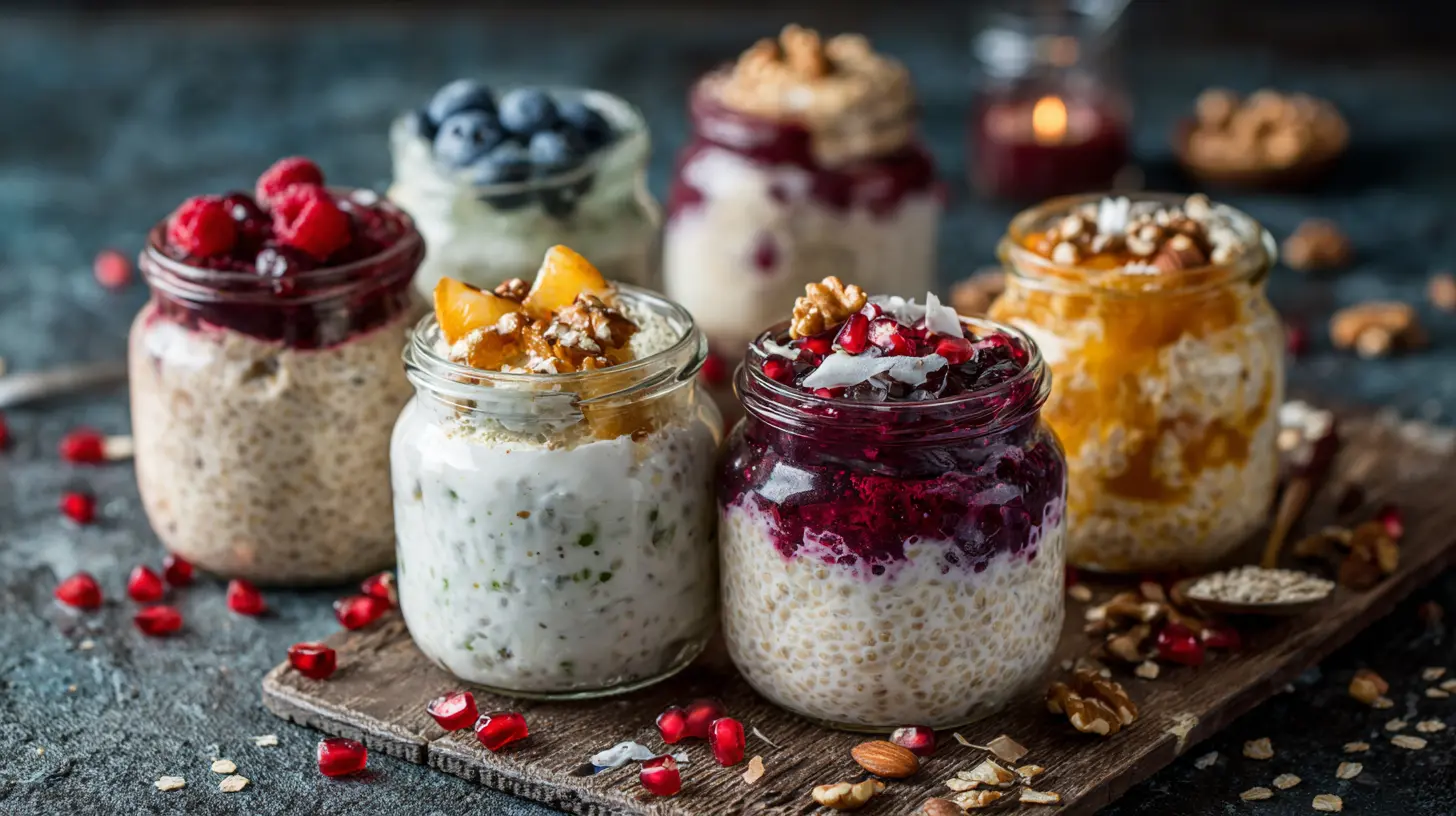
The Prep Session: A Realistic Workflow
The biggest mistake in weekly dessert prep is trying to make everything from scratch in one heroic session. You will burn out. Instead, use a staggered workflow that exploits passive time.Start With the Oven Items
Begin with anything that bakes, because oven time is passive. A tray of roasted strawberries, a pan of baked oatmeal bars, or a small chocolate cake can go in first while you do everything else. Roasting fruit is one of the highest-value prep moves available: it concentrates sweetness, softens texture, and creates a syrupy liquid you can spoon over yogurt all week. Roast at a moderate temperature until the fruit collapses and the juices thicken, then cool and refrigerate in its own syrup.Use No-Cook Items for Volume
While the oven works, assemble the no-cook components. Chia pudding takes three minutes to mix and needs at least four hours to set, ideally overnight. Yogurt mousses come together in a bowl. Energy bites take ten minutes in a food processor. These items give you the most servings for the least active effort, which is exactly what you want in a weekly system.Finish With Assembly and Portioning
The final step is portioning, and it deserves more attention than it usually gets. Portion desserts into individual containers before they go in the fridge. A large container of pudding invites you to eat an undefined amount; a small jar defines it for you. Glass jars work well because they are see-through, stackable, and do not hold odors. If you are portioning bars or bites, line them with parchment and count them so you know exactly how many servings you have.A realistic active time for this workflow is 60 to 90 minutes, most of it hands-off. If that still feels like too much, split it: make the oven items on Sunday and the no-cook items on Wednesday. Two short sessions beat one long one you keep postponing.
Ingredient Choices That Actually Matter
Sweeteners
You have four practical options, and each has trade-offs.Refined sugar is the most neutral in flavor and the most predictable in texture. It also offers nothing nutritionally. Using a small amount of it in a dessert that is otherwise fruit-based is a perfectly reasonable choice, and pretending otherwise leads to desserts nobody wants to eat.
Honey and maple syrup are sweeter per volume than sugar and bring flavor, but they are still added sugars. Their liquid nature also changes texture, so they are not always a straight swap in baking.
Dates and dried fruit provide sweetness with fiber and minerals, and they work beautifully in no-bake items. Their flavor is assertive, so they suit chocolate, nut, and spice profiles better than delicate fruit ones.
Artificial and natural non-caloric sweeteners are an option, but they vary widely in aftertaste and in how they behave in baking. If you use them, taste-test before committing a whole batch, and expect texture differences in baked goods.
The practical recommendation: pick one primary sweetener per dessert and use it confidently in a modest amount. Layering three different sweeteners rarely improves a dessert and complicates your shopping.
Fat Sources
Greek yogurt is the most versatile base for prepped desserts. It is high in protein, thick enough to feel indulgent, and takes flavors well. Full-fat or 2 percent yogurt will taste noticeably better than fat-free, and the difference in satisfaction is usually worth the extra calories.Nut butters add richness and structure, especially in no-bake bars. Tahini is a sleeper ingredient here: its slight bitterness balances sweet elements beautifully, particularly with chocolate and dates.
Coconut milk, especially the full-fat canned kind, creates a creamy texture that firms up when chilled. It is the backbone of many dairy-free desserts.
Avocado works in chocolate-based desserts where its flavor is masked, but it browns quickly and does not keep as long as other bases. Use it for desserts you will eat within two days.
Thickeners and Structure
Chia seeds gel and create pudding texture with no cooking. Gelatin sets firm, clean-textured desserts but is not vegetarian. Arrowroot and cornstarch thicken cooked fillings but can turn gummy if overcooked. Oats provide bulk and chew in bars and crumbles. Each has a role, and choosing the right one for the texture you want is more important than any nutritional comparison between them.Flavor Boosters
Keep a small arsenal: vanilla extract, cinnamon, cardamom, cocoa powder, espresso powder, citrus zest, and flaky salt. These cost little, last a long time, and do more for perceived sweetness and complexity than additional sugar ever will. A pinch of flaky salt on top of a chocolate dessert is not a gimmick; it genuinely changes how sweet the dessert tastes.
Storage Rules That Protect Texture and Safety
Storage is where most weekly dessert plans quietly fall apart. A dessert that tastes great on Sunday and unpleasant on Thursday is not a failure of the recipe. It is a failure of storage planning.Know Your Timelines
Dairy-based desserts generally keep three to four days in the refrigerator. Fresh fruit components are best within two to three days, and cut fruit especially so. Baked goods with no dairy keep longer, often up to a week in a sealed container. Frozen items keep for weeks or months depending on the item. Chia puddings hold well for four to five days.Plan your week around these timelines rather than fighting them. Eat dairy-based desserts early in the week and frozen or baked items later.
Separate Components When Texture Matters
If a dessert combines a creamy base with a crunchy topping, store them separately and combine at serving time. This one habit preserves the contrast that makes the dessert satisfying. A crumble topping stored on top of yogurt for four days becomes a soggy layer nobody enjoys.Handle the Freezer Strategically
The freezer is your best tool for extending variety. Most no-bake bites, baked bars, cookie dough portions, and fruit-based items freeze well. Freeze them on a tray first so they do not clump, then transfer to a container. Label with the date. When you want one, take out a single portion rather than the whole container, which prevents thaw-and-refreeze cycles that wreck texture.Watch the Temperature-Sensitive Items
Desserts with a high proportion of coconut milk or nut butter can separate or become grainy with temperature swings. Keep them in the coldest part of the fridge, not the door. If a dessert separates, a quick stir usually restores it, but repeated swings will eventually ruin the texture.Common Mistakes and Misconceptions
Mistake one: cutting sugar too aggressively all at once. A dessert with no sweetness at all does not train your palate; it trains you to avoid the dessert. Reduce sweetness gradually across weeks and use salt, acid, and aroma to compensate.Mistake two: making only one type of dessert. Monotony is the enemy of any food habit. Two or three small-batch options keep you interested.
Mistake three: ignoring portion containers. If your dessert lives in one big bowl, you will eat more than you planned, and the prep loses much of its value.
Mistake four: overcomplicating recipes. A five-component dessert is a weekend project, not a weekly staple. Save complexity for the occasional dessert.
Mistake five: assuming "healthy" means "low calorie." A dessert with nuts, dates, and dark chocolate can be calorie-dense and still be a good choice. The goal is a dessert that satisfies you in a reasonable portion, not one that is nutritionally empty.
Misconception: healthy desserts need special ingredients. You can build excellent prepped desserts from yogurt, oats, fruit, eggs, cocoa, and nut butter. Specialty flours and powders are optional, not required.
Misconception: prepped desserts must be no-bake. Baked items often store better and hold texture longer than no-bake ones. A baked oat bar will outlast a no-bake one by several days.
A Sample Week at a Glance
To make this concrete, here is how a typical prep output might distribute across a week.Sunday prep produces roasted berries in syrup, a batch of chocolate chia pudding in small jars, a tray of baked oat and almond bars cut into portions, and a bag of frozen banana and peanut butter bites. Monday and Tuesday, you eat the chia pudding with a spoonful of roasted berries. Wednesday, you switch to oat bars. Thursday, the last of the berries go over yogurt. Friday, you have an oat bar or a frozen bite depending on your mood. Saturday, you make one fresh richer dessert if you want it, or you pull a frozen portion and call it done.
Notice that nothing is eaten for more than five days, textures stay intact because components are stored separately, and there is genuine variety without any single item demanding much effort.
Adapting the System to Your Life
If you have a small fridge, prioritize no-cook items in jars and use the freezer for overflow. If you have dietary restrictions, the same framework applies: swap dairy yogurt for a thick plant-based alternative, swap gelatin for chia or agar, and adjust sweetness to taste. If you live alone, halve every batch; a week of dessert for one person is a much smaller volume than most recipes produce. If you have children, involve them in portioning, which tends to increase their willingness to eat what they helped make.The system is flexible by design. What matters is the underlying structure: decide once, make in batches, portion immediately, store intelligently, and let the environment do the work that willpower cannot.
The payoff is not just better desserts. It is the disappearance of the nightly negotiation with yourself, replaced by a fridge that already contains the answer.
all images in this post were generated using AI tools
Category:
Healthy DessertsAuthor:

Eileen Wood