How to Maintain Muscle Mass During Intermittent Fasting
1 January 2026
Ever heard someone say intermittent fasting (IF) burns all your hard-earned muscle? Yeah, it's one of those fitness myths that just won't die. But the truth is… it doesn't have to be that way at all.
In fact, with the right approach, you can maintain—heck, even build—muscle while fasting. Sounds wild, right? You’re probably wondering how that’s even possible. Sit tight. We’re about to dive into the mysterious (but science-backed) secrets of keeping your gains while skipping meals.

The Muscle-Fasting Dilemma: What’s at Stake?
Let’s be real—you worked hard for those biceps, sculpted that chest, and didn’t skip leg day (well, maybe once). The idea of losing muscle just because you’re fasting feels like burning your favorite hoodie for a little warmth. Totally unnecessary.But here's the thing: muscle loss isn't inevitable during fasting. The real culprits? Poor planning, lack of strategy, and a diet that leaves your muscles crying out for help.
Before we jump into how to protect your muscle mass during IF, let’s get the basics out of the way.
What is Intermittent Fasting Anyway?
Intermittent fasting isn’t some fad pulled from the dusty corners of Instagram wellness pages. It’s a structured eating pattern where you alternate between periods of eating and fasting.Popular methods include:
- 16/8 Method: Fast for 16 hours, eat during an 8-hour window.
- 5:2 Diet: Eat normally for 5 days, drastically reduce calories for 2 days.
- OMAD (One Meal A Day): Fast for 23 hours, feast for 1.
Sounds intense? Maybe. But your body is more adaptable than you think.
Wait—Does Fasting Actually Burn Muscle?
Yes… and no. Let me explain.When you fast, your body shifts from burning carbs (glucose) to burning fat (ketosis). That part’s good news. But your body also needs amino acids—tiny building blocks of protein—to function. If you're not careful, guess where it might go looking for them?
Yep, your muscles.
But here’s the plot twist: your body is smarter than we give it credit for. It doesn't JUST start munching on muscle the second you skip breakfast. In fact, human growth hormone (HGH) levels rise during fasting, which helps preserve muscle and burn fat.
Still, the key lies in balance—fueling your muscles correctly during eating windows and training smart.
The Blueprint: How to Maintain Muscle Mass During Intermittent Fasting
Alright, enough with the suspense. Here’s the no-BS guide to keeping your gains strong, even while fasting.1. Prioritize Protein Like It’s Your Job
This one’s non-negotiable.Muscles need protein like plants need sunlight. When you’re eating fewer meals, every bite counts. So, make 'em good.
How Much Protein Do You Need?
A good rule of thumb for most people who train:> 0.8 to 1 gram of protein per pound of body weight.
So if you weigh 180 lbs, shoot for about 150–180 grams of protein per day. Split that across your eating window.
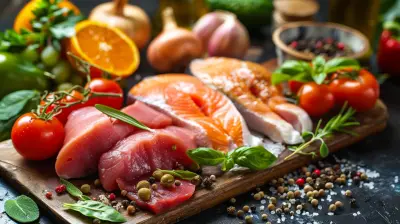
Best High-Protein Foods to Focus On:
- Chicken breast- Eggs (with the yolk, yes!)
- Greek yogurt
- Whey protein isolate
- Salmon and other fatty fish
- Tofu or tempeh (for the plant-based crew)
Pro Tip:
If you're doing a 16/8 fast, have a big protein-packed meal as your first meal to kick things off right.2. Train During Your Fasting Window (Yes, Really)
This might sound counterintuitive, but training while fasted can actually increase insulin sensitivity and help your body burn fat more efficiently.But here’s the real kicker—it also boosts growth hormone levels, which is fantastic for muscle preservation.
Best Time to Train?
Right before your eating window opens. That way, you can refuel immediately after your workout with a solid meal.This helps:
- Restore glycogen
- Kickstart muscle repair
- Reduce cortisol (stress hormone)
But Wait, Won’t I Feel Weak?
Not necessarily. Your body adapts. At first, sure—you might feel sluggish. But give it 2 weeks, and you'll likely hit a new stride.3. Break Your Fast Like a Bodybuilder
The first meal after your fast should be:- High in protein
- Moderate in carbs
- Low in sugar
Example? Try this:
- 6 oz grilled chicken breast
- 1 cup quinoa
- Steamed veggies with olive oil
- One scoop whey protein in almond milk
Why this combo? It hits all the notes: fuel, repair, and satiety. No need for fancy supplements if your food plays the lead role.
4. Don’t Fear Fats
Healthy fats are your hormonal backbone—and your best friends during intermittent fasting. They help keep testosterone, HGH, and other muscle-friendly hormones in good shape.Solid Fat Sources:
- Avocados- Olive oil
- Nut butters
- Whole eggs
- Fatty fish (hello, Omega-3s)
Just don’t overdo it. Fats are calorie-dense, so balance is key.
5. Consider BCAAs (But Only if You Really Need Them)
Branched-Chain Amino Acids (BCAAs) are a bit controversial in the fitness world. Some swear by them, others call them snake oil.Here's the real deal: If you're doing long fasts (18–24 hours) or training hard while fasted, BCAAs can help minimize muscle breakdown.
Take them right before your workout or mid-fast. But if you’re eating enough protein during your feeding window? You probably don’t need them.
6. Stay Hydrated Like It’s a Full-Time Gig
Dehydration hits harder during fasting. Less water = reduced muscle performance and increased fatigue.But here’s the kicker—water also plays a role in protein synthesis. Yep, even your muscles need that sweet H₂O for max growth.
Add a pinch of Himalayan salt or grab an electrolyte mix if you're sweating buckets during workouts.
7. Sleep: The Silent Muscle Saver
You can do everything right during the day, but if you're skimping on sleep? You're torching your muscle gains in your dreams (literally).During sleep, your body releases growth hormone, repairs tissue, and consolidates memory (so you remember that killer leg workout).
Aim for:
> 7–9 hours of quality sleep every night.
If you’re not getting it, no amount of protein or training is going to save your gains.
8. Cycle Your Fasting Routine
Look, intermittent fasting isn’t a prison sentence. You don’t need to fast 7 days a week without fail.In fact, cycling your fasts—doing 16/8 some days and 12/12 or even no fasting on others—can be incredibly beneficial for muscle preservation and recovery.
Use non-fasting days as “refeed” days with higher carbs and calories. Your muscles will thank you later.
Common Mistakes That Kill Muscle During IF
Even experienced lifters slip here. Don’t be that guy (or girl).Here’s what to avoid:
❌ Not getting enough protein
❌ Starving post-workout
❌ Overtraining while underfed
❌ Skipping sleep
❌ Doing excessive cardio without recovery
❌ Undereating on non-fasting days
If you’re losing muscle on IF, chances are you're doing one (or more) of these.
Does Intermittent Fasting Work for Everyone?
Short answer? No. And that’s okay.IF works best when it fits your lifestyle, training schedule, and preferences. If you’re constantly drained or skipping meals makes you binge, maybe it’s not your thing—and that’s totally fine.
But if done right, intermittent fasting can be a powerful tool for fat loss, improved energy, and, yes, maintaining that precious muscle.
Final Thoughts: Fast Smart, Lift Smart, Eat Smart
Intermittent fasting doesn’t mean giving up your muscle gains. In fact, with the right strategies, you can thrive—leaner, stronger, and more dialed-in than ever.Think of IF as a toolbox. It’s not “eat less, lose muscle,” it’s “eat smart, train hard, fast intentionally.”
So whether you're rocking the 16/8 routine or flirting with OMAD, your mission is the same: Give your muscles what they need, when they need it.
Fast like a monk, eat like a king, train like a beast. Simple.
all images in this post were generated using AI tools
Category:
Intermittent FastingAuthor:

Eileen Wood
Discussion
rate this article
2 comments
Sybil Mahoney
Maintaining muscle mass during intermittent fasting requires strategic meal planning and strength training. Prioritize protein intake and ensure adequate calorie consumption during eating windows for optimal results.
March 2, 2026 at 3:28 AM
Eileen Wood
Thank you for your insightful comment! Strategic meal planning and prioritizing protein are indeed essential for preserving muscle mass during intermittent fasting. Your points about strength training and calorie intake are crucial for achieving optimal results.
Madison Rios
Great article! Maintaining muscle mass during intermittent fasting is crucial for overall health. Prioritizing protein intake and incorporating resistance training can make a significant difference. Thanks for sharing these tips!
January 8, 2026 at 5:58 PM
Eileen Wood
Thank you for your insights! I completely agree—protein intake and resistance training are key to preserving muscle mass during intermittent fasting. Glad you found the article helpful!