How Stress Impacts Gut Health and Probiotic Efficacy
12 July 2026
Let’s face it—life gets messy. You’ve got work deadlines breathing down your neck, the kids screaming in the background, and about a million things on your to-do list. Sound familiar? That ever-creeping stress isn’t just a mental or emotional burden—it can mess with your gut in a big way. And if you're popping probiotics to keep your digestion on track, that stress could be sabotaging your efforts without you even realizing it.
In this article, we’re diving into the fascinating gut-brain connection, how stress throws your gut off balance, and what that means for your probiotics. So grab a comfy seat and maybe even a cup of calming chamomile tea. You’re going to want to stick around for this.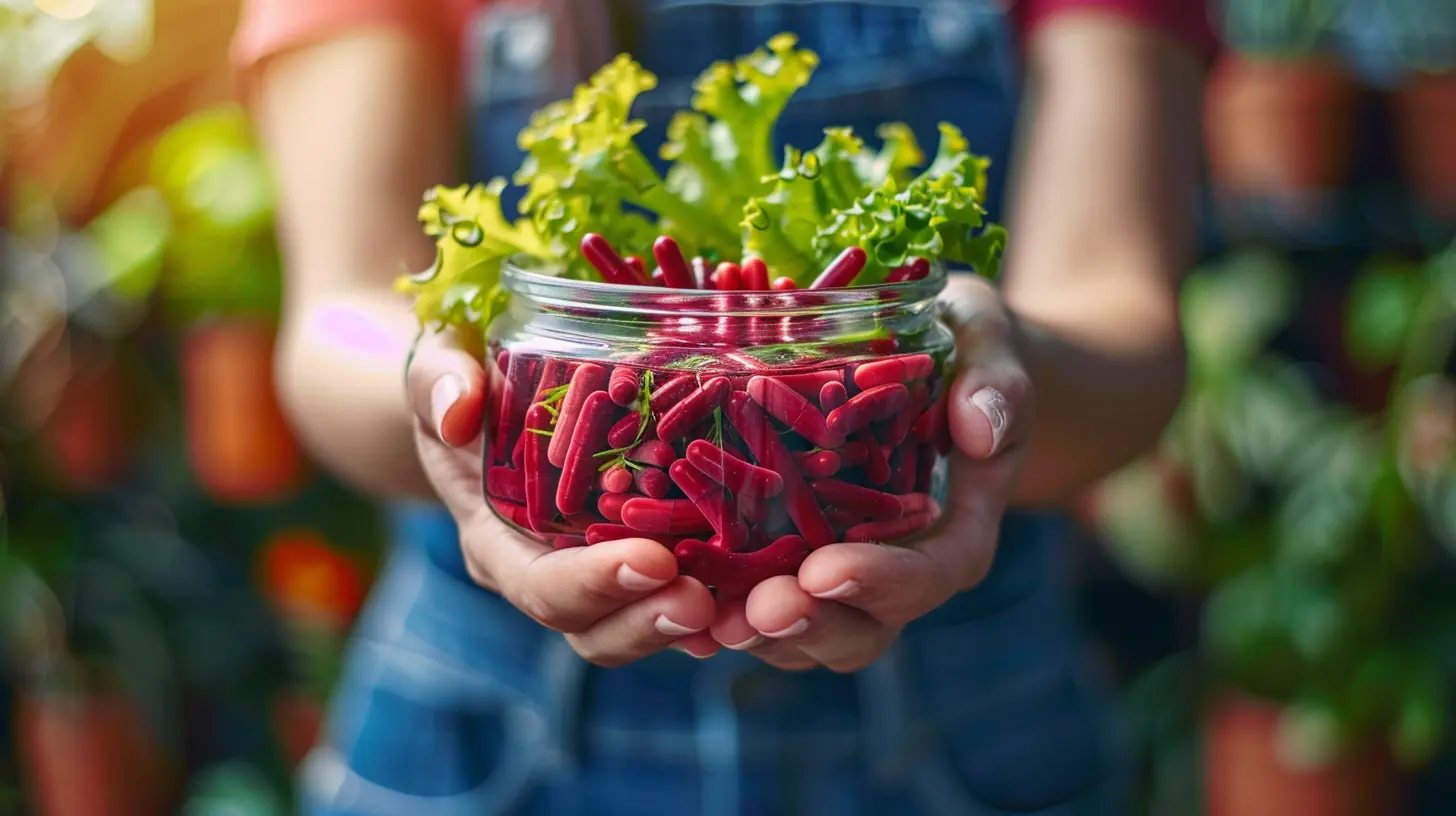
The Gut-Brain Connection: More Than Just a Hunch
Did you know your gut has a brain of its own? Well, not literally, but close enough. It’s called the enteric nervous system (ENS), and it’s often nicknamed the "second brain." This complex network of neurons is embedded in the walls of your digestive tract and constantly chats with your actual brain via the gut-brain axis.Think of this connection like a two-way radio. When you're stressed, your brain sends distress signals to your gut—and vice versa. Ever felt butterflies in your stomach before a big presentation? That’s your gut reacting to emotions. Now imagine what ongoing stress might do to that system.
What Happens to Your Gut When You're Stressed?
Chronic stress is like that toxic person who just won't leave your party and keeps ruining the vibe. It disrupts the gut in multiple ways, including:1. Imbalance of Gut Microbiota
Your gut hosts a bustling community of trillions of microbes—some good, some not-so-good. Stress can tip the balance by decreasing the friendly bacteria and allowing harmful ones to thrive. This imbalance is called dysbiosis, and it can lead to bloating, diarrhea, constipation, and even long-term issues like IBS (Irritable Bowel Syndrome).2. Increased Intestinal Permeability (aka Leaky Gut)
Under stress, your body's production of cortisol (the stress hormone) goes into overdrive. High cortisol levels can weaken the lining of your intestines, making it more permeable. This means toxins and partially digested food particles can slip through and enter your bloodstream, triggering inflammation and other bad news.3. Slowed Digestive Function
Ever feel like your stomach just shuts down when you're anxious? That’s because stress slows intestinal contractions. Food doesn’t move through the digestive tract as smoothly, leading to discomfort, gas, and bloating.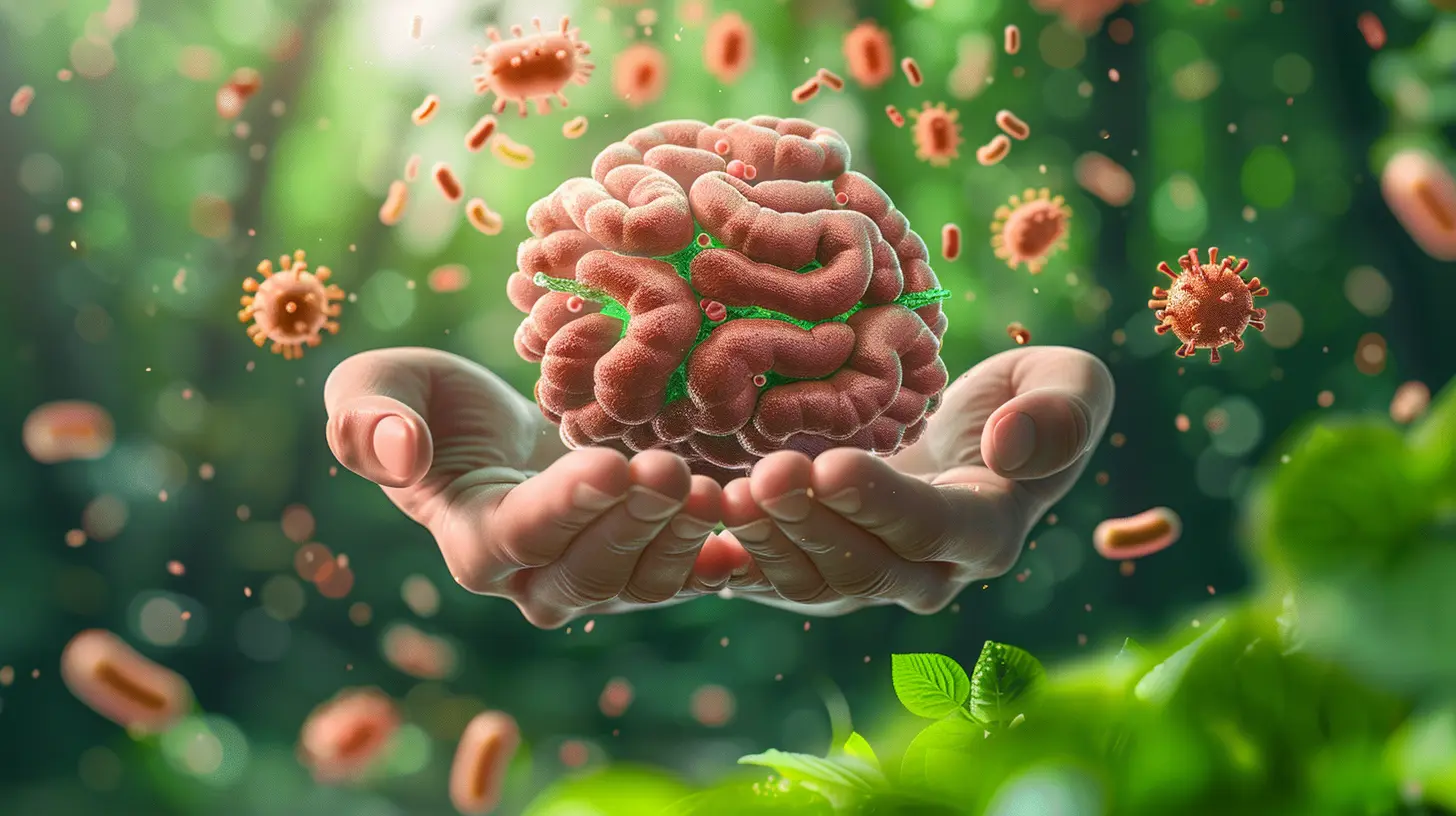
Hey, What About Probiotics?
Good question! If you’re taking probiotics for gut health (aka those friendly bacteria in yogurt, capsules, or fermented foods), you’re on the right track. But here's a plot twist: stress may mess with the effectiveness of those helpful microbes.1. Reduced Colonization of Probiotics
Imagine giving your best houseplants to a friend, but they forget to water them and leave them in the dark. They won’t thrive, right? Same goes for probiotics in a stressed-out gut. Stress changes the gut environment, making it harder for those good bacteria to survive and colonize.2. Altered Microbial Activity
Stress doesn’t just kill probiotics—it can change what they do. Beneficial bacterial strains might not behave the same way under stress. Their ability to produce short-chain fatty acids (SCFAs)—which help reduce inflammation and support the gut lining—diminishes.3. Shorter Gut Transit Time
Stress can speed everything up or slow everything down. If your food is racing through your system (aka diarrhea), probiotics don’t get enough time to be absorbed and go to work. If it’s crawling (hello, constipation), the gut becomes a toxic swamp—hardly ideal for good bacteria to flourish.
Signs Your Gut Is Stressed Out
Wondering if your stress is impacting your gut? Some telltale signs include:- Bloating, cramping, or stomach aches
- Irregular bowel movements (too frequent or not enough)
- Poor appetite or emotional eating
- Chronic fatigue or low energy
- Worsening symptoms of conditions like IBS or acid reflux
- Elevated anxiety or mood swings
It’s a vicious cycle—stress affects the gut, and a troubled gut can increase anxiety and depression. One feeds the other like a never-ending ping-pong match.
How to Protect Your Gut From Stress (And Help Your Probiotics Work Better)
Okay, doom and gloom aside, there’s good news. You can absolutely support your gut and boost your probiotic performance—even in stressful times. Here’s how:1. Prioritize Stress Management
You don’t need to live like a monk, but finding practical ways to unwind genuinely helps. Consider:- Deep breathing or meditation (even 5 minutes counts)
- Walking in nature
- Journaling or gratitude lists
- Spending time with loved ones
- Saying “no” to things that drain you
2. Feed Your Good Bacteria
Probiotics are only as good as the food they get. Prebiotics (found in foods like garlic, onions, bananas, and oats) are what fuel those beneficial bacteria. Toss more of these into your meals.3. Choose the Right Probiotic
Not all probiotics are created equal. Look for:- Multiple strains (diversity is key)
- High CFUs (colony-forming units)
- Strains studied for stress, like Lactobacillus rhamnosus and Bifidobacterium longum
Also, consistency matters. Taking them sporadically and expecting miracles? Hate to break it to you, but that’s like buying a gym membership and never going.
4. Get Enough Sleep
Sleep is repair time for both your brain and your gut. Aim for 7–9 hours of quality sleep every night. That means turning off screens, keeping a consistent bedtime, and maybe even trying a calming bedtime tea.5. Stay Hydrated
Water helps move everything through your digestive system smoothly. Think of it as oil for your inner machinery. Dehydration can compound digestive issues and slow down the effect of probiotics.Lifestyle Tweaks That Make a Big Difference
Sometimes, small changes bring big results. These daily tweaks can help harmonize your gut-brain connection:- Chew Your Food Slowly: Digestion starts in your mouth. Rushing your meals equals more work for your gut.
- Limit Processed Foods & Sugar: These feed bad bacteria and cause inflammation.
- Avoid Overuse of Antibiotics: They kill both good and bad bacteria. Only use when truly necessary.
- Exercise Regularly: Movement helps with digestion, boosts mood, and lowers stress.
The Gut-Brain-Probiotic Triangle
Think of it like this: your brain, gut, and microbiome are in a three-way dance. When one partner stumbles (say, stress goes up), the others lose rhythm too. To keep the harmony, we need to support all three.So yes—stress absolutely impacts gut health and throws a wrench in probiotic effectiveness. But by being mindful of stress, choosing the right foods and supplements, and giving your body a little TLC, you can help balance your gut and boost your well-being.
Final Thoughts
If you’re stressing about your stress—take a breath. You’re not alone, and awareness is the first step. Understanding how stress tangles with your gut and probiotics means you’re already ahead of the game. Make a few tweaks, treat yourself kindly, and your gut (and mood) just might thank you.And remember—your gut is kind of like your inner garden. A little attention, the right nutrients, and some peace and quiet can make it bloom again.
all images in this post were generated using AI tools
Category:
ProbioticsAuthor:

Eileen Wood
Discussion
rate this article
1 comments
Amira Simon
This article sheds light on an often overlooked connection between stress and gut health. It's a reminder that our mental state can significantly affect our physical well-being. I appreciated the emphasis on probiotics; they are not a cure-all but can help. Managing stress is just as crucial for gut health.
July 17, 2026 at 4:03 AM
Eileen Wood
I glad you found the connection insightful. Stress management and probiotics both play vital roles in gut health. Thanks for sharing your thoughts!